Overall impression: Reviews for Three Rivers Estates Senior Living and Memory Care are mixed but lean positive in areas tied to staffing culture, amenities, and the physical environment. Many narratives emphasize a warm, attractive community with an active, values-driven staff and visible leadership presence. At the same time, a subset of reviews raises operational concerns that could affect care consistency and family confidence.
Care quality and safety: The facility elicits two contrasting themes. On the positive side, numerous families describe attentive, compassionate caregiving and report that residents are well cared for and content. However, other comments indicate inconsistent clinical care quality and explicit safety-protocol gaps. These concerns appear as variability in how care is delivered rather than uniform failures; they suggest areas where clinical oversight, staffing consistency, or training may need reinforcement to ensure reliable outcomes across shifts.
Staff and leadership: Staff are the most frequently praised element. Reviewers commonly use terms such as caring, friendly, efficient, and community‑oriented for nurses, aides, and activity personnel. Several reviewers singled out administrators and specific staff members for proactive problem resolution and supportive admissions experiences. At the same time, reports of high staff turnover were raised; combined with the care-quality variability, turnover could be an explanatory factor for inconsistent service delivery and continuity of care.
Dining and activities: Dining receives positive mention, with several reviews describing good food and overall satisfaction with meals. Activity programming and the wellness team are highlighted as strengths — families note engaging events, a strong wellness focus, and opportunities that contribute to resident happiness and social connection.
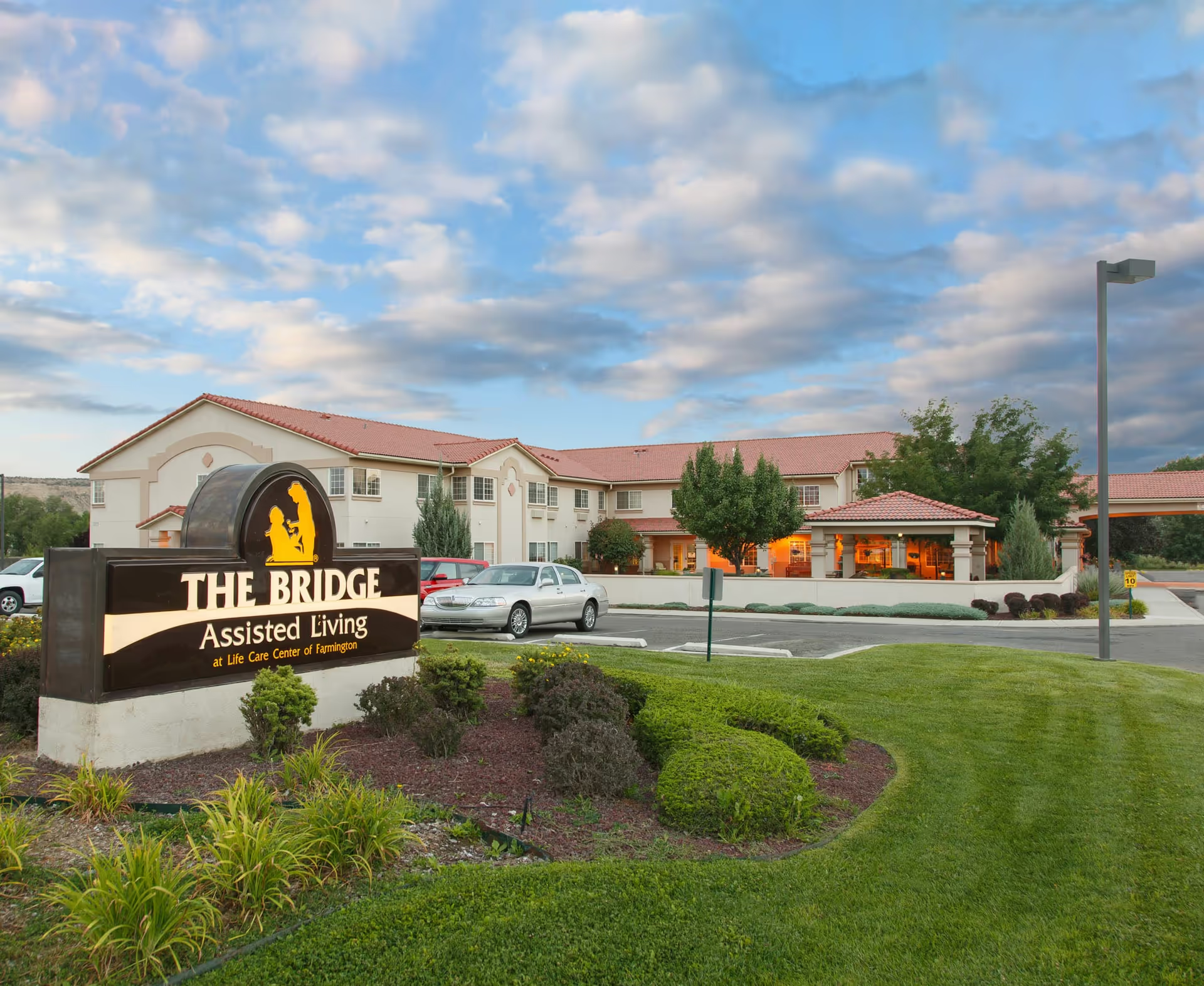
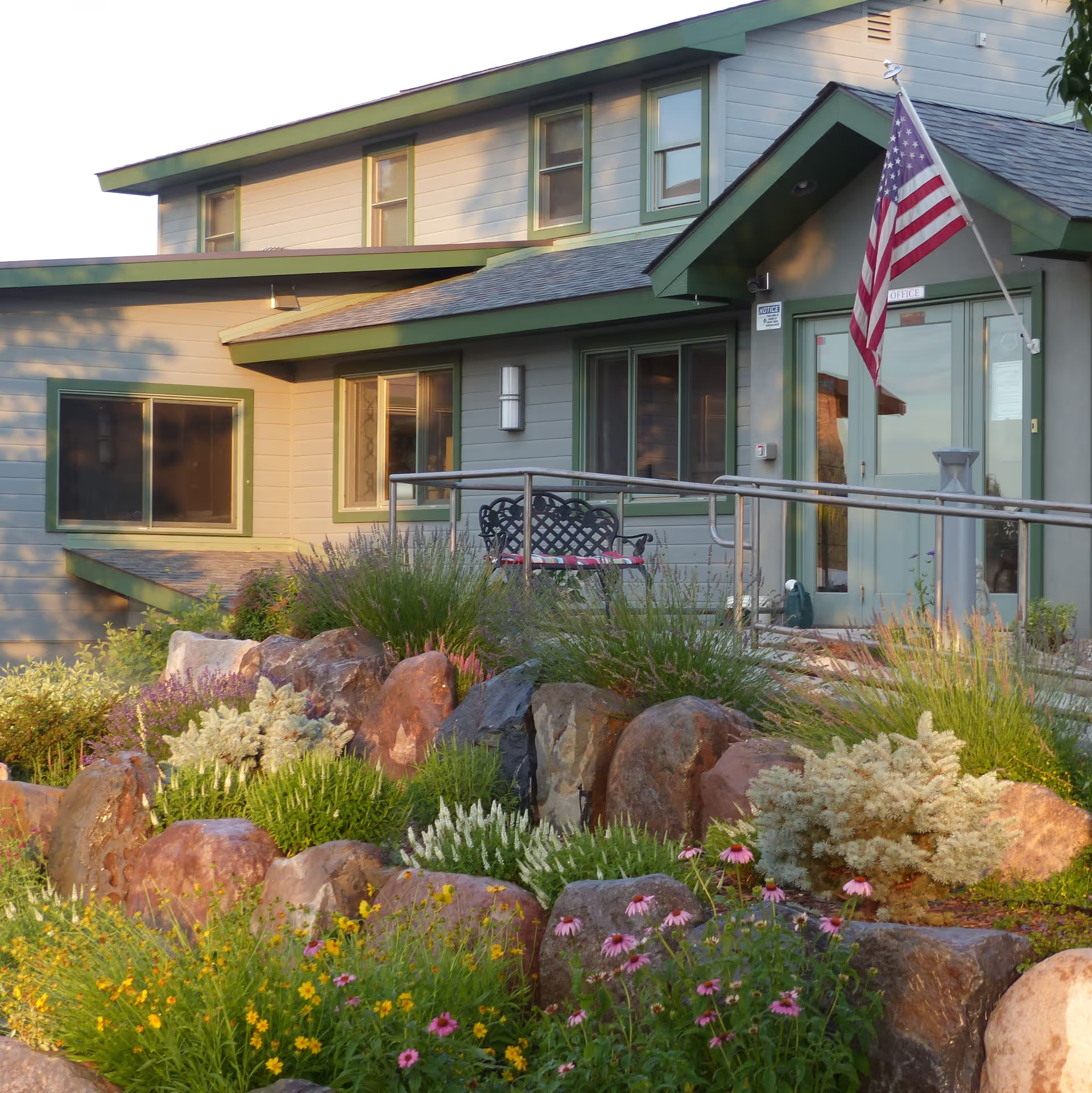
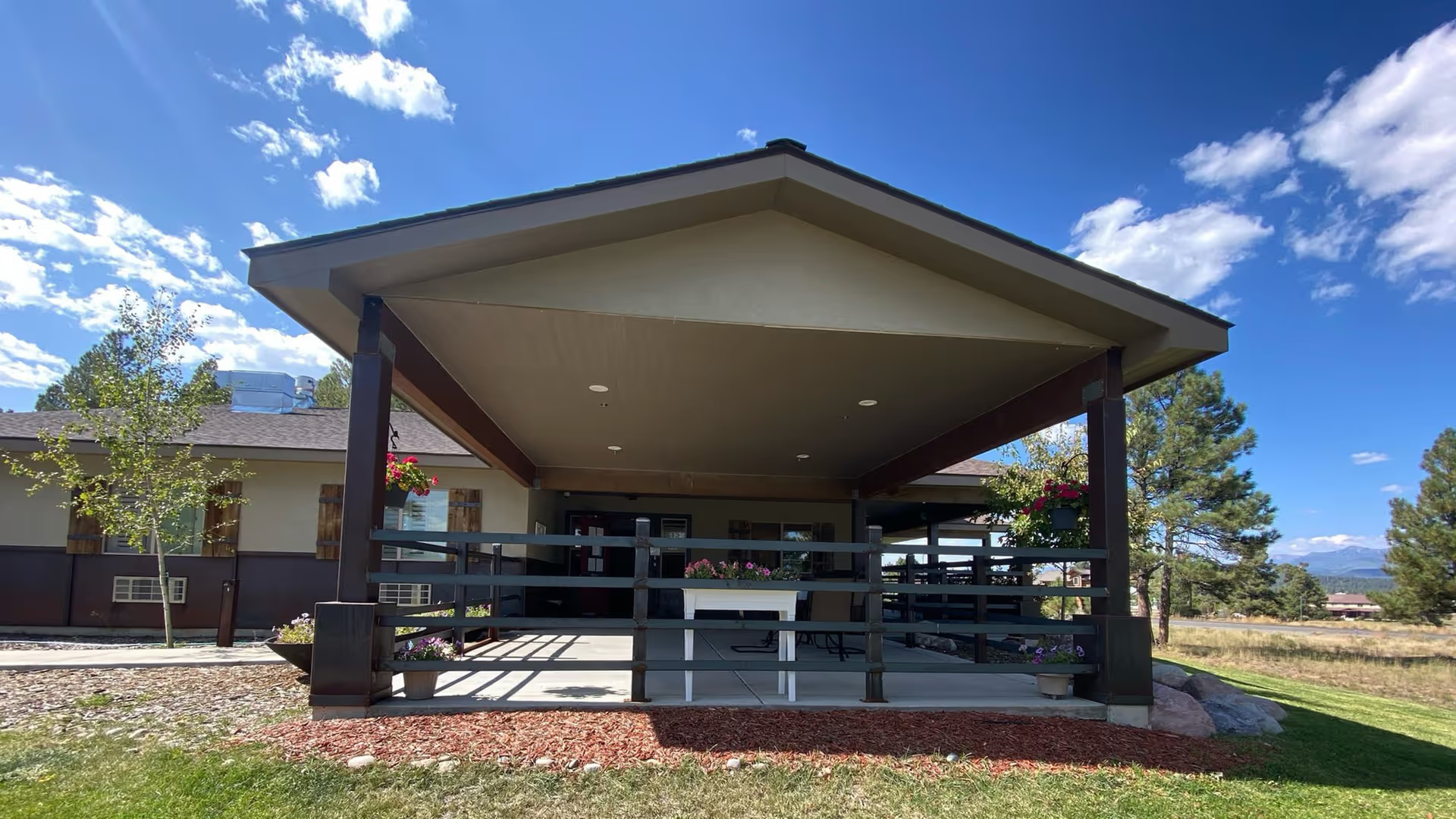
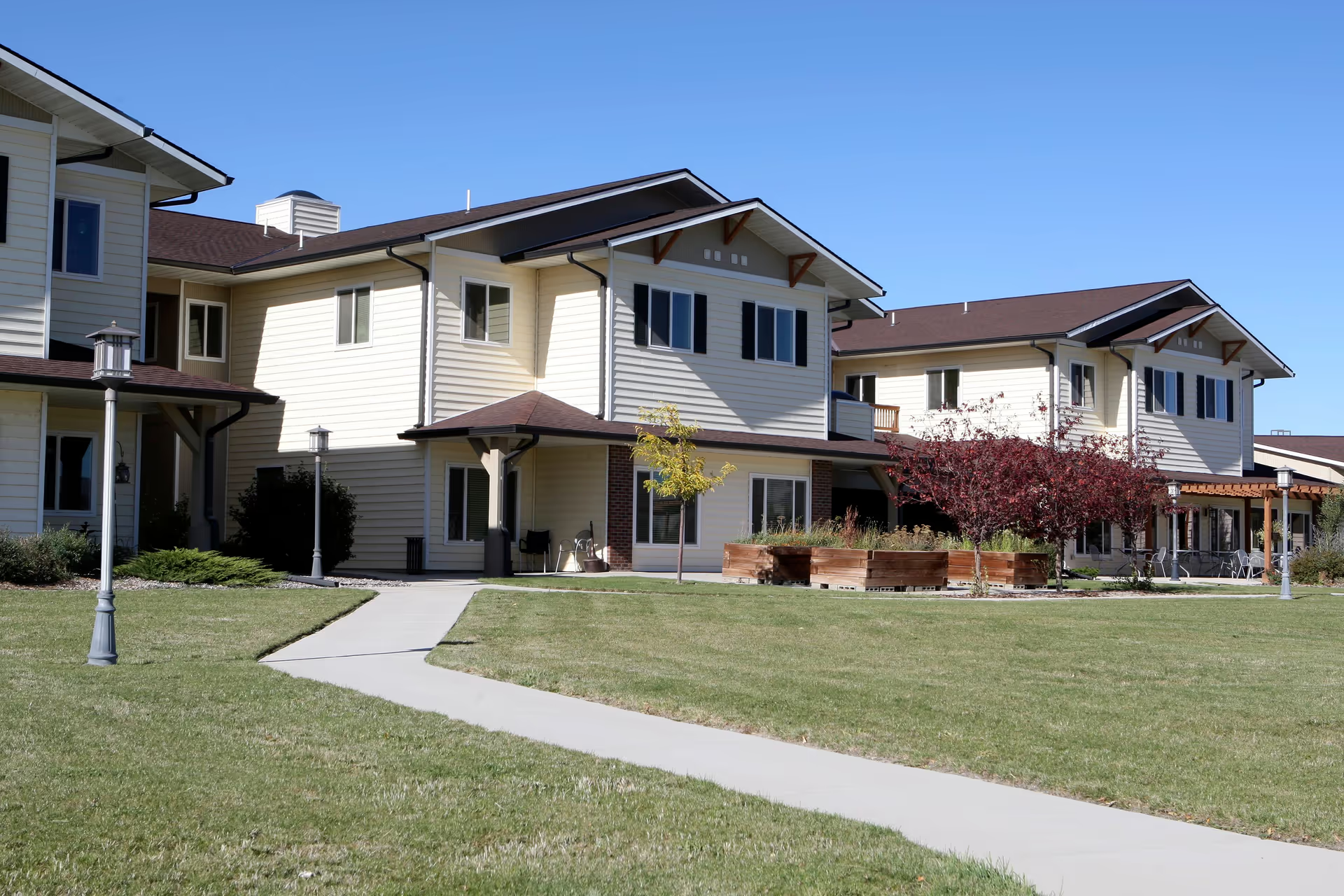
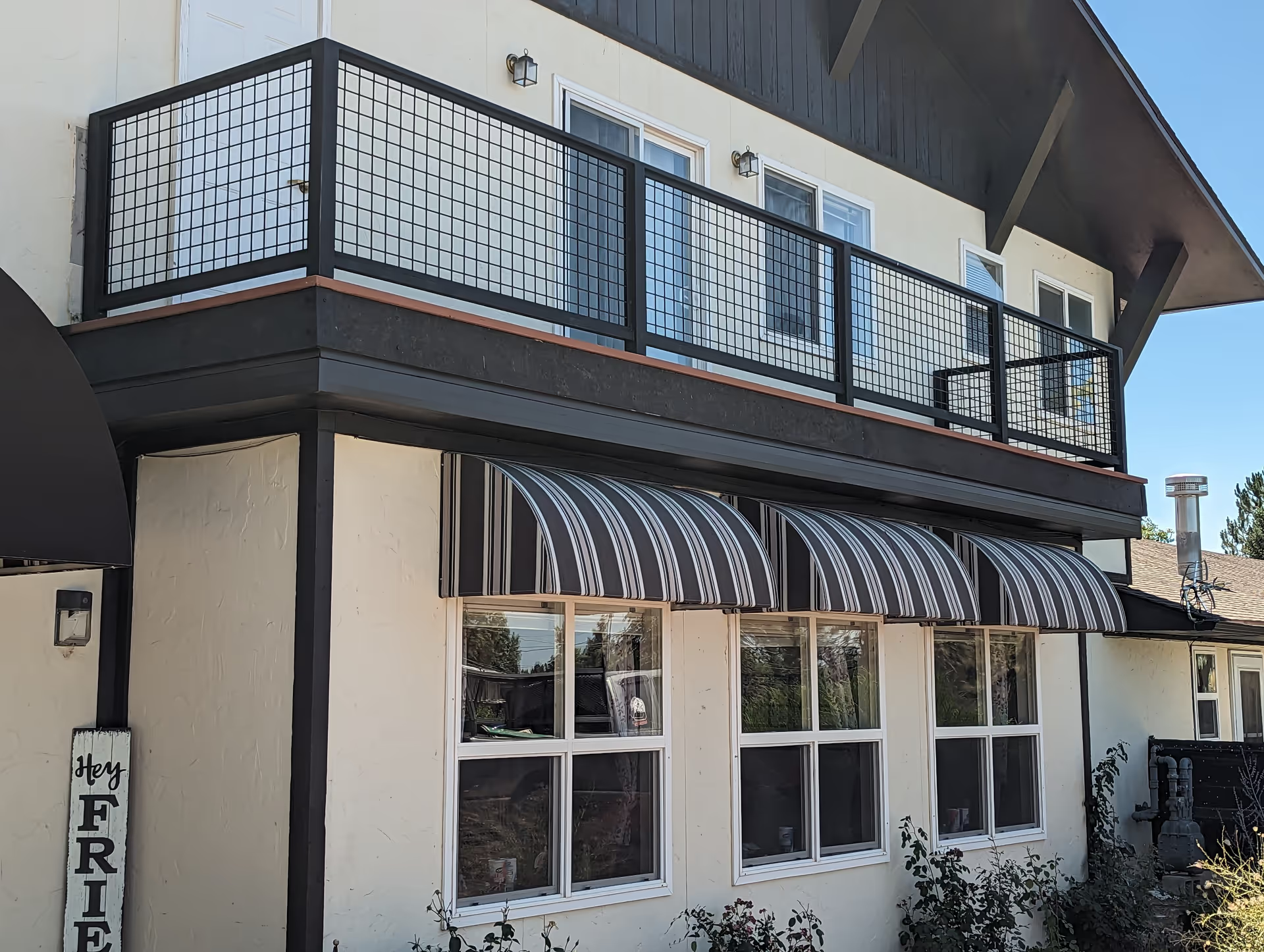
Facility and amenities: The campus is consistently described as attractive, well maintained, and spacious. Reviewers praise apartment layouts (including one‑bedroom units), communal amenities, and a clean, pleasant environment. These physical attributes appear to support resident comfort and family reassurance.
Management, communication, and transparency: Management style is described as values-driven and community-focused, with proactive administrators and admissions staff who can resolve concerns when engaged. Nevertheless, communication inconsistencies are reported: some families experienced delays in phone callbacks or uneven responsiveness to inquiries. A separate pattern pertains to transparency about public feedback — mentions of social-media review removal and concerns about how feedback is handled indicate that some prospective families may wish for clearer, more open processes around complaints and public reviews.
Operational patterns and service gaps: Practical service-level gaps include inconsistent phone responsiveness and limited after-hours transportation, the latter affecting families who rely on off-hour mobility support. The combination of safety concerns, inconsistent care, and staff turnover points to systemic operational areas to probe during a tour: staffing ratios, shift continuity, clinical oversight, incident-response protocols, and staff retention strategies.
Guidance for families: For those considering this community, strengths to verify during a visit include staff-resident interactions, activity schedules, dining sampling, and apartment condition. Equally important is to inquire about staffing models, turnover rates, clinical supervision, safety protocols, after-hours transportation options, and how the community handles family complaints and public feedback. Reviewing recent state inspection reports and asking for examples of how specific concerns were addressed can help clarify whether praised practices are consistent and whether identified operational weaknesses have been or are being corrected.