Overall impression: Reviews of this transitional rehabilitation center are strongly polarized. A substantial portion of accounts describe a highly capable, rehab-focused environment with excellent therapy services, modern equipment, attentive administrative staff, and high-quality dining. At the same time, a minority of accounts describe serious operational and clinical concerns. Prospective residents and families are likely to encounter either a consistently positive short-term rehab experience or, less commonly, operational gaps that impact safety and communication.
Care quality and clinical oversight: The facility is widely recognized for strong physical and occupational therapy programs and comprehensive short-term rehab services. Reviewers frequently highlight knowledgeable therapists, structured programming, and effective discharge planning aimed at returning patients home without readmission. However, several accounts identify lapses in clinical follow-up and medication management, and a small number of narratives describe clinical deterioration that required hospital-level care. These patterns suggest generally robust rehab services but intermittent gaps in nursing-level monitoring and medication administration.
Staffing and interpersonal conduct: Many reviews praise friendly, professional, and helpful nurses, CNAs, and administrative personnel who ‘‘go above and beyond.’' There is evidence of a cohesive interdisciplinary team in parts of the facility. Conversely, other reviews describe inconsistent caregiver conduct, delayed responses to assistance calls, and variable performance among CNAs and nurses. These mixed impressions point to uneven staff training, supervision, or staffing levels that affect resident experience and response times.
Dining, activities, and therapy programming: Dining is a clear strength for many reviewers — chef-led meals, positive dining service, and pleasant food quality are repeatedly noted. Therapy programming, including a well-equipped gym and a range of exercise machines, is also cited as a major asset. Recreational and therapeutic activities appear well organized and aligned with the facility’s short-term rehab mission.
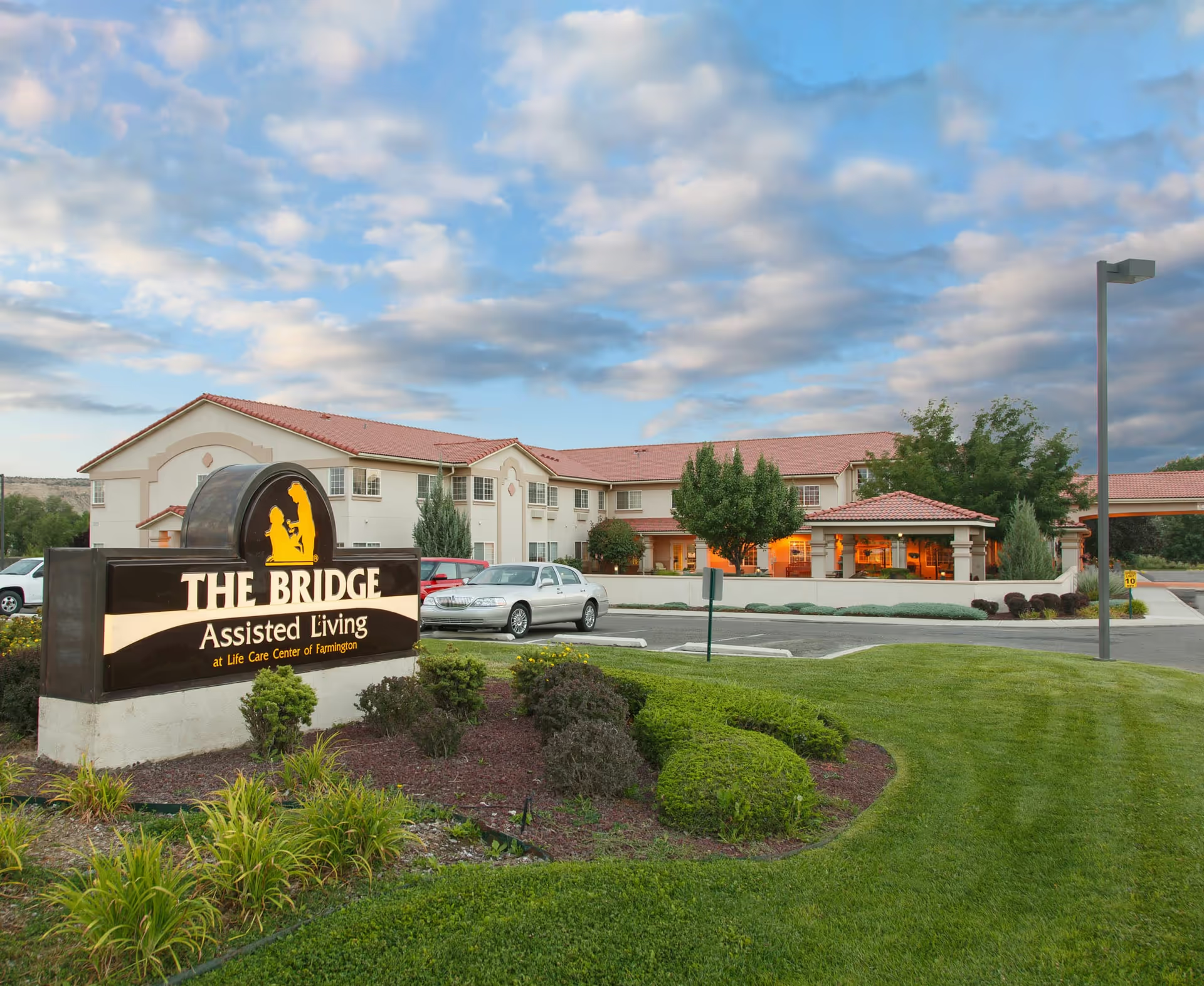
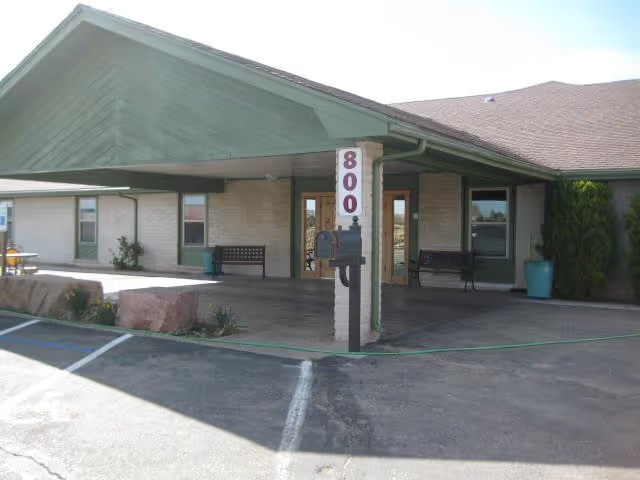
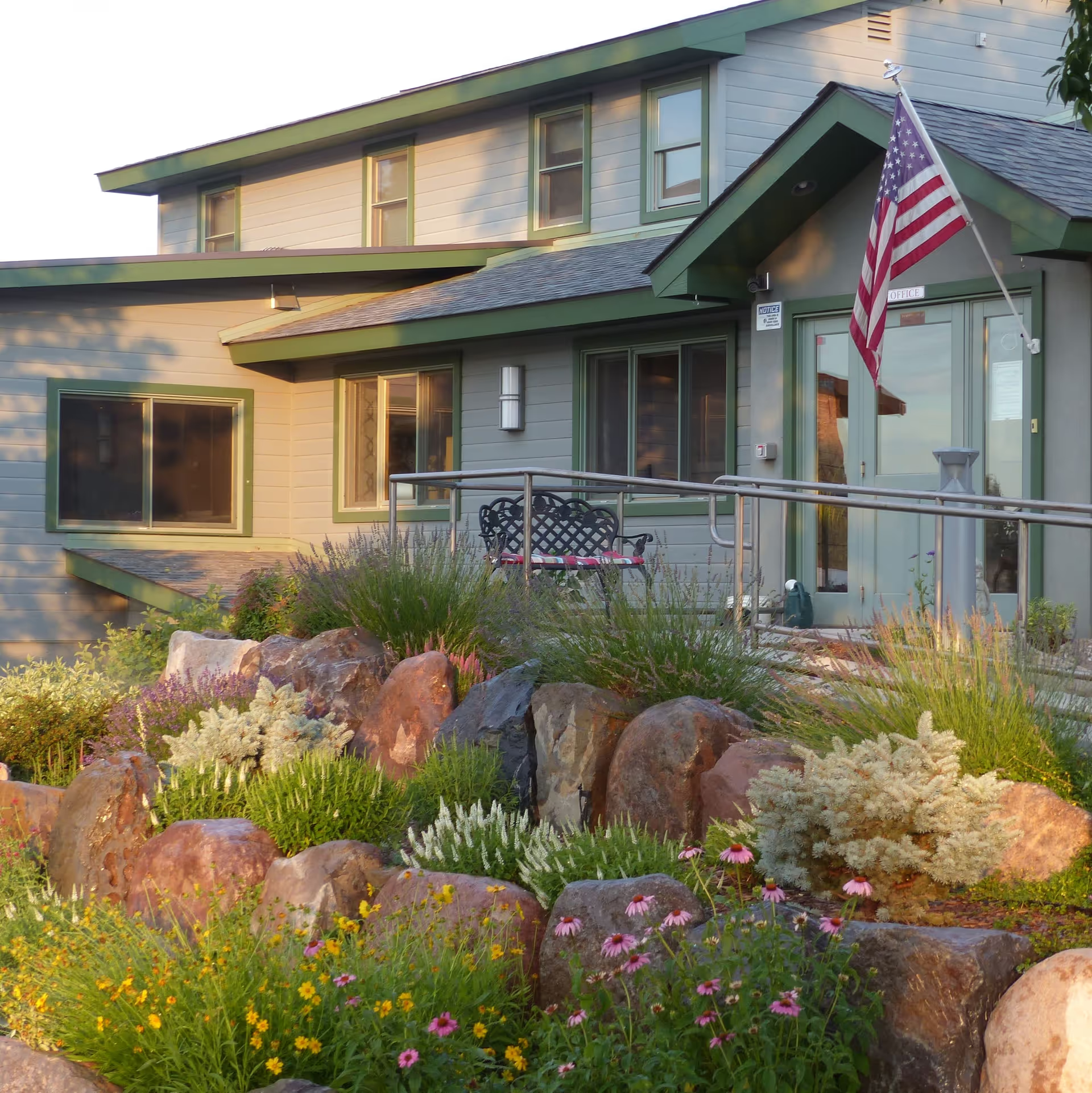
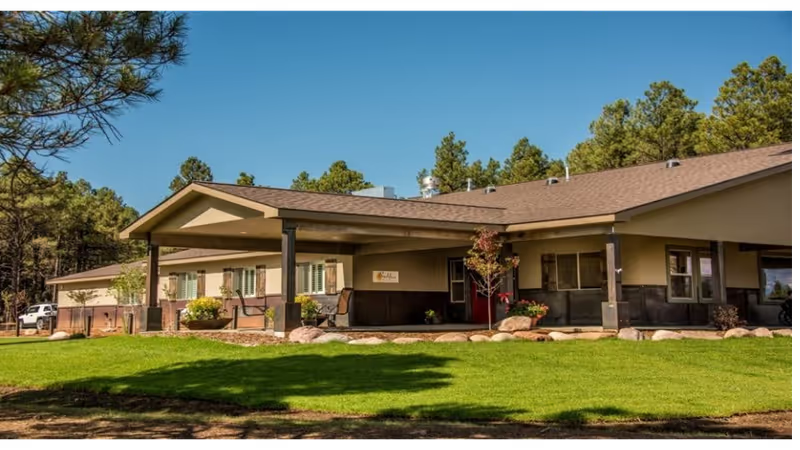
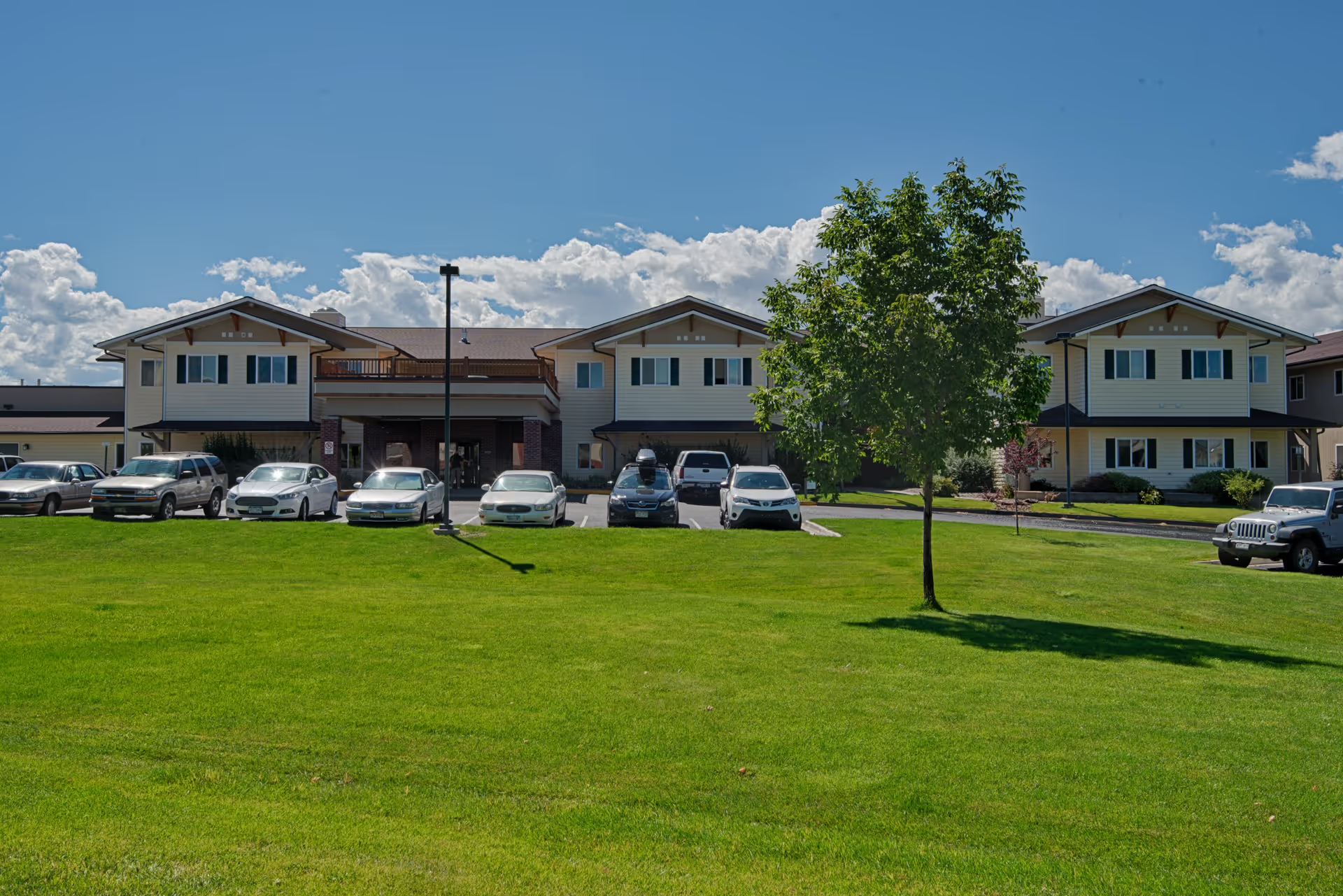
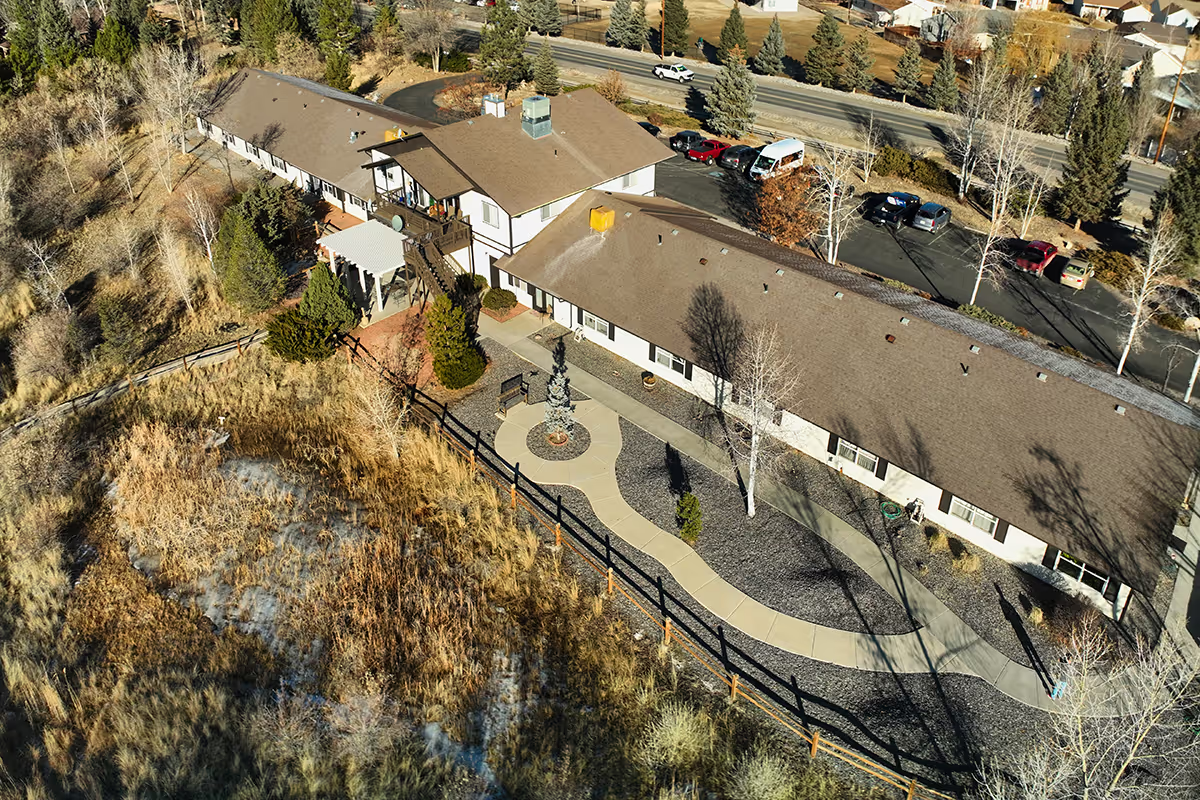
Facilities and environment: The property is frequently described as clean, modern, and hotel-like, with proactive maintenance and attractive grounds. At the same time, some reviewers indicate uneven condition across different parts of the campus and a need for renovation in older areas. Concerns about room conversions to doubles and rumors of property changes introduce uncertainty about future occupancy and room assignments.
Management, communication, and safety: Administrative staff receive praise for helpfulness and coordination in many accounts, yet other reviews point to deficiencies in oversight, incident communication, and family notification. Safety-related themes include falls, delayed notification of incidents to families, wandering risk, and transfer-safety issues. These indicate opportunities for stronger incident-reporting protocols, clearer family communication policies, and more consistent staffing practices to reduce response delays.
Notable patterns and takeaways: The dominant positive themes are high-quality rehab therapy, excellent dining, and a modern, clean environment. The dominant negative themes are inconsistency — particularly in nursing responsiveness, medication and monitoring processes, and family communication — and variability across units. Prospective families should confirm current staffing ratios, escalation and notification protocols, specific room assignments (single vs. double), and how the facility monitors medication administration and fall risk. Doing so will help align expectations with the facility’s strong rehabilitation capabilities while identifying and mitigating potential operational gaps.