Lovington Healthcare elicits strongly mixed but identifiable patterns in family and resident feedback. The facility is consistently praised for its rehabilitation services: reviewers highlight skilled physical, occupational, and speech therapists, a patient-centered therapy approach, and measurable progress toward individualized goals. Many families describe compassionate bedside care, attentive nursing and physician involvement, and personalized treatment planning that made short-term stays productive and reassuring.
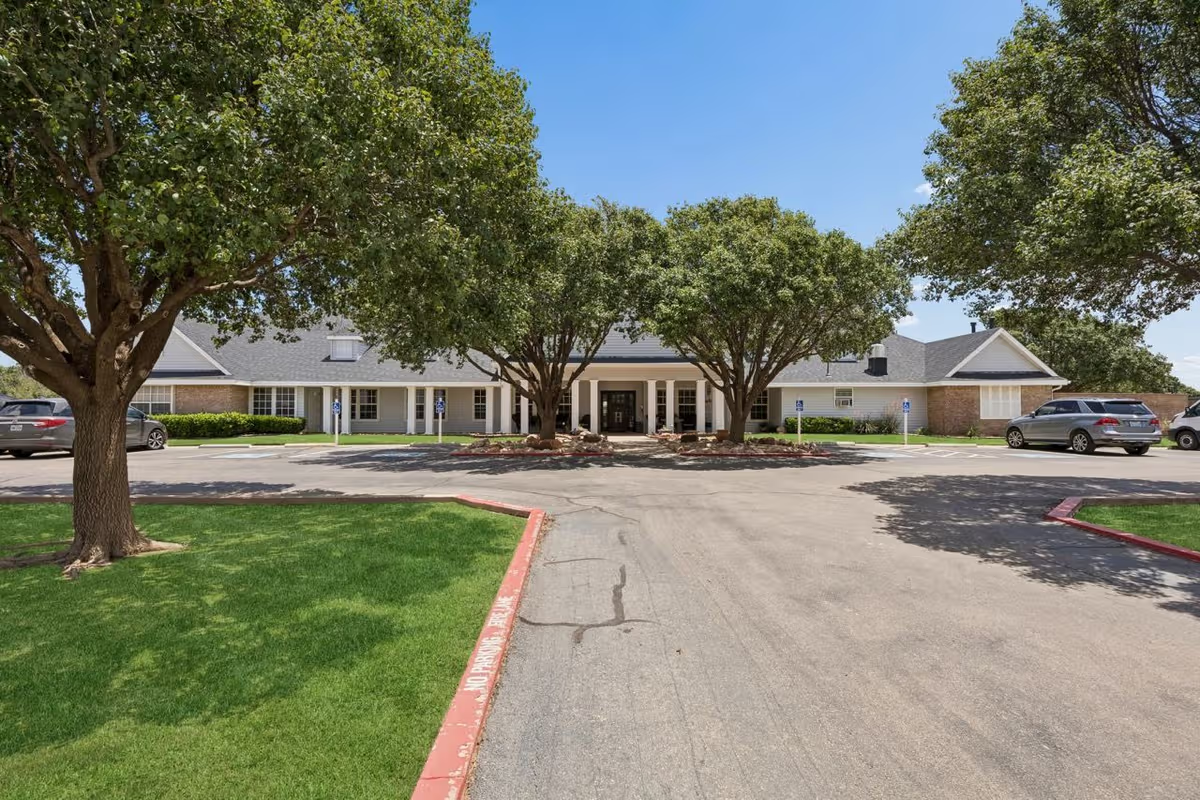
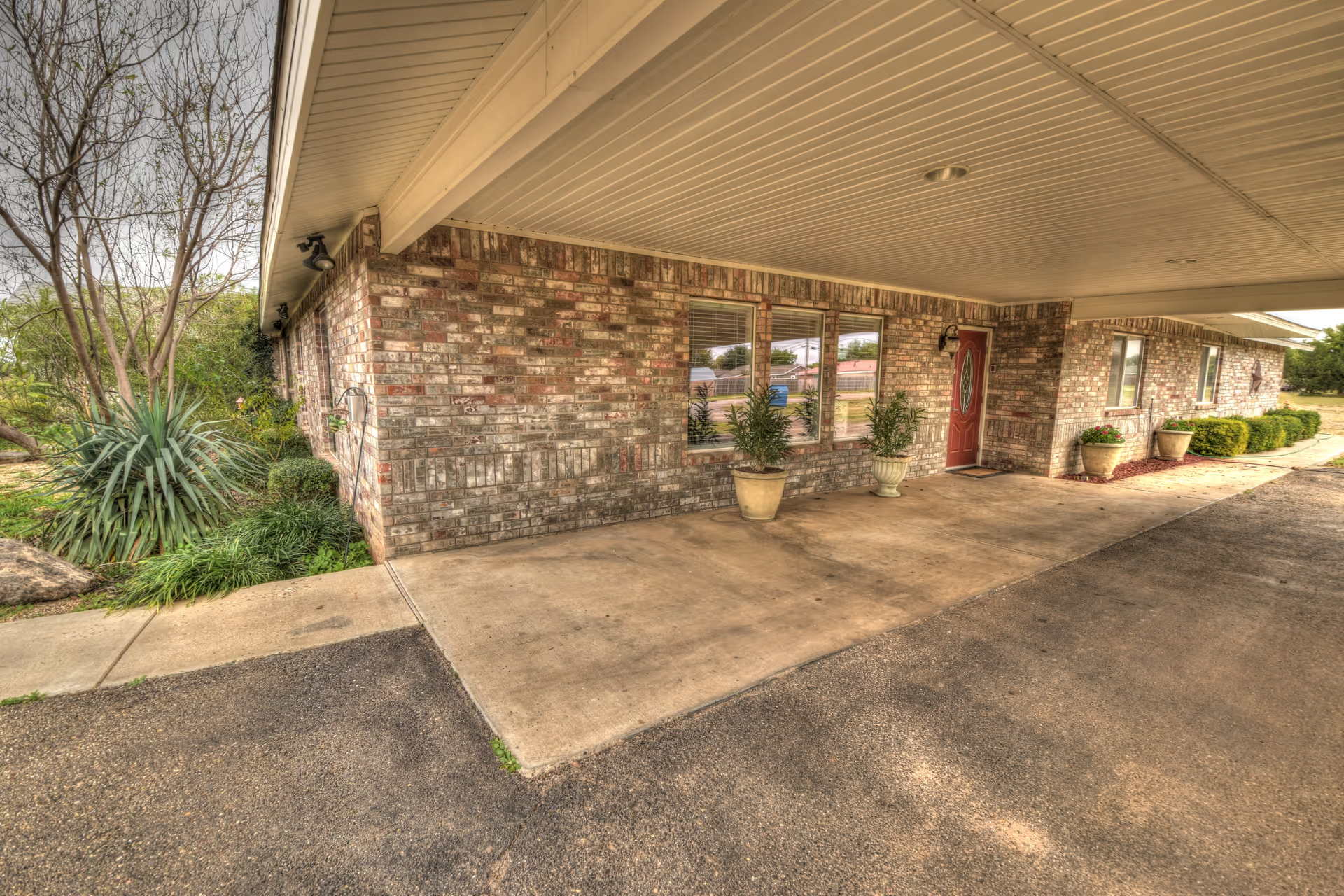
Activity programming and social engagement are clear strengths. Theme days, interactive schedules, and an upbeat atmosphere are repeatedly noted as contributing to residents’ quality of life; on-site amenities such as a salon and barbershop further support social and personal-care needs. The physical environment also receives frequent positive comment — the building is described as clean, well-maintained, and in some areas recently remodeled to feel more home-like while retaining a clinical, hospital-like level of cleanliness.
Alongside these positives are recurrent operational concerns. Staffing levels and day-to-day coverage are described as inconsistent, which reviewers link to delayed responses to call bells and variability in direct-care interactions. Communication and coordination among CNAs, nurses, and therapy staff are uneven: while some families report clear care-team collaboration and proactive recovery information, others report misinformation about therapy plans or delays in therapy initiation.
Clinical-safety processes surface as an important area for improvement. Multiple accounts indicate gaps in medication-management controls and oversight, and a small number of narratives raise serious clinical-safety concerns (including issues with pressure-injury prevention, seizure response, and medication administration). These accounts suggest a need for stronger clinical protocols, clearer escalation pathways, and improved family communication when incidents occur.
Other operational themes include dining and daily-living logistics. Some residents and families praise flexible meal options and a welcoming dining atmosphere; others note interruptions in meal service and access to showers. Noise and roommate-management issues (for example, continuous television volume) have also been raised as factors that affect rest and privacy. A few comments describe sanitation or maintenance issues with specific equipment or areas, indicating targeted maintenance and infection-prevention attention may be warranted.
Management impressions are similarly mixed. Several reviewers commend the administrator and front-desk staff for responsiveness, warmth, and visible leadership; contrasting narratives describe perceived inaction when families raise concerns about roommate behavior or care delays. Taken together, the pattern suggests a facility with strong clinical and social programming foundations that would benefit from focused work on staffing reliability, medication-safety systems, dementia-specific staff training, and more consistent family communication and incident follow-up. Prospective residents and families should weigh the facility’s demonstrated strengths in rehabilitation and activities against the operational areas that may affect day-to-day safety and comfort, and consider discussing specific care protocols, staffing levels, and escalation procedures during tours or admissions planning.