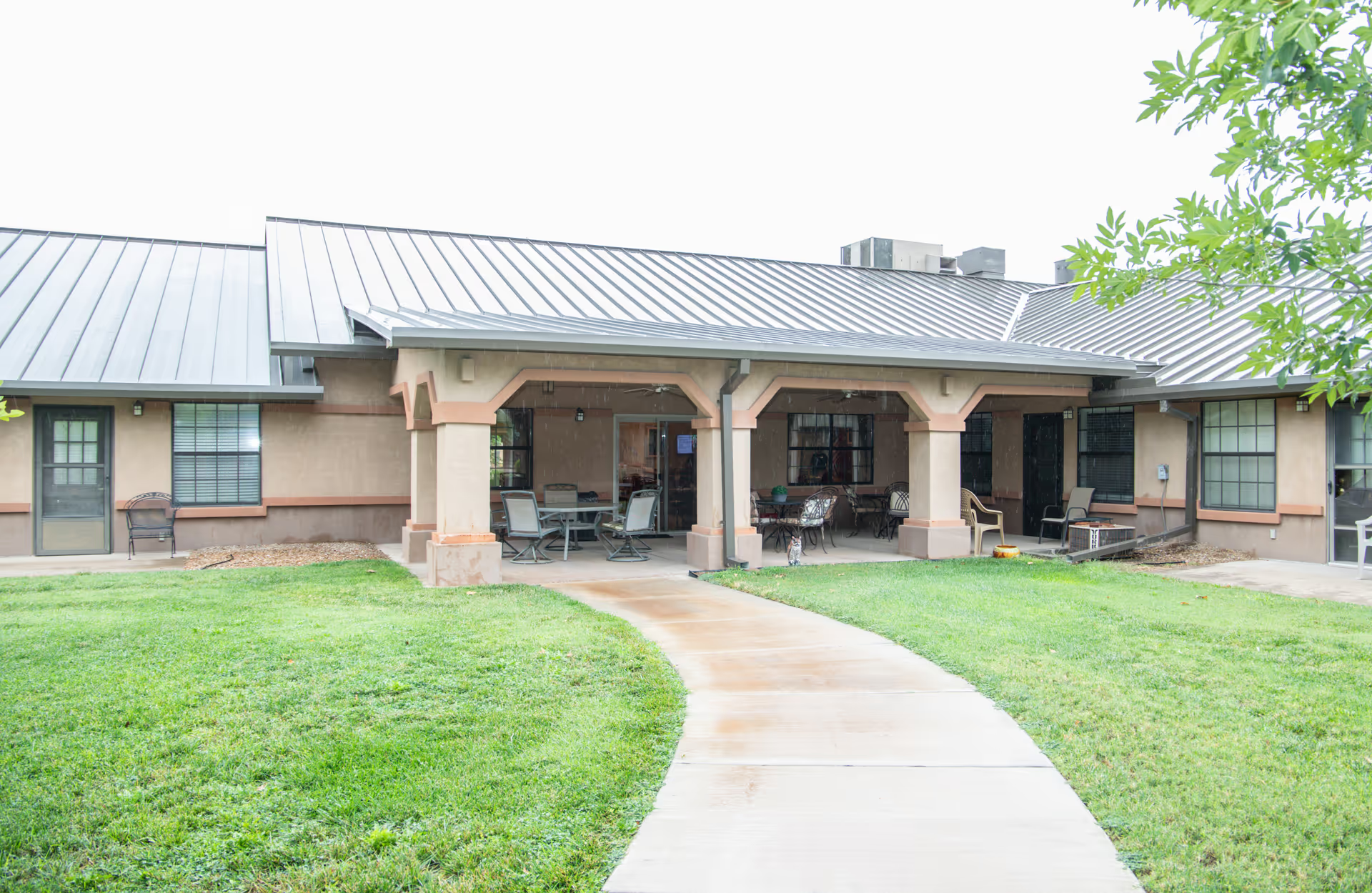
Casa Maria Healthcare elicits a mixed but clear pattern of strengths and operational weaknesses. Many families and residents praise the facility for compassionate front-line care, particularly from CNAs, nurses, and the rehabilitation team. Therapy and rehab services receive consistent positive comments for effectiveness and communication, and recreational programming — including therapy-animal visits and outdoor/covered patio spaces — contributes to a strong sense of community and resident engagement. Multiple accounts also highlight an efficient and welcoming admissions experience and attentive housekeeping and maintenance in many areas.
Care quality appears uneven. Numerous accounts describe staff who are caring, observant, and effective in medication administration and personal support; however, other reports indicate delayed assistance when call lights are activated and variability in staff responsiveness, particularly during off shifts. Pain-management practices and medication consistency are praised by some and questioned by others, producing a mixed picture of clinical reliability. Safety practices and transfer/positioning procedures have been flagged in multiple narratives, suggesting a need to review protocols and oversight to reduce fall and transfer risks.
Dining and daily living services show similar variability. Breakfasts and some meals are described as fresh and well-managed, with specific praise for kitchen staff who are attentive to portions and preferences. At the same time, families note intermittent cold meals, occasional burnt or overcooked items, and delays in meal delivery. Laundry, personal-item handling, and certain room-level housekeeping tasks are generally executed well but have isolated reports of lapses or lost items, creating inconsistency across resident experiences.
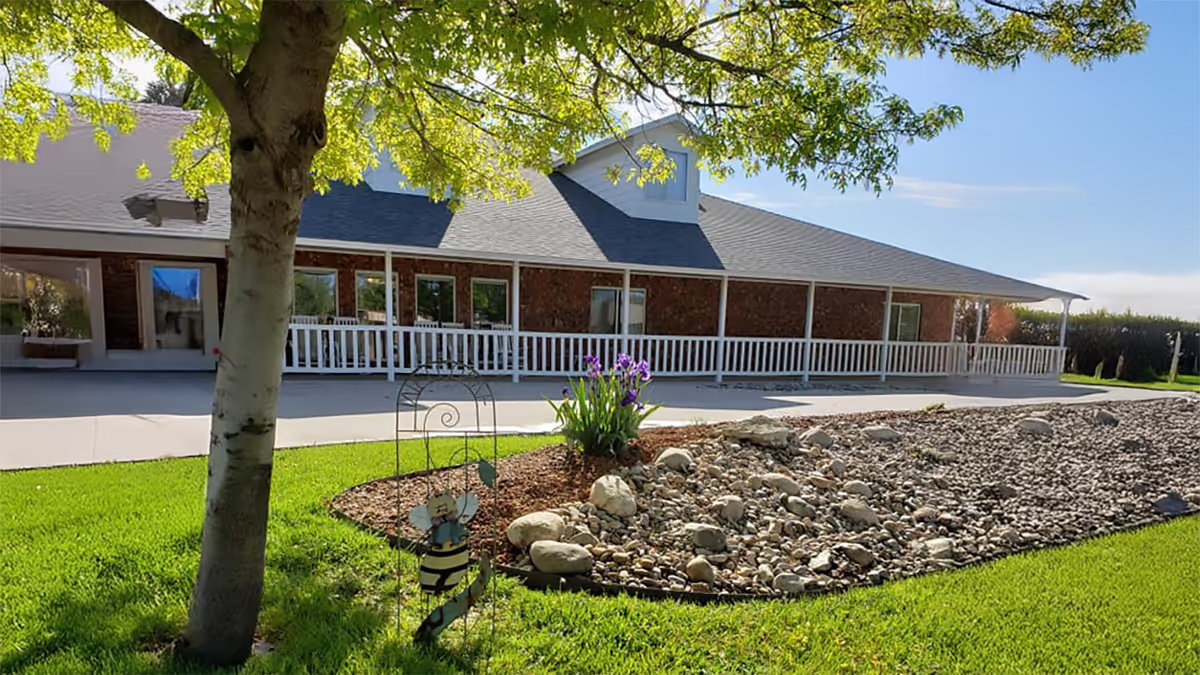
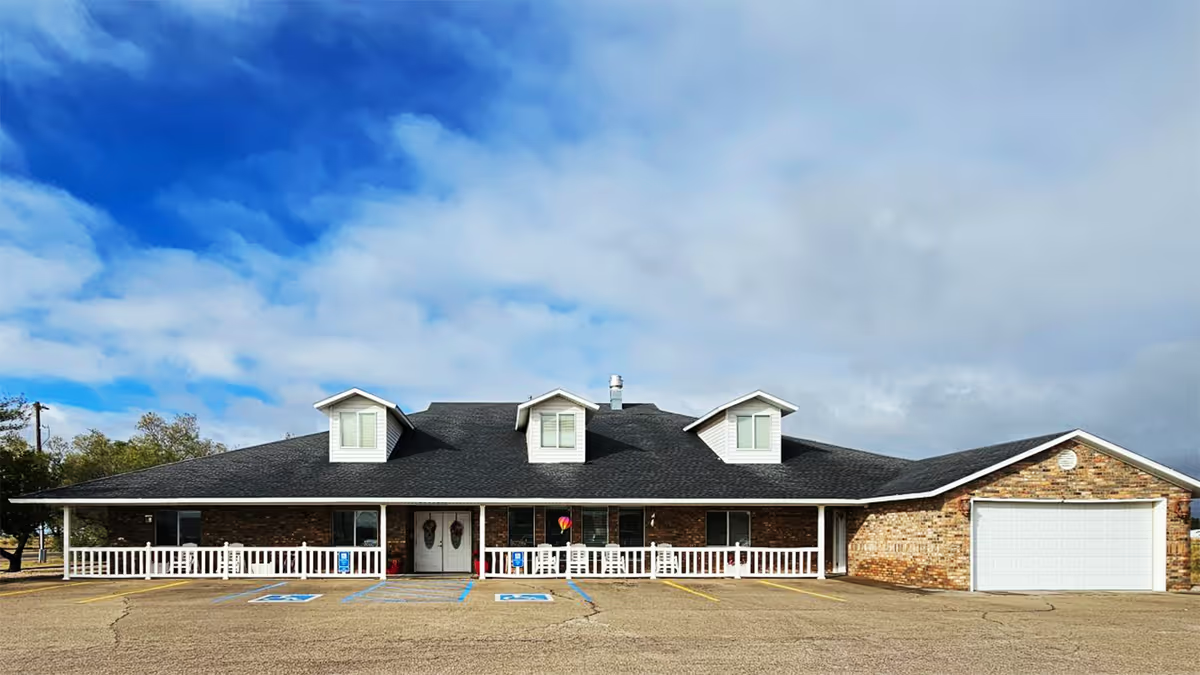
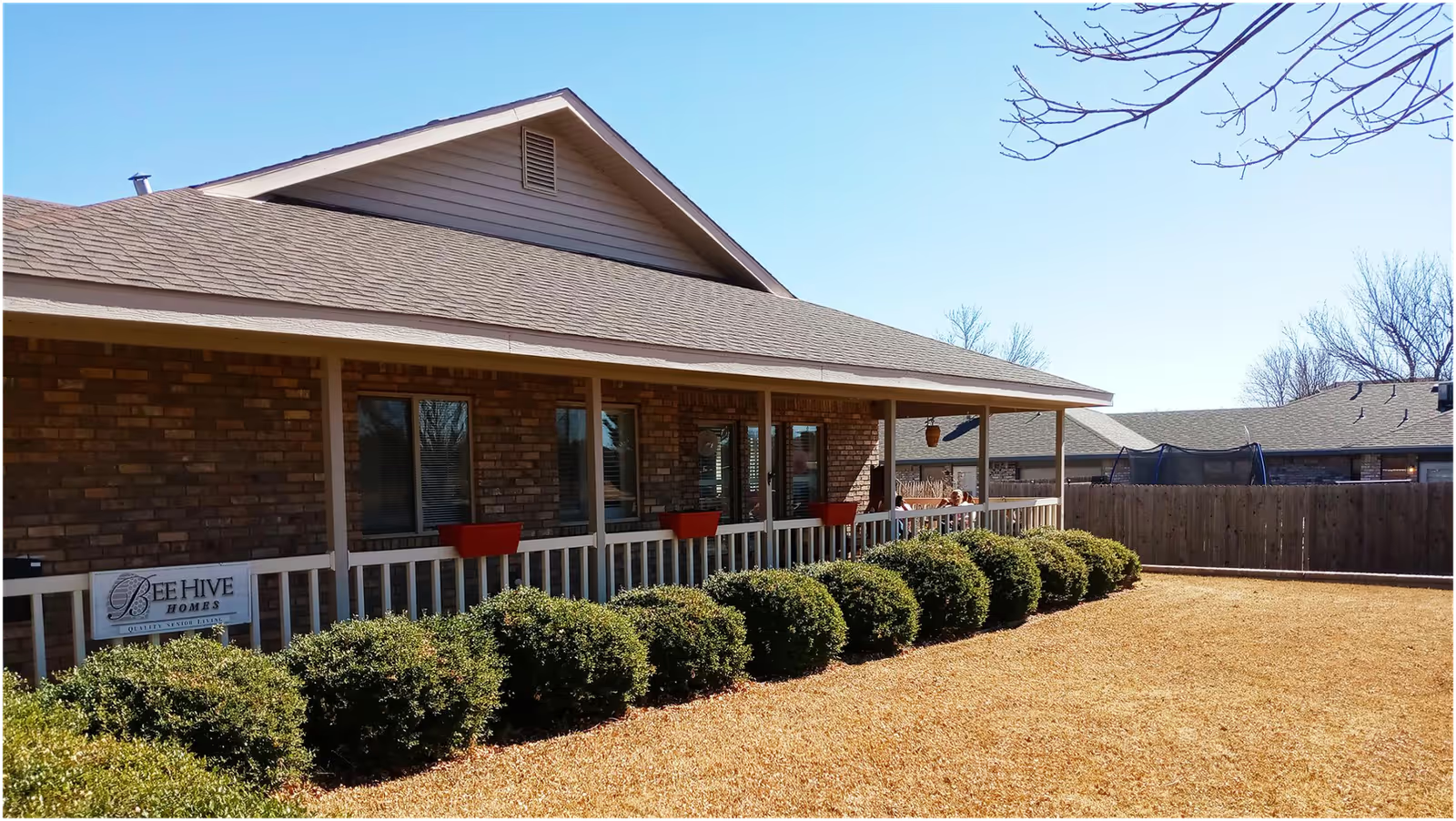
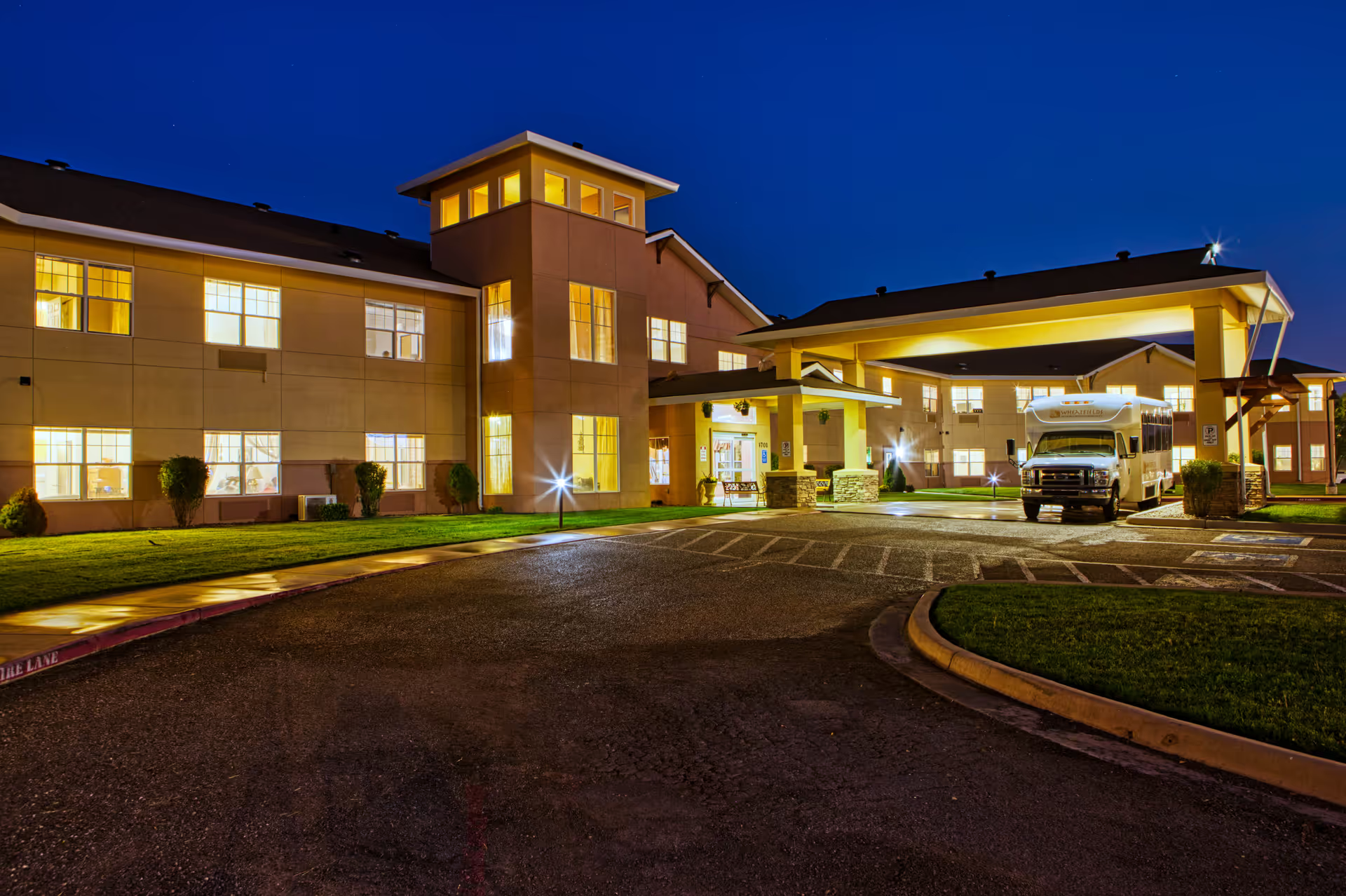
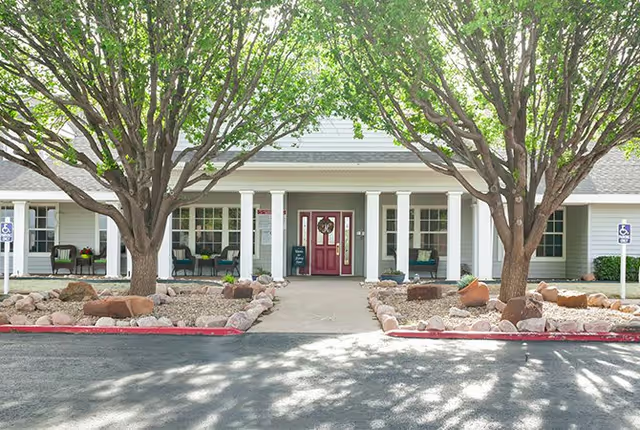
Facility amenities and activities are a clear positive: common areas are often clean and pleasant, the building and outdoor spaces are attractive, and programming supports socialization and improved mood for many residents. However, shared-room arrangements and roommate-matching have produced privacy and compatibility concerns for some families; private-room options or clearer roommate matching may address these issues.
Management and communication are another area of divergence. Several reviewers commend administrative staff for professional interactions, smooth paperwork, and follow-through, while others describe poor communication, unanswered phone calls, or leadership that does not consistently address family concerns. A small number of accounts raise serious conduct and care concerns, including issues that families associated with a resident’s decline; these are isolated but notable and indicate the importance of direct family communication, chart review, and oversight when clinical status changes.
Overall, Casa Maria demonstrates substantial strengths in therapy, community life, and in many instances compassionate direct care. The most consistent operational deficiencies center on staffing consistency, timely response to assistance calls, variability in clinical and personal-care practices, and irregularities in dining and laundry services. Prospective residents and families may wish to ask specific questions about current staffing ratios, call-response times, medication-pain management protocols, roommate policies, and how management communicates with families during clinical changes to better match expectations to the facility’s variable performance profile.