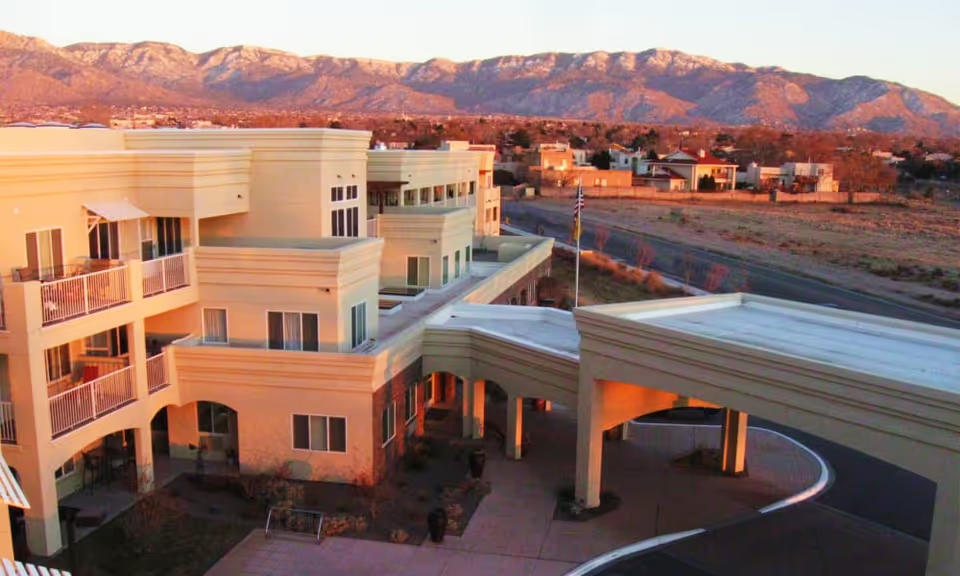
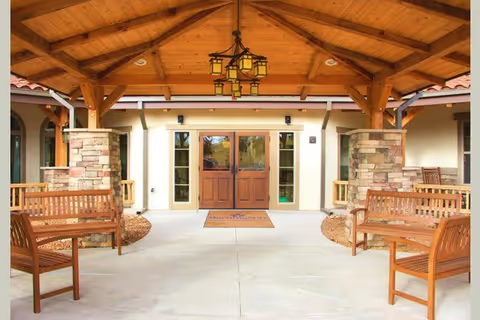
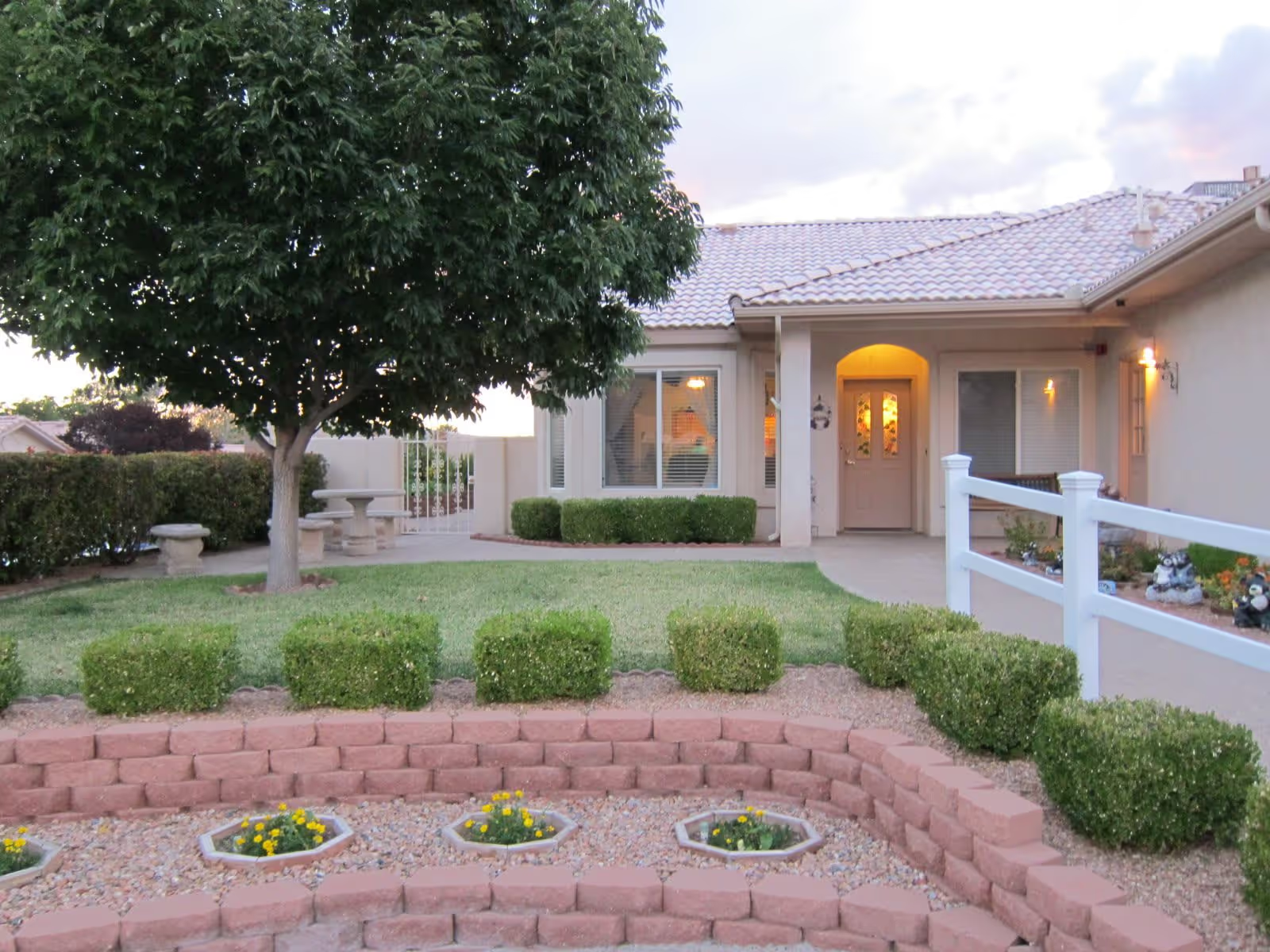
Las Soleras presents as a new, well-appointed independent-living community with many physical and lifestyle strengths. The facility's design is frequently described as bright, hotel-like and modern; common areas such as the library, theater, fitness center, salon and dining room are consistently highlighted. Outdoor spaces and recreational amenities (gardens, dog park, pickleball, walking access to trails) contribute to a campus feel. Apartment layouts are generally viewed as roomy and well organized, with ample storage and several floorplan options, which many families regard as good value given the level of amenities.
Staff interactions are a prominent positive theme: reviewers commonly note courteous, compassionate front-line staff, helpful concierge service, and instances of prompt problem resolution. That said, staffing stability is a recurrent concern. Several accounts describe leadership turnover, short staffing in key support areas, and variability in staff responsiveness. Because Las Soleras operates primarily as an independent-living community, on-site clinical resources are limited; some reviews reference therapy or nursing support being available for appointments or consults, but the community is not described as an assisted-living or long-term skilled-care provider. Important safety- and process-related concerns were raised about access-control and medication handling procedures (for example, front-desk medication administration and intervals when the desk is unsupervised); some reviews explicitly connected those procedural gaps to serious safety questions.
Dining and food service elicited strongly mixed feedback. Several residents and families praise a skilled chef, restaurant-style, cooked-to-order meals and improvements in menu quality. Conversely, other accounts describe inconsistent meal quality, long wait times linked to kitchen short staffing, and corporate-imposed constraints that reviewers feel affect food consistency. Meal-plan structures and whether meals are included with rent vary by contract, and prospective residents should confirm plan details and service hours prior to move-in.
Activity programming is generally a strength: the community offers a broad calendar of classes, lectures, live entertainment, outings and scheduled trips, with good participation reported. A few reviewers, however, described discrepancies between what was promised at tour and what was delivered (cancellations, unexpected fees or deposits for certain outings), which points to variability in program execution tied to staffing and scheduling.
Although the campus and public spaces are widely praised for cleanliness and upkeep, unit-level maintenance and construction quality are uneven in some accounts. Ongoing outside projects and expansion have been noted as disrupting resident life at times. Communication about maintenance requests and responsiveness to work orders is described as inconsistent—some families report fast resolution, others note delays or poor follow-up.
Management impressions are mixed. Sales and some administrative staff receive commendations for helpfulness and thorough tours, and a number of reviews single out improvements under new leadership. At the same time, other reviews describe periods of reduced service quality, management tone concerns, and tensions attributed to corporate policies. Taken together, the pattern is one of a high-potential, amenity-rich community whose day-to-day resident experience appears sensitive to current staffing levels, dining operations, and procedural controls. Prospective residents and families will likely benefit from an in-person visit focused on current staffing ratios, dining-schedule specifics, maintenance-response procedures, security/access-control protocols, and clarification about available clinical supports and what is included in the monthly fee.