Reviewer impressions of Northbrook Heights are mixed, with a substantial number of comments praising the direct-care staff, daily life programming, and baseline facility cleanliness, while a smaller but serious set of concerns focuses on operational, administrative, and conduct-related issues.
Care and staff: Many accounts describe compassionate, attentive caregivers and nursing staff who are responsive to residents' daily needs, assist with mobility and wound care, ensure medication administration, and make families feel supported. Aides and nurses are frequently characterized as friendly and helpful; families reported individualized attention and reliable updates from clinical staff. However, reviewers also flagged patterns consistent with staffing instability — high turnover and variability in skill mix — and identified unclear role assignments in clinical positions. These staffing patterns raise questions about continuity of care and appropriate credential deployment for complex needs.
Dining: Dining experiences are polarized. Several reviewers praised the food and meal service, noting enjoyable meals and accommodating kitchen staff. In contrast, others described inconsistent meal quality, occasional shortages of ingredients, and concerns around affordability or menu limitations. The combined picture suggests that while the dining program can be strong, its consistency and resource allocation are variable.
Activities and community life: The facility receives positive mention for a lively activity schedule and community engagement. Programs such as Bingo, exercise classes, themed events, and interactive group activities were noted as meaningful to residents; activity staff were described as energetic and personable. Reviewers also emphasized a social community and friendly fellow residents, contributing to residents’ satisfaction with daily life.
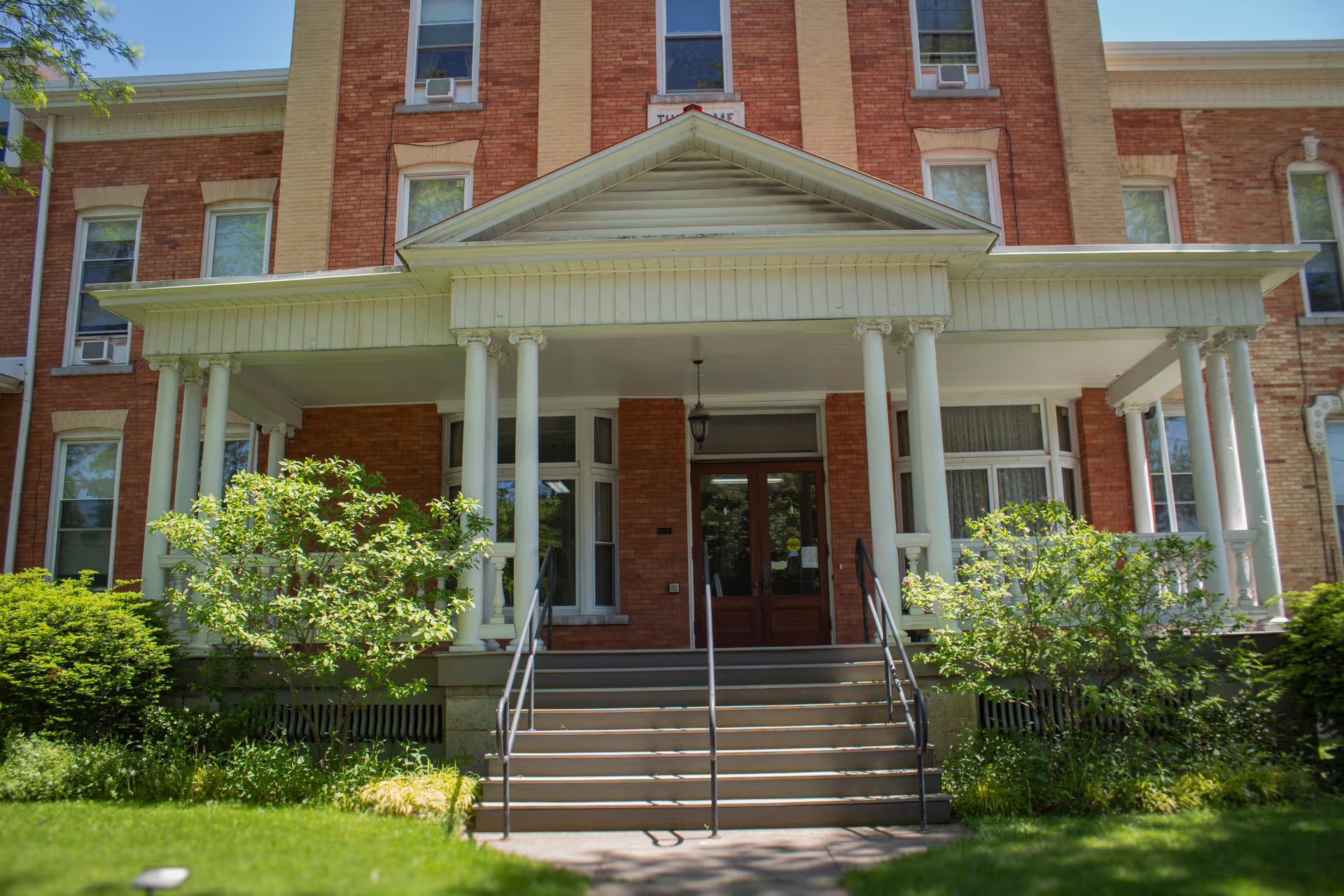
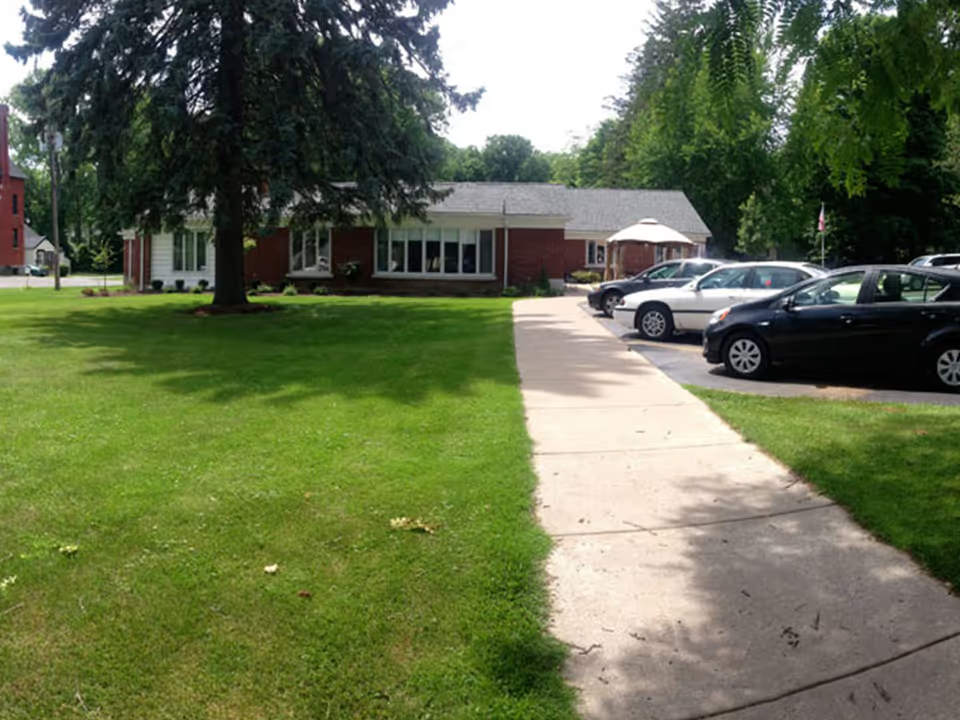
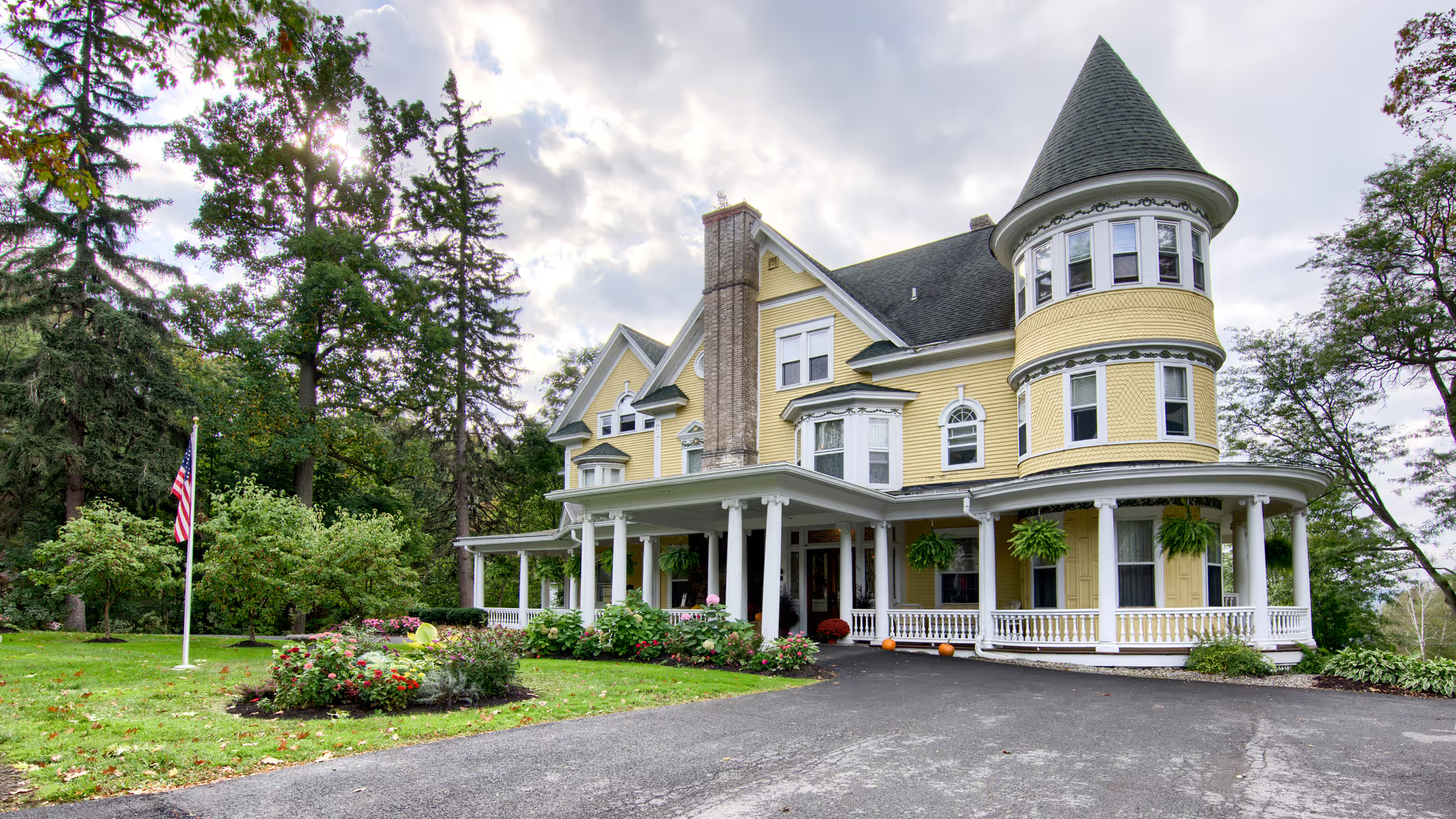
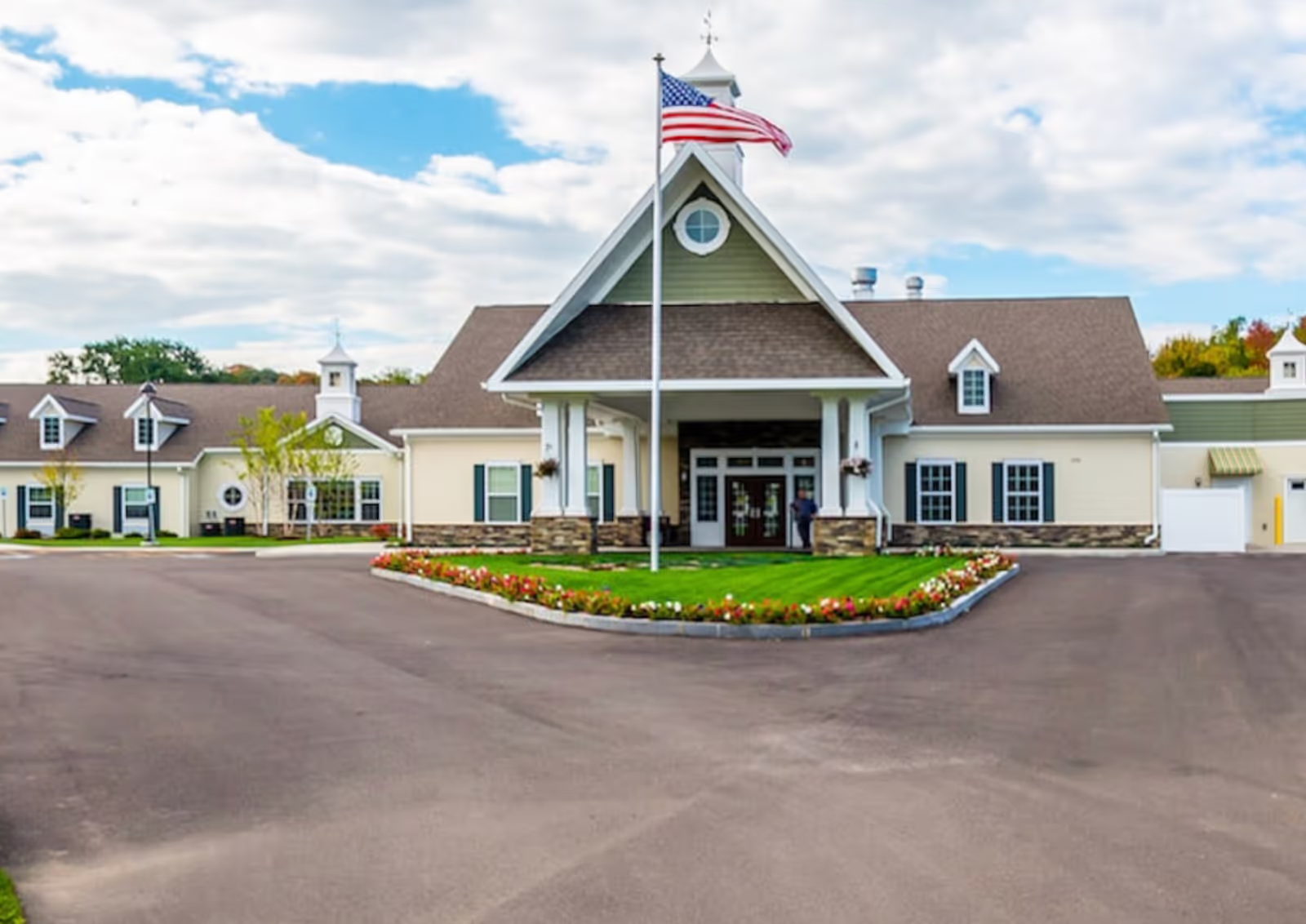
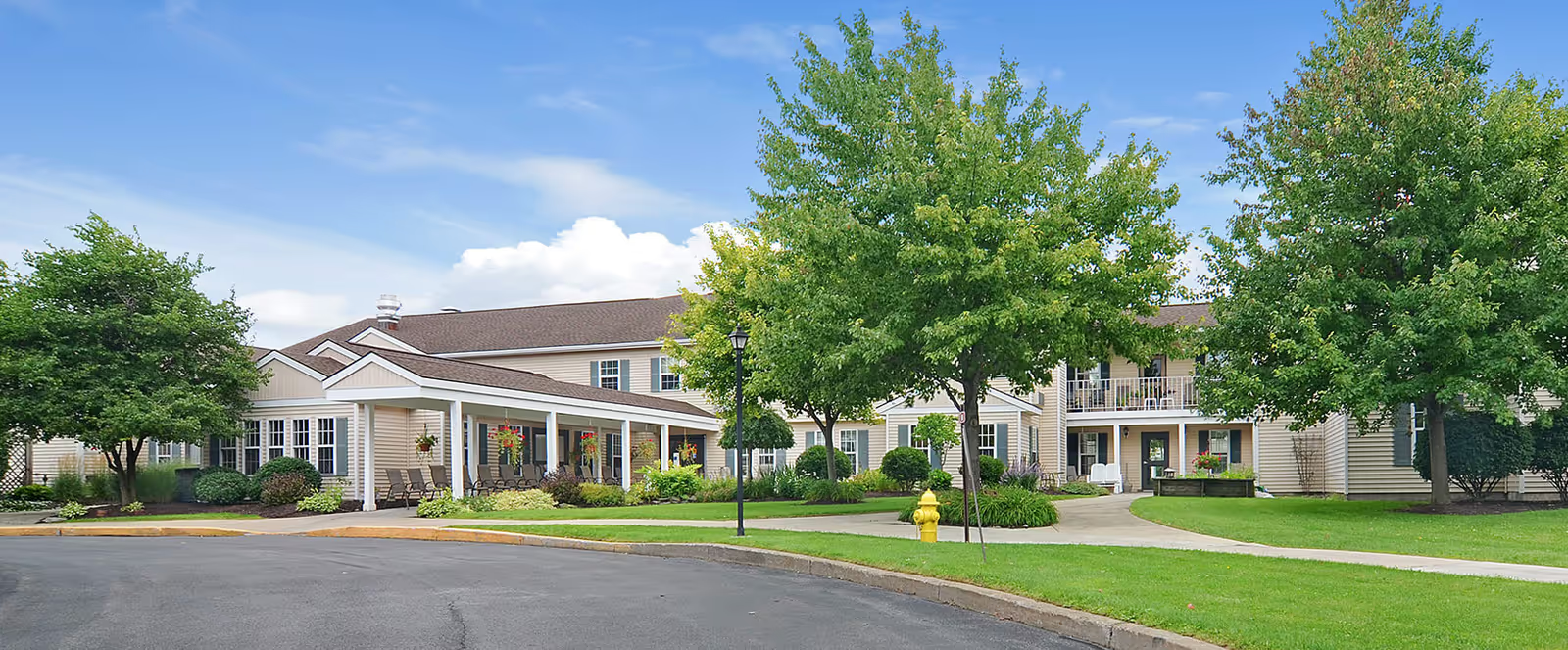
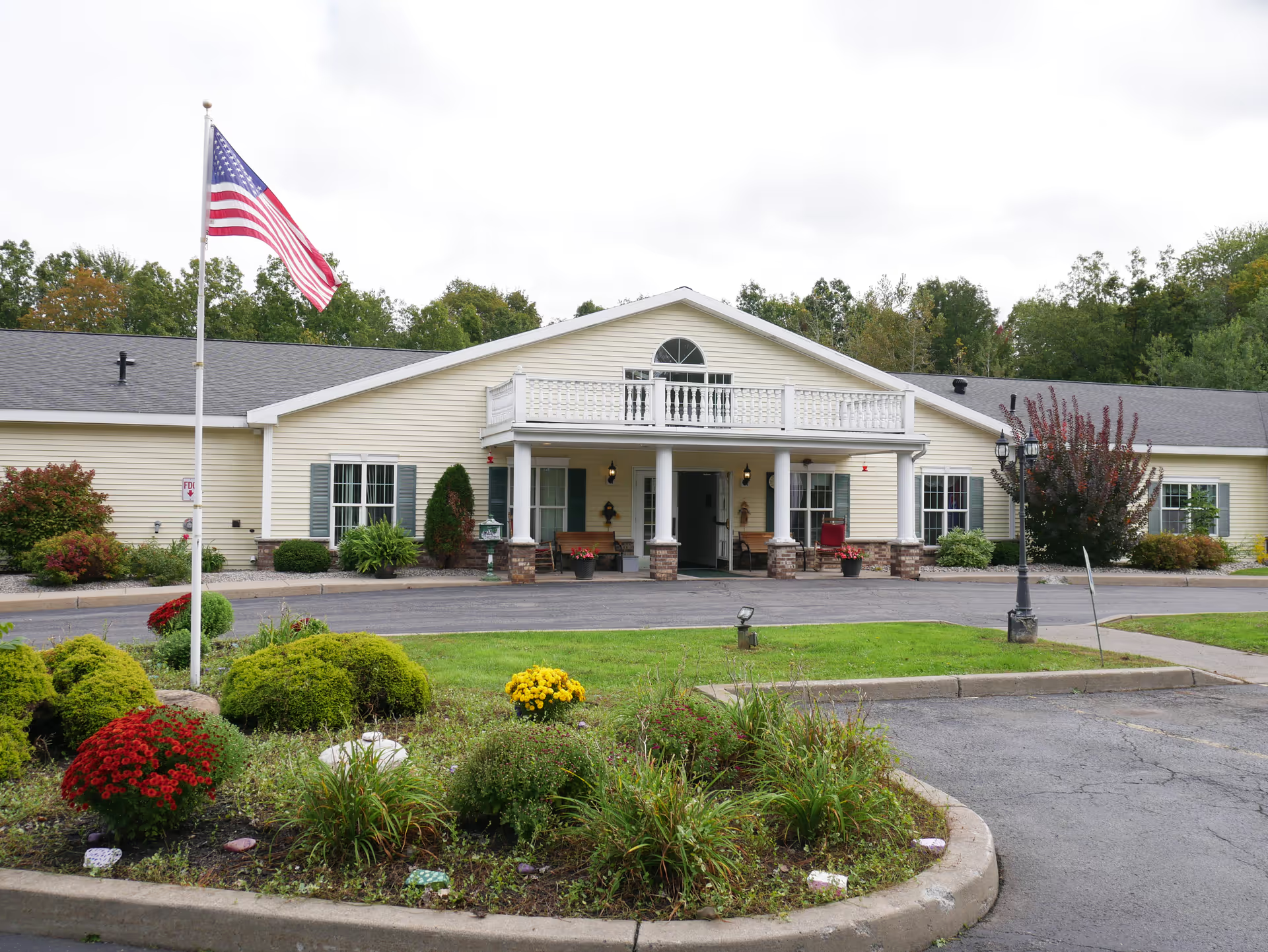
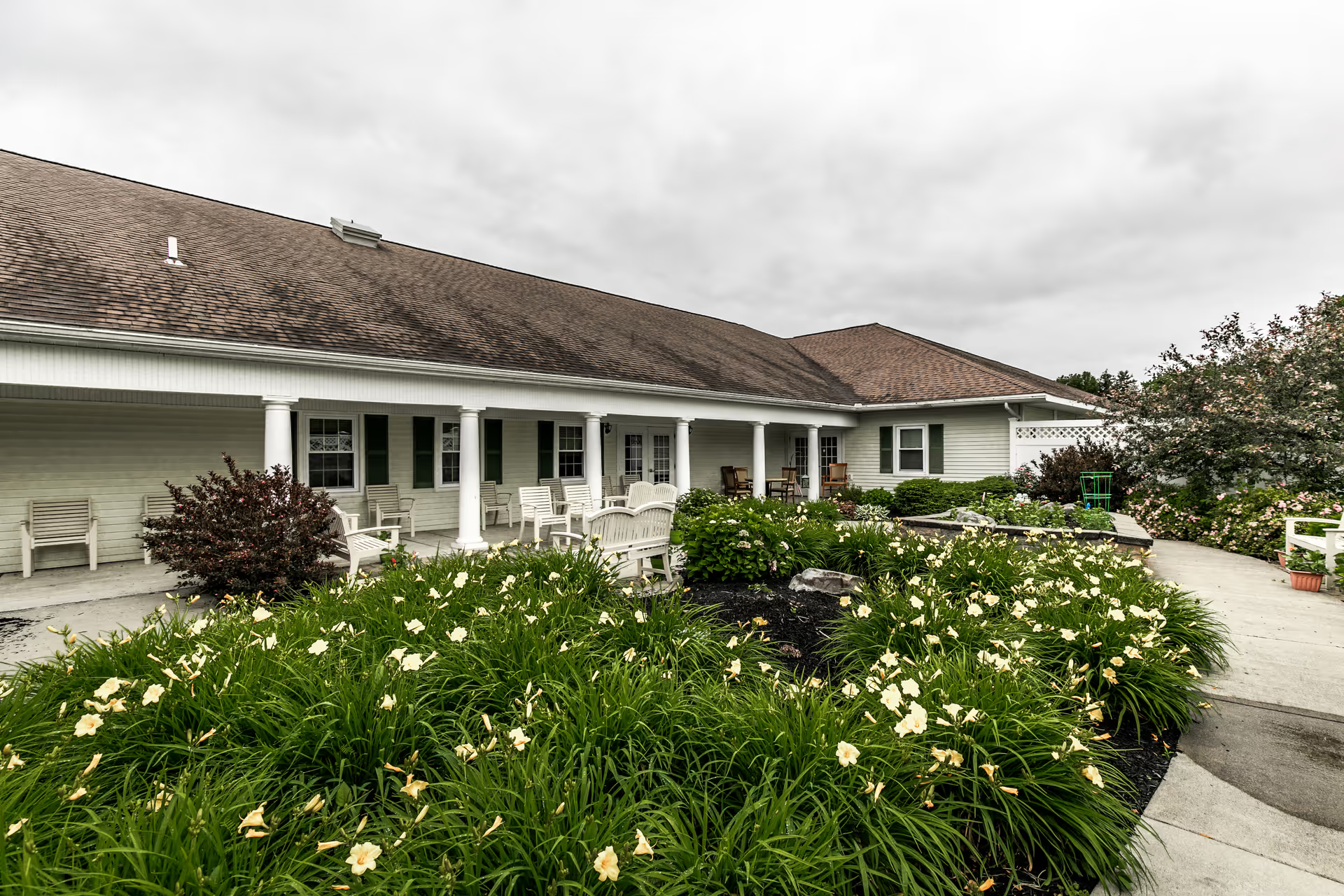
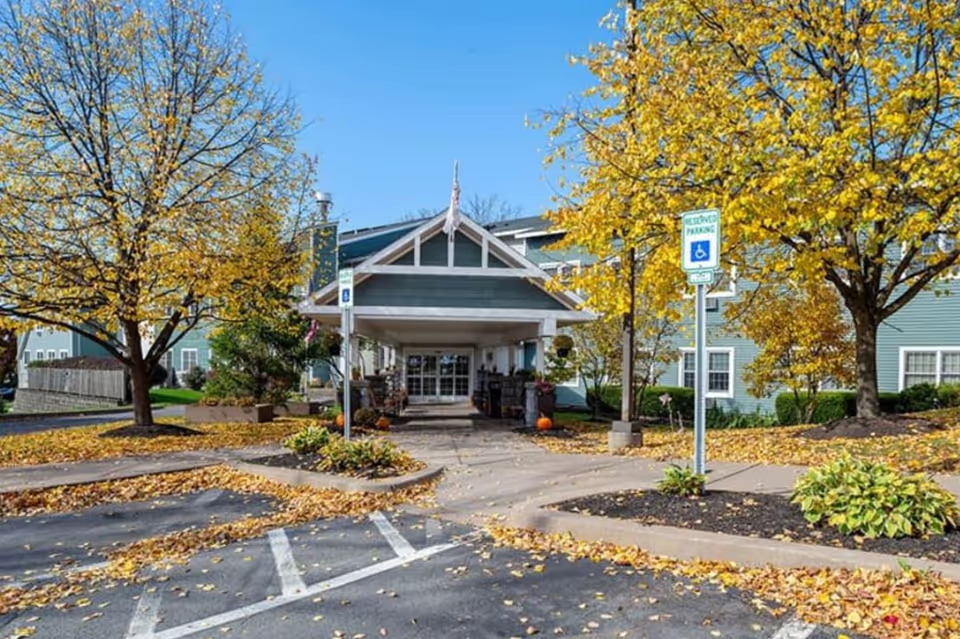
Facilities and operations: The physical environment is generally described as clean, with pleasant odors and cozy rooms for residents. Support services like laundry, room cleaning, and assistance with phones and insurance are available and appreciated. At the same time, reviewers noted limitations in living space (crowded rooms), an occasional institutional or hospital-like atmosphere in some areas, and maintenance issues such as restricted access to environmental controls. These operational matters can affect day-to-day comfort and perceived autonomy.
Management and governance: Comments about management are mixed. Some families reported improvements under new management, a smooth admission process, and responsive case workers. Conversely, there are serious administrative concerns: deficiencies in HR and benefits handling (termination procedures, COBRA and unemployment communication) and allegations of misconduct involving staff. These administrative weaknesses, together with conduct-related allegations, suggest areas where governance, human-resources oversight, and resident-safeguarding policies merit close review.
Notable patterns and considerations: Overall, Northbrook Heights appears to offer strong hands-on caregiving and an active community for many residents, but persistent operational vulnerabilities — staffing instability, inconsistent dining service, limited higher-level assisted-living options, and administrative process gaps — create variability in family experiences. Prospective residents and families should consider an on-site tour, ask specific questions about current staffing ratios and credentials, inquire about dining budgets and menu rotation, review incident and complaint handling procedures, verify availability of advanced-care services, and seek documentation on payroll/Human Resources practices and personal-item security before deciding.