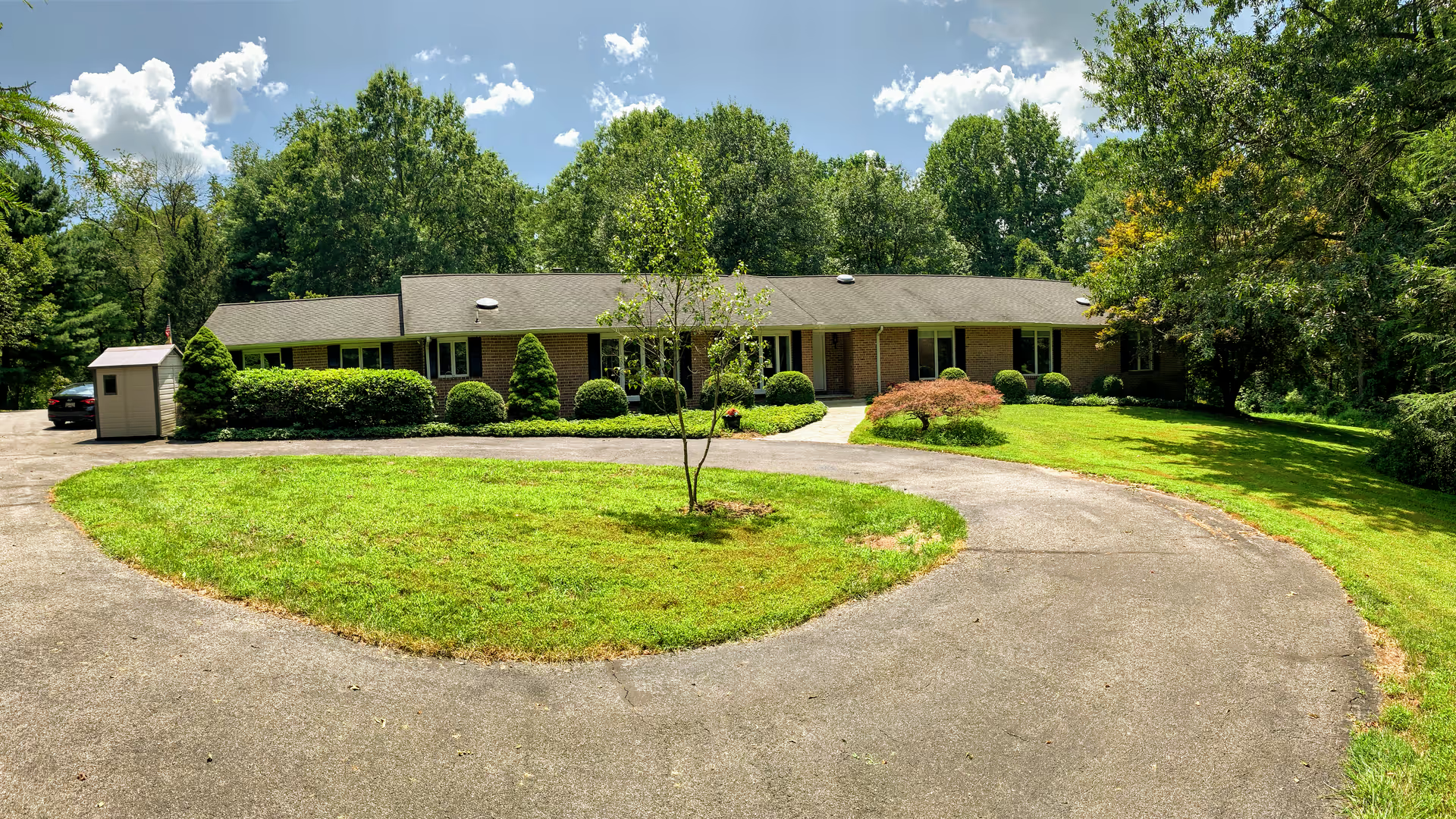
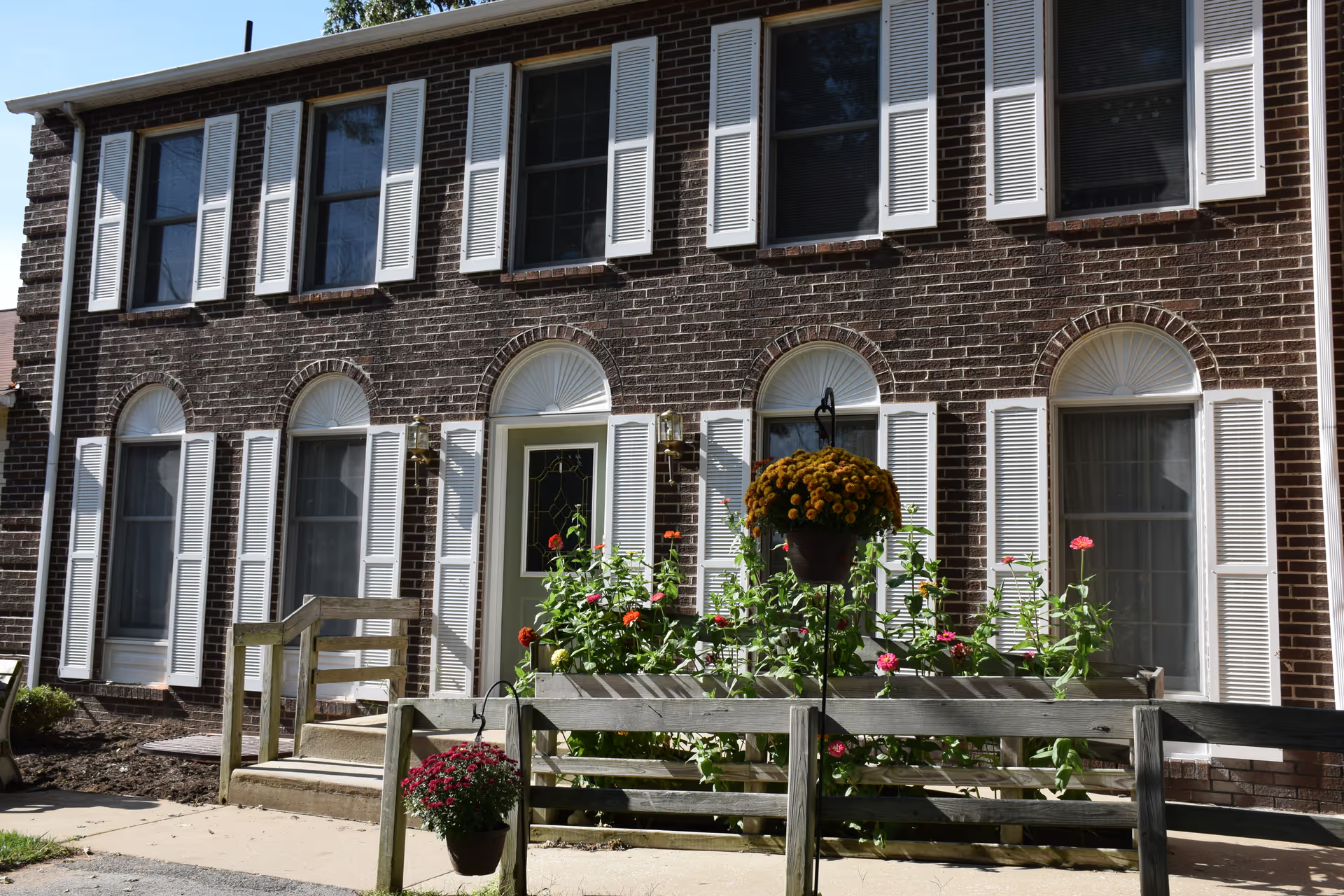
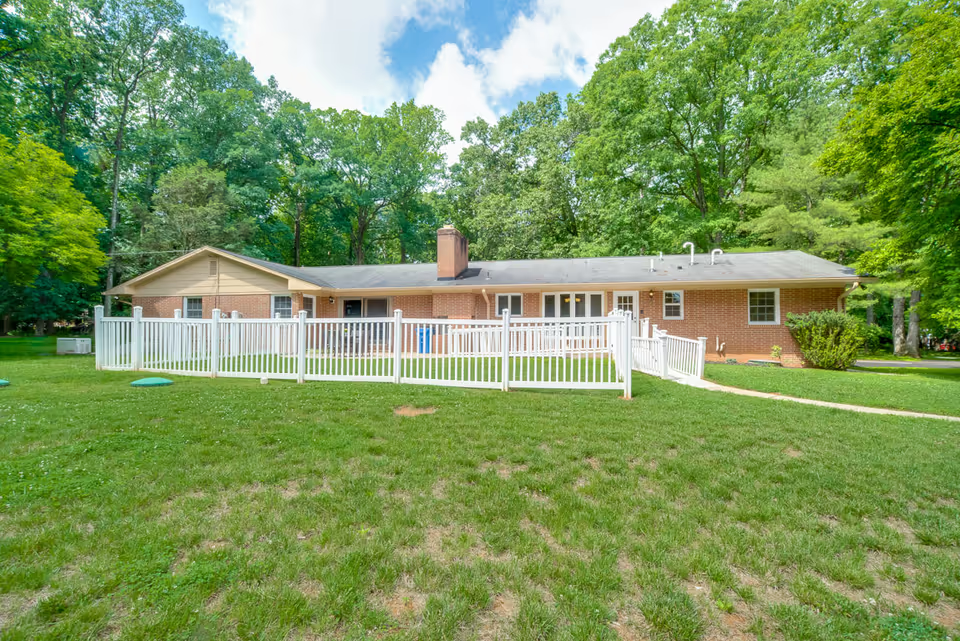
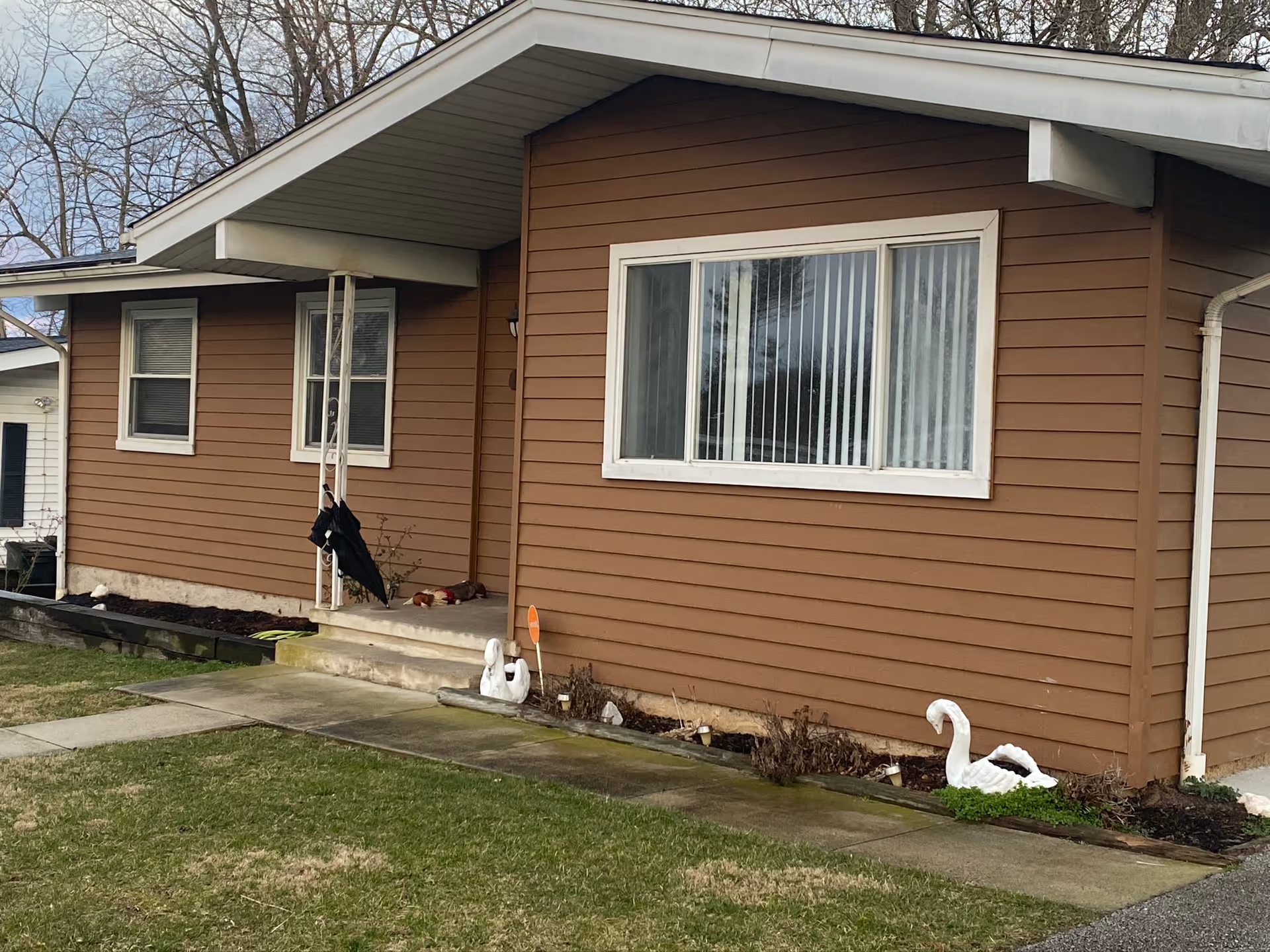
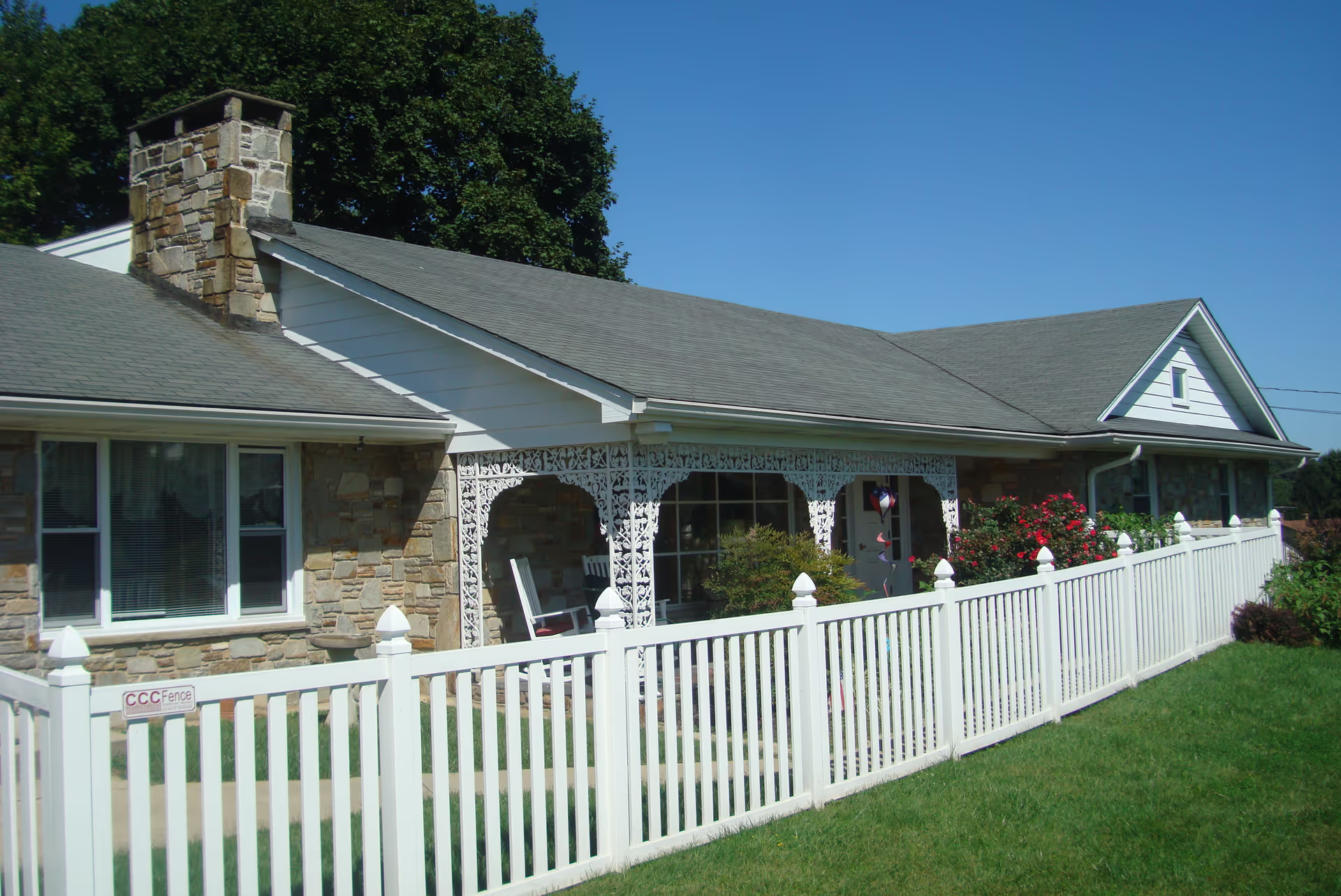
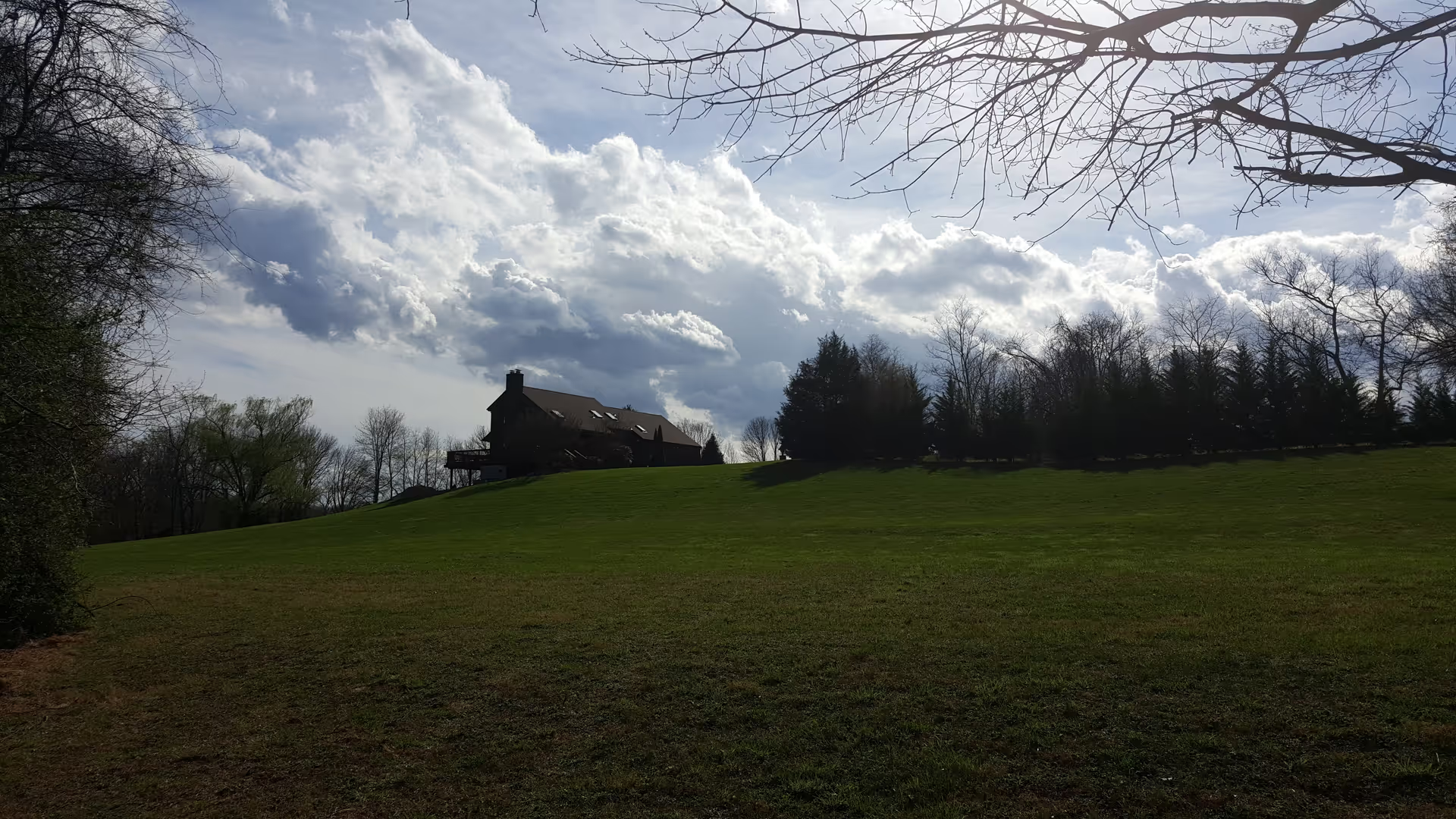
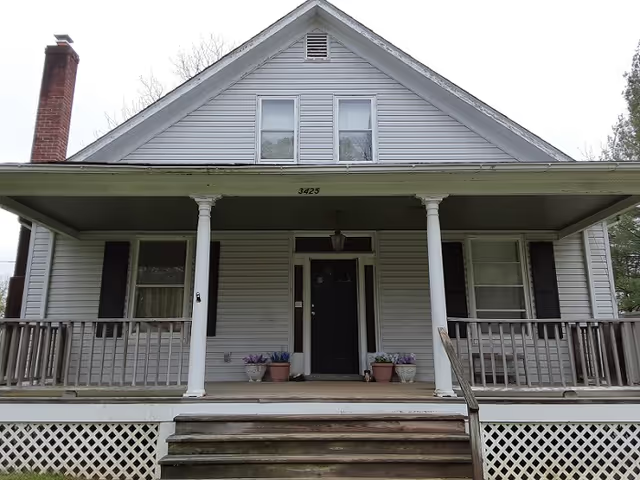
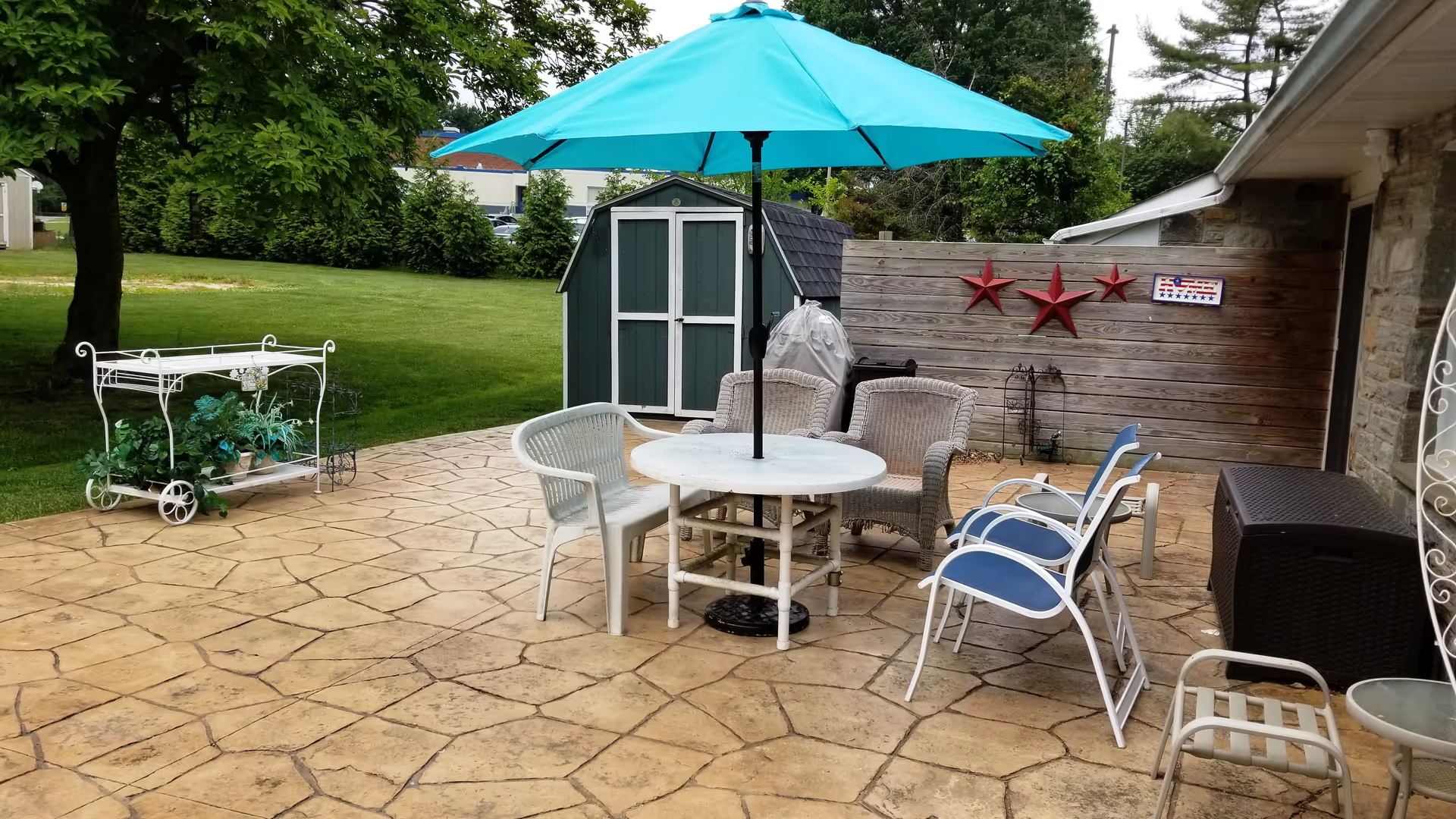
Fairhaven presents as a large, well-appointed continuing-care community with many features that families value: a wooded 300+-acre campus, accessible nature trails, a variety of housing types (cottages, villas, apartments and private suites), on-site skilled nursing and hospice, and a broad slate of social, cultural and wellness programming. Reviewers consistently praise the campus amenities — art studios, woodshop, library, pool and therapy services — and describe active resident life including musical performances, classes, clubs and frequent group outings. Dining is frequently cited as a strength, with multiple venues, buffet and bistro options, large portions and round‑the‑clock availability mentioned by families and visitors.
Care and staff impressions are mixed but lean positive in many accounts: numerous families describe compassionate, attentive caregiving, strong family communication, proactive dementia-transition planning, and staff across departments (nursing, dining, housekeeping, maintenance, transportation) who help residents maintain independence. On-site rehabilitation and therapy programs are noted as effective, and hospice/skilled nursing availability supports aging-in-place for many residents.
However, there are recurring operational concerns that prospective residents should evaluate. Clinical oversight and medication-management controls are inconsistent in some accounts, and several families reported delays in nursing responsiveness, catheter- and wound-related complications, or pressure‑care issues — suggesting gaps in clinical governance and staffing at times. Staffing variability and service reductions after management or ownership changes are described, and these appear to have affected continuity of care and some support services (for example, medical transportation and in-home nursing arrangements).
Facility-management and infrastructure issues are another pattern to consider. Multiple reviewers describe weak leadership communication, unhelpful or unreliable switchboard/front‑desk service, and opaque contract or billing practices (including entrance-fee refund delays and billing disputes). Physical plant concerns — recurring leaks, HVAC and hot-water problems, elevator outages, and what some reviewers called superficial renovations — point to deferred maintenance in parts of the campus. Laundry and sanitation processes in support areas were also described as inconsistent by some families.
In summary, Fairhaven offers many strengths typical of a full-service continuing-care retirement community: attractive grounds, diverse activities, robust dining, and an array of on‑site clinical services that enable many residents to age in place. At the same time, variability in clinical oversight, staffing levels, management communication, and building maintenance has led to both highly positive experiences and serious negative ones. Prospective residents and families should tour multiple living areas (independent, assisted, skilled), ask for recent staffing and clinical governance metrics, review contract and refund terms carefully, and speak privately with long-term residents about unit‑specific conditions before making a decision.