Feedback for Second Home Senior Living is overwhelmingly positive and emphasizes a small, home-like model of care that many families find reassuring. Care quality is described as attentive and empathetic: staff are characterized as professional, kind, and well trained, and families cite continuity of caregiving and individualized care plans that accommodate personal preferences and end-of-life (hospice) needs. Owner/manager involvement is highlighted as a strength for communication and responsiveness; families report being kept informed and involved in care decisions.
Dining and daily living are frequently noted as distinguishing features. Meals are described as home-cooked, fresh, and well prepared, with personalized meal options and frequent treats noted. Reviewers also point to additional onsite services that support daily life and wellbeing, such as hair styling, fitness instruction, and in-home health visits, which complement the hands-on caregiving model.
Social programming appears structured and community-oriented. Activities listed include music, painting, sing-alongs, group walks, exercise classes, holiday and birthday parties, and other family events; pet-friendly visitation and wildlife on the grounds are mentioned as contributors to a restorative atmosphere. The small resident census supports close social bonds among residents and staff and fosters a family-like environment.
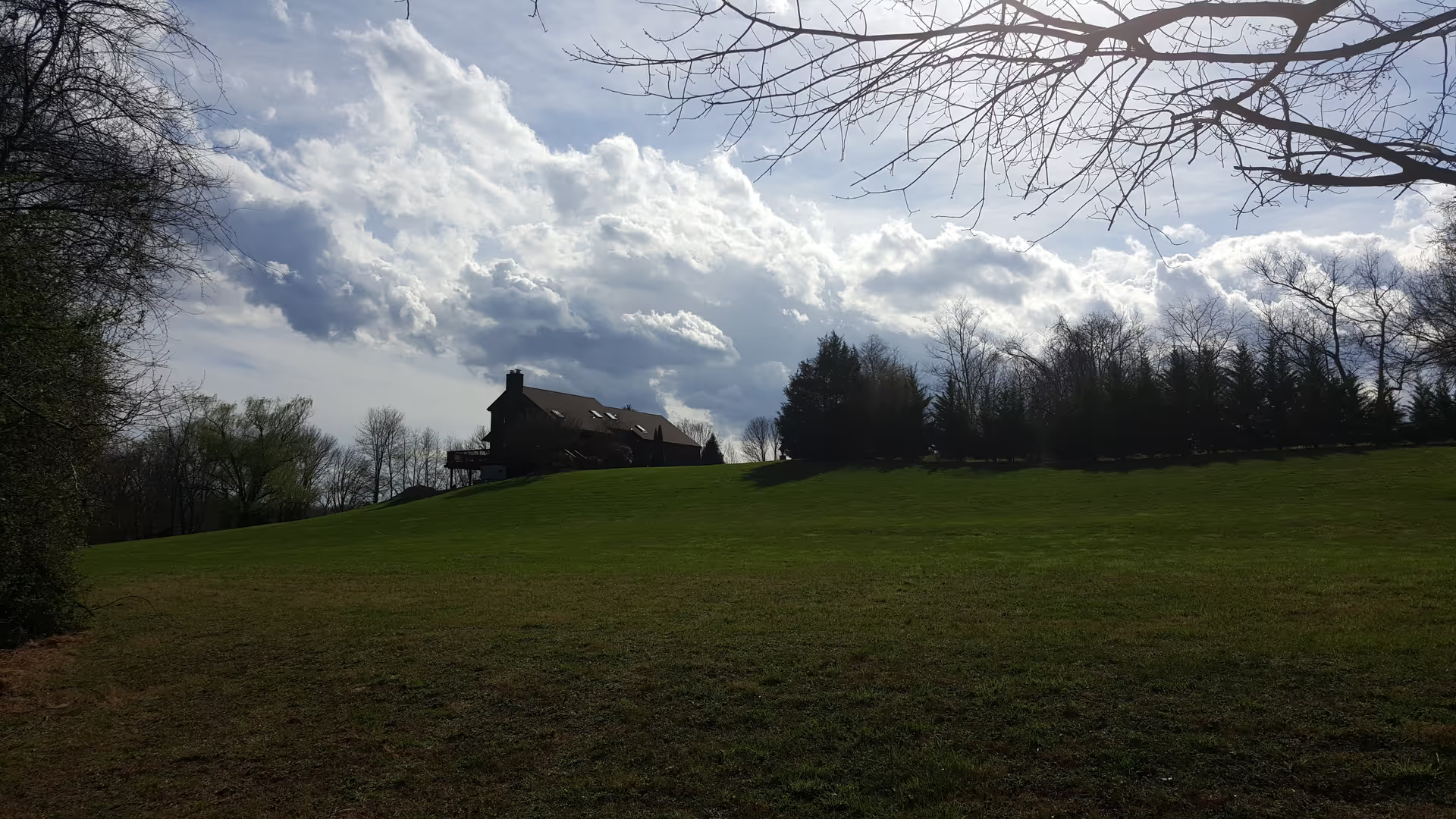
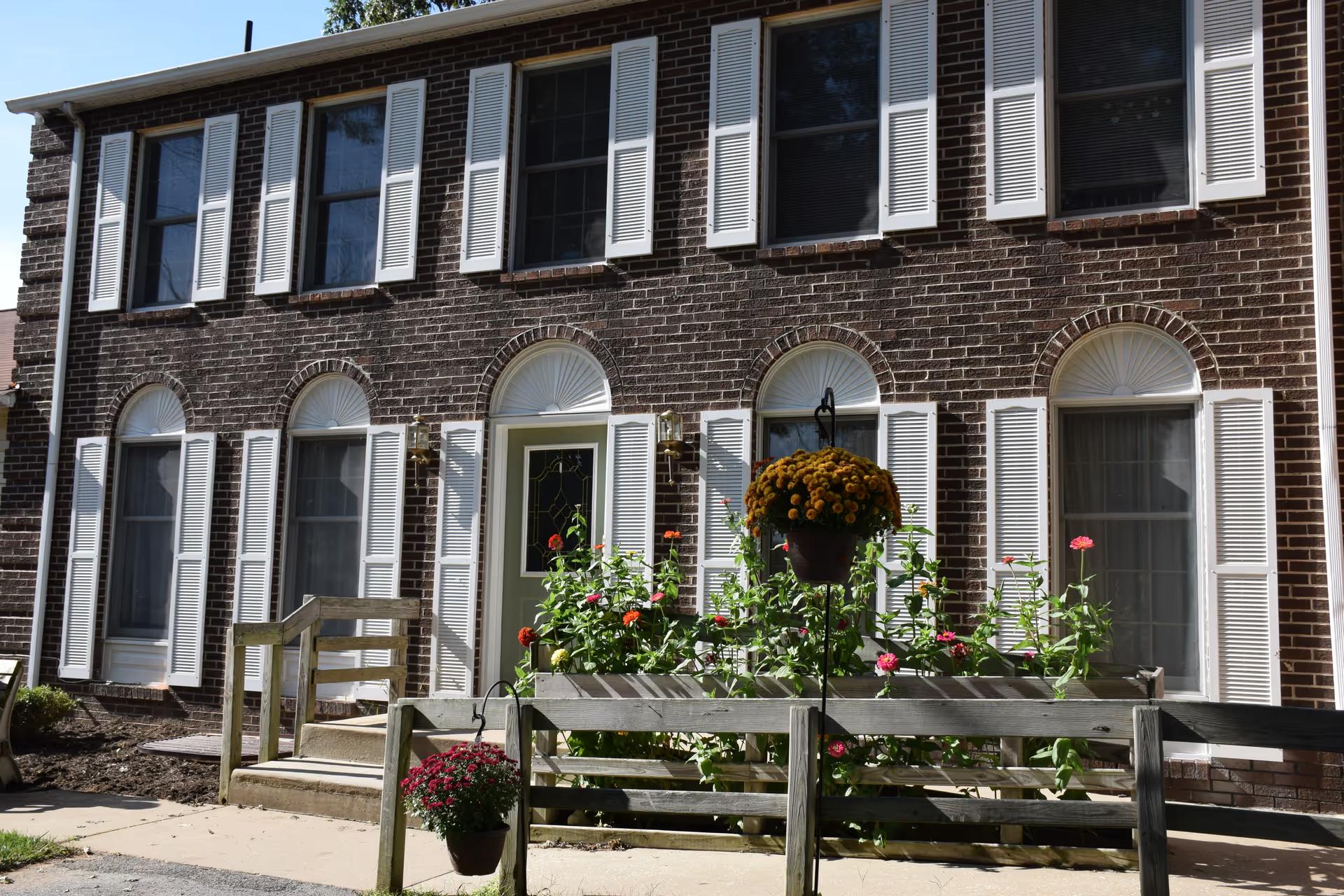
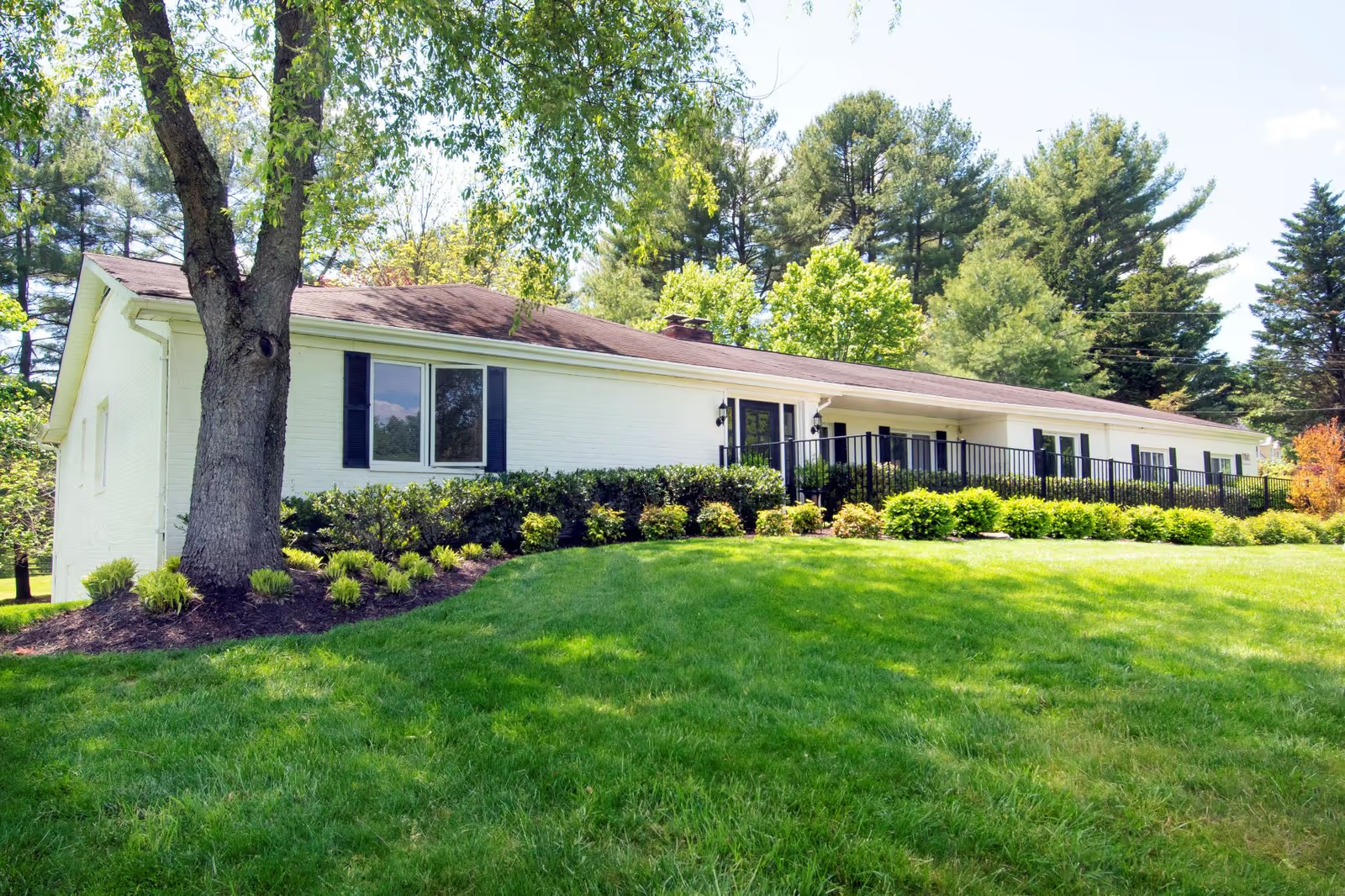
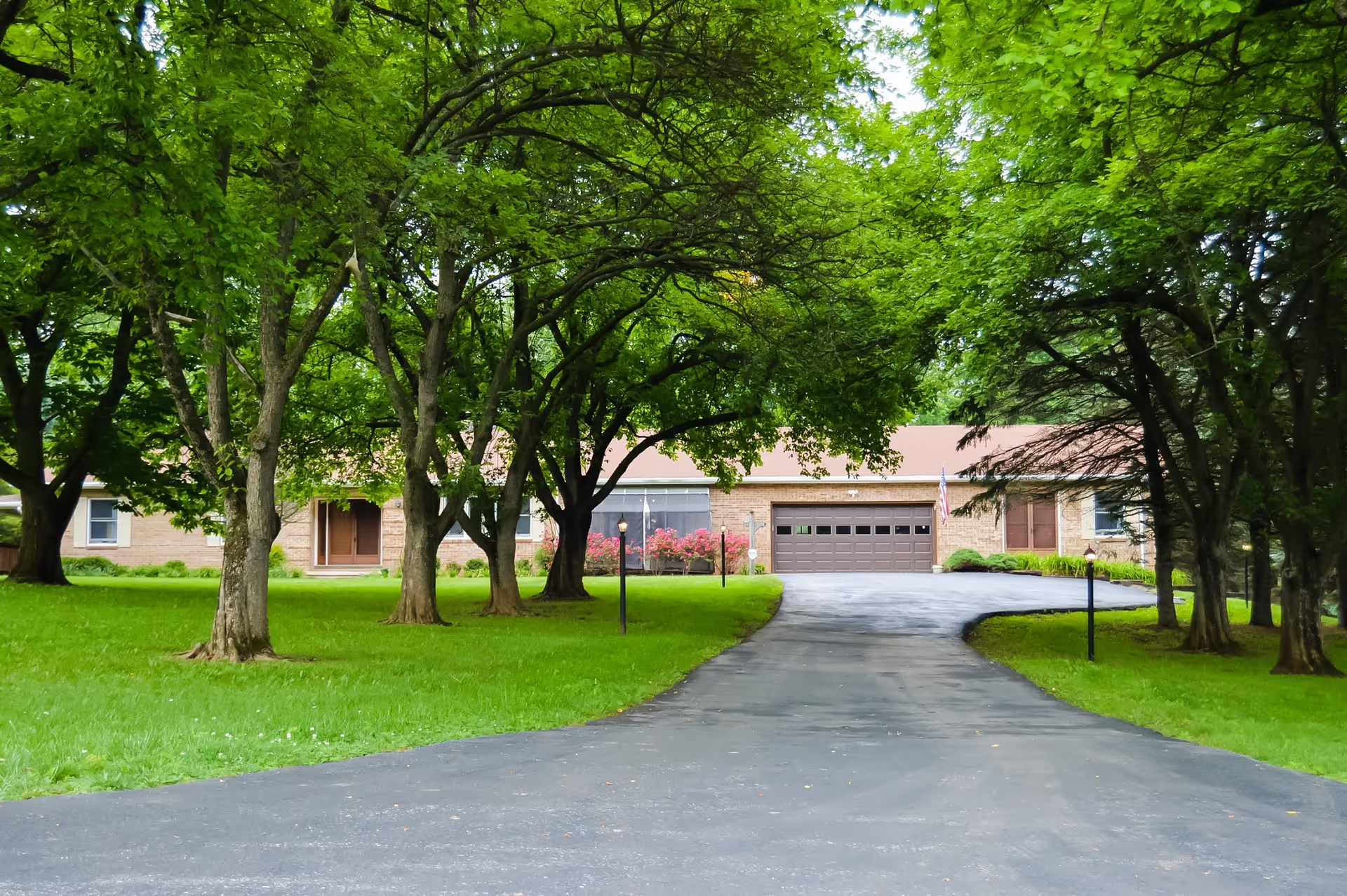
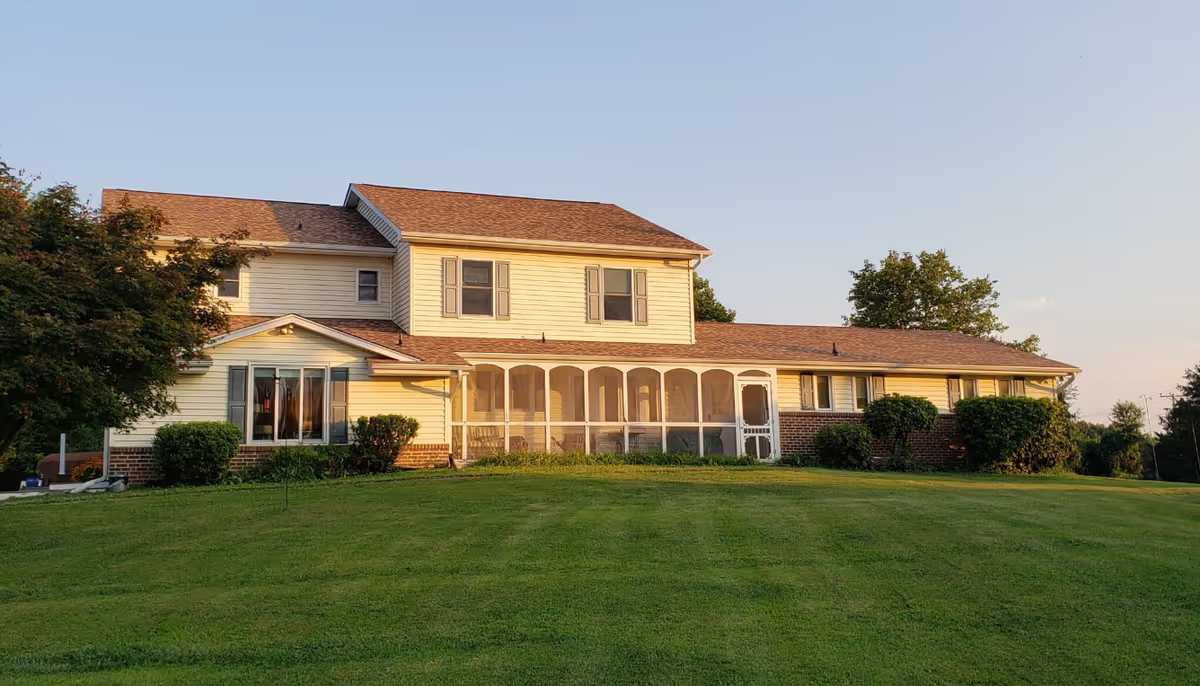
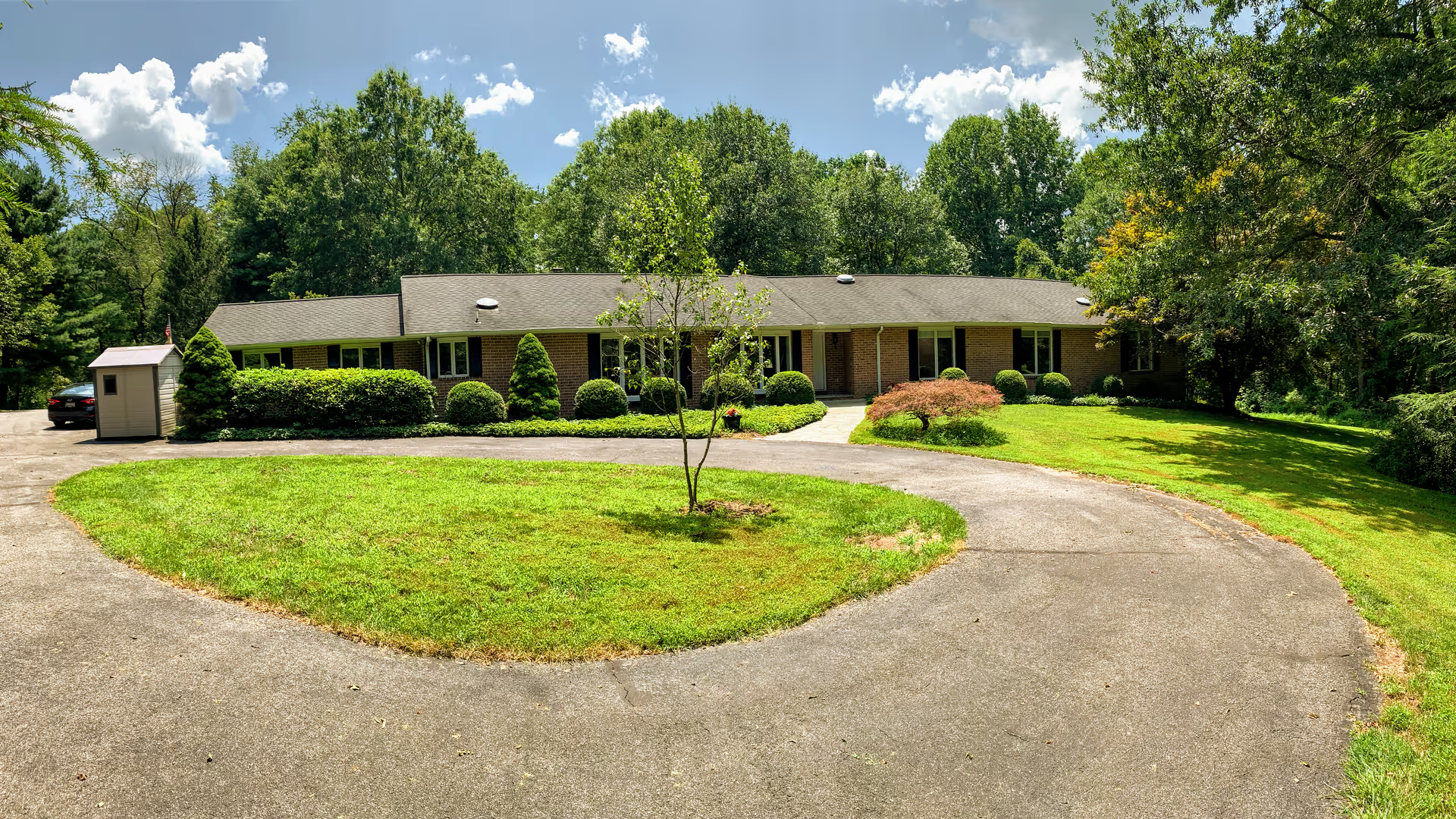
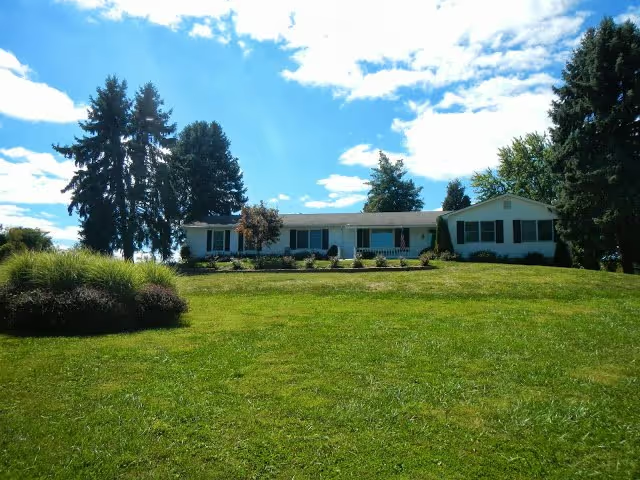
Facilities are consistently described as clean, modern, and well maintained. Private rooms are characterized as spacious and well decorated, and the property offers an open floor plan and outdoor patio set on multiple acres with natural surroundings. Safety and accessibility features, such as door alarms and wheelchair access, are also cited.
Notable patterns and trade-offs: the small scale (often cited as eight or fewer residents) is central to the facility’s identity and underpins many of the reported strengths—personalization, close staff relationships, and a quiet, residential setting. That same small scale suggests operational trade-offs: limited total capacity, a narrower range of on-site specialized clinical services than larger institutional providers, potential reliance on a single owner/manager for operational continuity, and activity programming that is naturally constrained by the resident mix. Families seeking a highly personalized, residential alternative to larger, more clinical settings are likely to find this model appealing; those needing a broader spectrum of in-house medical specialties or larger-program diversity should assess how the facility coordinates external clinical support and emergency response capabilities.