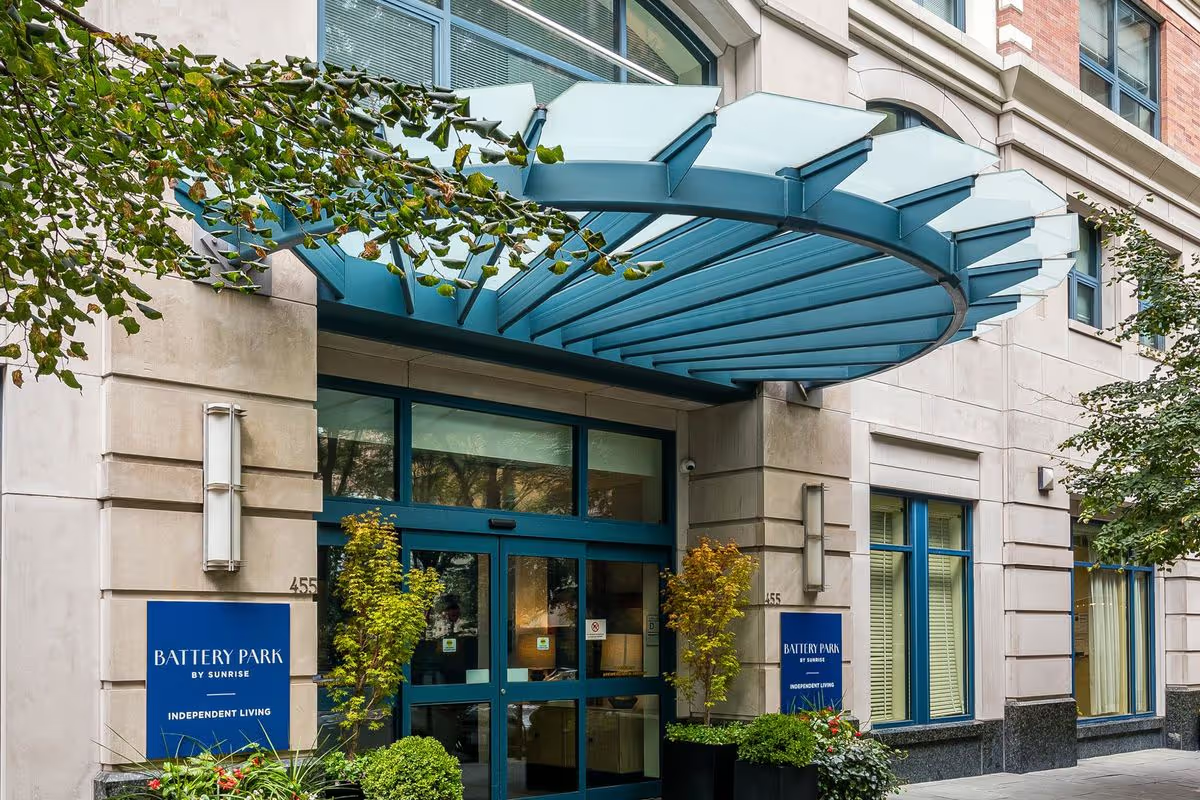
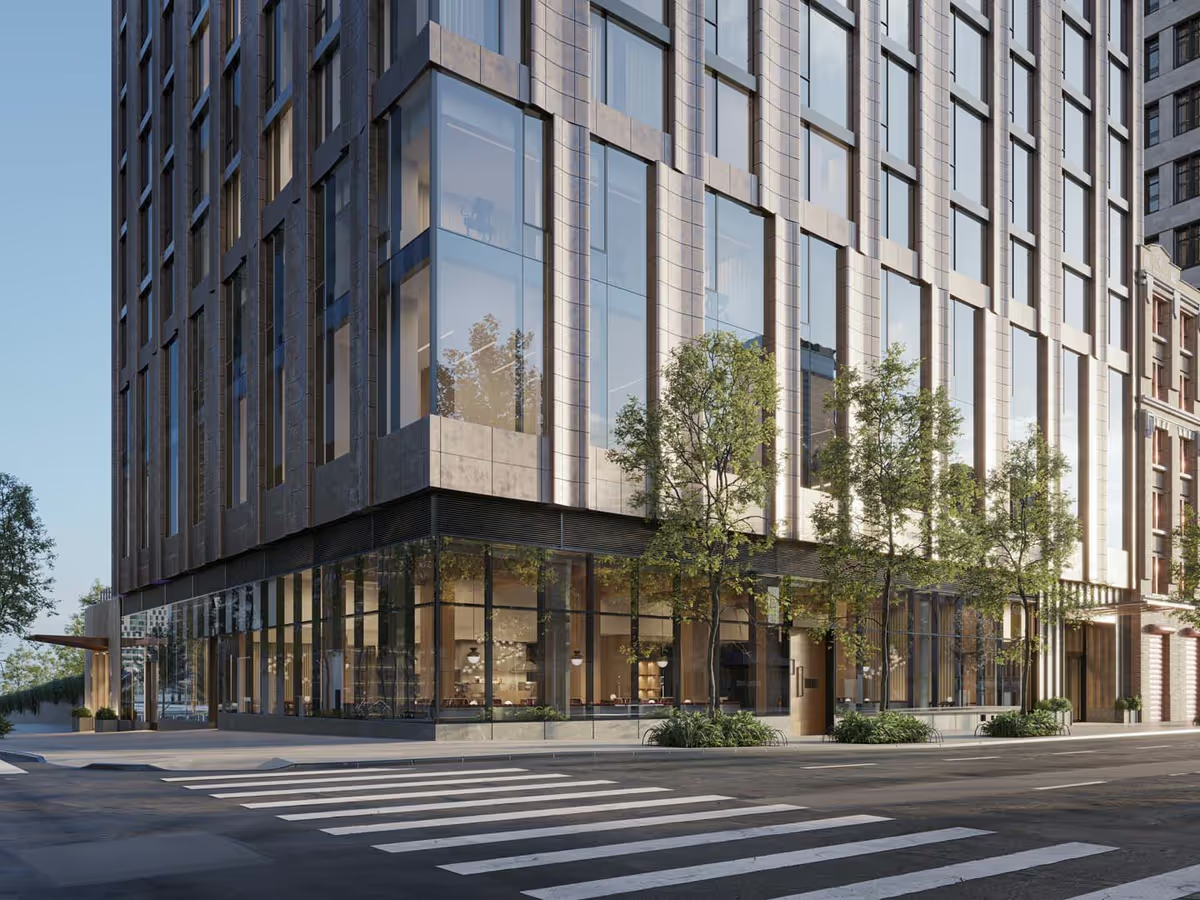
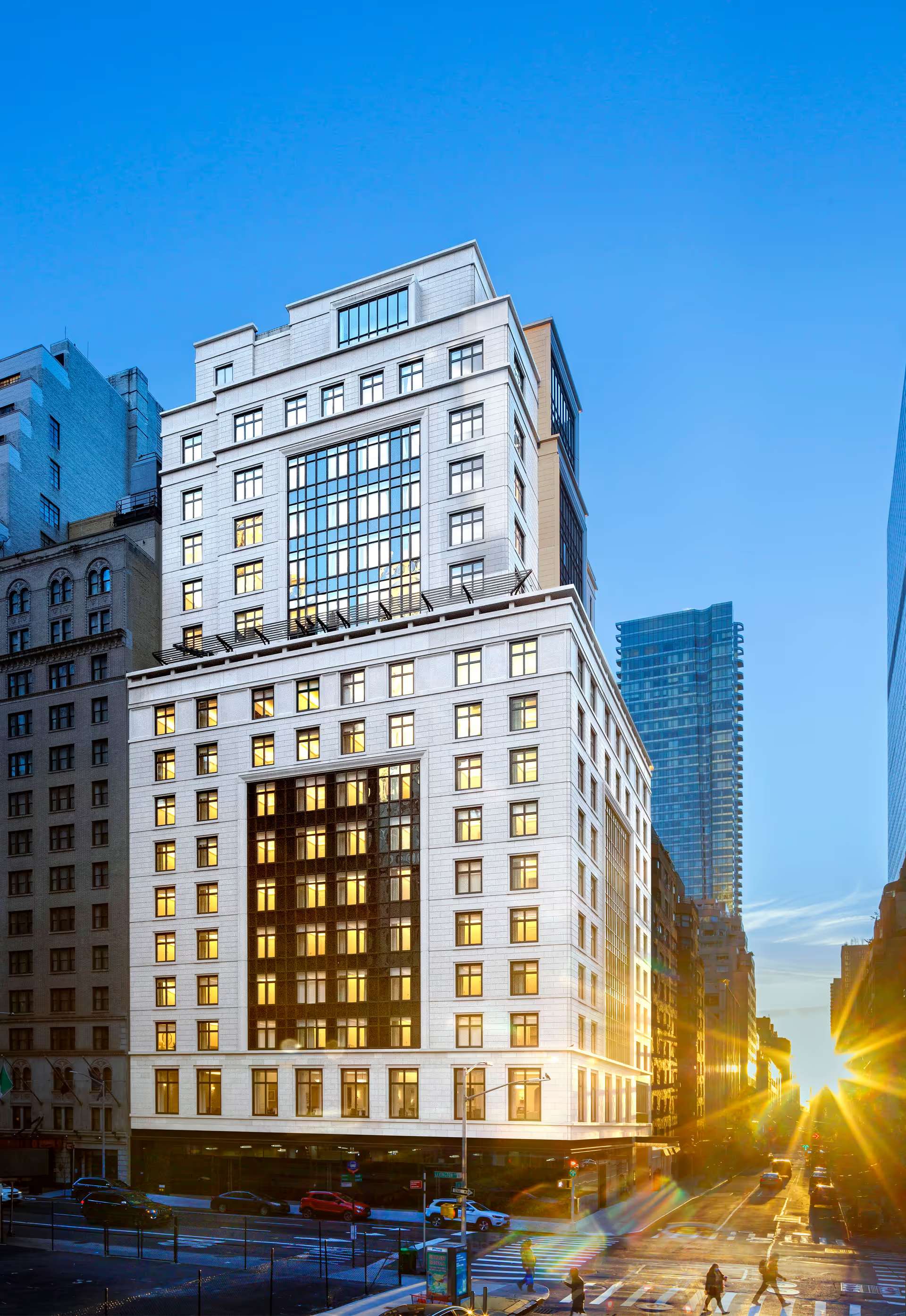
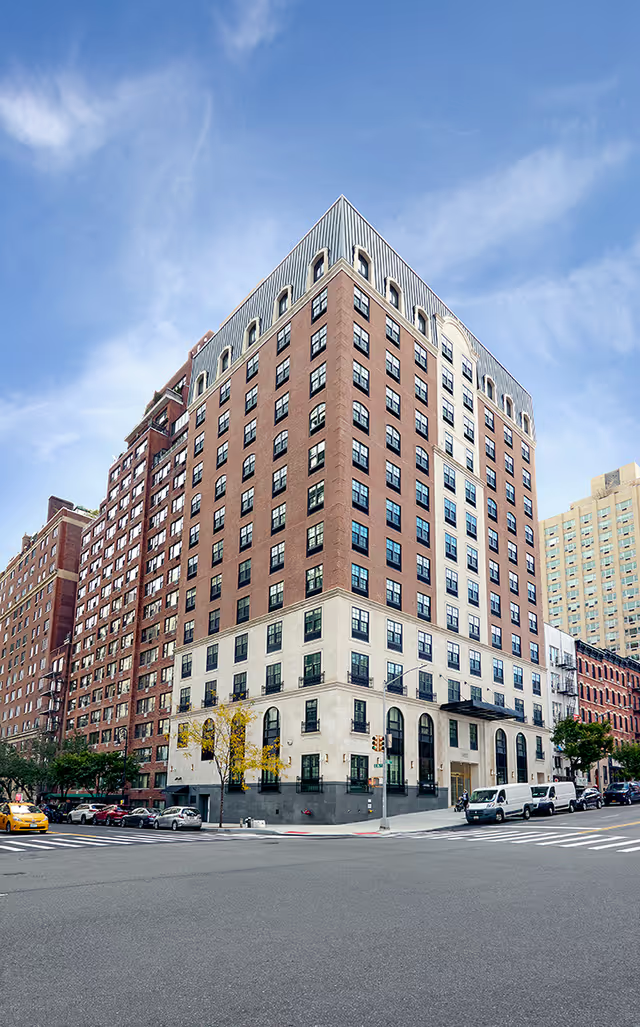
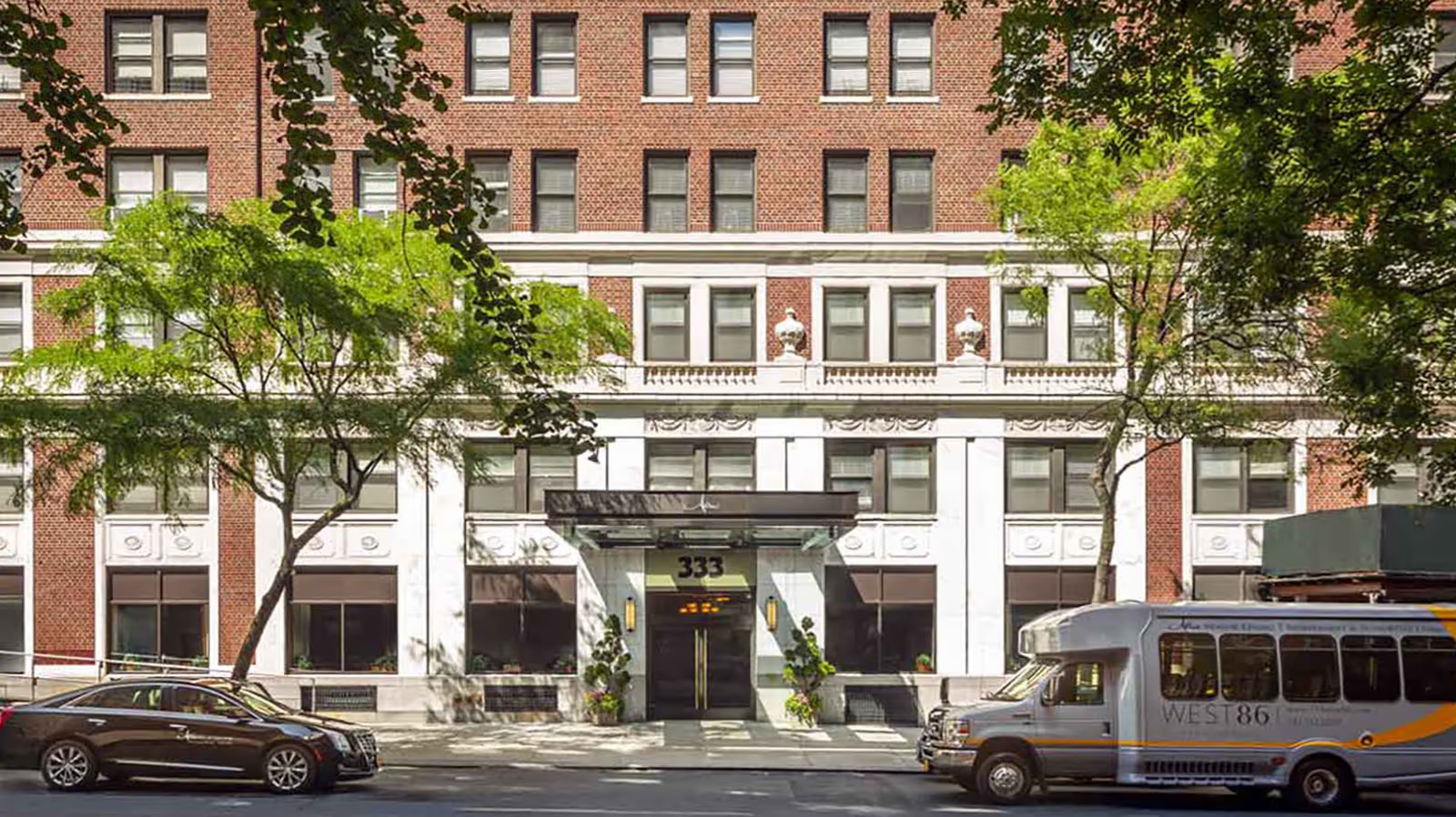
The Watermark at Brooklyn Heights is consistently described as a high-end, well-appointed senior residence that combines renovated historic architecture with modern, hotel-style amenities. Its rooftop terrace, often singled out for Manhattan skyline and bridge views, and an extensive offering of on-site spaces—indoor pool, fitness center, salons, theater, art studios, gallery and multiple dining venues—are central strengths. Reviewers emphasize a bright, tasteful interior and a range of public spaces that support socializing, the arts and frequent cultural outings.
Staff and care are prominent themes. Many accounts highlight welcoming front-desk and concierge personnel and compassionate nursing and caregiver teams; families praised individualized attention, 24-hour assistance, and particular staff members and activities directors for creating a warm, home-like atmosphere. At the same time, reviewers point to operational weaknesses that can affect care experience: staffing levels appear uneven at times, leadership and families have noted turnover, and there are examples of slower care-coordination and wellness-office communication. Mobility-assistance and emergency-response practices were described as inconsistent in multiple accounts, and some reviewers raised concerns about medication-management controls. These patterns suggest the facility’s clinical and operational reliability may vary by shift or unit.
Dining and hospitality are mixed. The property supports multiple restaurant-style venues and there are numerous enthusiastic references to excellent servers and special events. Several reviewers praised specific chefs and noted improvements under new culinary leadership; conversely, others described meals as unimpressive or uneven, indicating variable culinary quality across services. The community is clearly structured to host private events and celebrations successfully, with staff often cited for attentive, personalized service.
Programming and resident life are clear strengths: an active calendar of concerts, lectures, outings (e.g., Lincoln Center, museums, botanical gardens), arts programming, clubs and fitness classes fosters engagement and a sense of community. The availability of on-site rehabilitation, physical therapy and water-aerobics supports residents with varying care needs, and the property houses independent, assisted and memory-care levels, providing a unified campus option for aging in place.
Notable patterns for prospective residents and families: while the Watermark delivers upscale amenities, a strong social culture and many examples of attentive care, there are recurring operational areas to probe during a visit—culinary consistency, staffing stability and training, medication-management protocols, and emergency-response procedures (including mobility-assistance and alarm response). There are also isolated sanitation and pest-control concerns mentioned; these should be clarified during a tour. Cost is described as high; families should weigh the price against the level and consistency of clinical services they require.
Practical suggestions when evaluating this community: schedule a meal service tasting, meet with the wellness and nursing leadership to review staffing ratios and medication/incident protocols, observe mealtime and activity periods, visit the rooftop and event spaces, and ask about recent turnover and ongoing training initiatives. Doing so will help align expectations around hospitality and lifestyle strengths with the facility’s operational realities for clinical care and responsiveness.