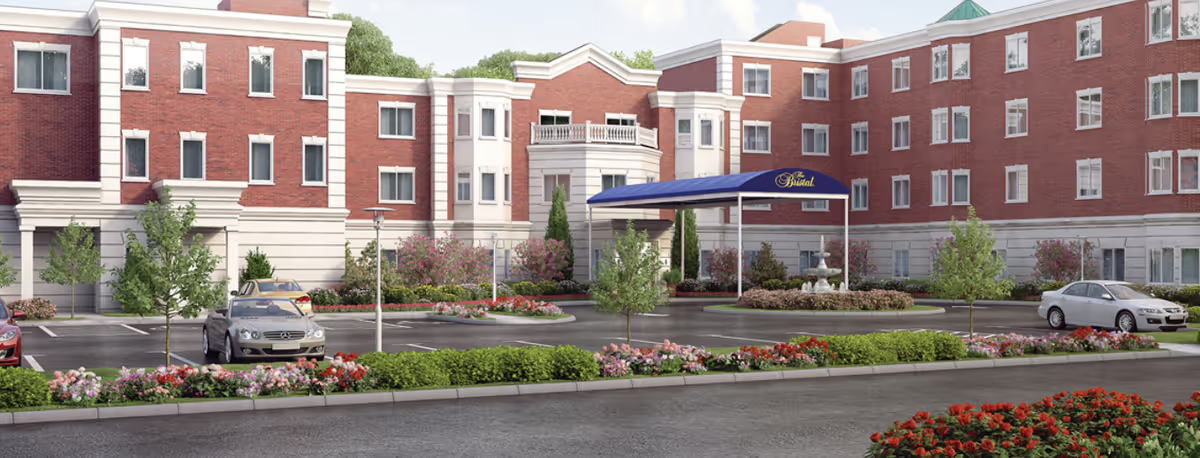
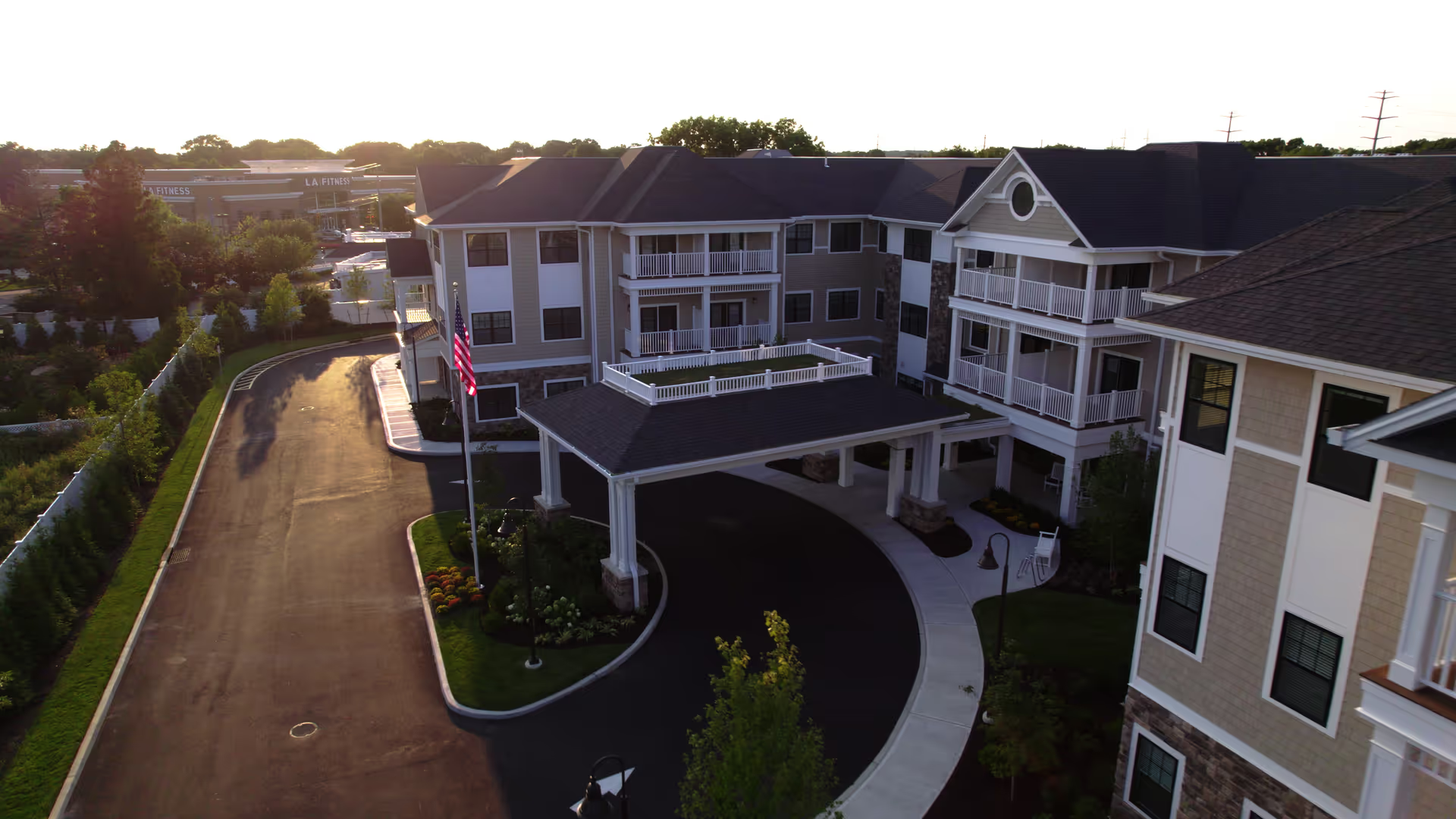
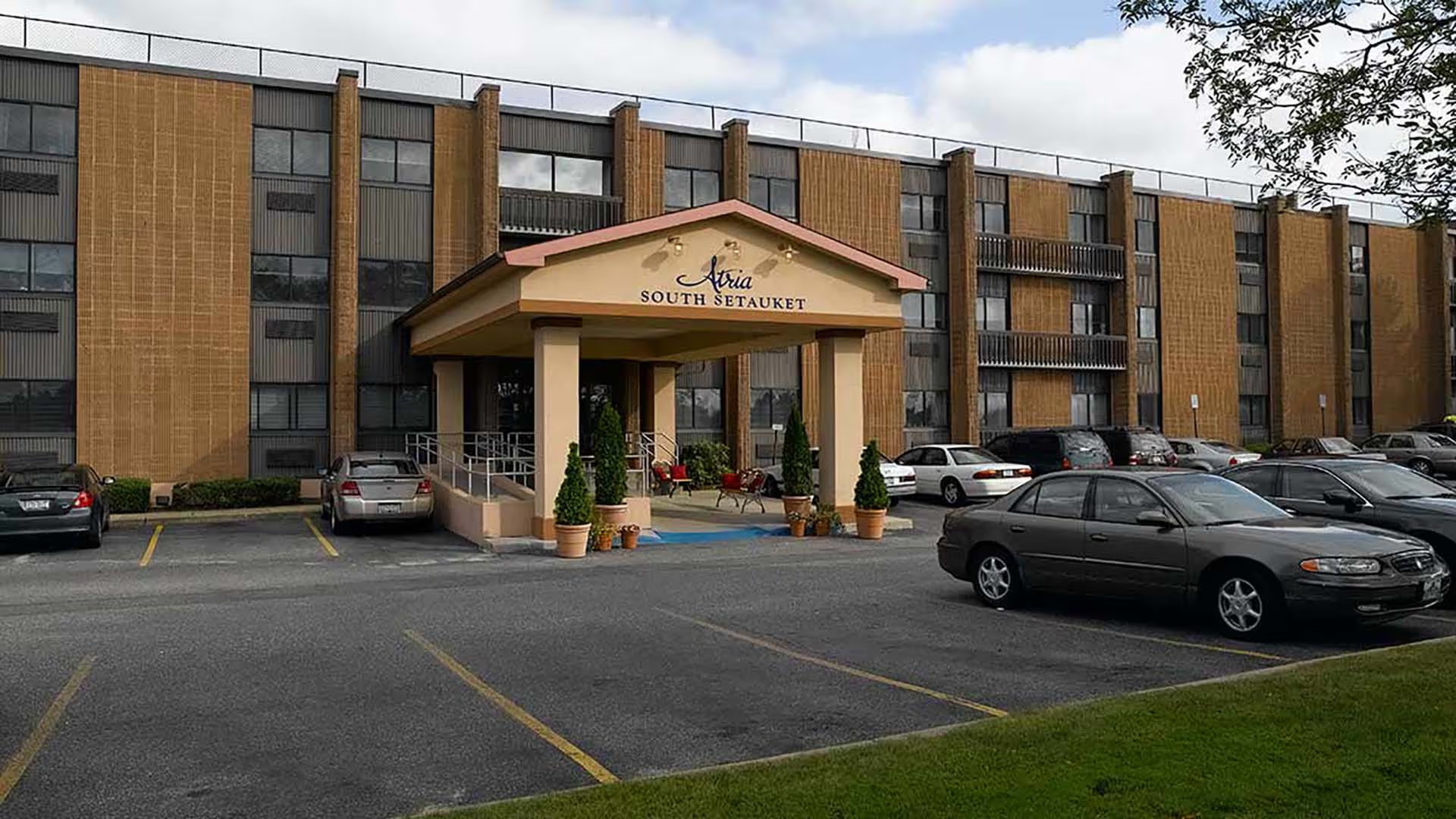
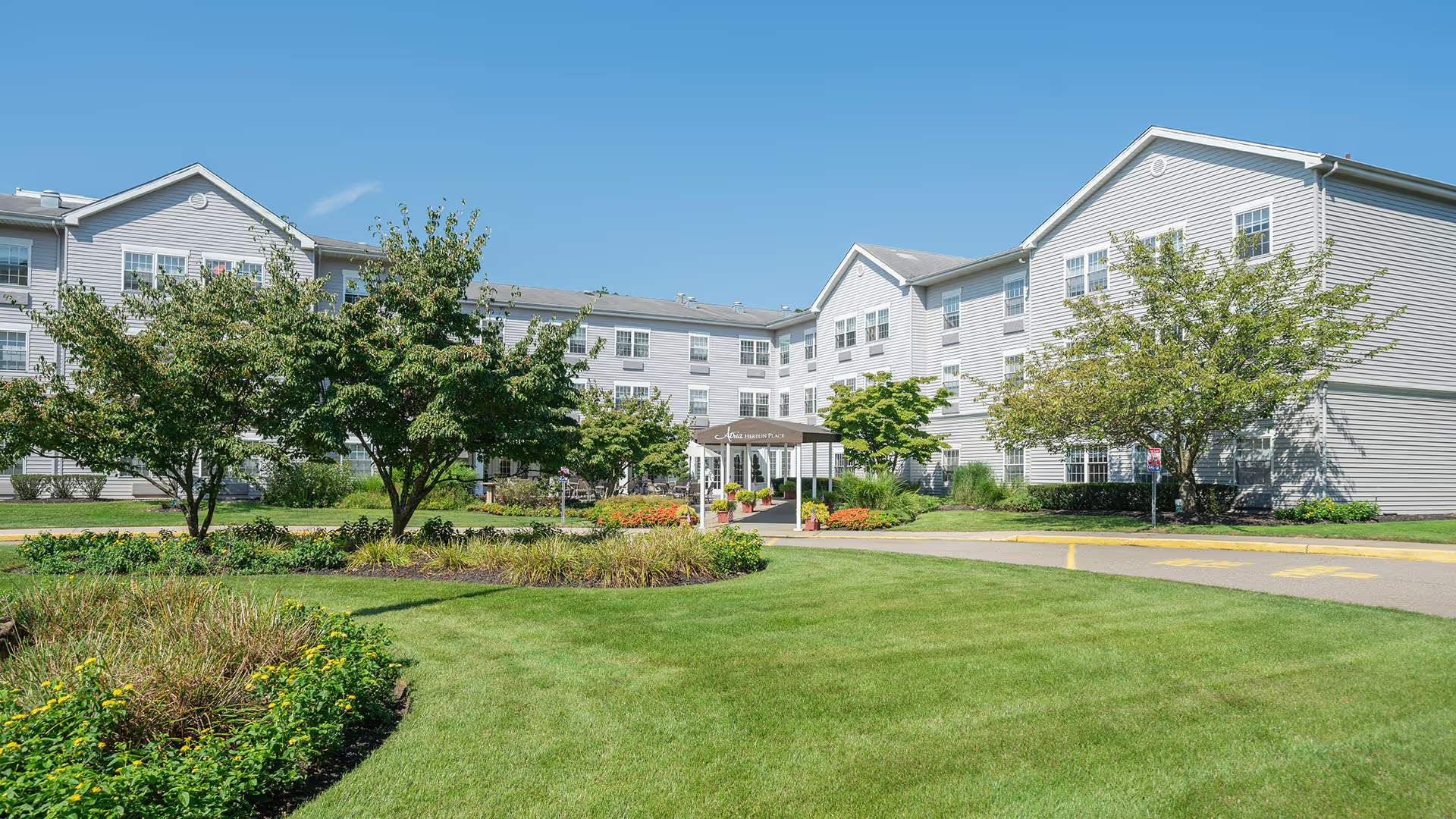
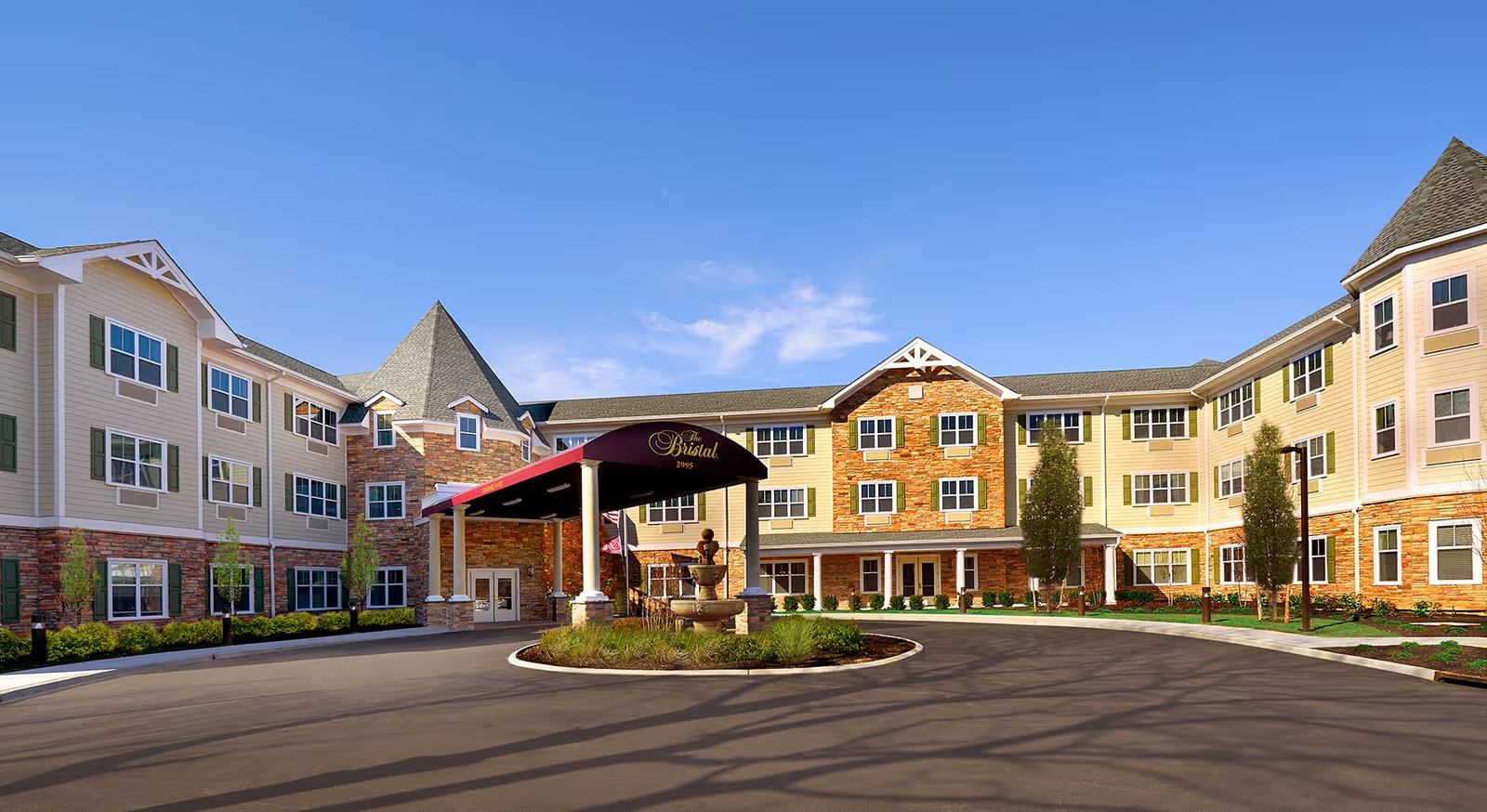
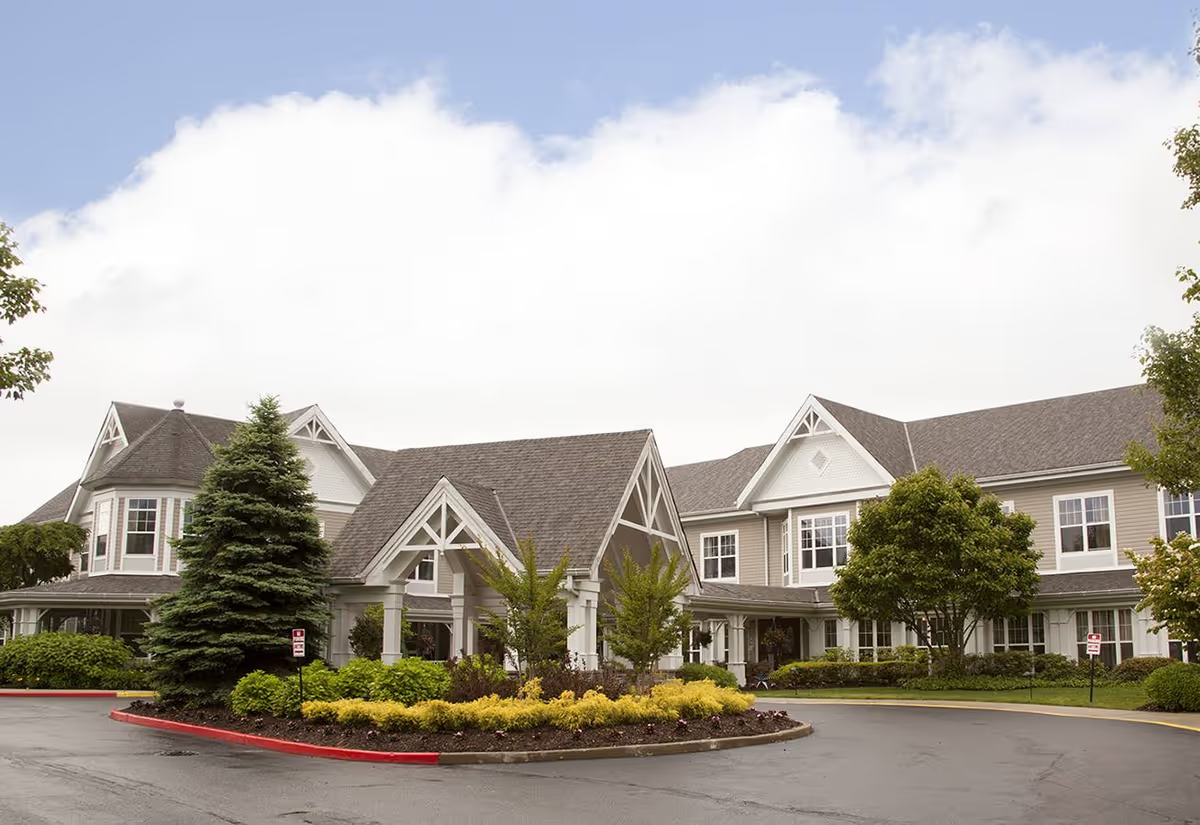
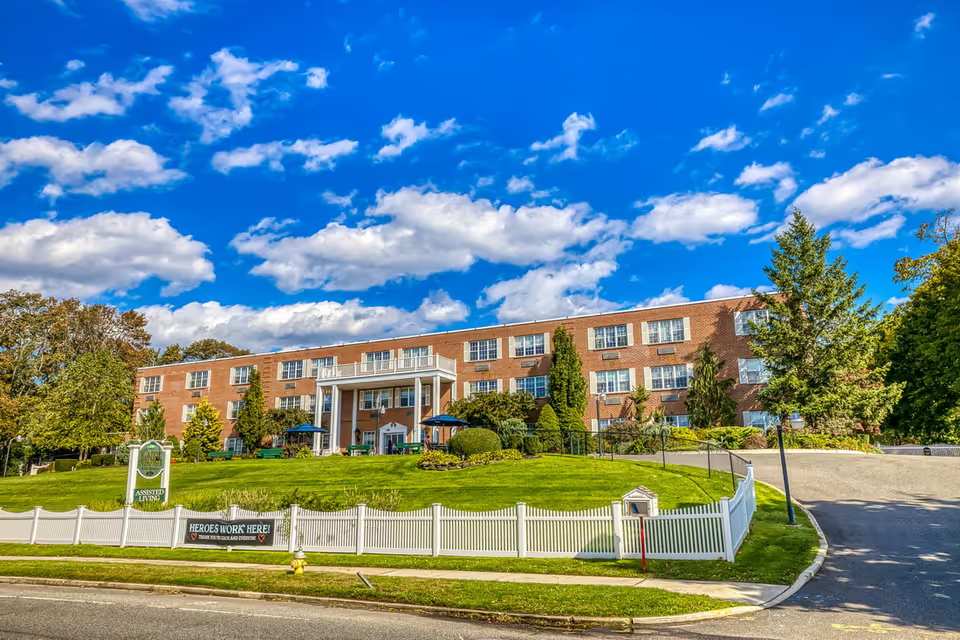
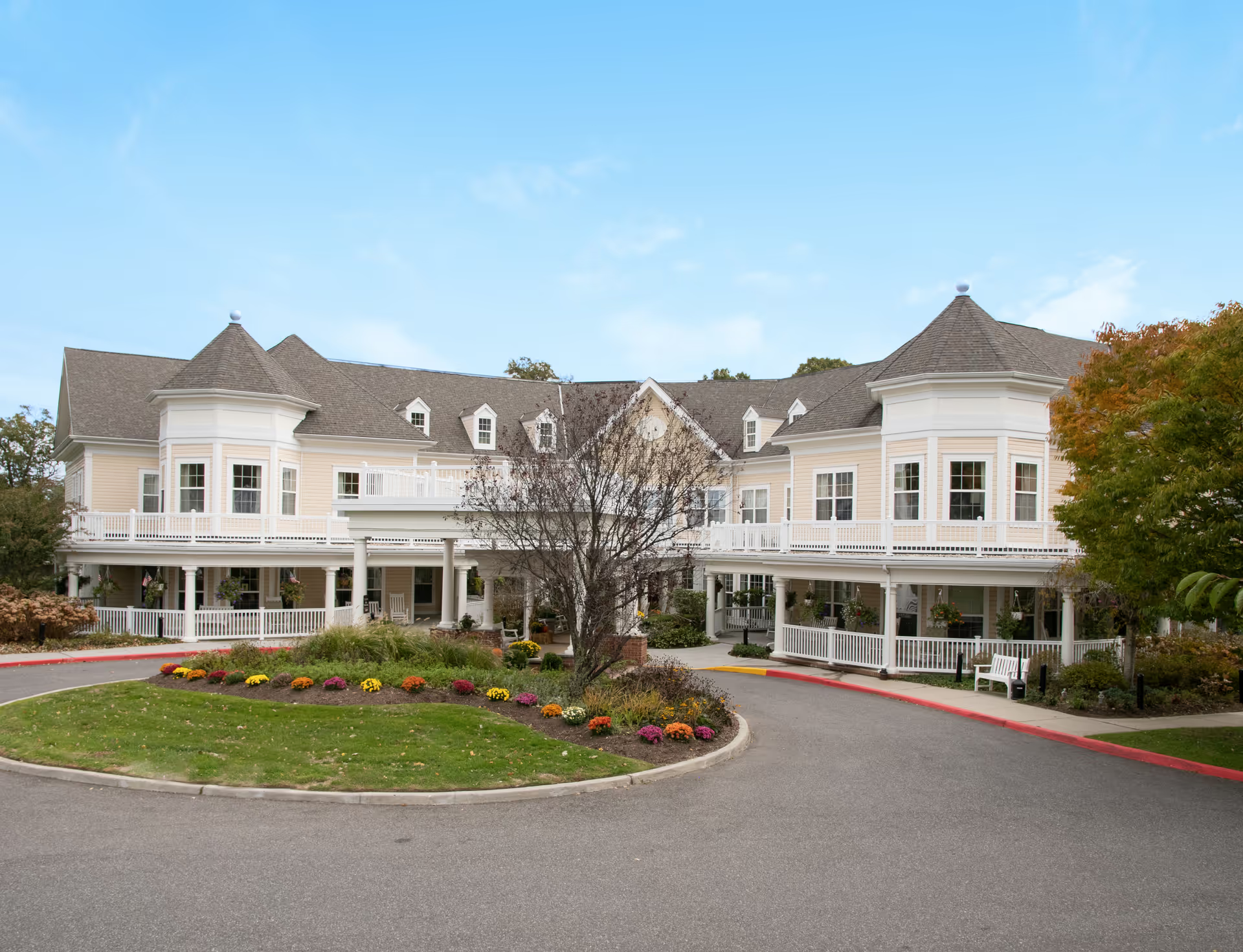
Across the reviews, families and visitors consistently praised the facility’s interpersonal strengths. Staff are frequently described as warm, compassionate and resident-centered, with many comments noting employees who learn residents’ names and preferences. Reviewers cited a broad spectrum of clinical and rehabilitative resources — including therapists and specialty clinicians — and positive experiences with care coordination for appointments. The community’s physical environment also received strong marks: the building is new, clean, attractively furnished, and includes common spaces such as a bistro/café, salon space, patio and grounds that support social engagement.
Dining and activities are recurring positives. Several accounts describe restaurant-style dining, a variety of menu options, daily housekeeping, and on-site amenities such as a gym, library and rec room. The activity program is described as diverse and active, with organized options ranging from group games and crafts to music, pet visits, outdoor walks and van outings. Activity leadership is singled out as a strength that contributes to residents’ social engagement and mood.
At the same time, a pattern of operational and clinical consistency concerns appears in the reviews. Memory-care services in particular are described as uneven: reviewers raised issues around staffing levels, adherence to procedures, and clinical monitoring. These concerns include delayed responses to resident needs and gaps in hydration and clinical oversight. Families also described inconsistent performance in laundry and personal-belongings management, which points to weaknesses in routine operations and inventory controls.
Other recurring operational themes include variable food quality tied to kitchen staffing stability, occasional slow response times from staff, and limitations related to on-site medical coverage — several reviewers noted that physician and some therapy services are outsourced, with families having to contact outside providers for notes and updates. Some reviewers framed these problems as growing pains associated with a newer facility; management and staffing stability were identified as areas for continued development.
In sum, the facility demonstrates clear strengths in staff warmth, resident engagement, programming variety, and a well-maintained physical environment. Prospective residents and families should weigh these strengths against the noted operational risks: ask specific questions about staffing ratios (especially in memory care and evenings), protocols for clinical monitoring and hydration, laundry and valuables procedures, access to medical documentation, and how the dining program is staffed. Those steps can help determine whether the facility’s strong interpersonal culture and amenities align with an individual resident’s clinical and safety needs.