The Village at South Setauket presents as a well-established assisted- and independent-living community with a strongly service-oriented staff and a broad array of onsite amenities. Reviewers consistently highlight a warm, family-like culture: caregiving, front‑desk, dining, activities, wellness and housekeeping teams are frequently described as caring, communicative and willing to go beyond expectations. The community offers an apartment-style living experience with restaurant-style dining, numerous common spaces, a pool and garden areas, on-site PT/OT and scheduled transportation for shopping and errands — features that support active social engagement and basic rehabilitation needs.
Care quality and staffing are overall seen as strengths when residents have standard assisted-living needs. Many families praised individualized attention, routine wellness checks and a responsive admissions/move-in process. That said, there is a recurring pattern of limitations when residents require higher-acuity medical or memory-care services. Several families found that progressive dementia or intensive care needs exceeded the facility’s capability, prompting use of private aides or transfer to higher-level care. Reviewers also described variability in staff availability at certain times, which contributors linked to delayed responses for personal assistance or canceled activities.
Dining and activities are important selling points but show mixed consistency. Numerous reviewers praised the menu variety, portion sizes and restaurant atmosphere; others described declines in food quality over time or inconsistencies between meal presentations. The activities program is broad — bingo, mahjong, exercise, movie and garden clubs, day trips and a rotating schedule — and many residents are actively engaged. Some families, however, wanted more off-site outings and fresher programming variety; a subset noted periodic cancellations or limited staffing for events.
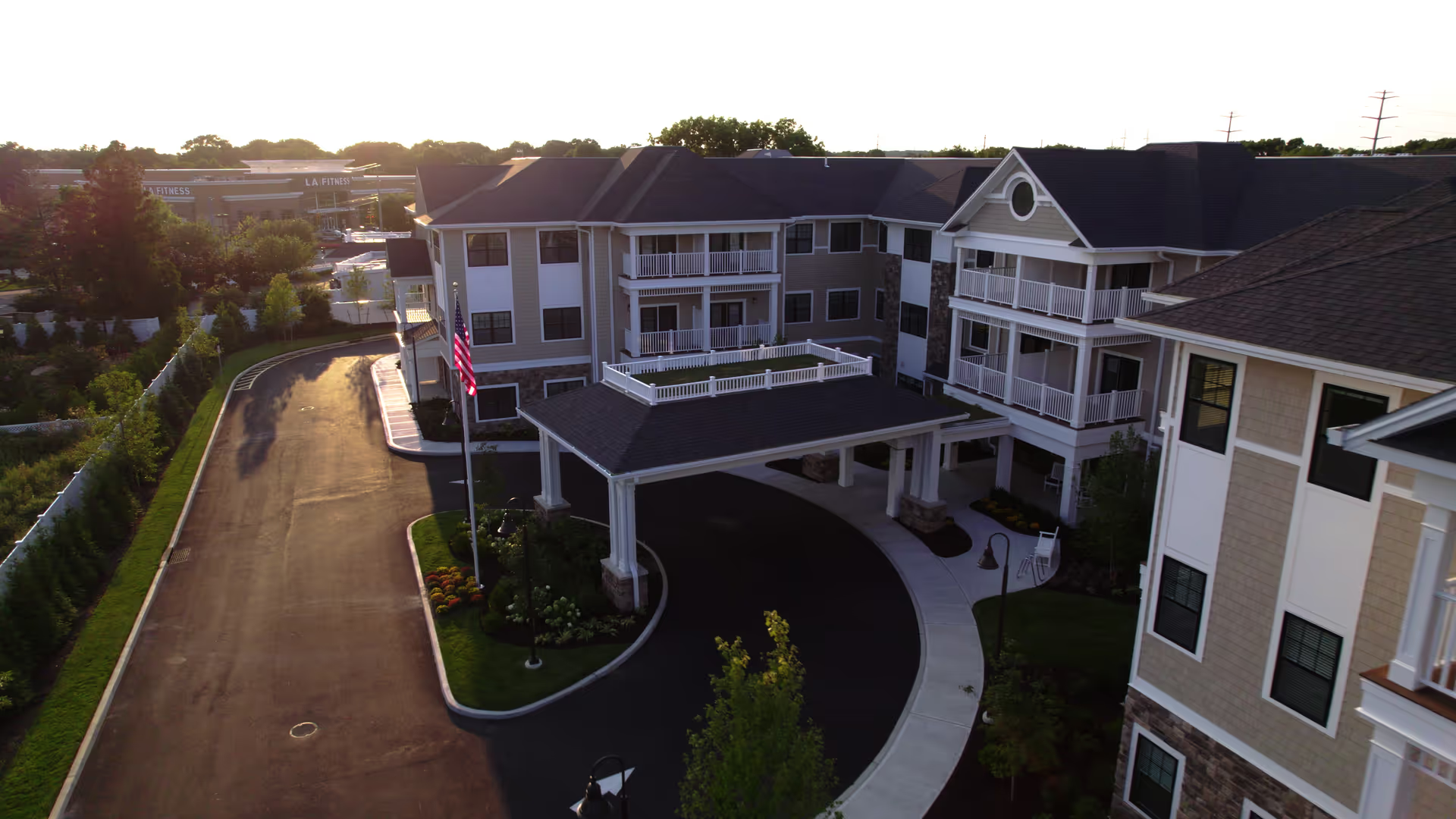
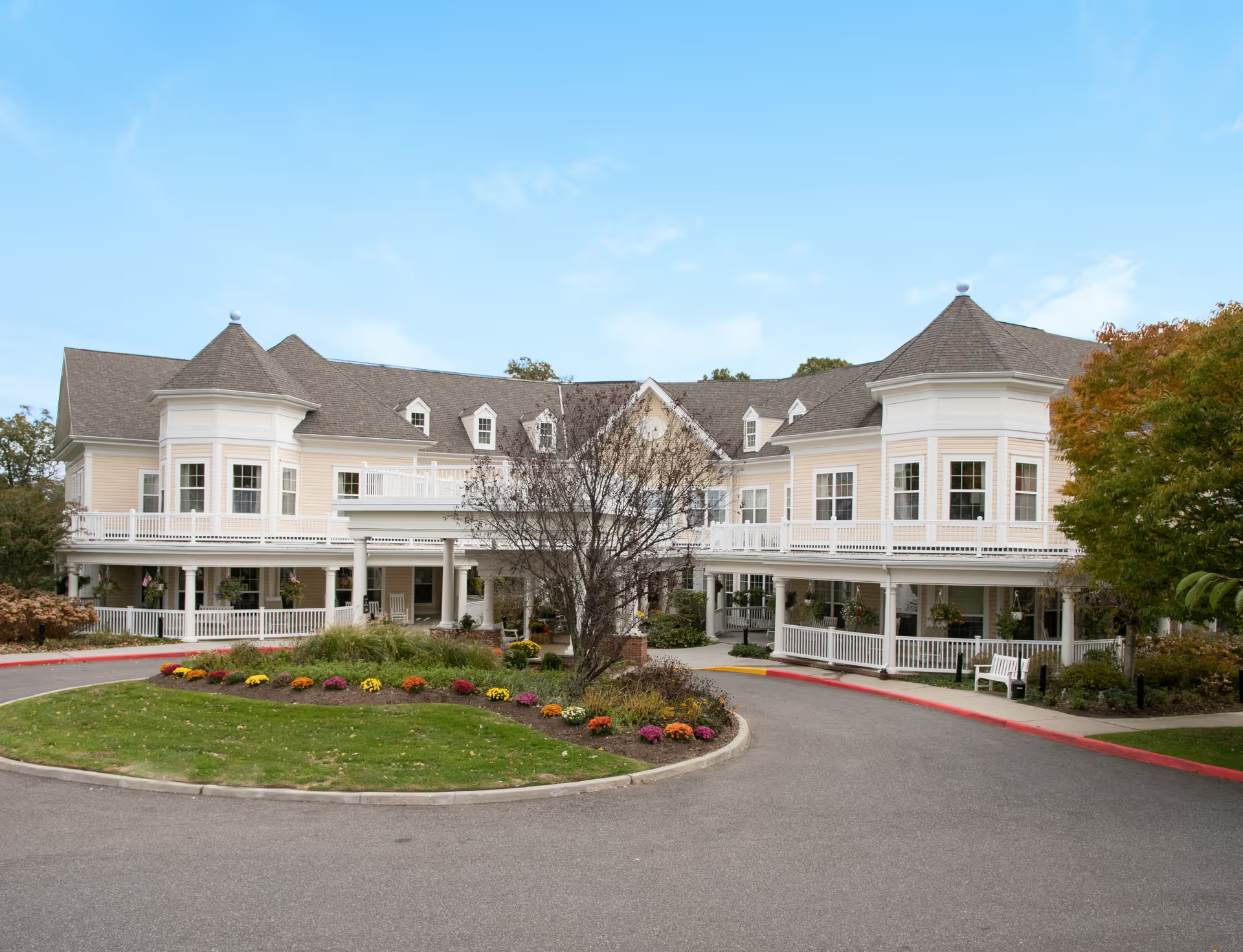
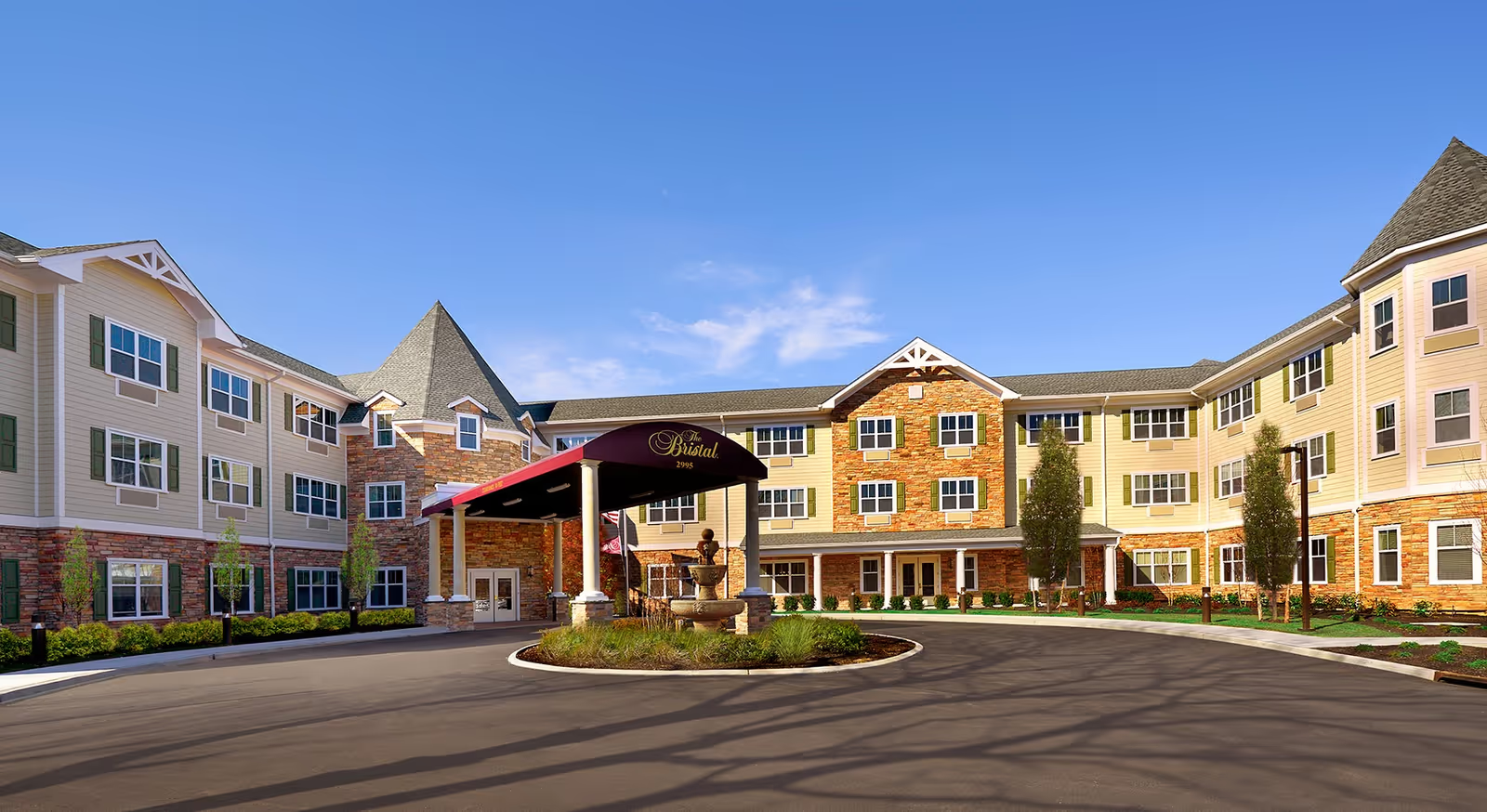
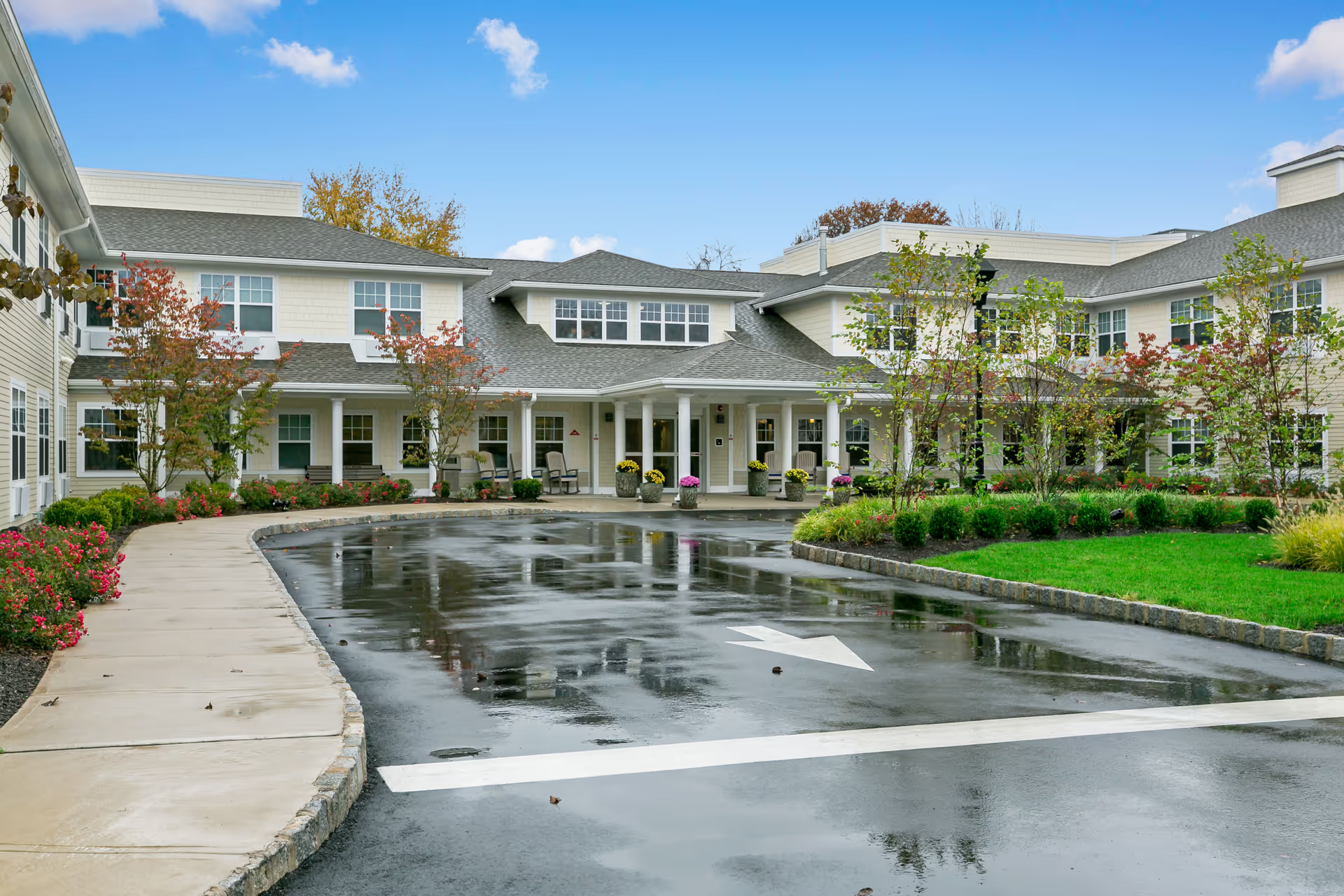
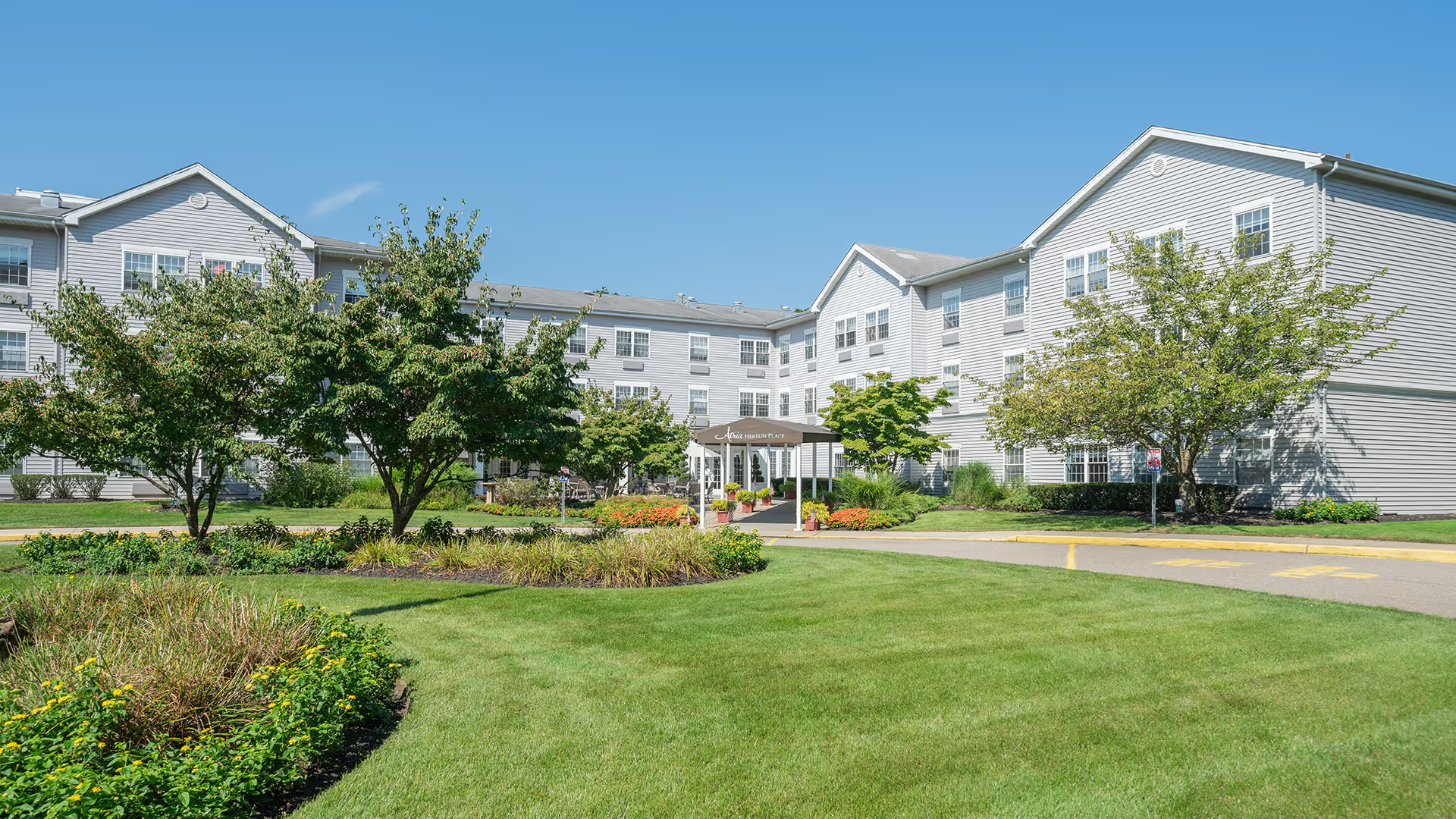
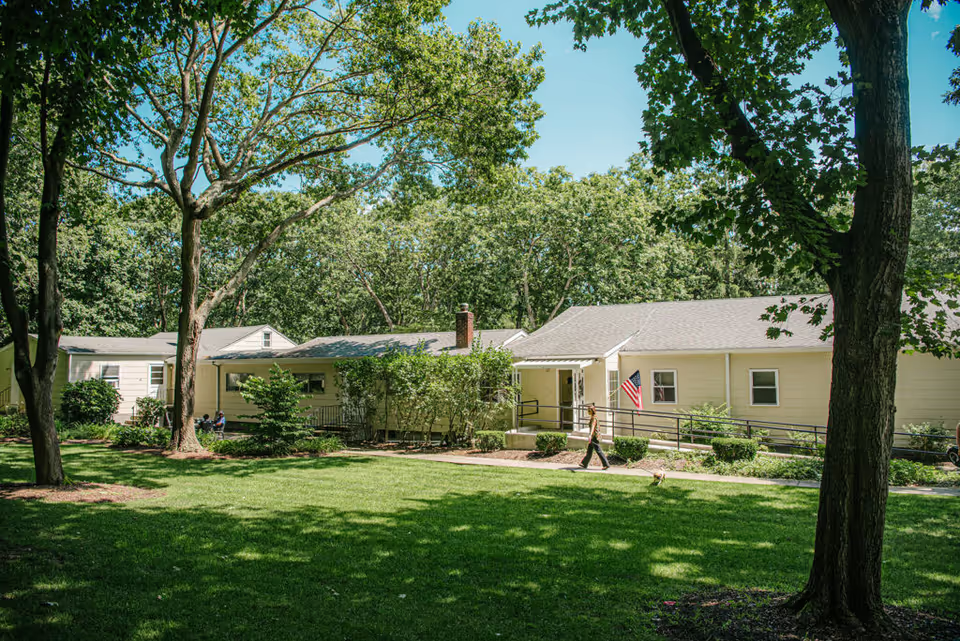
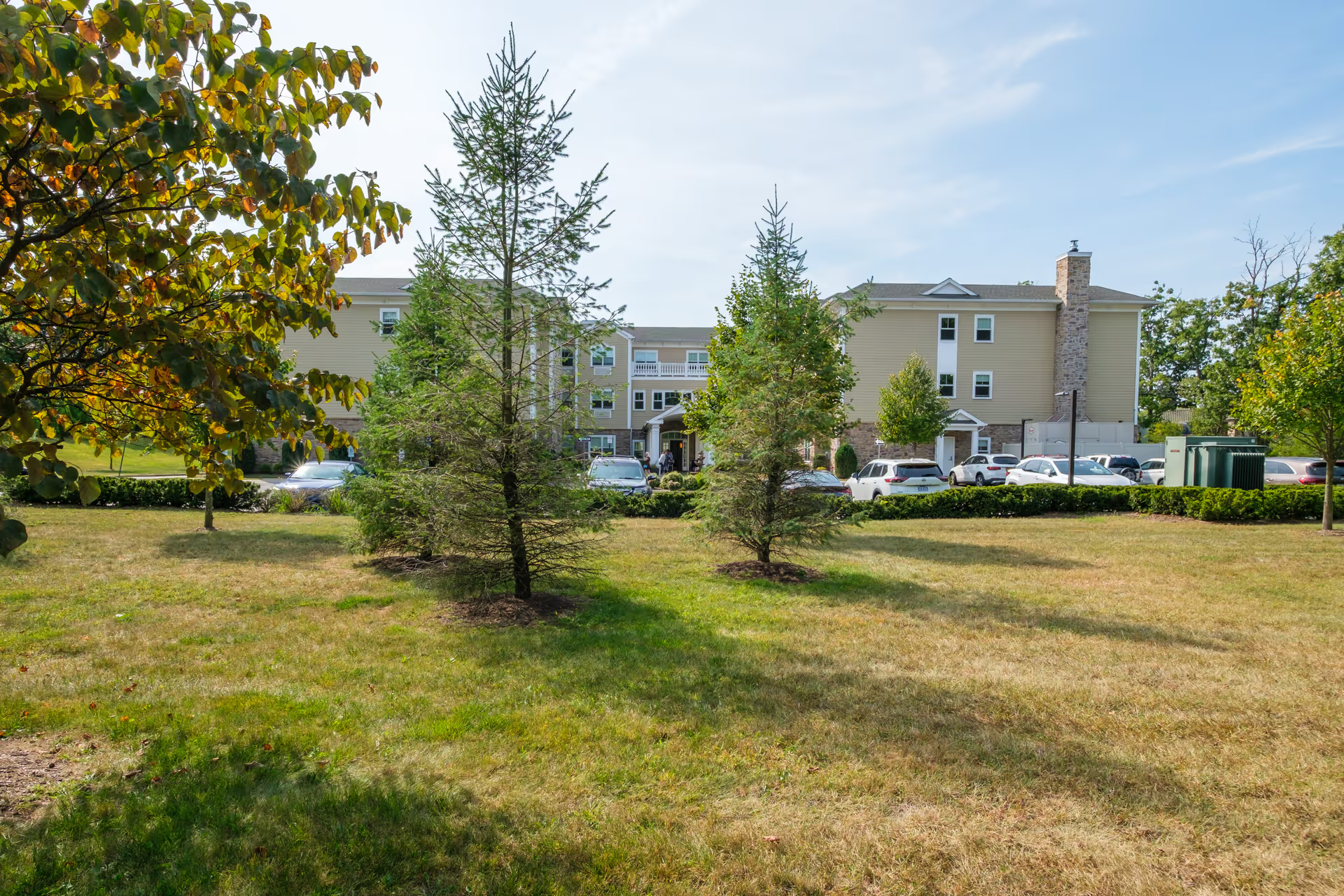
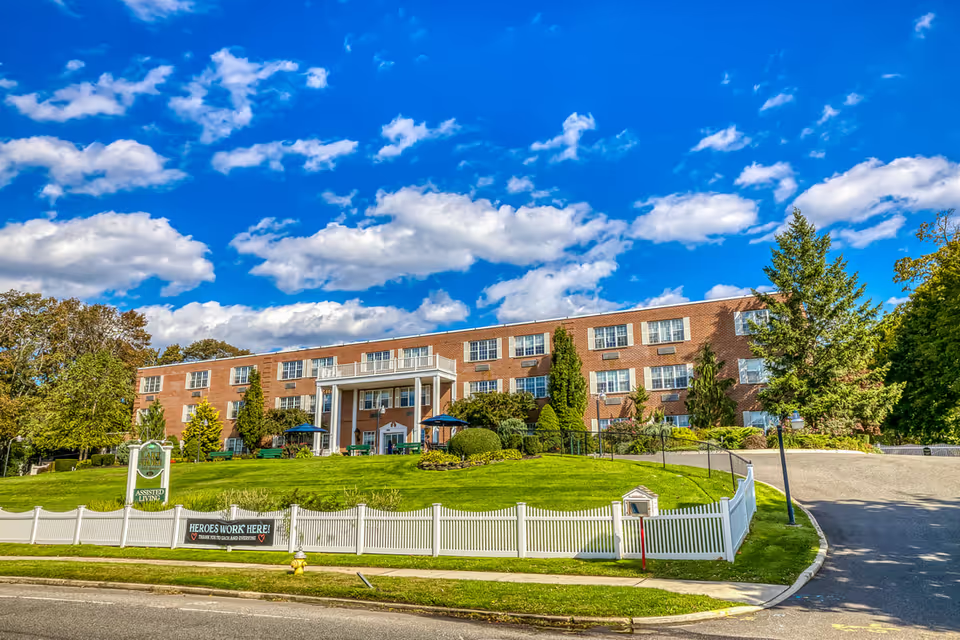
The physical plant is a converted, older hotel-style building that many find attractive in common areas but dated in parts. Positive notes include large public rooms, a hotel‑like lobby and well-kept grounds. Operational challenges stem from the footprint: long corridors, below-grade dining/activity rooms that some describe as dim or prone to moisture issues, narrow hallways, small elevators and compact studio units without kitchenettes. These characteristics can create accessibility barriers for residents with limited mobility and increase the distance to dining and activity spaces for some apartments.
Management and billing present a mixed picture. Several families commended management for clear communication, proactive move-in support and responsiveness to feedback; others expressed frustration about lease language, level-of-care charge increases, rent escalation and perceived lack of transparency around additional fees. Infection-control experience during COVID also varies in family accounts — some praised timely communication and protections, while others experienced concerns about case handling and relocations.
In summary, this community’s principal assets are a compassionate, long-tenured staff, a broad amenity and activity program, included housekeeping and onsite rehab services, and a social, apartment-style environment that many residents enjoy. The principal operational considerations for prospective residents and families are the facility’s age and layout (accessibility and below-grade spaces), variable meal and activity consistency, limits in higher-acuity and dementia care capacity, and the need for careful review of lease/billing terms. Prospective residents should tour spaces used for dining and activities, confirm the community’s capacity to meet projected clinical needs, and request clear documentation on fee structures and escalation policies before committing.