Amber Court consistently earns praise for its physical environment and activity programming while exhibiting recurring operational concerns that families should evaluate closely.
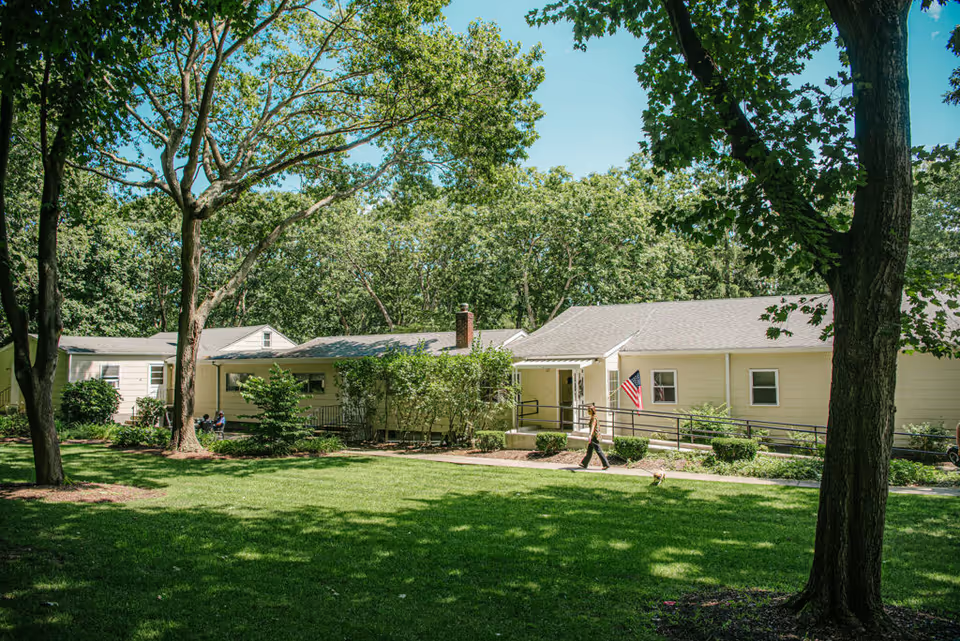
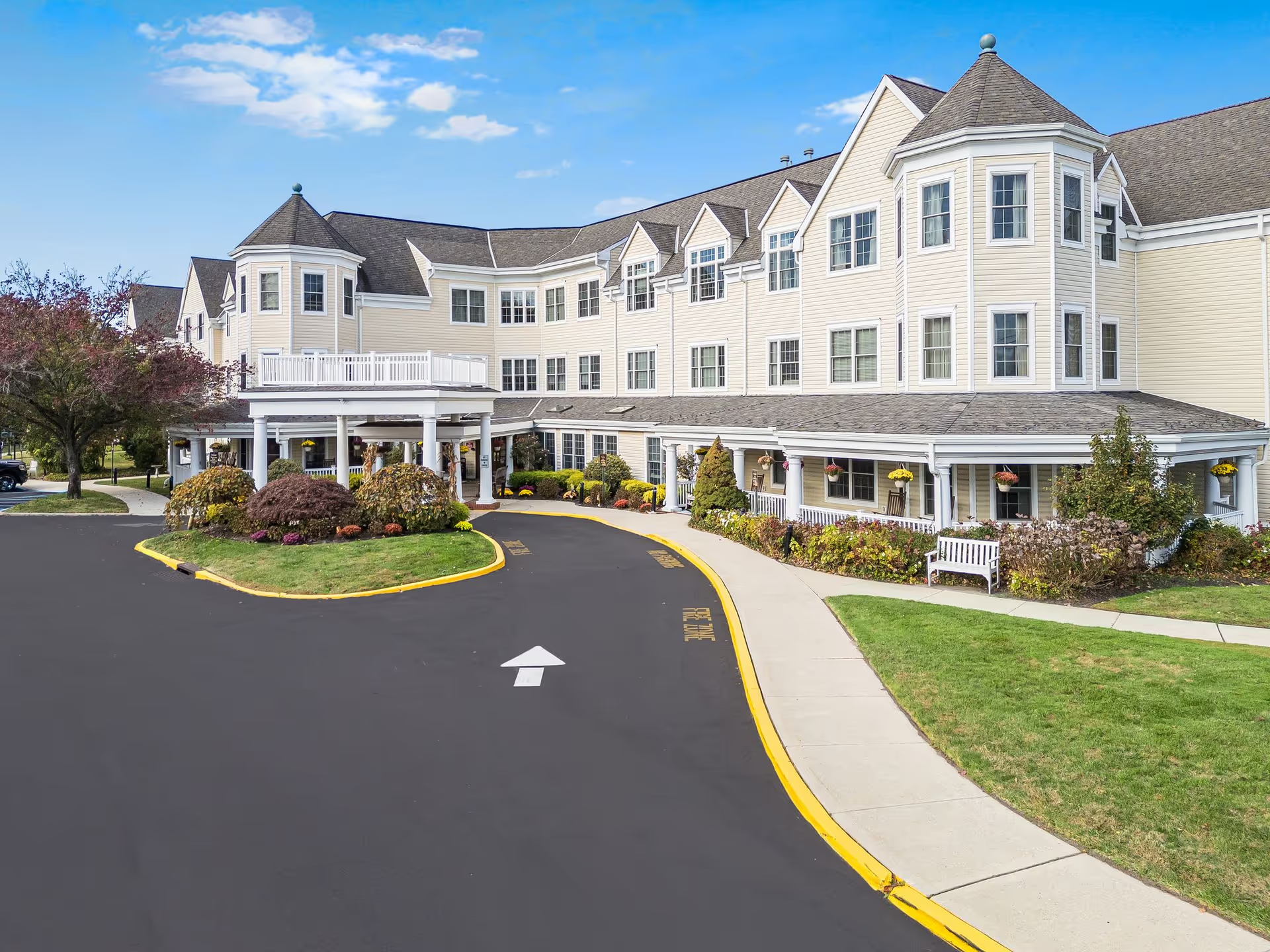
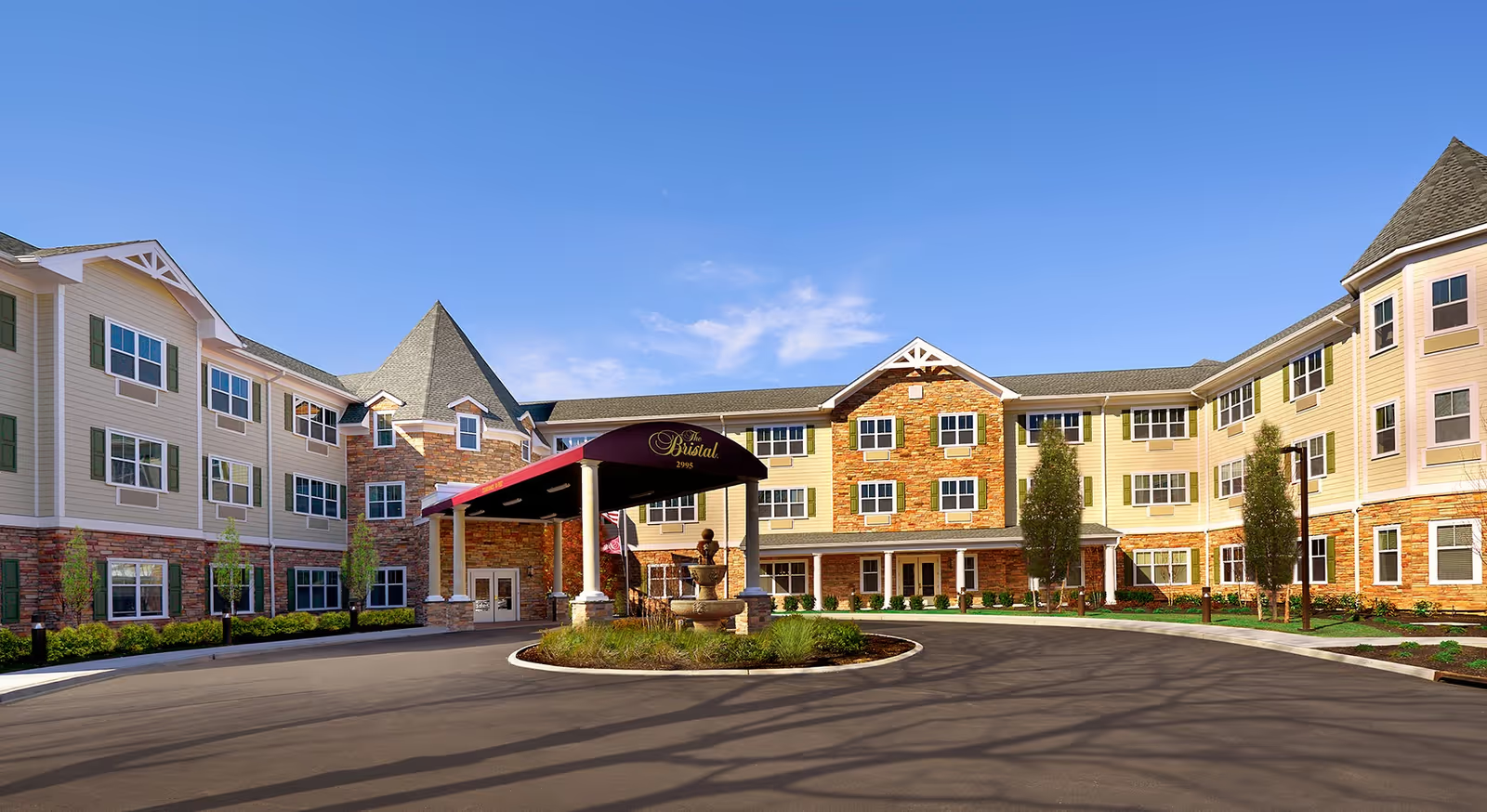
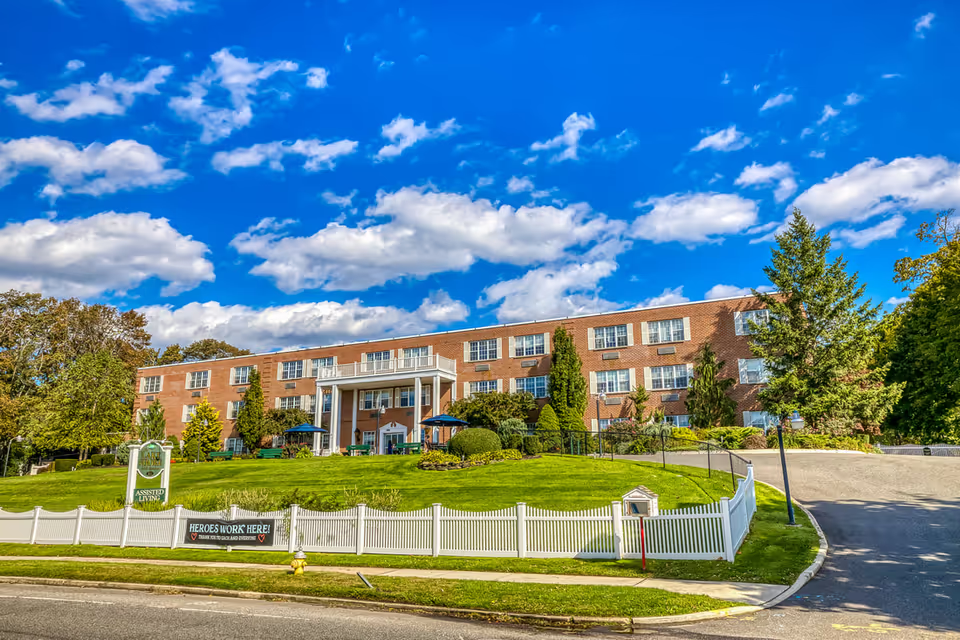
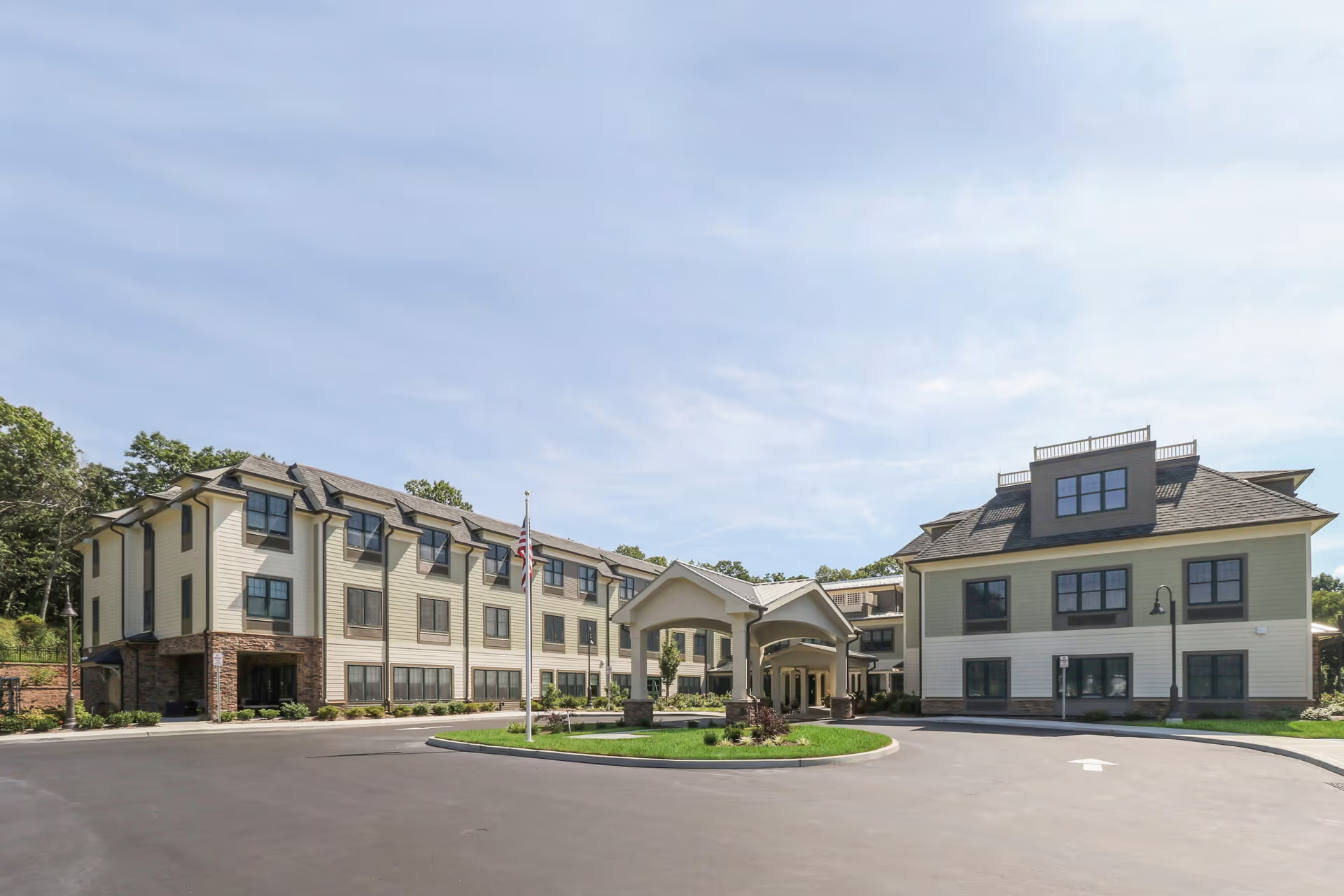
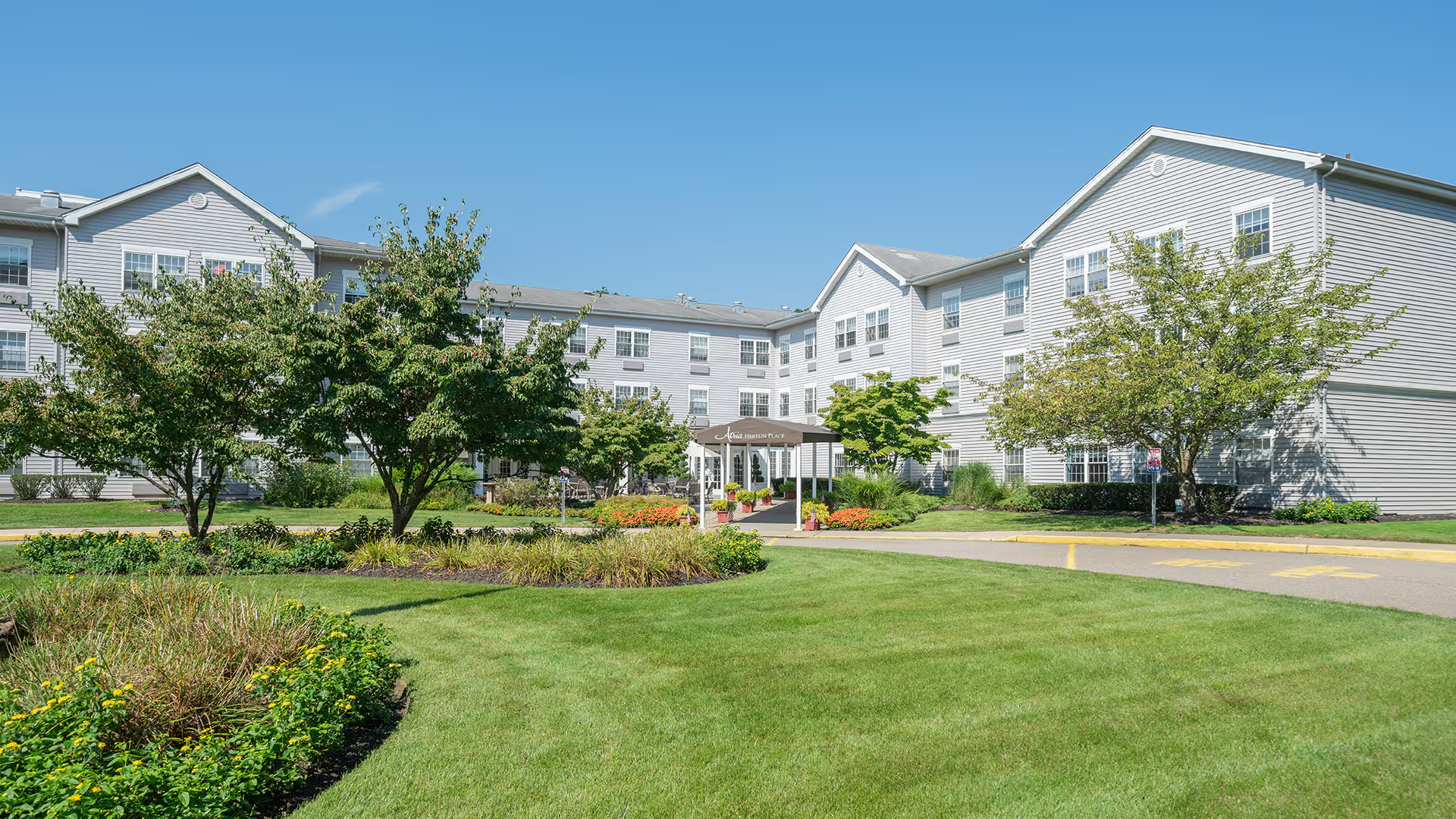
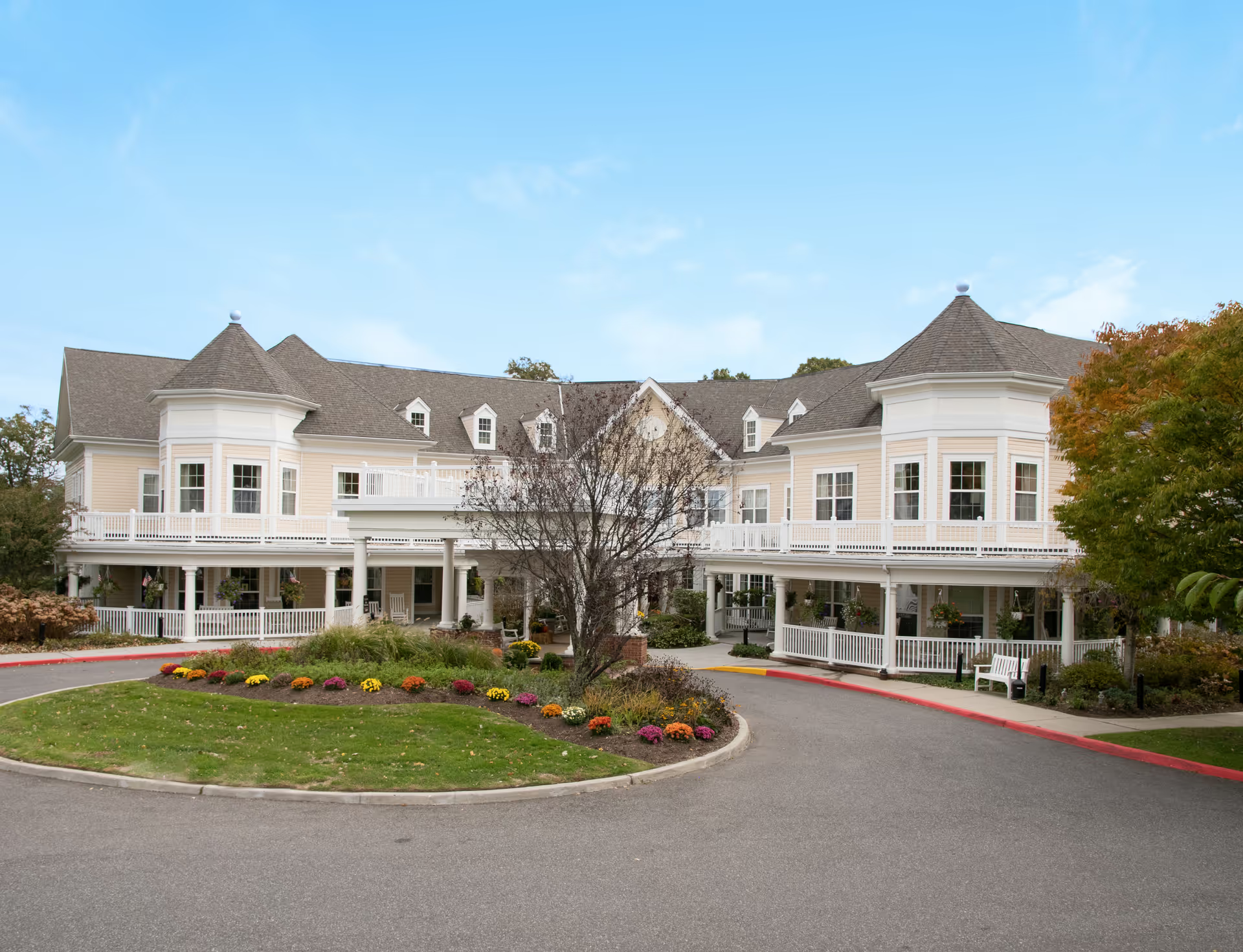
Facilities and atmosphere: Reviewers frequently describe the building and common areas as clean, bright and hotel-like, with attractive décor, holiday decorations, outdoor benches, and dedicated activity spaces. Rooms are noted as comfortable with options for private and shared arrangements and some in-room amenities. Maintenance responsiveness is cited positively, and the grounds and social spaces support resident interaction.
Staff and care quality: Many accounts highlight warm, compassionate, and attentive direct-care staff, front-desk personnel, and a highly engaged recreation team. On-site medical providers and a wellness team are also mentioned as strengths. However, reviews indicate variability in staff performance and tone across shifts. There are consistent concerns about inconsistent responsiveness to personal-care needs and instances where assistance was delayed or hard to obtain; this pattern suggests staffing variability or scheduling gaps that affect day-to-day care.
Medication and clinical operations: A recurrent operational concern involves medication-management processes. Reviews describe misidentification of medications, untimely dosing, occasional double dosing, and gaps in medication reconciliation and delivery. These issues point to weaknesses in medication administration controls and pharmacy/clinical coordination that prospective families should verify directly with the facility.
Dining and housekeeping: Opinions about food are mixed. Some residents and families praise meal variety and portion sizes, while others describe inconsistent quality, small portions, and dissatisfaction with specific menu items. Housekeeping and laundry are also variable: many reviews praise cleanliness, but others mention missing towels, lost laundry, trash or crumbs in meeting areas, and occasional pest-control and sanitation concerns in specific spaces.
Management and communication: Several reviewers applaud individual admissions and case staff for being helpful and communicative during tours and move-in. At the same time, there are reports of case-management unresponsiveness in follow-up, a learning curve associated with management transitions, and unresolved minor operational issues. The overall pattern suggests competent frontline staff supported by an attractive facility, but with organizational and coordination weaknesses that appear during transitions or peak demand periods.
Notable patterns and takeaways: The overall picture is mixed and somewhat polarized: many families describe a positive resident experience driven by strong activities, friendly staff, and a well-kept environment; others point to persistent operational problems around medication control, dining consistency, housekeeping, and staff availability. Prospective residents and families would benefit from direct questions about medication administration protocols, staffing levels and shift coverage, dining menus and portion standards, laundry and housekeeping procedures, and how the facility handles management transitions and family communication.