The body of reviews for Crown Park Rehabilitation and Nursing Center is highly polarized, with clear strengths clustered around rehabilitation, frontline caregiving, and community programming, and recurrent operational concerns that families should evaluate carefully.
Care quality and clinical oversight: Many families and former residents praised the rehabilitation teams, therapists, and several nursing staff for helping residents regain mobility and return home. At the same time, there are repeated accounts indicating lapses in basic care processes—missed or delayed personal care, inconsistent bathing schedules, medication-administration errors, and deviations from documented physician orders. Several reviews describe serious clinical deteriorations that led to hospitalization or other adverse outcomes, creating concern about the facility's consistency in monitoring high-risk residents. These comments suggest variability in clinical adherence and escalation protocols rather than a uniform level of clinical performance across the facility.
Staffing and staff conduct: Direct-care staff such as CNAs and some nurses receive frequent praise for compassion, patience, and hands-on care. Therapists and activity staff are also commonly commended. However, reviewers also report staffing shortages, long call-button response times, and uneven bedside manner among some nursing staff. There are accounts of distracted behavior at the nurses' station, inconsistent use of staff identification, and confrontational or dismissive communication in some interactions. Overall, frontline staff are often seen as a strength, while staffing levels, shift variability, and conduct issues represent operational risks.
Dining and nutrition: Feedback on food is mixed. Several families describe the kitchen and foodservice as adequate or even good for rehabilitation patients, while others raise concerns about inconsistent meal quality, lack of appropriate options for restrictive diets (for example diabetic or texture-modified diets), and limited beverage or fruit availability. These inconsistencies indicate variable execution of dietary accommodations rather than an absence of any dietary program.
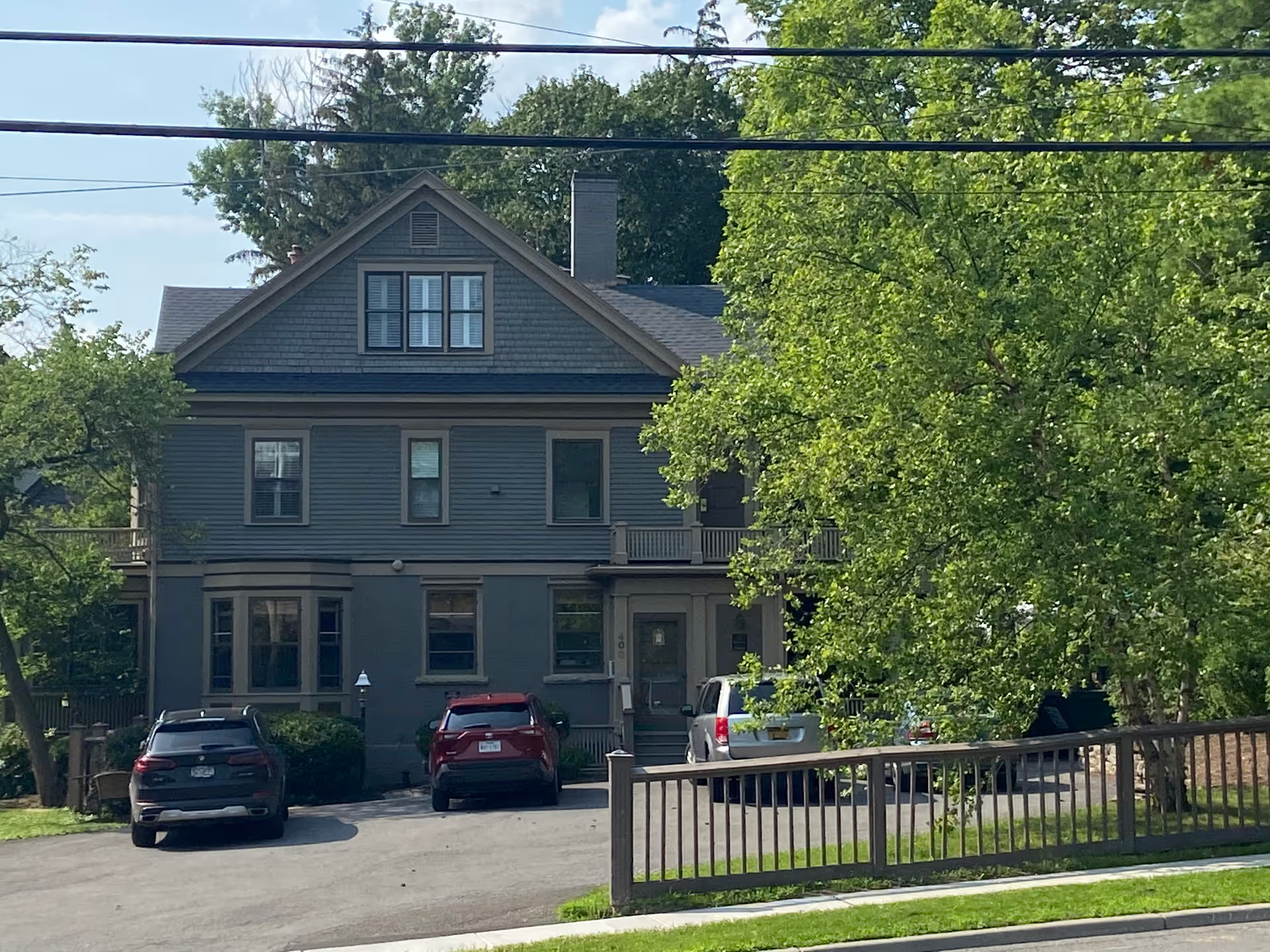
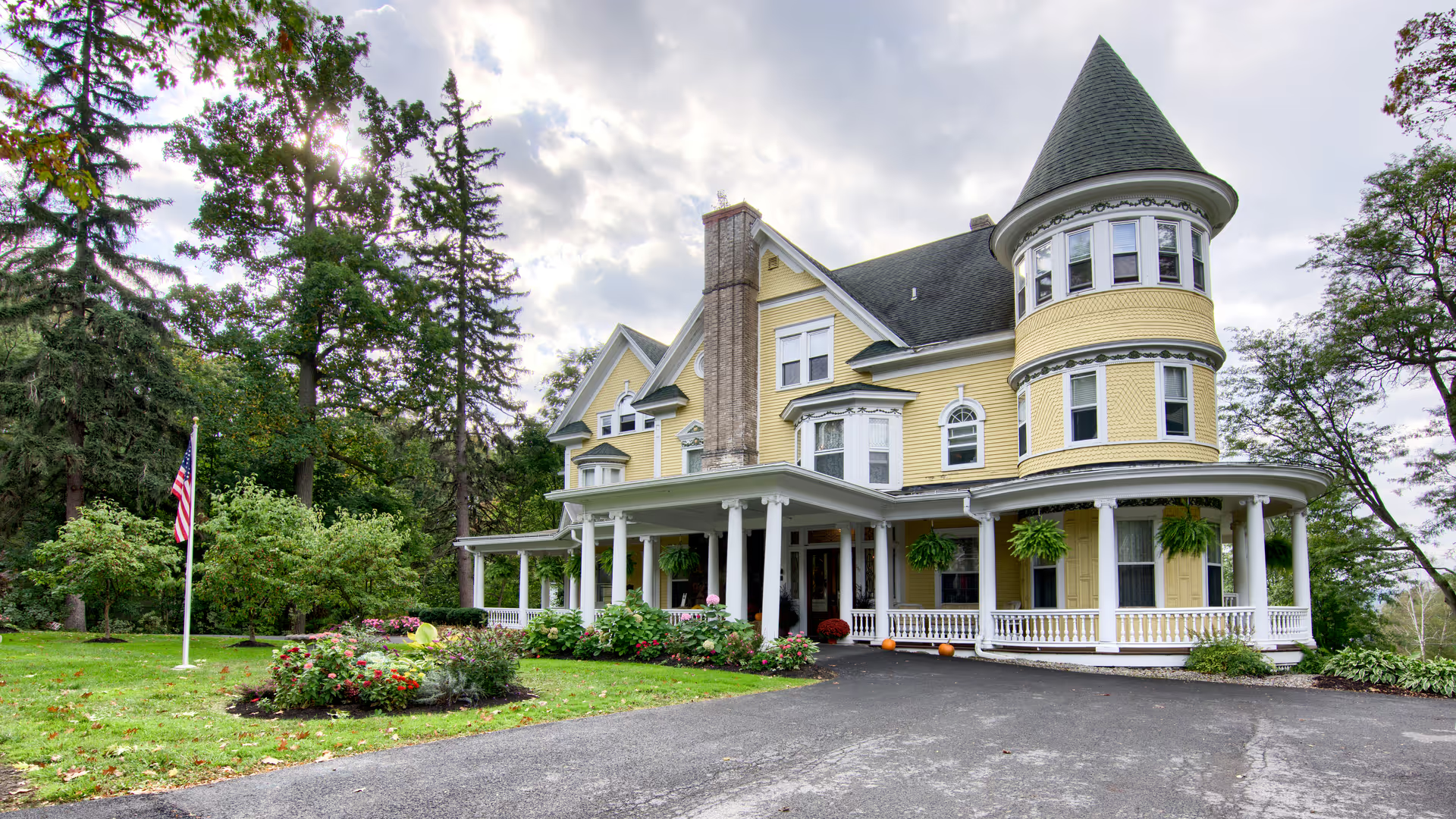
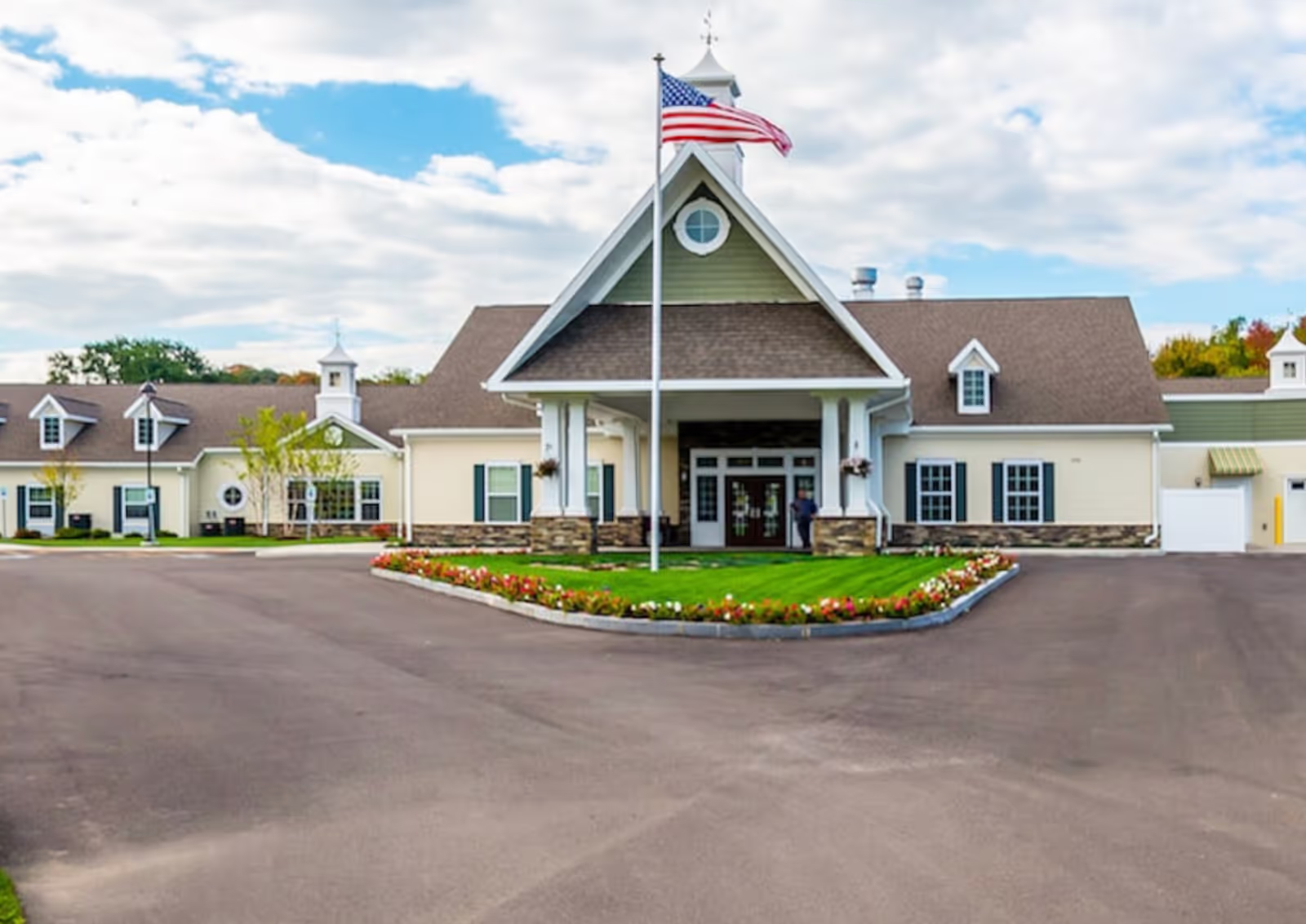
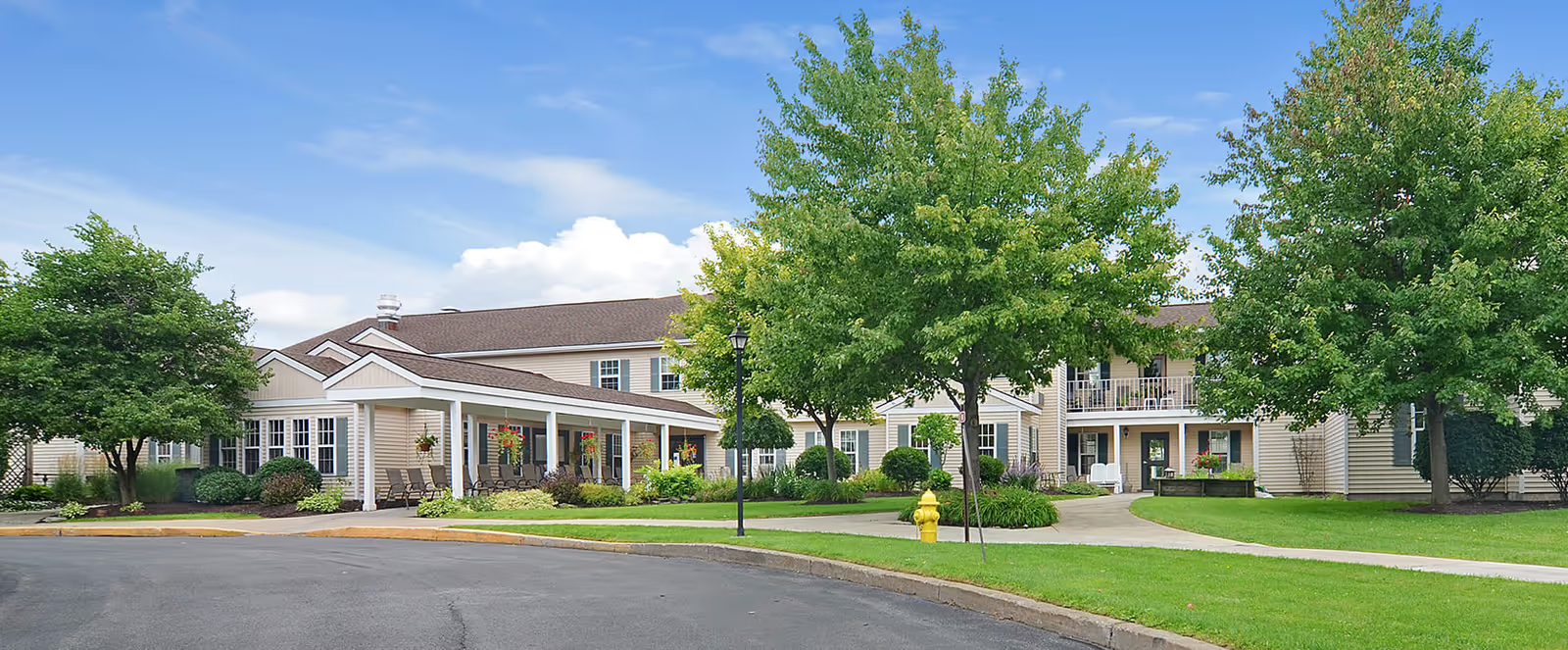
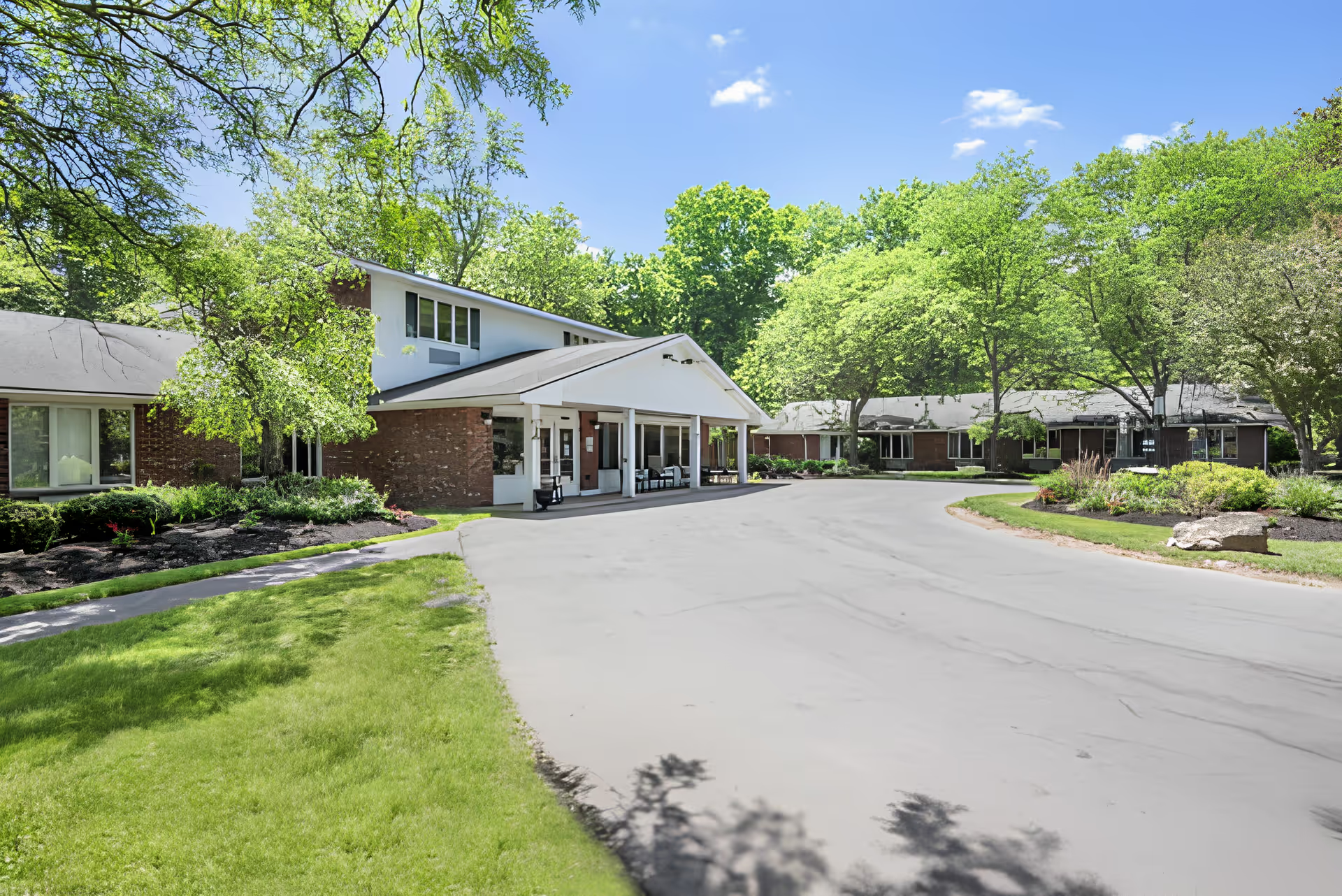
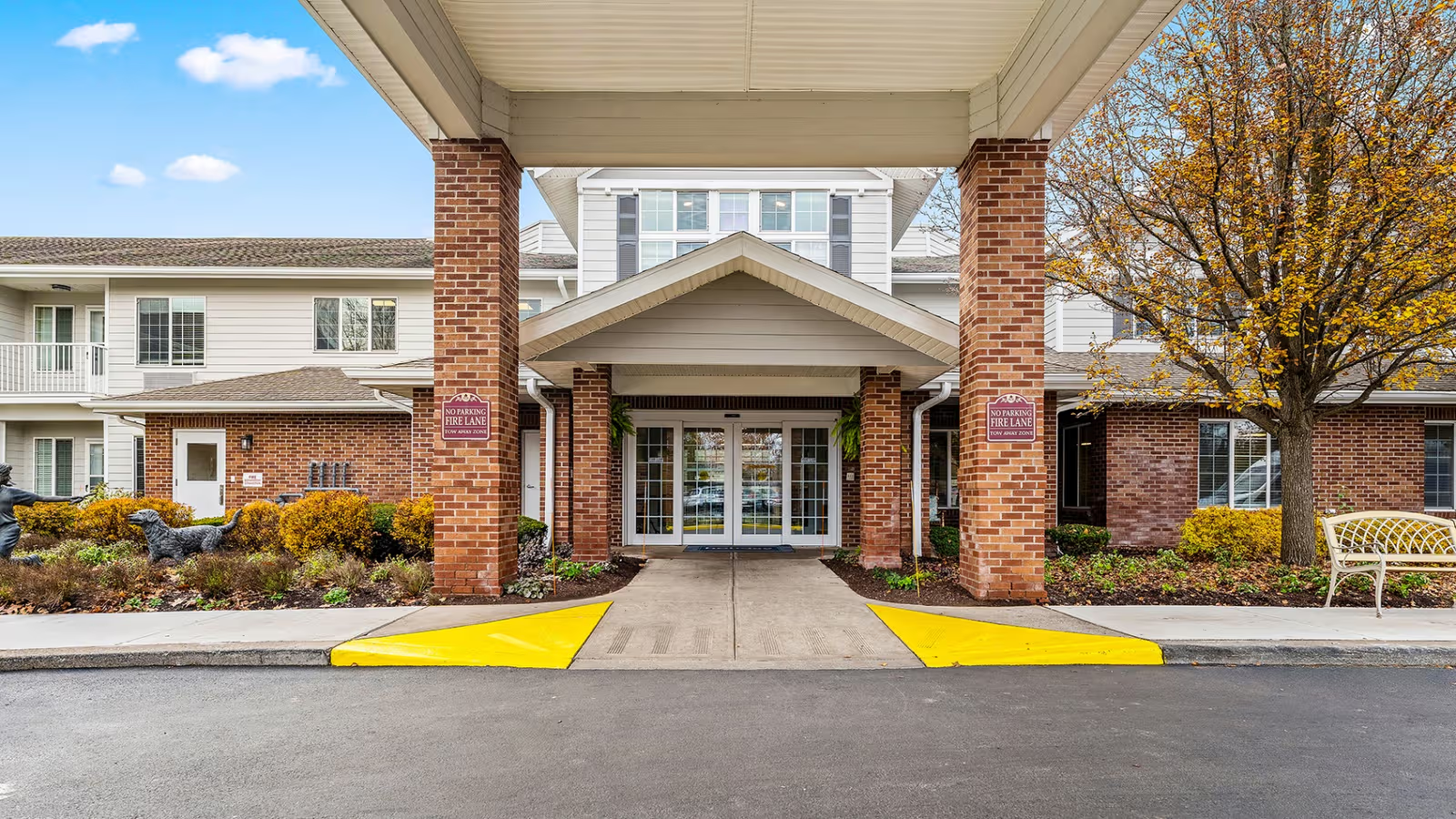
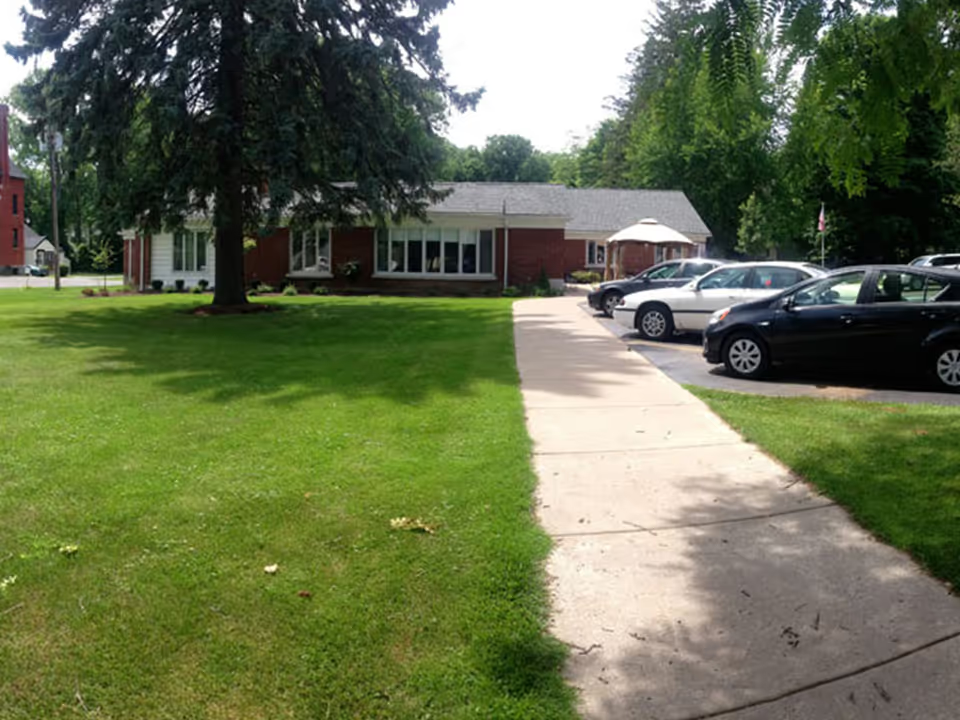
Activities and environment: The facility's recreation department receives strong positive mention for events, engagement, and individualized programming. Community events and volunteer involvement are noted as contributors to a welcoming atmosphere. Physically, many reviewers describe the building as clean, modern, and well maintained, and others note recent improvements under new leadership. Yet some areas and specific units are cited for maintenance and housekeeping lapses, such as bathroom cleanliness and cosmetic wear, indicating that environmental quality may vary by floor or shift.
Management, communication, and administrative issues: A consistent theme in critical reviews concerns communication and administrative responsiveness. Families reported difficulty obtaining timely information after incidents, unclear explanations of events, limited phone access to residents, and frustration with front-desk interactions. There are also recurring concerns about admission contract terms, billing practices, and perceived barriers when families request records or contest clinical decisions. Conversely, some reviewers describe an accessible, professional administrative team and report that the facility has improved under recent leadership, suggesting leadership performance may be changing and uneven across departments.
Notable patterns and considerations: Two distinct patterns emerge. One cluster of reviews emphasizes high-quality rehab, engaged recreation, and caring direct-care staff, with positive outcomes and an overall hospitable environment. The other cluster documents operational weaknesses—short staffing, delayed responses, sanitation inconsistencies in specific areas, medication and care-plan lapses, and problematic communication—that have resulted in significant family distress and, in some cases, escalations to hospitalization. Prospective residents and families should assess current staffing, observe meal service and unit cleanliness, review admission and billing terms, and ask about clinical escalation protocols and fall-prevention measures. Visiting at different times of day and speaking with therapy, nursing, and administrative staff directly can help clarify whether strengths or risks predominate for a particular unit or shift.