Tenbroeck Center for Rehabilitation and Nursing elicits a largely positive response for interpersonal care, rehabilitation capability, cleanliness, and social programming, with recurring operational concerns clustered around staffing, medication and dietary consistency, and management responsiveness.
Care and clinical services: Families and short-term patients frequently praise the clinical teams — particularly physical and occupational therapy — for individualized plans, measurable functional gains, and effective orthopedics and stroke rehab. Nursing and aides are commonly described as compassionate and attentive; specific staff members received repeated commendations. At the same time, reviewers describe lapses that reflect system-level issues: medication-administration errors or inconsistencies, pressure-injury concerns, and delays in starting prescribed therapies. There are also recurrent notes about limited weekend clinical coverage and variable therapy intensity, which can affect continuity for patients who require daily therapeutic interventions.
Staff and management: Staff-level comments are heavily weighted toward positive interpersonal care, with many accounts of staff who go beyond typical duties and create a family-like environment. However, staffing shortages and heavy workloads are also a common theme. These operational constraints are linked in reviews to delayed response times for assistance, occasional inattentiveness, and uneven staff performance across shifts or units. Several families described dissatisfaction with administrative responsiveness to complaints and a perception that some concerns were not addressed to their satisfaction; there are also isolated allegations of problematic incident handling that suggest room for improved transparency and grievance processes.
Dining and activities: Dining is generally highlighted as a strength — in-house cooking, varied menus, and snack service are frequently praised. Conversely, reviewers describe inconsistent adherence to dietary accommodations in some cases (for example, therapeutic diets), and a limited or cyclical menu in certain units. Activity programming is robust and varied, including bingo, live music, art clubs, and holiday events; recreation staff are credited with building social connections. A noted limitation is that many activities are centralized in specific rooms, which can create access or scheduling issues for residents with mobility or cognitive limitations.
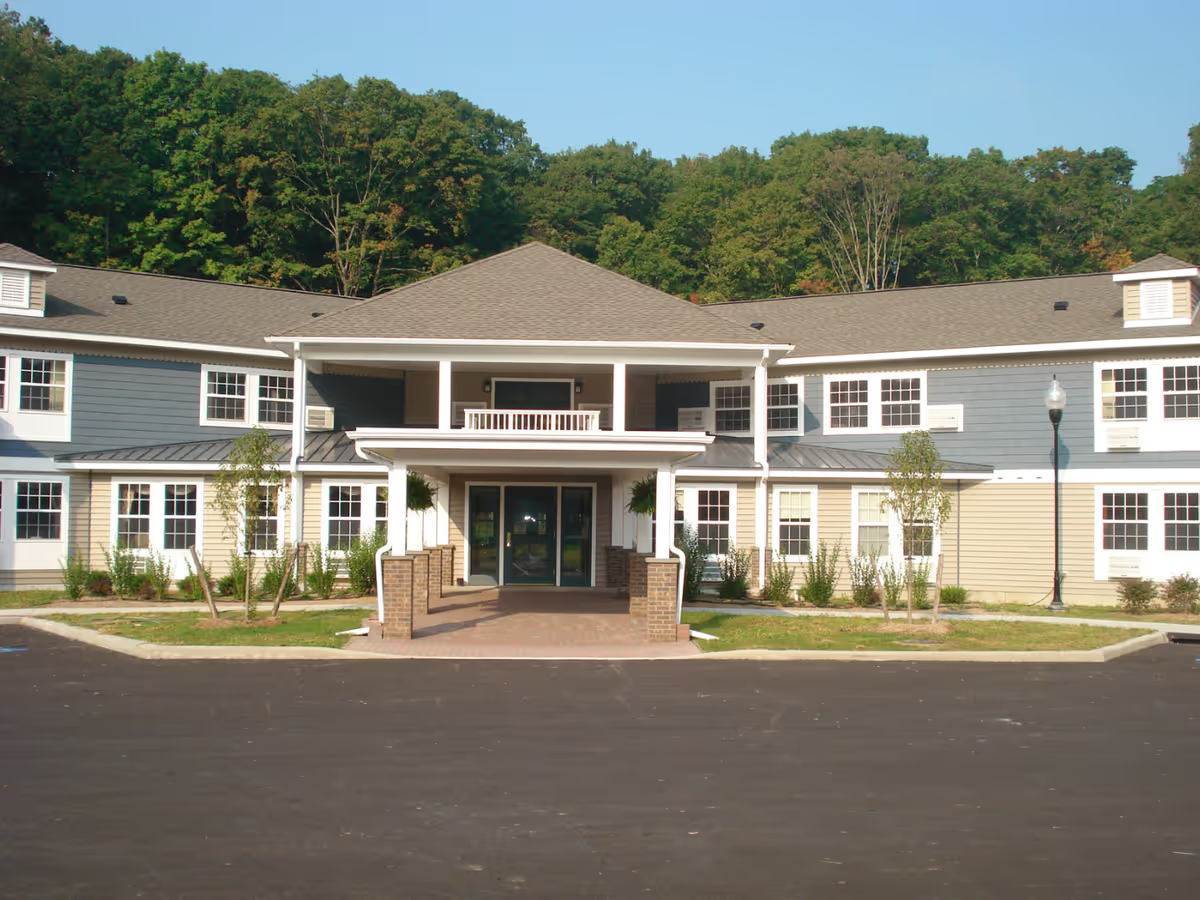
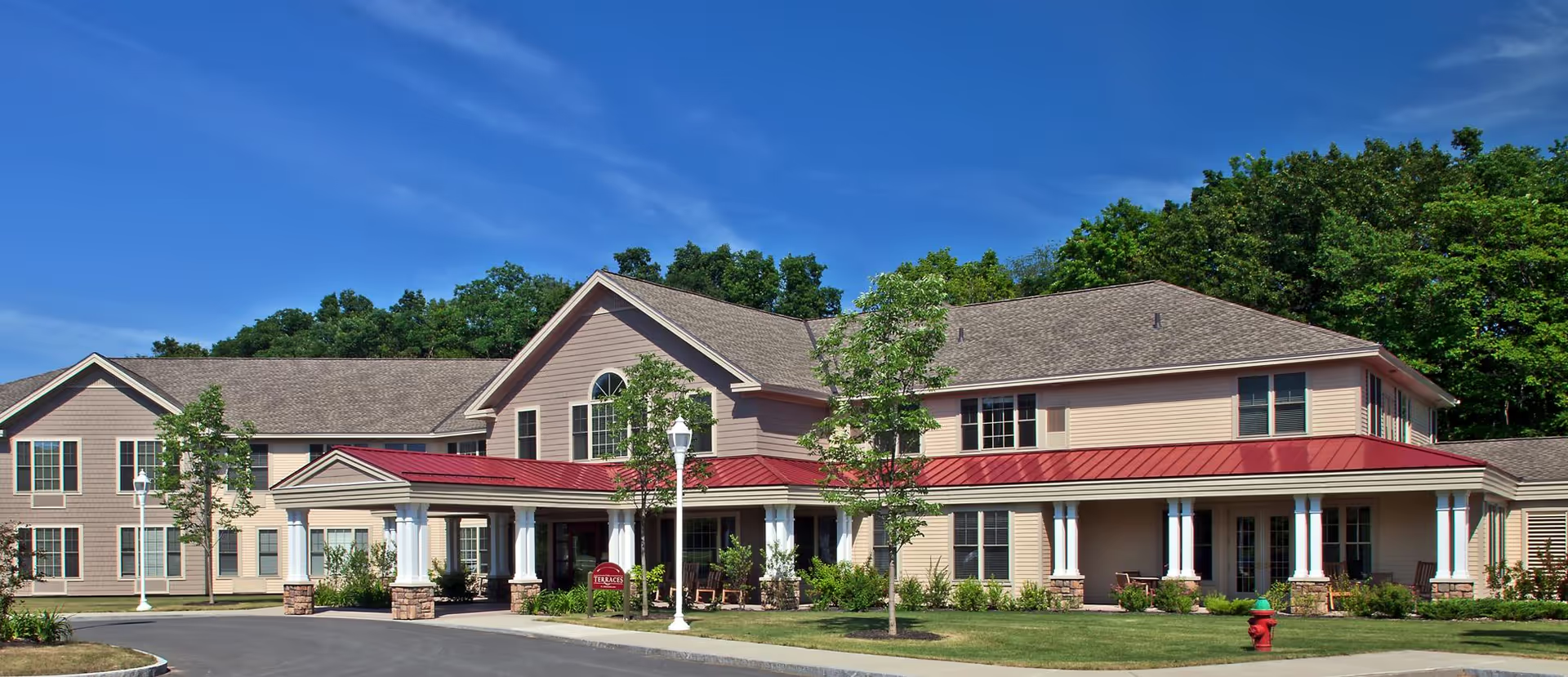
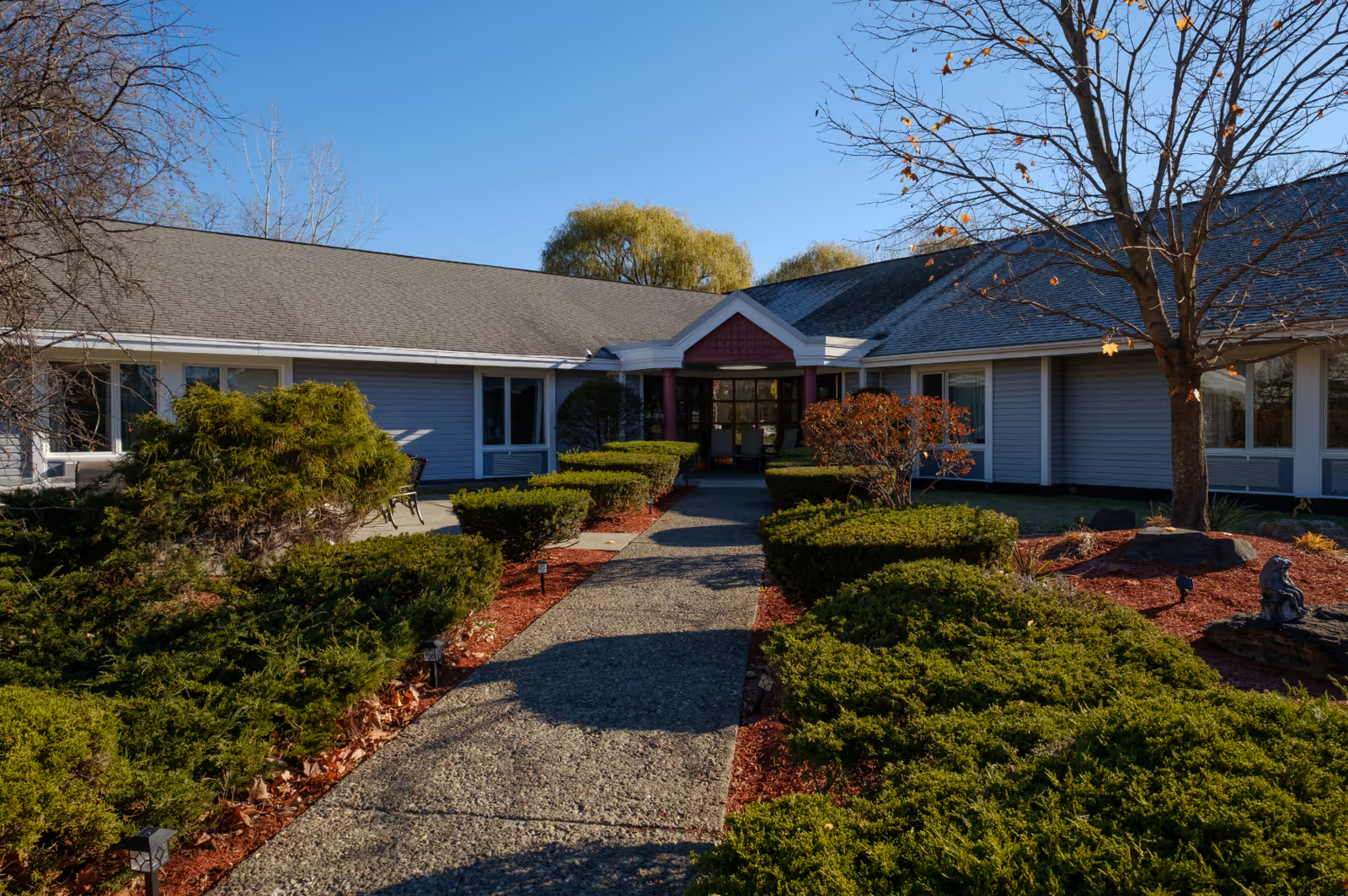
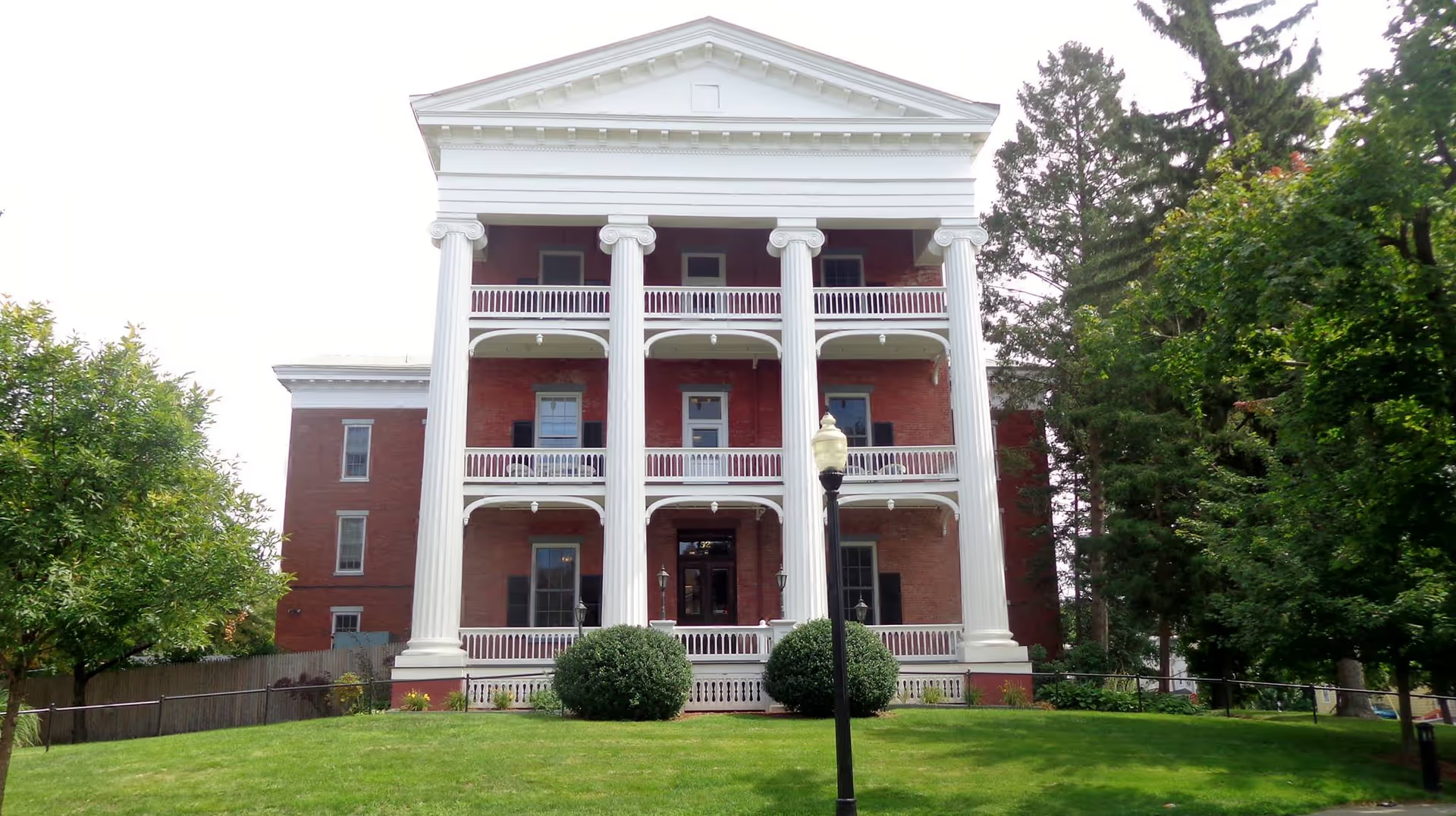
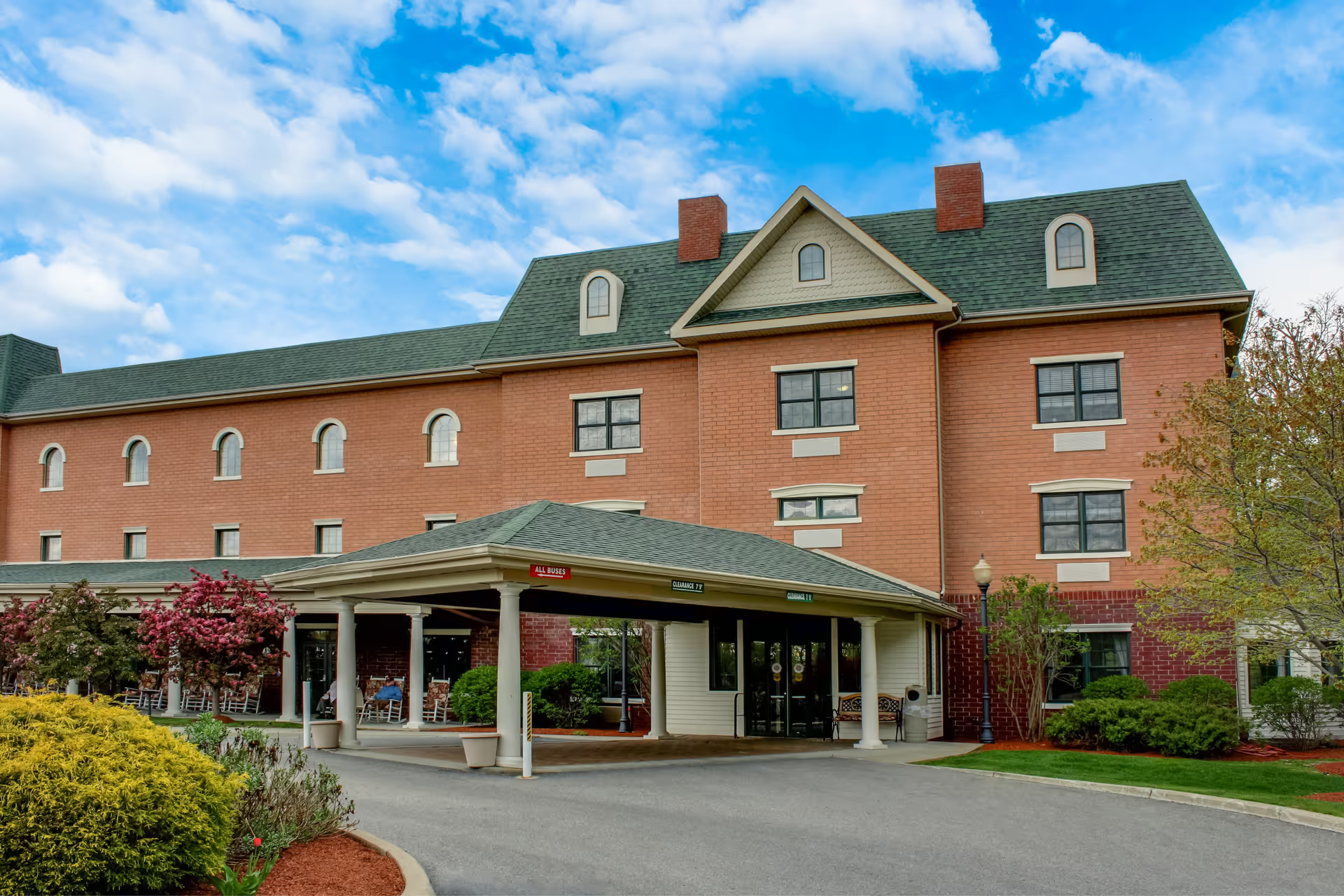
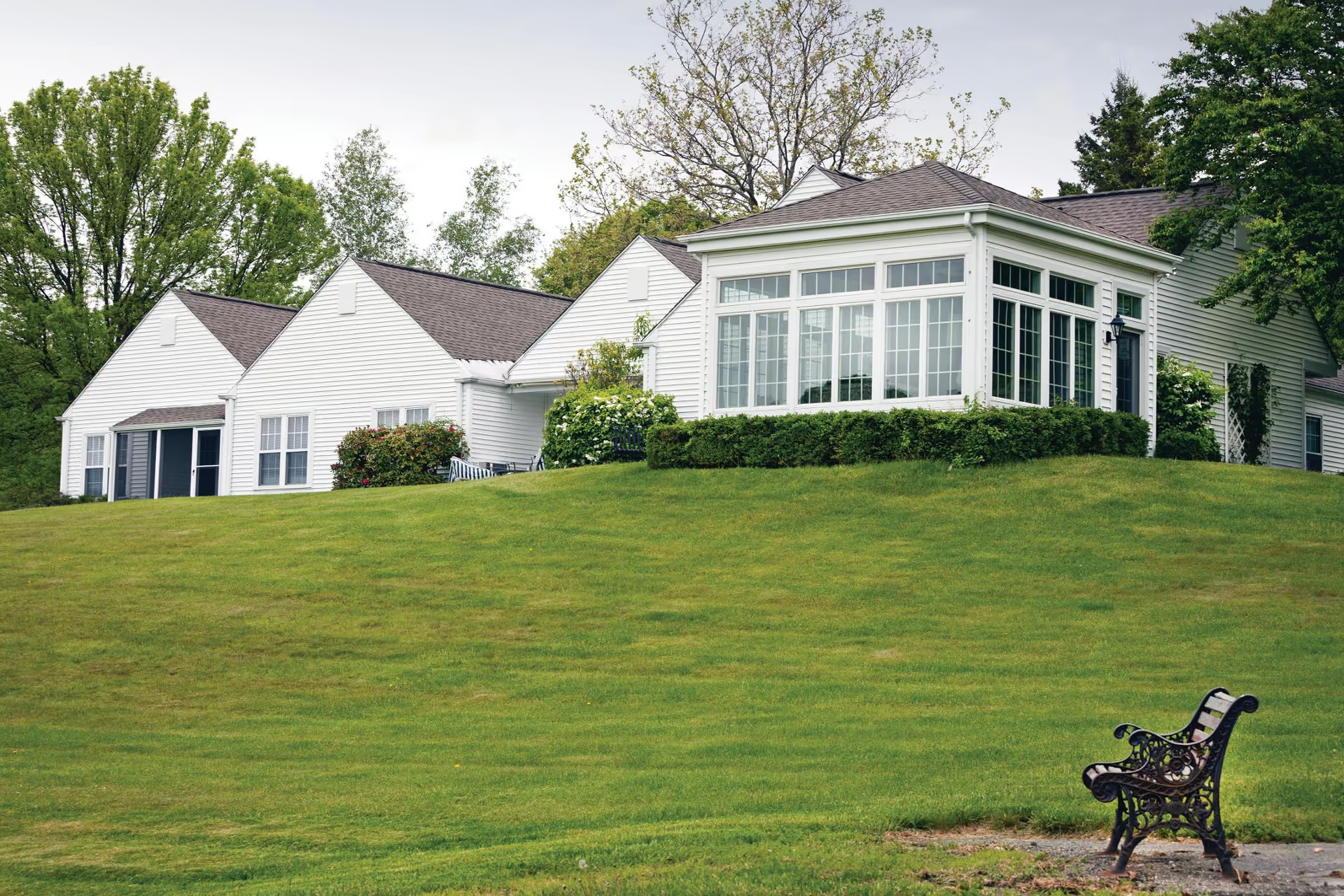
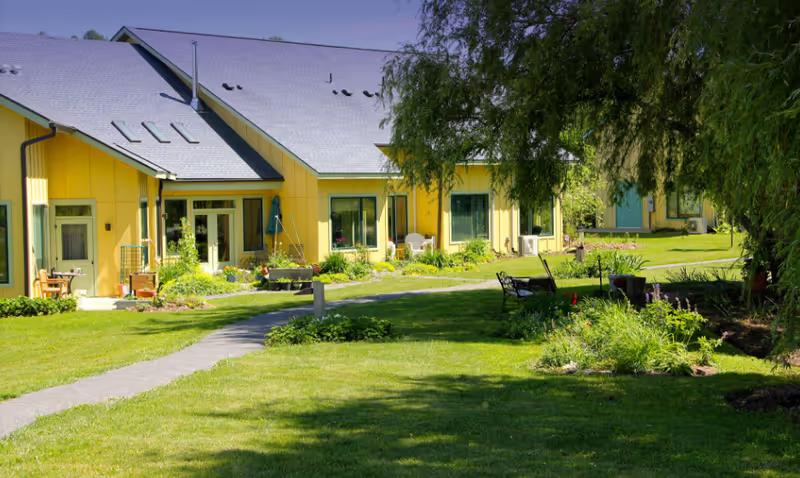
Facilities and logistics: The facility is often described as bright, recently renovated in parts, and well-maintained, with pleasant common areas, an indoor courtyard, and outdoor spaces. Cleanliness is a consistent positive, although isolated comments raise odor or ventilation concerns in certain wings and note unfinished installation issues (for example, windows not sealed or cold rooms). Shared rooms provide space but introduce privacy trade-offs. Practical logistics such as limited handicap parking, long walks from the front entrance to some units, and higher-than-expected cost relative to local alternatives are also mentioned.
Patterns and recommendations: Overall, Tenbroeck presents a strong rehabilitation and social environment supported by many committed staff members. The most consistent operational weaknesses are staffing variability, inconsistent execution of clinical and dietary orders, and uneven administrative responsiveness. Prospective residents and families who prioritize strong therapy services and active social programming should consider Tenbroeck, while also asking targeted questions during tours: current staffing ratios by shift, weekend clinical coverage, medication-administration safeguards, dietary accommodation protocols, unit-specific ventilation/odor controls, visitor/parking logistics, and the facility's complaint-resolution processes. These inquiries can help align expectations with the facility's strengths and identify any risk areas for an individual resident's needs.