Overview: Reviews of Livingston Hills Nursing and Rehabilitation Center are polarized, with clear strengths in clinical rehabilitation and individualized caregiving but recurring operational and environmental concerns. Many families described strong therapy programs and staff members who provided attentive, compassionate care; at the same time, multiple accounts point to systemic issues that affect day-to-day safety, cleanliness, and the consistency of services.
Care and staff: The facility receives consistent praise for its physical, occupational, and speech therapy teams, including examples of measurable recovery and functional gains. Several reviewers also praised specific nurses and aides for compassionate, patient-focused care and for providing clear prognosis and pain management. However, a recurrent pattern of understaffing, shift-to-shift variability, and inconsistent responsiveness was reported. These staffing gaps are linked to delays in attending to residents, missed assistive needs, and uneven interaction quality; reviewers described both highly dedicated staff and situations where resident needs were not addressed promptly. Concerns about staff conduct and communication tone, as well as occasional medication or prescription delays, were also mentioned.
Dining and nutrition: Dining experiences were described as highly inconsistent. Positive accounts cite varied, appealing meals with fresh fruit and attentive service. Conversely, many reviewers reported poor meal quality, menu substitutions, missing items, and challenges in meeting dietary restrictions. There were also complaints about food management processes and occasional loss of resident food or personal items. Overall, meal-service continuity and nutritional consistency appear to be areas needing improvement.
Activities and therapy programming: Recreational programming and social engagement are often highlighted as strengths. Families noted active calendars with BBQs, themed events, church services, games, an art program, and outdoor access that contribute to social stimulation. Therapy staff were frequently described as effective and motivating, and several residents experienced meaningful functional improvements. That said, some reviewers described short or overbooked therapy sessions and inconsistent therapy scheduling, indicating a gap between program quality and availability across all residents.
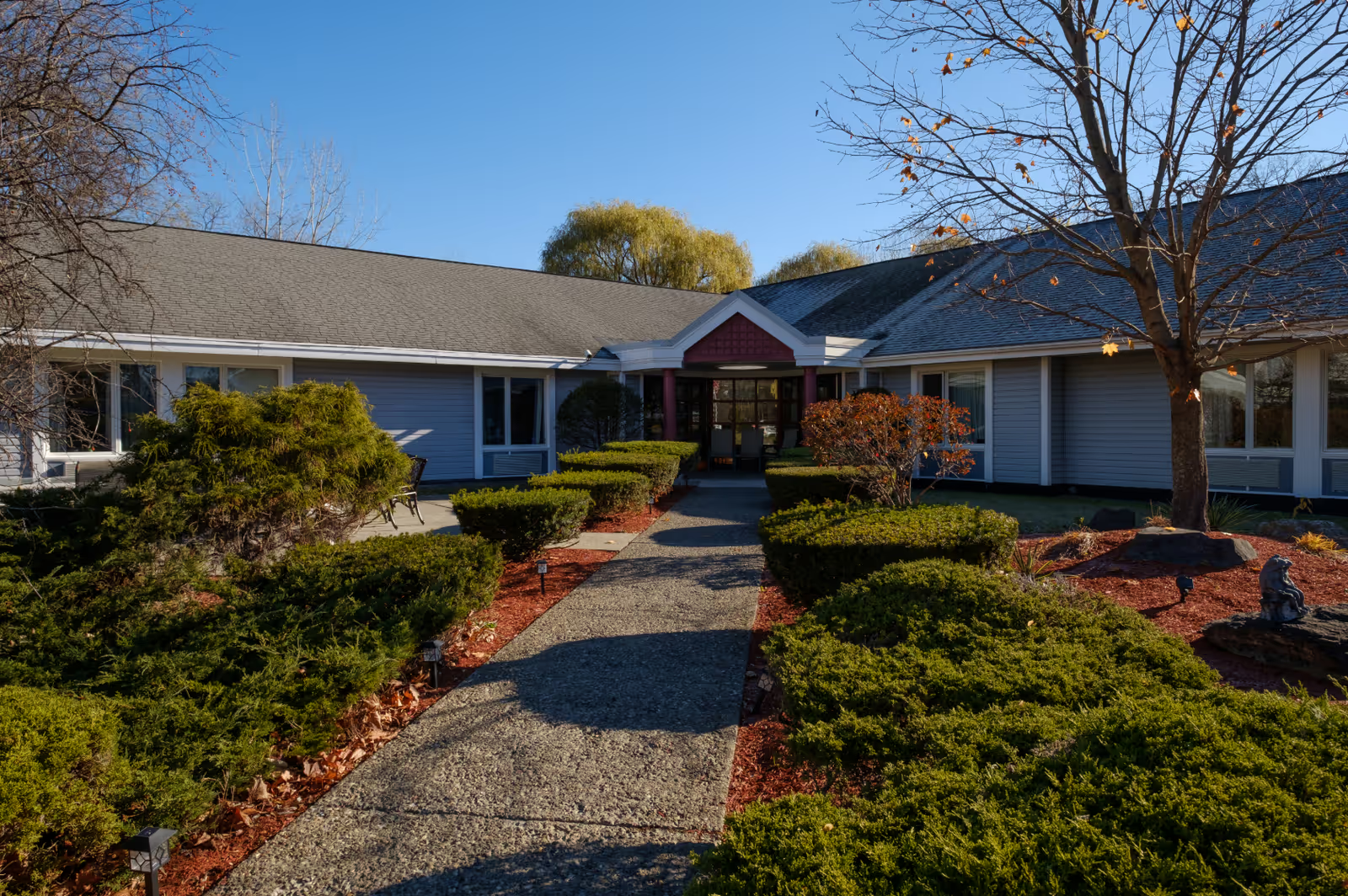
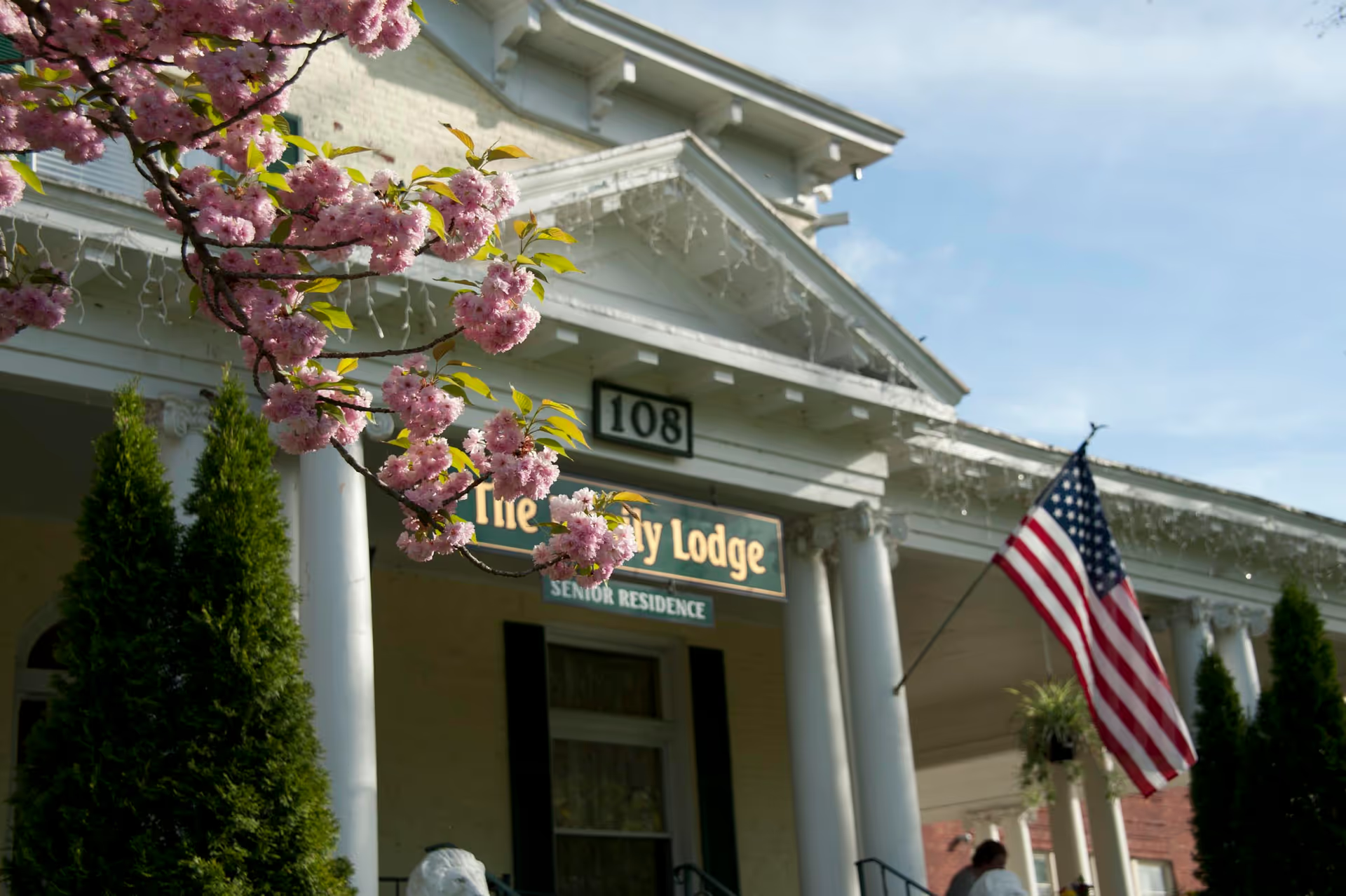
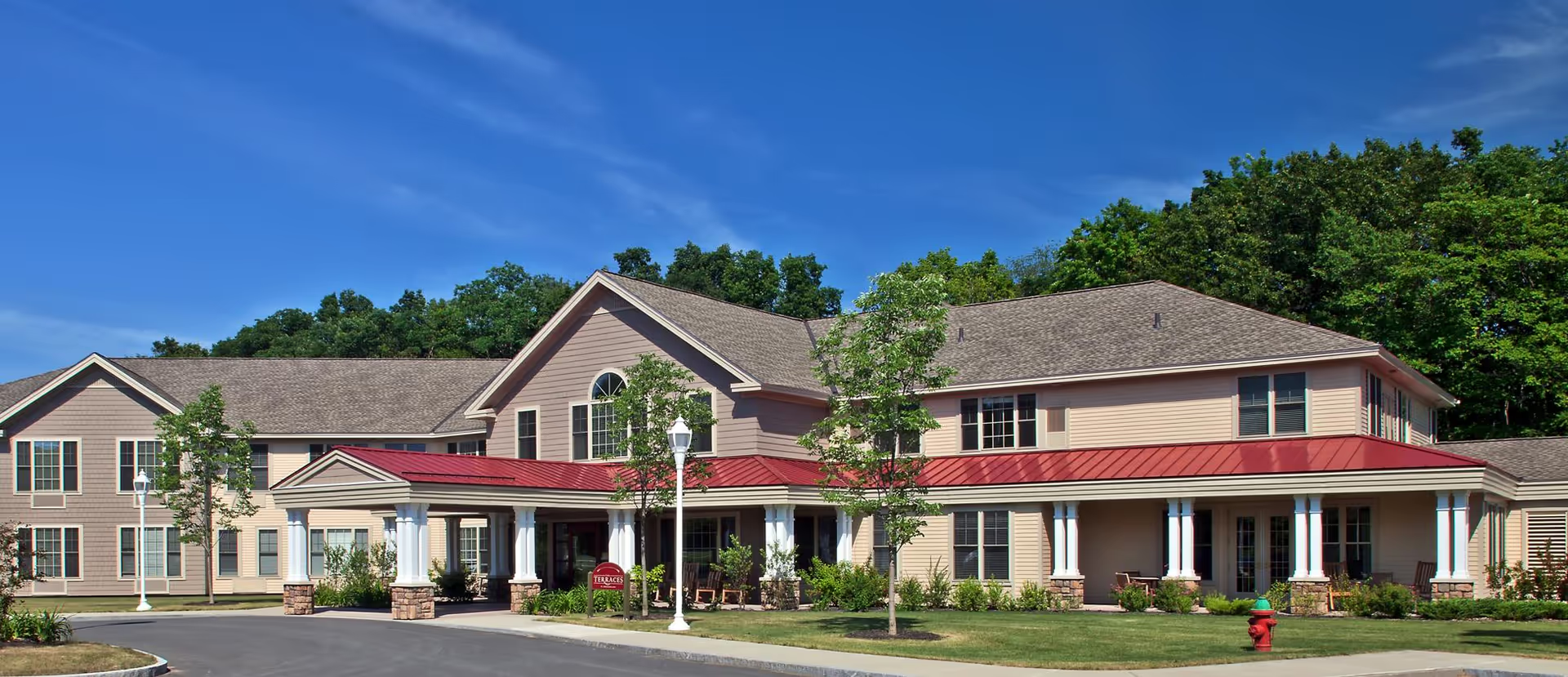
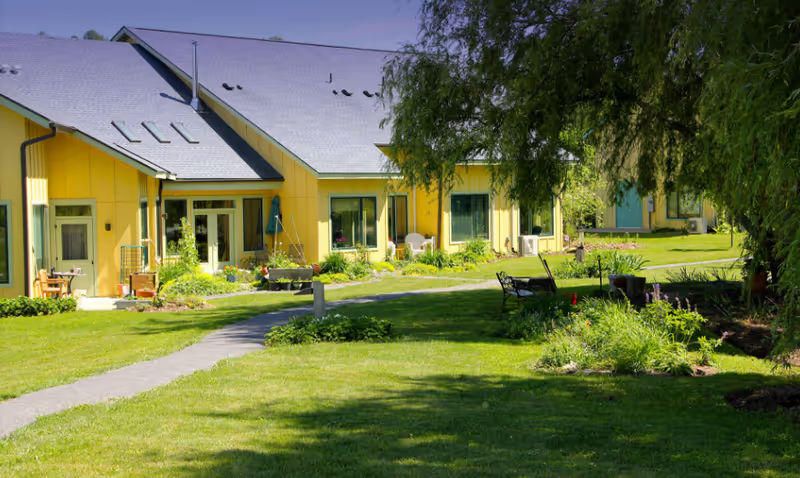
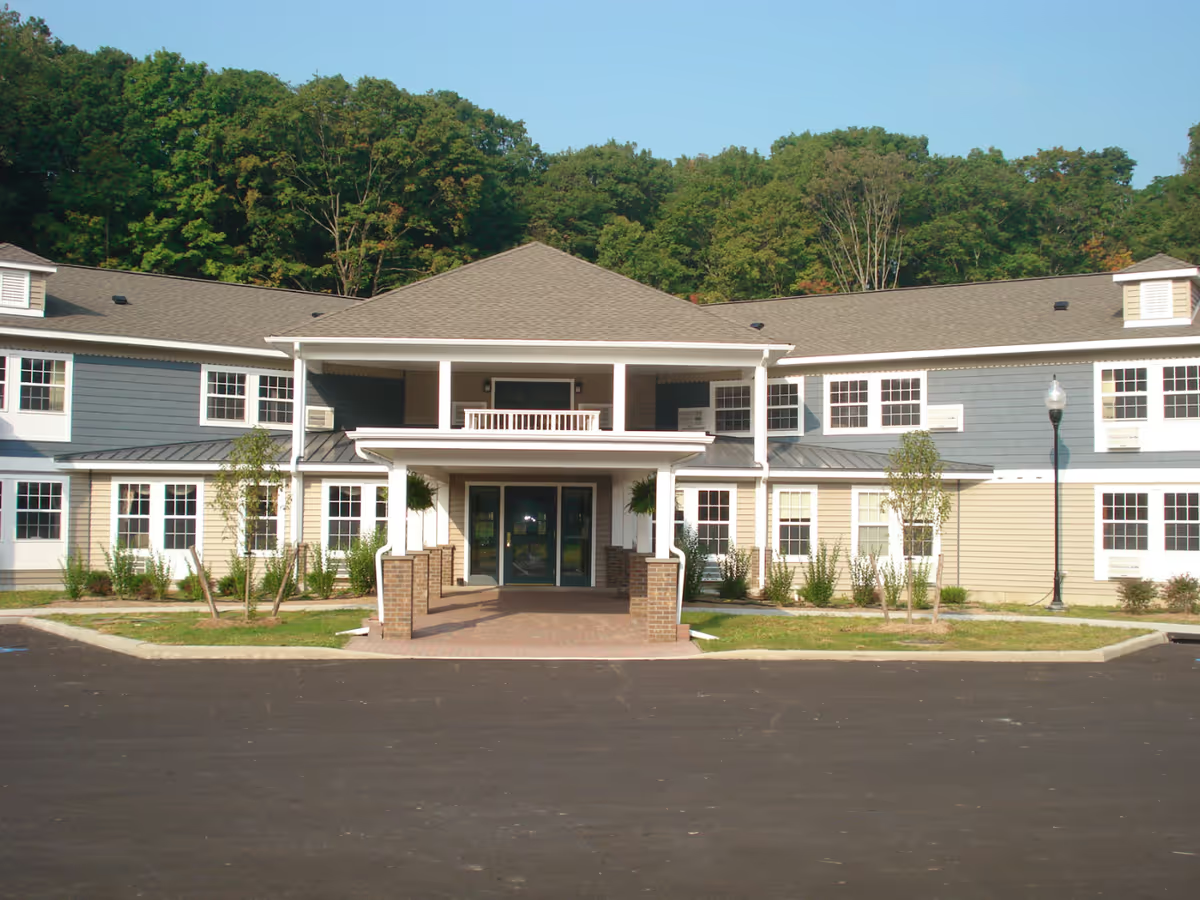
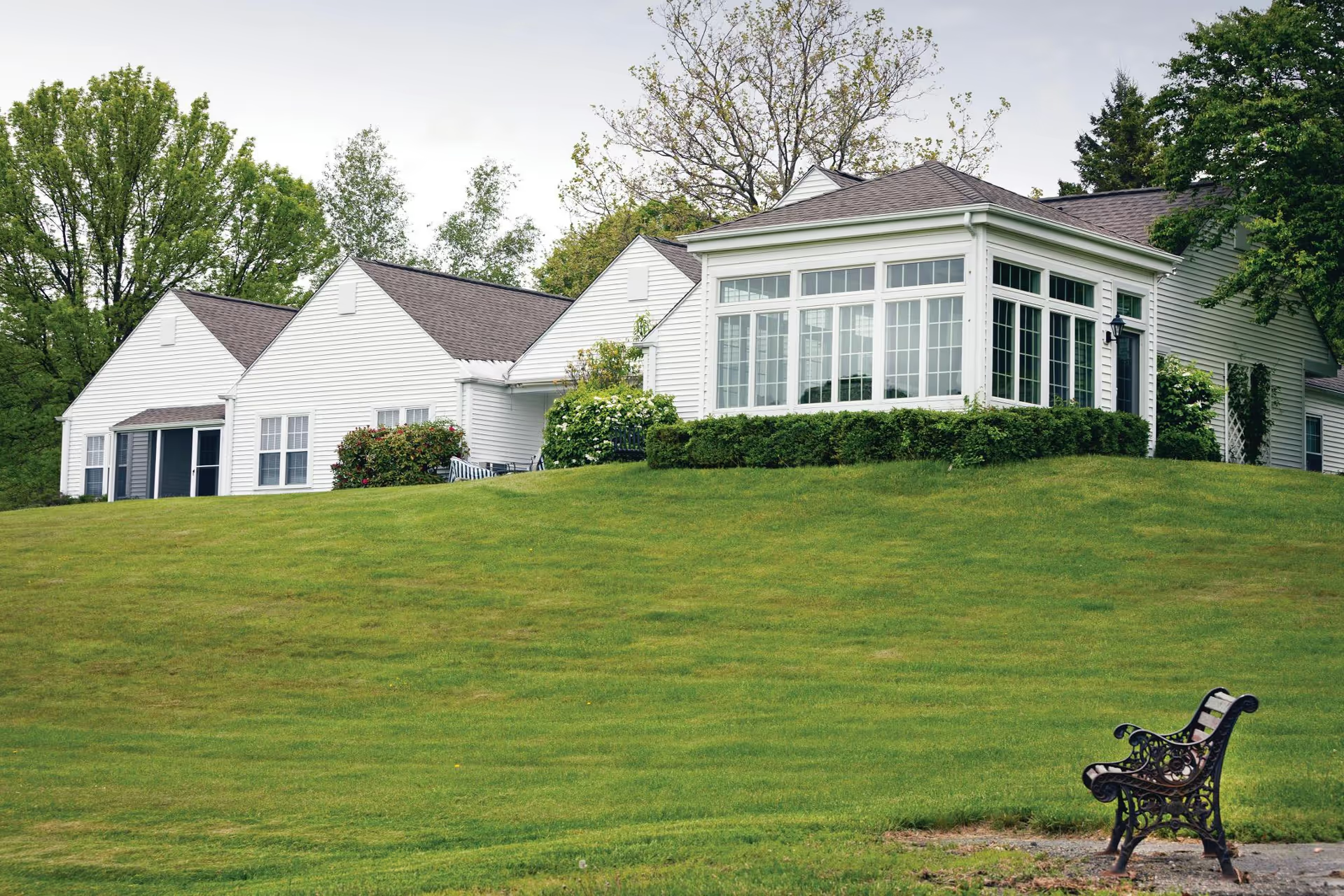
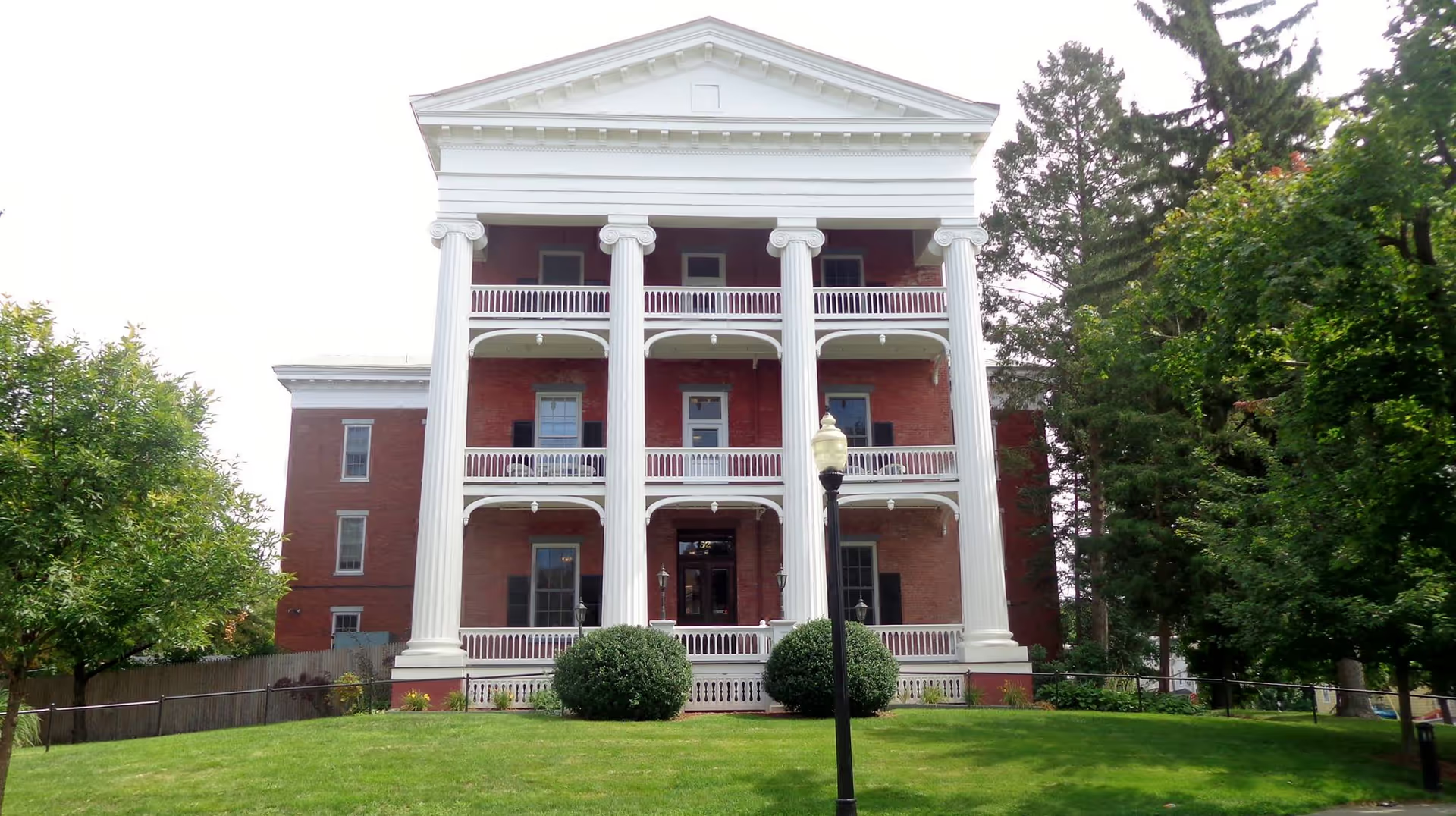
Facilities and maintenance: Reports about the physical environment are mixed. Multiple reviewers praised clean reception areas, attractive grounds, gardens, and bright communal spaces with scenic views. At the same time, recurring maintenance and sanitation concerns were raised—examples include apparent lapses in housekeeping frequency, odor concerns in specific wings, water intrusion and flooring hazards, potholes in the driveway, and outdated building areas. These infrastructure issues were sometimes linked to safety risks and to a perception of uneven upkeep across units.
Management, policies, and transparency: Some families appreciated visible leadership, responsive management, help with financial questions, and proactive facilitation of family contact. Conversely, other reviewers described unclear billing or documentation practices, confidentiality and record-keeping gaps, and restrictive or inconsistently applied visitation policies. A regulatory survey and required corrective actions were noted, suggesting that at least some operational deficiencies have been formally identified. Reports also raised concerns about potential inequitable care related to financial arrangements.
Notable patterns and guidance: The overall picture is one of pronounced variability—residents and families frequently describe either very positive rehabilitation/clinical experiences or significant operational and environmental shortcomings. Patterns to watch for during a visit include staffing levels on the unit and at shift change, timeliness of call responses, evidence of regular housekeeping and laundry routines, meal-service processes and dietary accommodations, visible maintenance issues, and clarity of billing/medical documentation. For prospective residents and families, direct observation during different shifts and conversations with therapy staff, nursing leadership, and the administrator are advisable to assess whether the strengths important to you are consistently present and whether the facility is actively addressing the documented operational gaps.