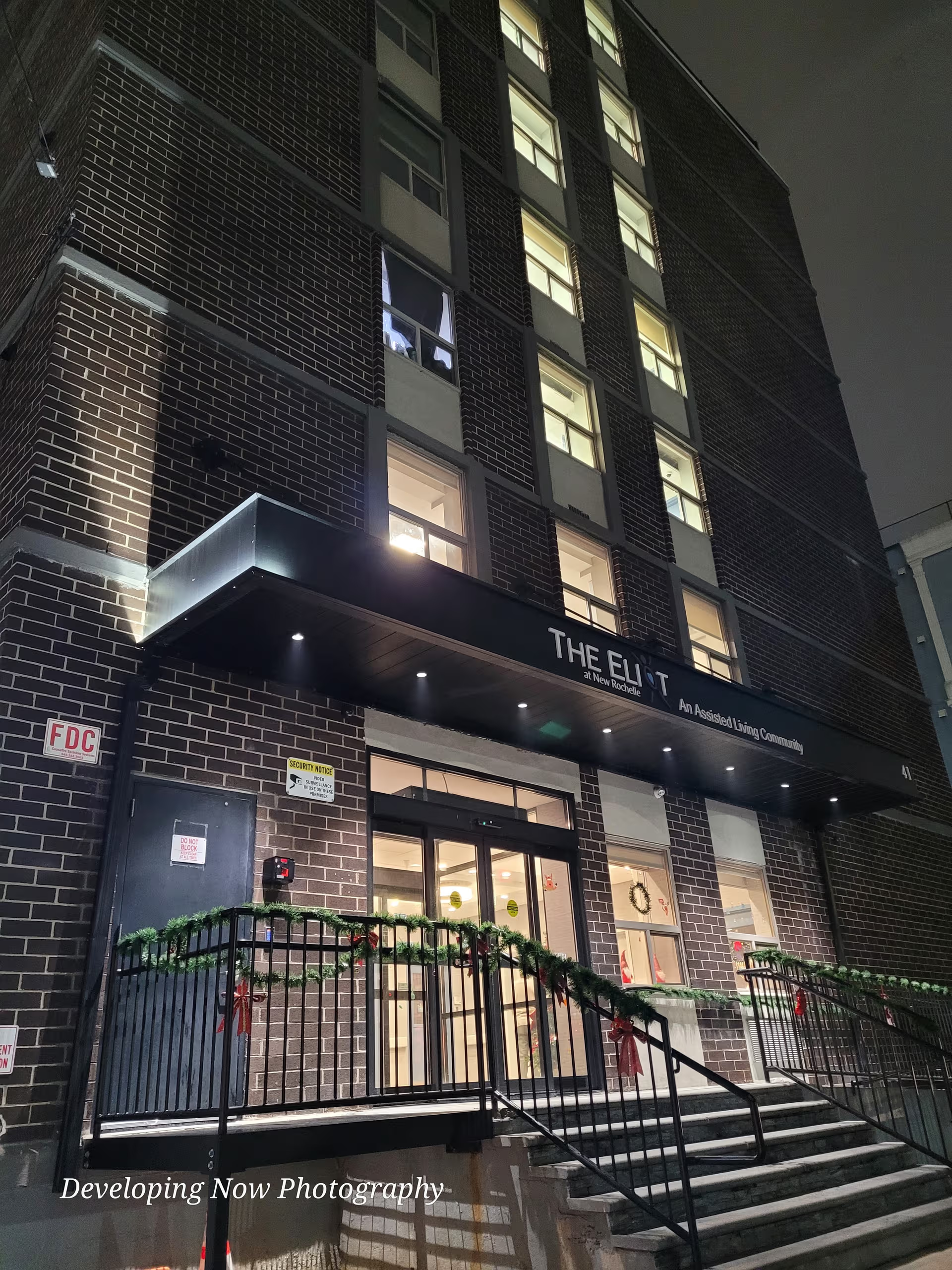
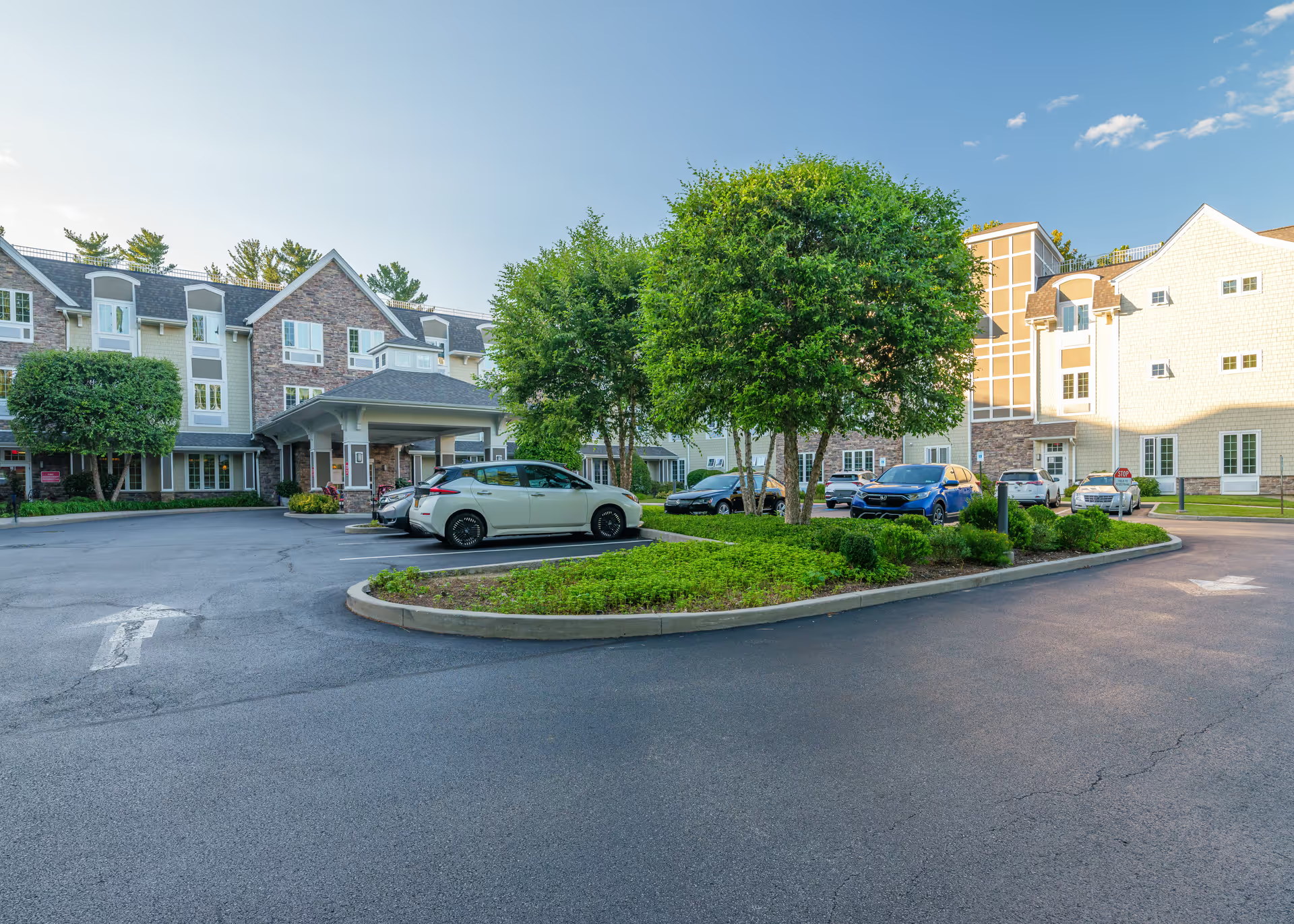
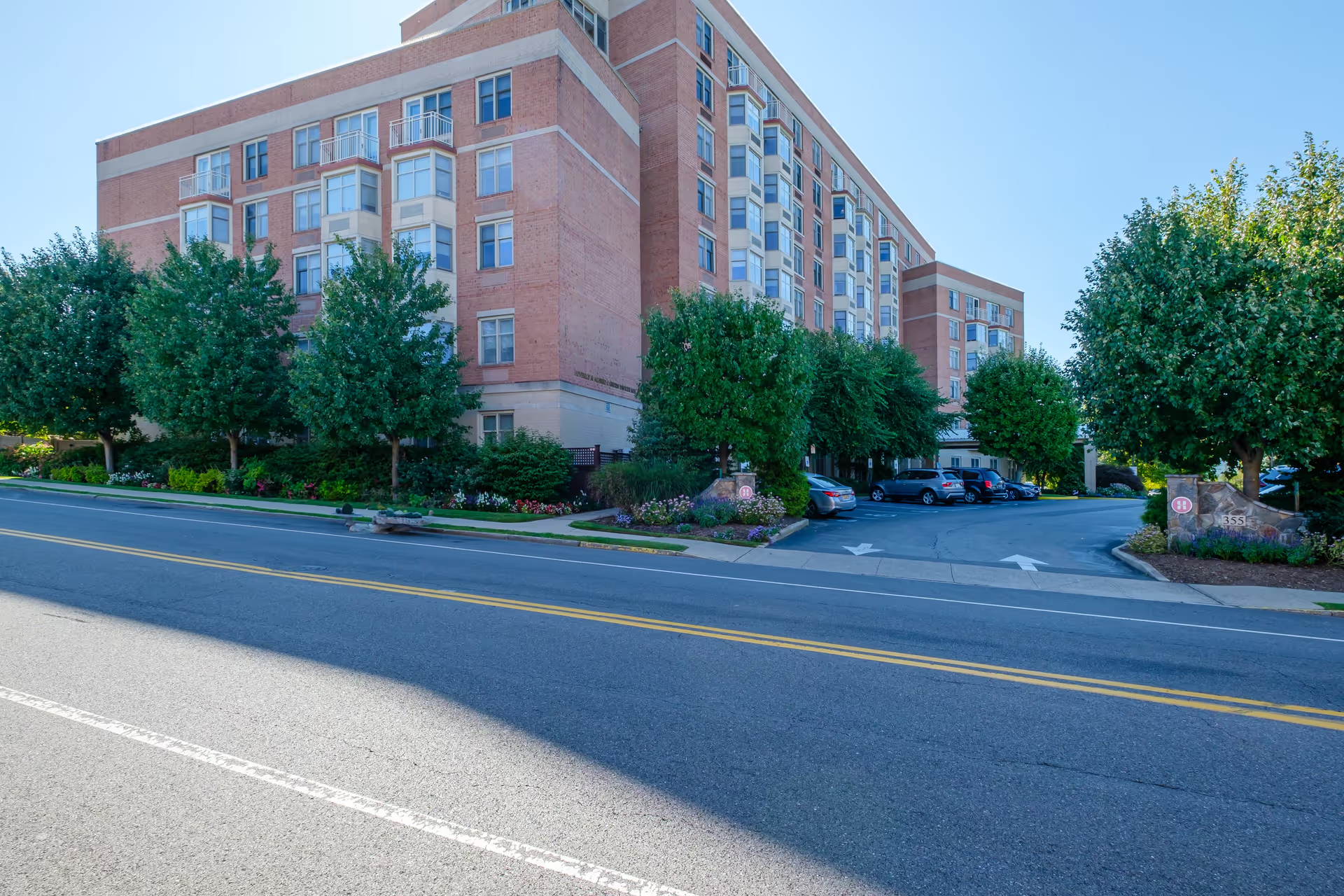
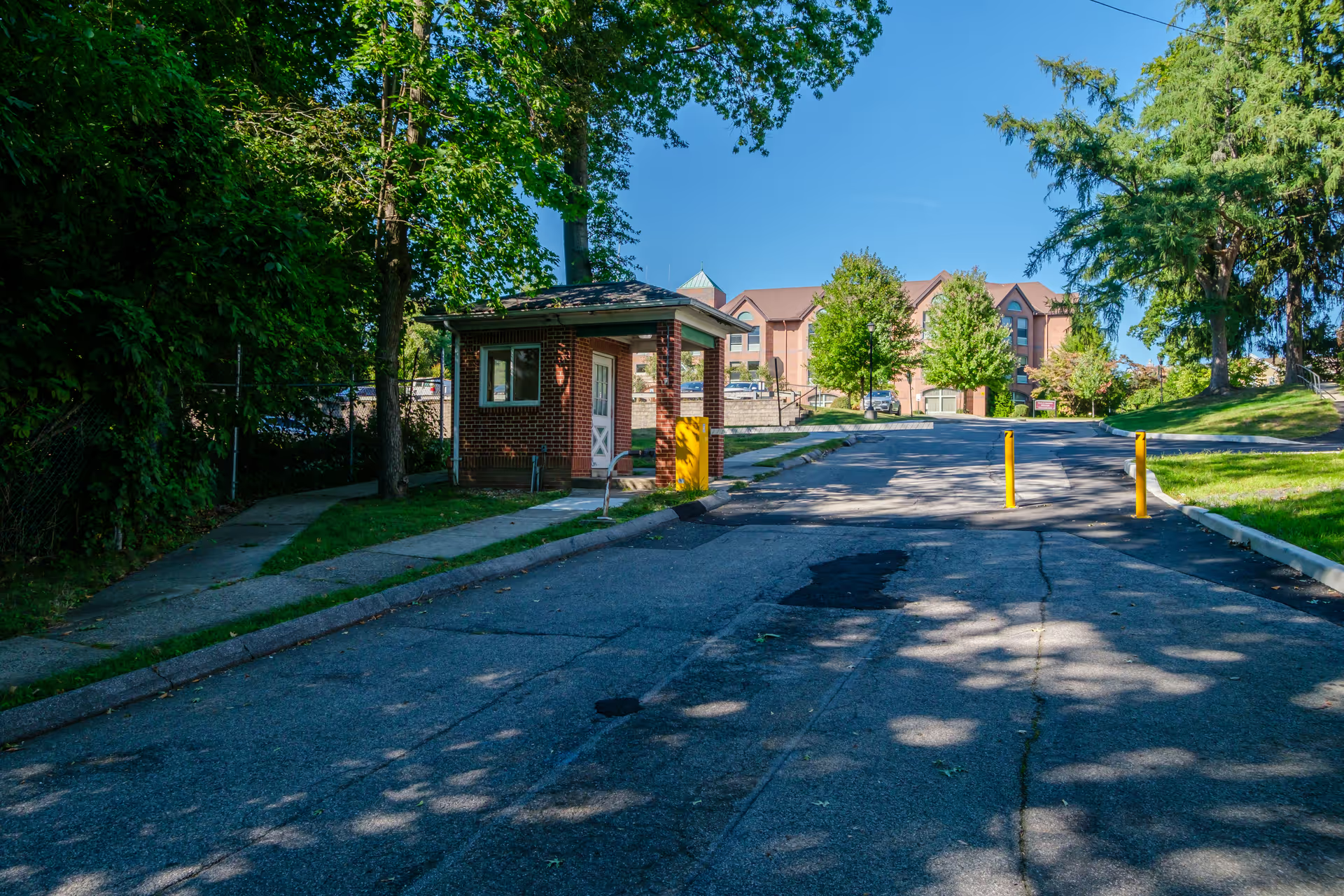
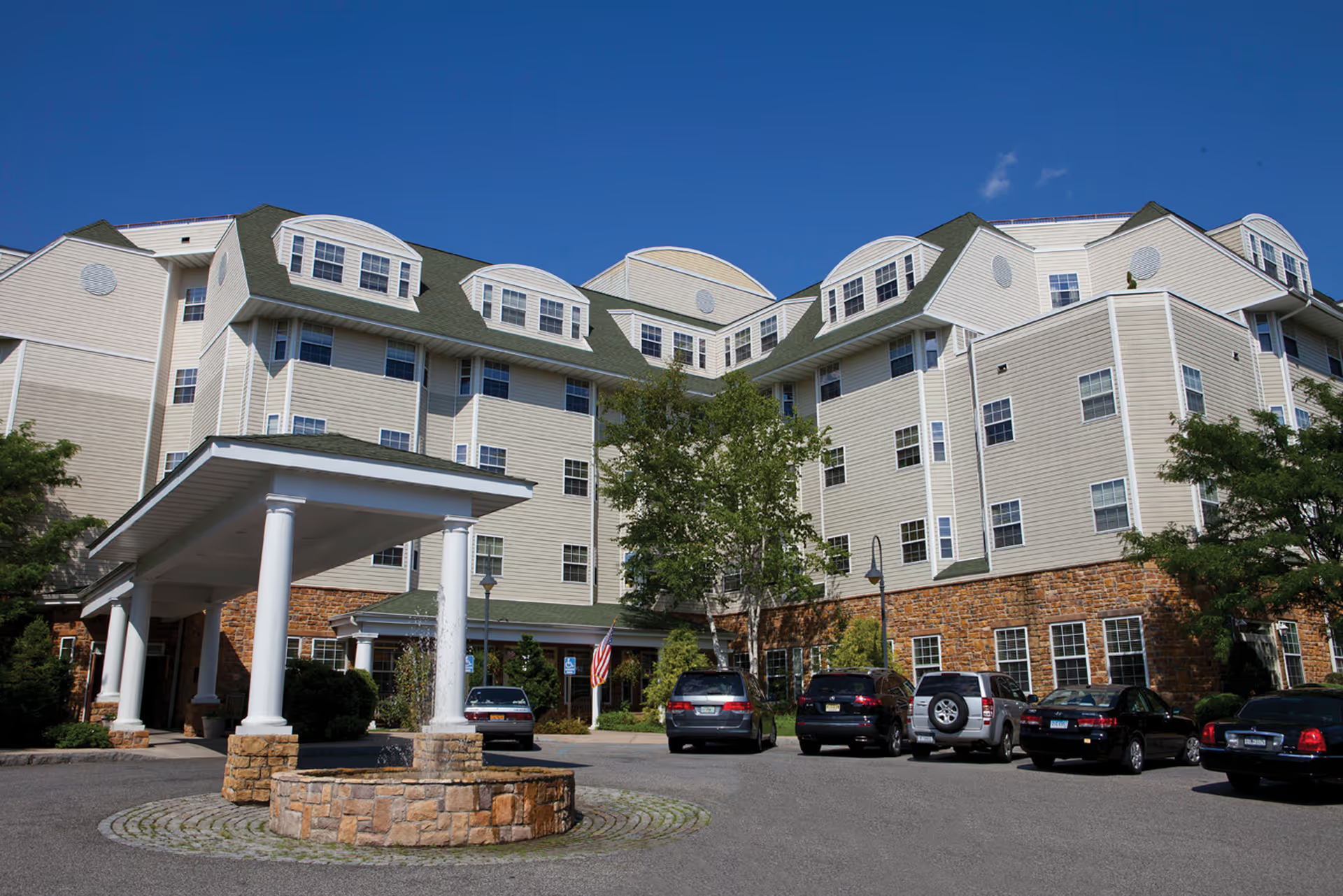
Reviews of The New Jewish Home, Sarah Neuman present a strongly polarized picture: many families describe a clean, well-maintained campus with home-like Small House units, pleasant outdoor spaces, engaging programming (music, religious services, volunteers) and a number of staff and therapy teams who deliver attentive, effective rehabilitation and nursing care. Positive reports emphasize nutritious, varied meals prepared on-site, accessible social work support, comfortable communal areas and visible security at building entry. Several reviewers specifically praised individual caregivers, therapy outcomes, and the facility’s bright, airy rooms and garden spaces.
Counterbalancing these positive accounts are repeated operational concerns that point to inconsistent performance across shifts and units. The most common theme is staffing variability: nights, weekends and certain units are described as understaffed, with resulting delays in responding to call bells and assistance requests. Alongside staffing issues reviewers describe lapses in medication administration and documentation, inconsistent bathing and hygiene assistance, and gaps in clinical oversight that in some cases prompted hospital transfers. Several accounts raise concerns about discharge planning and care transitions, including difficulty arranging safe transport and incomplete discharge documentation.
Dining and activities are also mixed in reviewers’ experience. Many families praise the on-site kitchen, varied menus and dietary accommodations, while others note episodes of limited meal variety, shortened meal periods, or inconsistent meal quality. Activity programming is generally described as robust in some houses (music events, volunteers, religious services), but other reviews point to limited or canceled activities—particularly on dementia units—creating variability in resident engagement depending on unit and shift.
Management, communication and safety processes emerge as additional areas of variability. Some reviewers describe proactive, responsive leadership and clear family communication; others cite delayed or poor incident notification, difficulty reaching nursing supervisors by phone, and frustration with complaint resolution. More serious allegations appear in a subset of reviews — including missing personal belongings, documentation concerns, and delayed clinical interventions — which suggest the need for stronger inventory, surveillance, documentation and escalation processes. Overall the pattern is of a facility with many operational strengths and pockets of high-quality care, coupled with recurrent, shift- and unit-specific weaknesses that can materially affect resident experience.
For prospective residents and families: a focused visit and targeted questions are advisable. Ask about current staffing ratios by shift and unit, protocols for call-light response times, medication-administration safeguards, wound- and post-fall protocols, discharge-planning procedures, surveillance and personal-belonging policies, and on-unit activity schedules (especially for dementia care). Request recent inspection or complaint-resolution summaries, and, if possible, speak with families whose relatives are currently in the specific house or unit you are considering to assess consistency of care across times and teams.