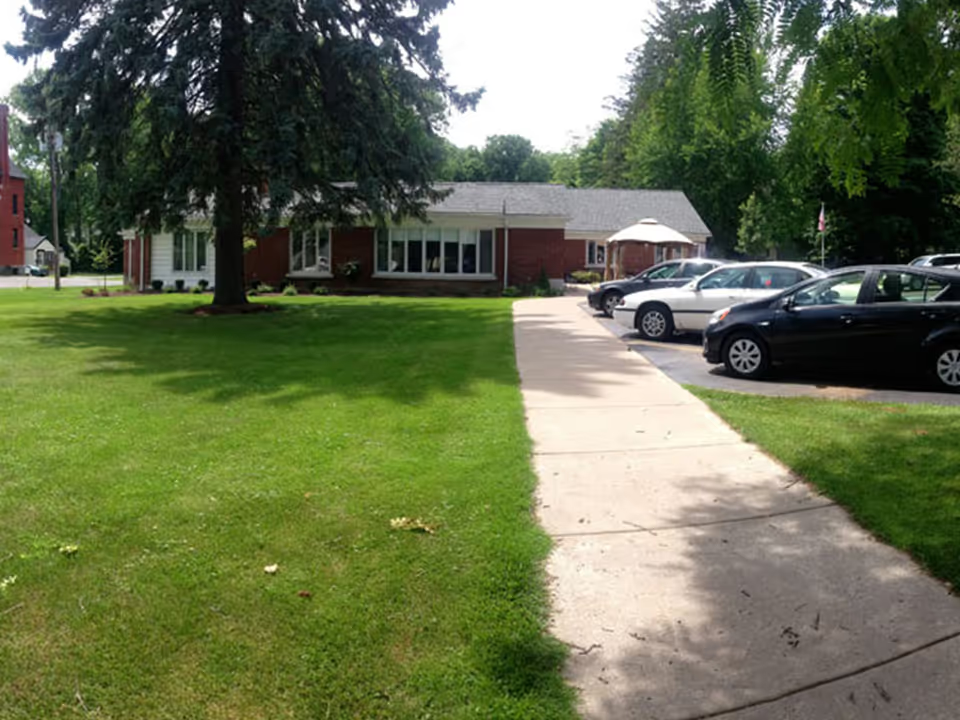
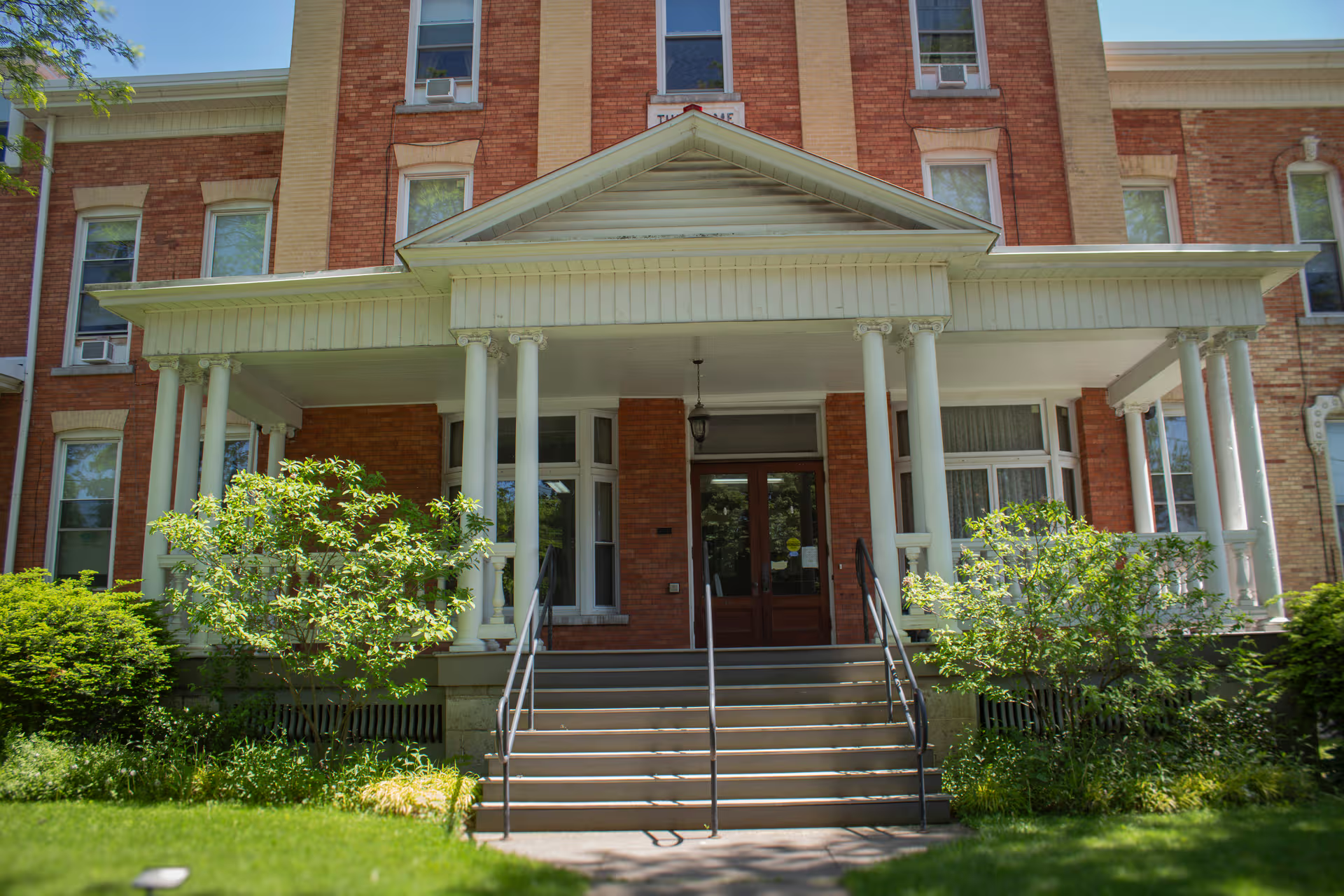
The reviews show a mixed picture of Schuyler Hospital & Long Term Care Unit. Many accounts highlight clear strengths: a clean, bright physical environment; attentive and caring nursing staff and nurse practitioners; organized interdisciplinary care meetings; supportive billing and insurance assistance; and higher-than-expected meal quality with substitution options. Scheduled activities and a predictable dining schedule were appreciated by families who emphasized the importance of routine. Several reviewers also praised efforts to keep families informed and noted that roommate matching was handled thoughtfully.
Care and staffing perceptions vary. Positive descriptions emphasize compassionate caregivers, good communication from primary clinical staff, and responsiveness to clinical questions. Conversely, a number of reviews describe delayed responses to resident needs, concerns about medication practices, and perceived shortcomings in clinical assessment or diagnosis. There are also isolated, serious claims concerning staff conduct that may require administrative review; those claims suggest the facility should ensure robust policies for staff behavior, reporting, and investigation. Overall, staffing and care quality appear inconsistent across different shifts or units.
Dining and activities are generally reported as strong points. Several reviewers were impressed with food quality and appreciated menu flexibility and substitutions. The presence of scheduled activities such as bingo and structured mealtimes was noted as useful for residents who benefit from routine. Prospective families should ask about the activities calendar and sample menus to confirm fit with a resident’s preferences.
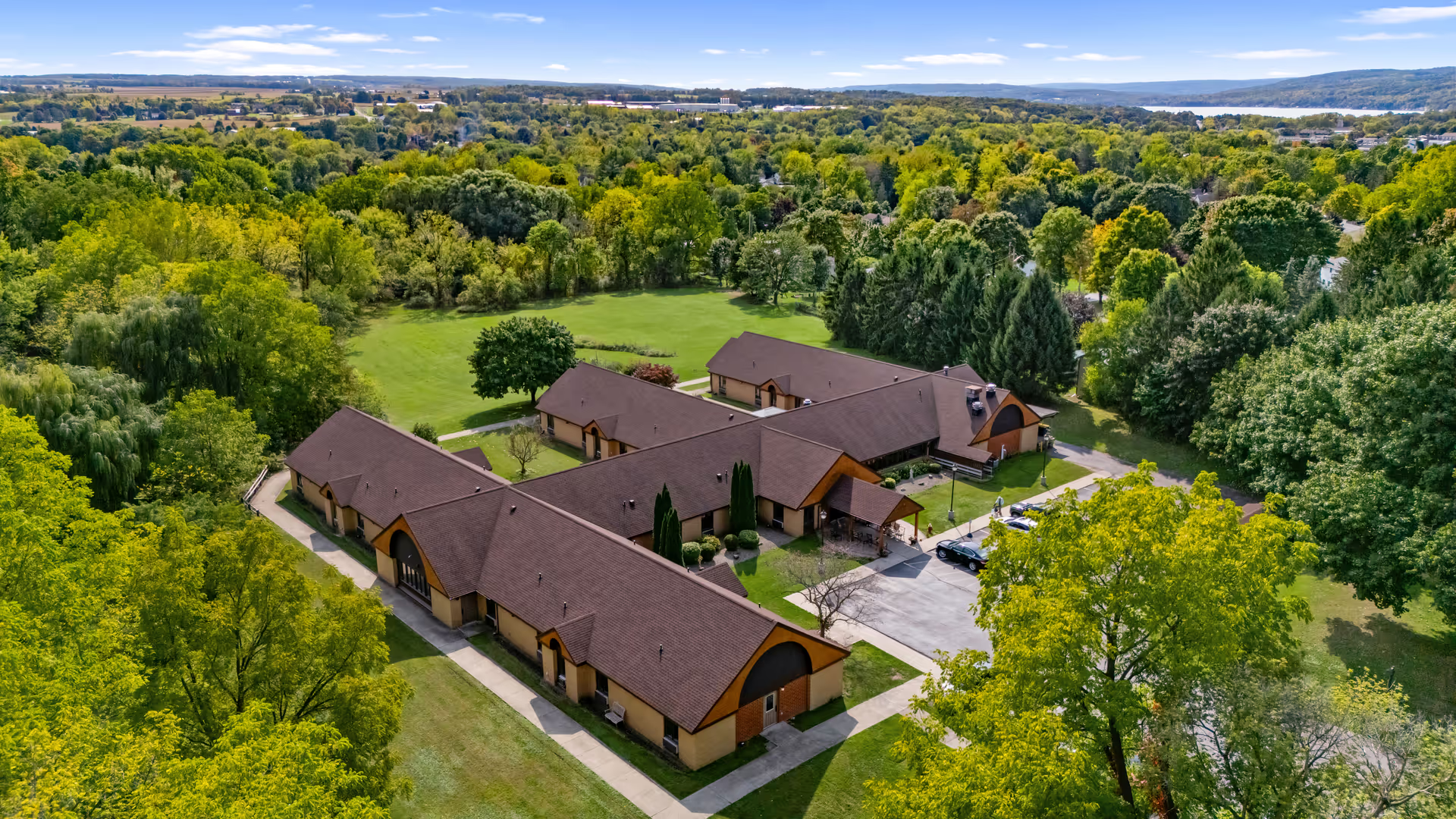
Facility condition and cleanliness receive largely positive remarks, with the building described as clean and well maintained. However, other reviews raise concerns about sanitation and personal-care practices in particular situations, suggesting variability in day-to-day implementation of hygiene and grooming protocols. These divergent reports indicate that cleanliness standards may be uneven across units or shifts.
Management and admissions practices also show inconsistency. Positive feedback includes helpful administrative support around billing and coordinated care meetings. At the same time, there are accounts of poor admissions communication and unreturned callbacks, which led at least one family to pursue other placement options. One review referenced a resident death and a subsequent request for more information, indicating families may sometimes need additional support around end-of-life communication.
Notable patterns for prospective residents and families: the facility demonstrates clear operational strengths in meals, communal spaces, and some clinical staff, but experiences appear uneven—ranging from well-coordinated care to concerns about response times, clinical assessment, medication handling, and staff conduct. Recommended pre-admission questions include current staffing ratios by shift, processes for managing medications and clinical changes, protocols for responding to call lights and urgent needs, procedures for reporting and investigating staff conduct complaints, sample menus and activity schedules, unit-level cleanliness standards, and the admissions point-of-contact and escalation pathway. Asking for recent care-plan meeting examples and references from current families may help assess consistency in the areas most important to you.