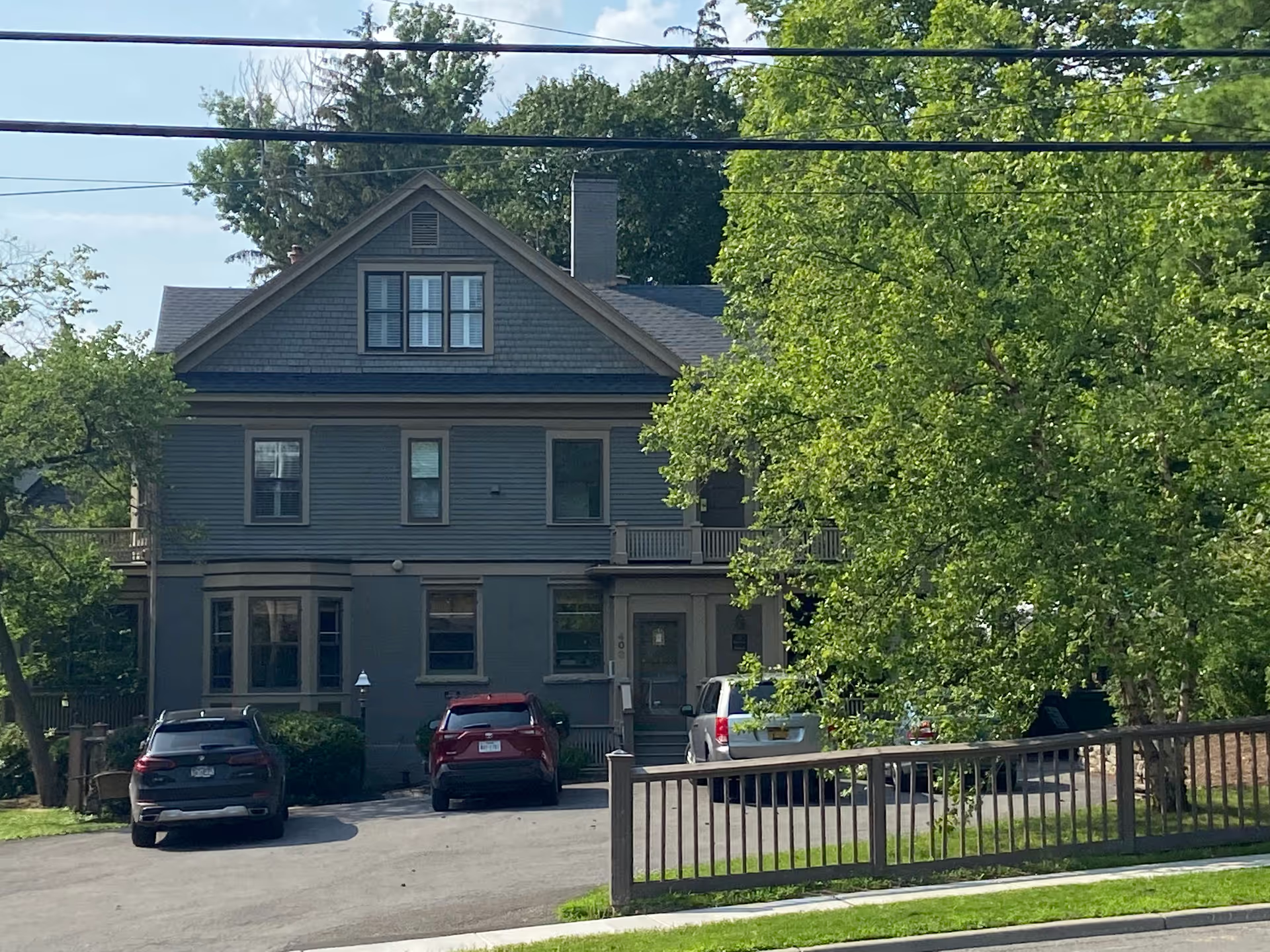
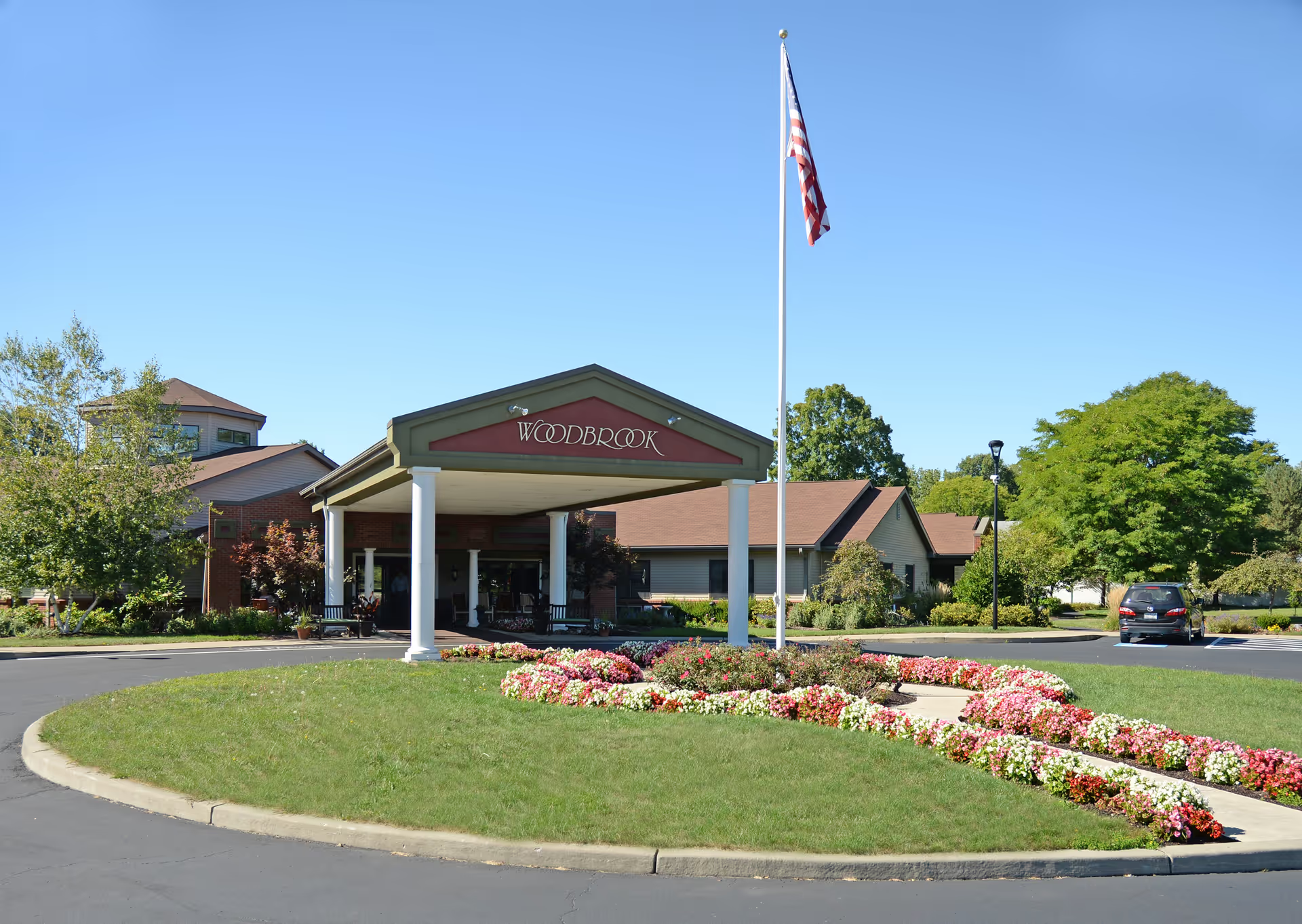
Brookdale Castle Gardens is consistently described as a clean, attractive community with a home-like atmosphere and active social programming. Many families and residents praise the facility’s public spaces and apartment layouts, timely housekeeping and maintenance, and the presence of on-site amenities such as a salon, courtyard, walking path, and scheduled transportation. The community also offers a separate memory-care unit and staff noted for dementia training, which several families identified as a strength for residents with cognitive impairment.
Direct-care staff, front-desk personnel, and admissions/placement teams receive frequent positive mention for being friendly, compassionate and responsive. Activity programming is regularly highlighted: reviewers note a creative activities director, a wide range of daily and themed events, field trips, walking clubs and virtual-reality or specialty offerings that support social engagement. Many residents report feeling accepted, engaged and well-integrated when programming meets their interests, and long-tenured staff in some departments contributes to a family-like environment.
Dining and clinical care show mixed patterns. While numerous reviewers describe meals as good, attractively presented, and accommodating of dietary needs, an equally strong thread of feedback points to inconsistent meal preparation, overcooked or cold dishes, and occasional reliance on processed offerings. Operational interruptions to the kitchen have been cited, and families expressed concern about meal-credit policies when residents miss meals. Clinically, the community appears well-suited for independent and assisted living needs, but reviewers raised concerns about the facility’s ability to manage higher-acuity medical needs. Examples include delays or variability in assistance during personal-care tasks, uneven medication documentation, and instances where families believed the level of nursing support was insufficient. These themes suggest gaps in clinical capacity and protocol consistency for residents requiring more intensive care.
Operational and management patterns surface as additional considerations. Several reviews describe variable staffing levels and turnover that can affect responsiveness, transportation reliability, and laundry or personal-item handling. Communication with families is sometimes inconsistent—families reported delays in follow-up, unclear billing or extra fees, and mixed experiences with leadership tone and responsiveness. Infection-control practices (mask use and testing) were described as inconsistent by some reviewers, indicating variability in adherence to posted protocols.
What emerges is a community with many concrete strengths—cleanliness, active programming, engaged direct-care staff, and attractive living spaces—paired with operational variability that can affect dining, clinical responsiveness, and family communication. Prospective residents and families should weigh the strong social and environmental attributes against the need to verify clinical capabilities and clarify billing, transportation, and onboarding procedures during the tour and before move-in. For those whose primary needs are social engagement and low-to-moderate assistance, Brookdale Castle Gardens may offer excellent value; for residents with progressive or higher-acuity medical needs, families should confirm specific clinical services, staffing ratios, and escalation protocols in writing prior to placement.