The reviews for New Paltz Center present a mixed picture, with clear strengths in therapy and individualized attention in many cases alongside persistent operational and facility-level concerns. Positive comments emphasize an effective therapy department, attentive nurses and CNAs, a well-stocked mobile pharmacy, a varied menu, and an active activities program. Several families described successful short-term rehab outcomes, helpful discharge planning, and staff who went above and beyond for residents.
Care quality appears variable. Many reviewers praised compassionate, professional caregivers and result-oriented therapists who supported mobility and discharge goals. At the same time, other families described notable care-process gaps: inconsistent personal-care and bathing schedules, delays in medication administration, and instances where wounds or skin issues were not monitored or escalated promptly. These contrasting accounts suggest that care quality may depend heavily on staffing levels, shift coverage, and individual caregiver performance.
Staffing and conduct are recurring themes. Positive narratives highlight respectful, helpful support staff and nurses who provide attentive care. Conversely, numerous accounts raise concerns about understaffing, high turnover, slow responsiveness to call bells, and inconsistent communication with families. There are also reports that indicate adversarial interactions at reception or with some administrative staff. Taken together, these patterns point to variability in staff experience and management of day-to-day operations.
Dining and activities receive mixed feedback. Several reviews commend nutritious, varied meals and an active activities calendar; other reviewers describe inconsistent meal quality, missing meal components unless requested, and problems with meal-service continuity. Laundry and linen services are frequently noted as a strength, with clean linens reported by many families.
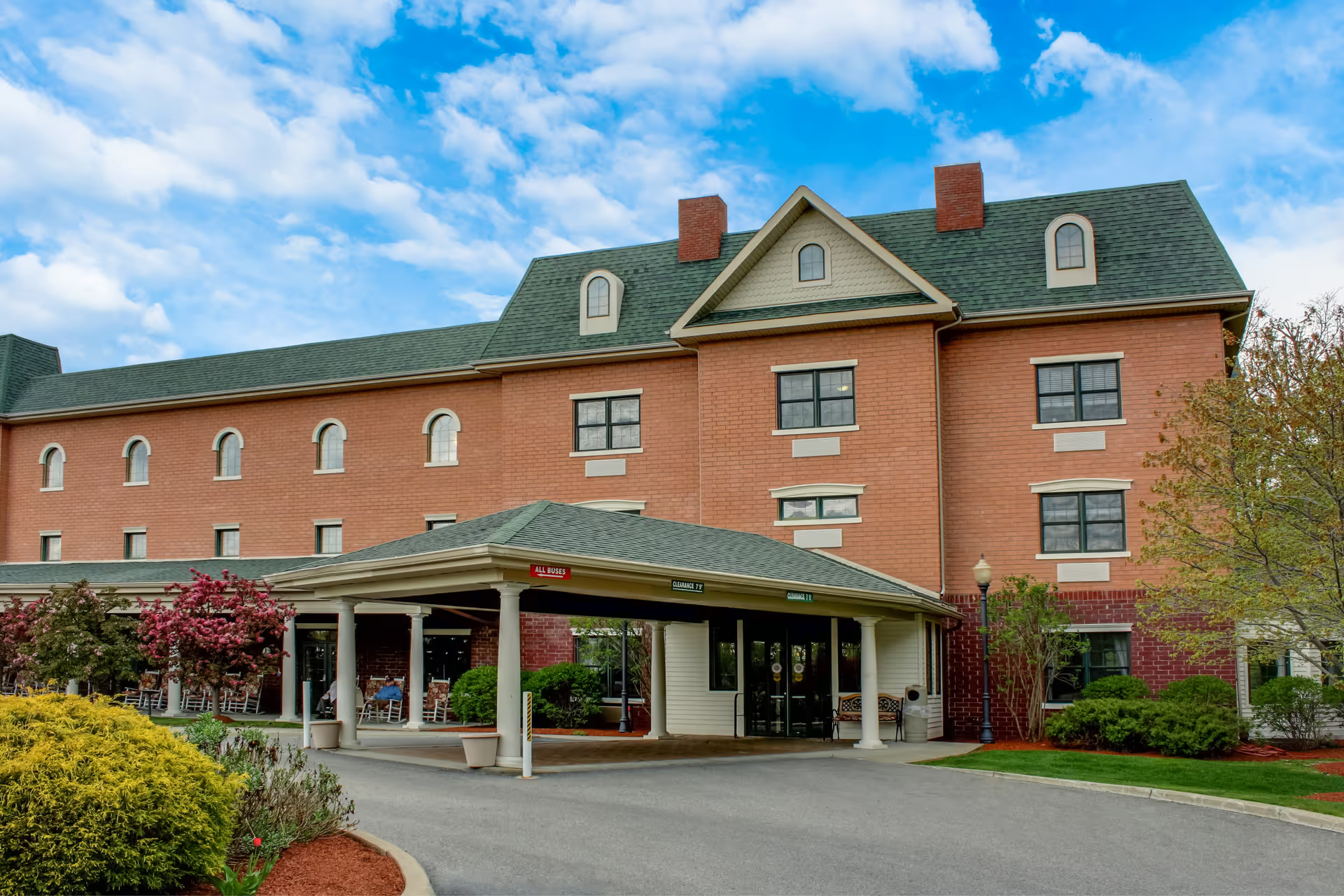
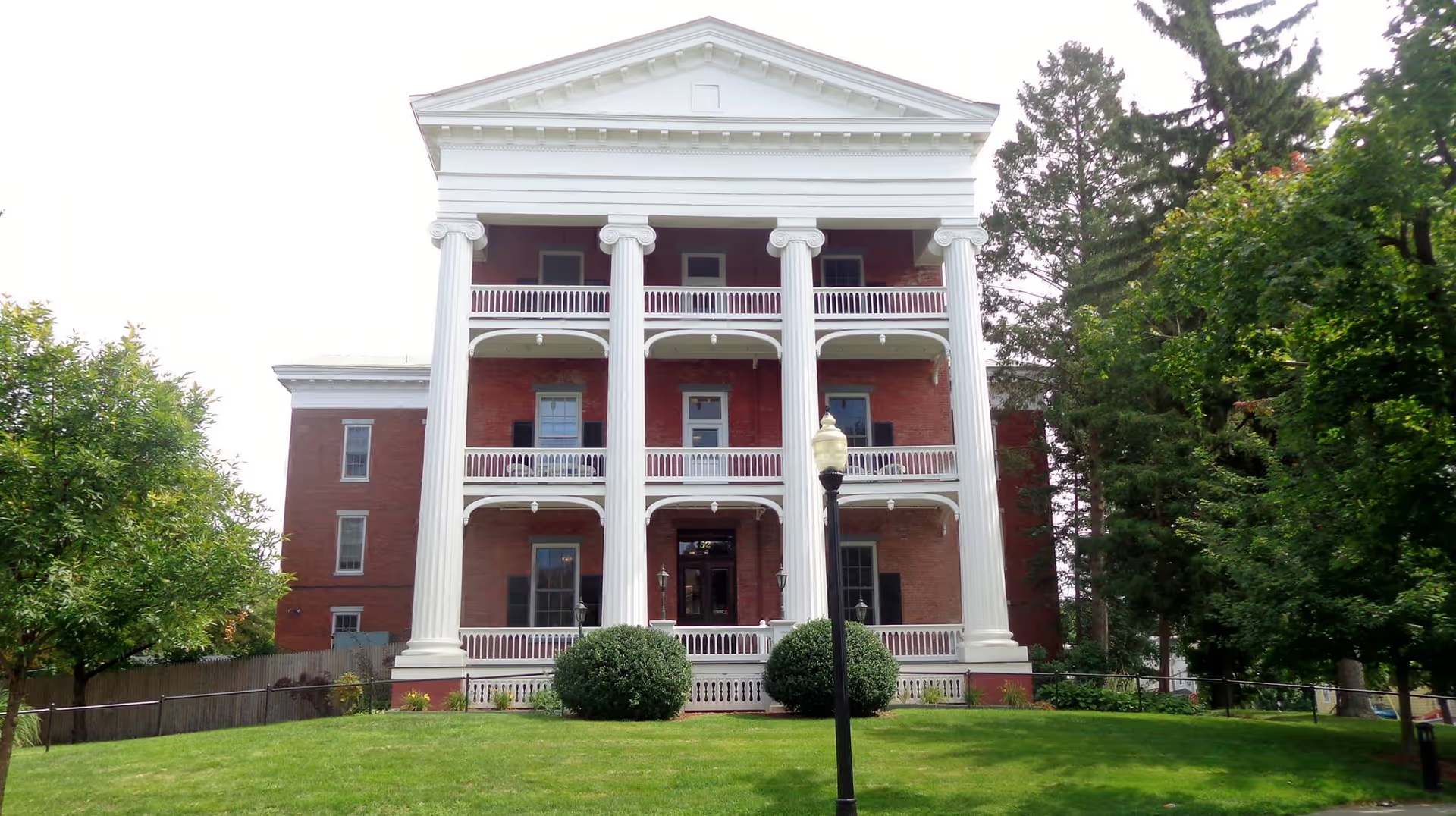
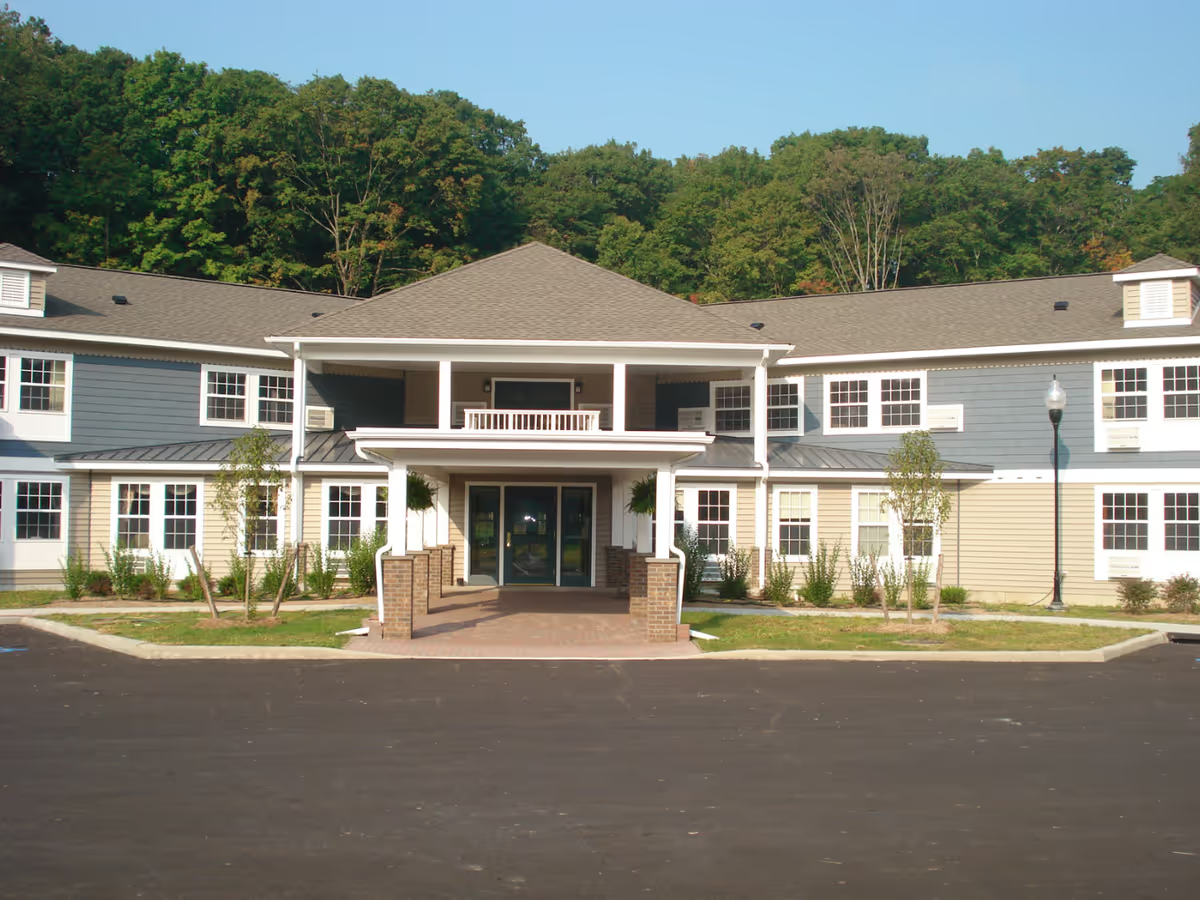
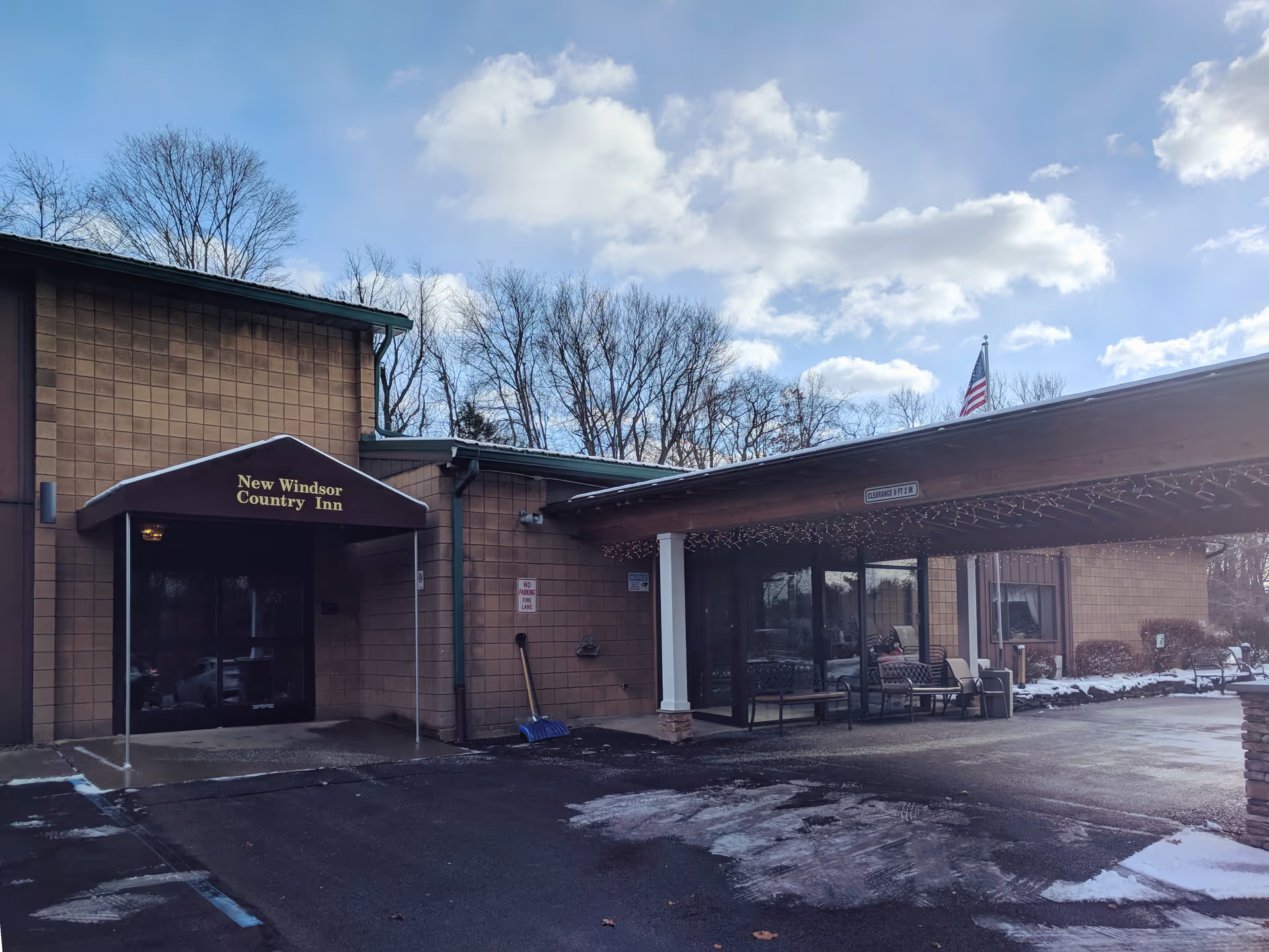
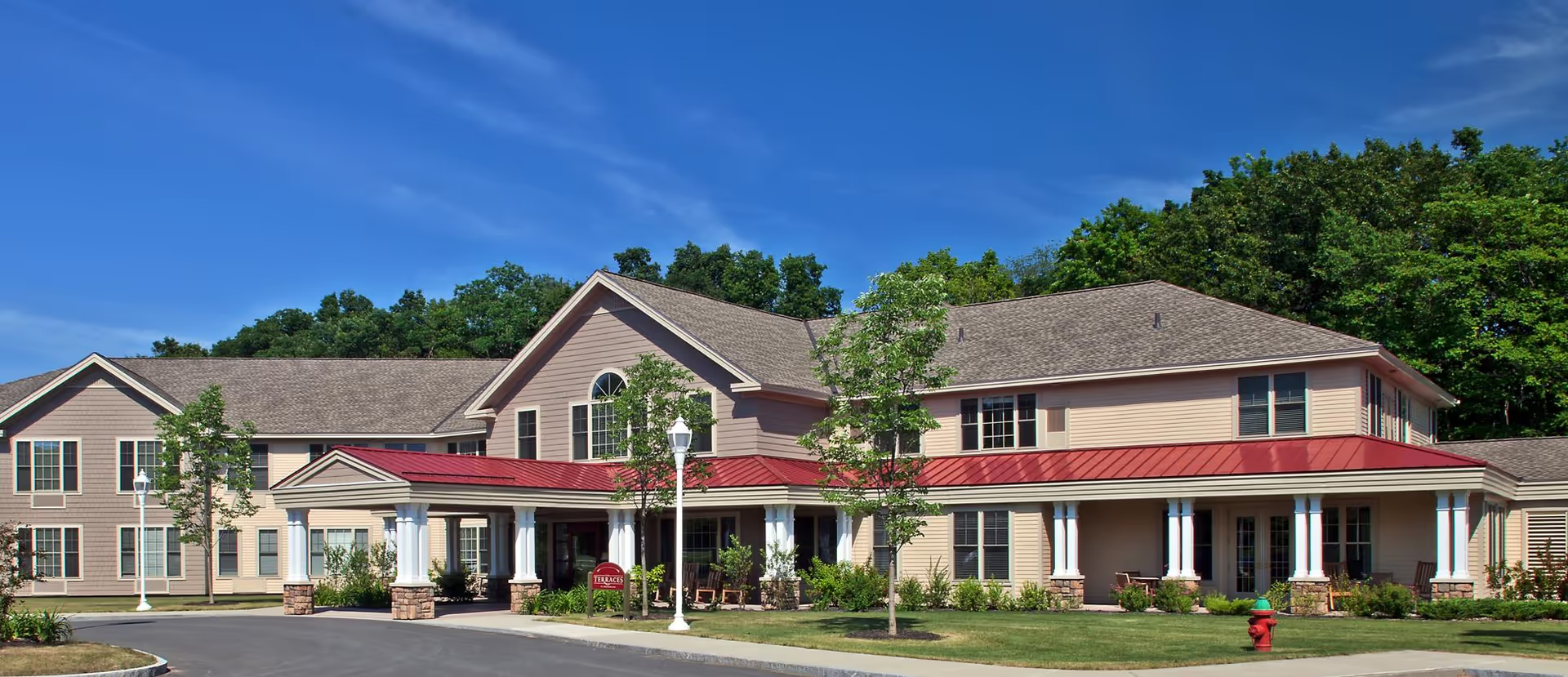
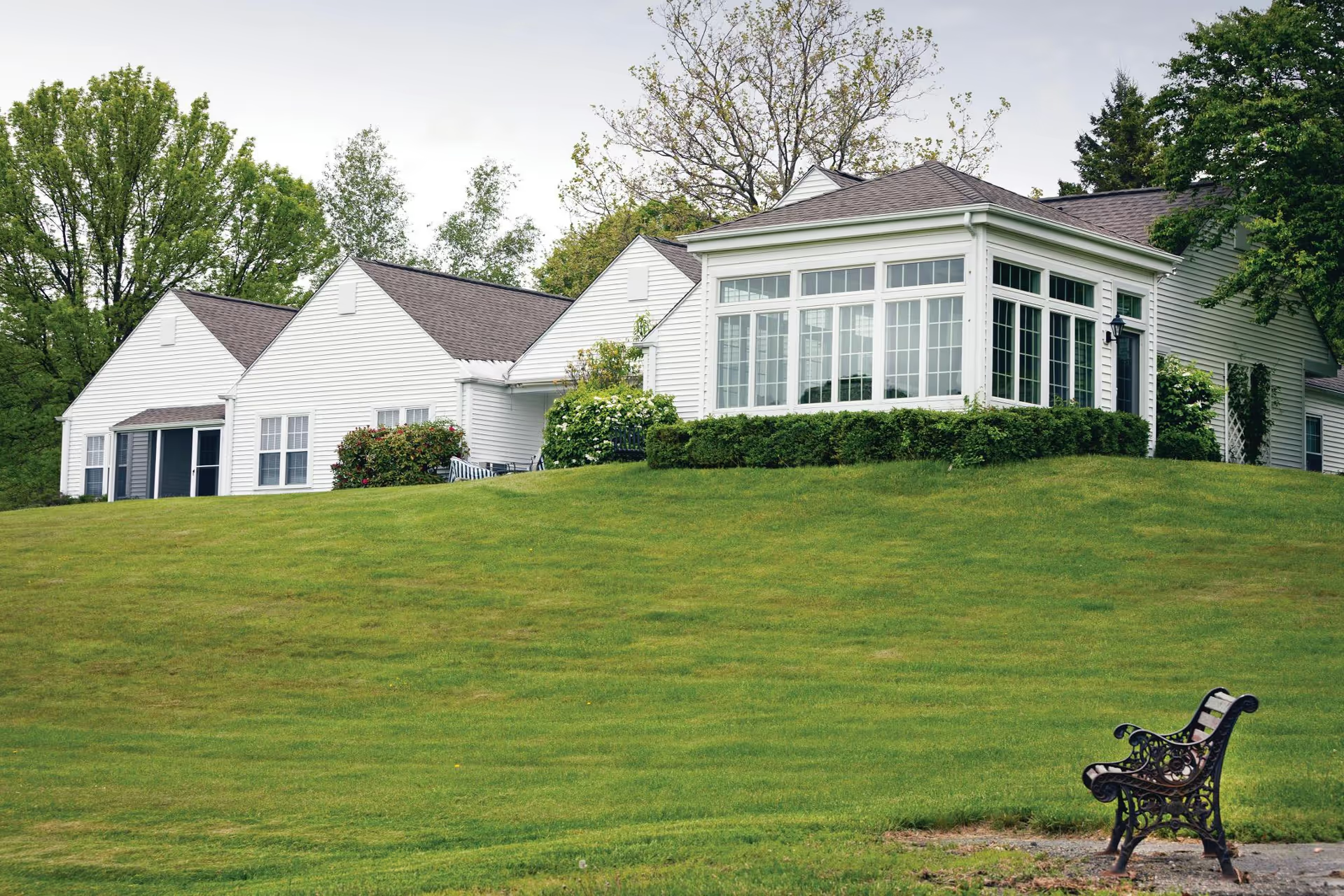
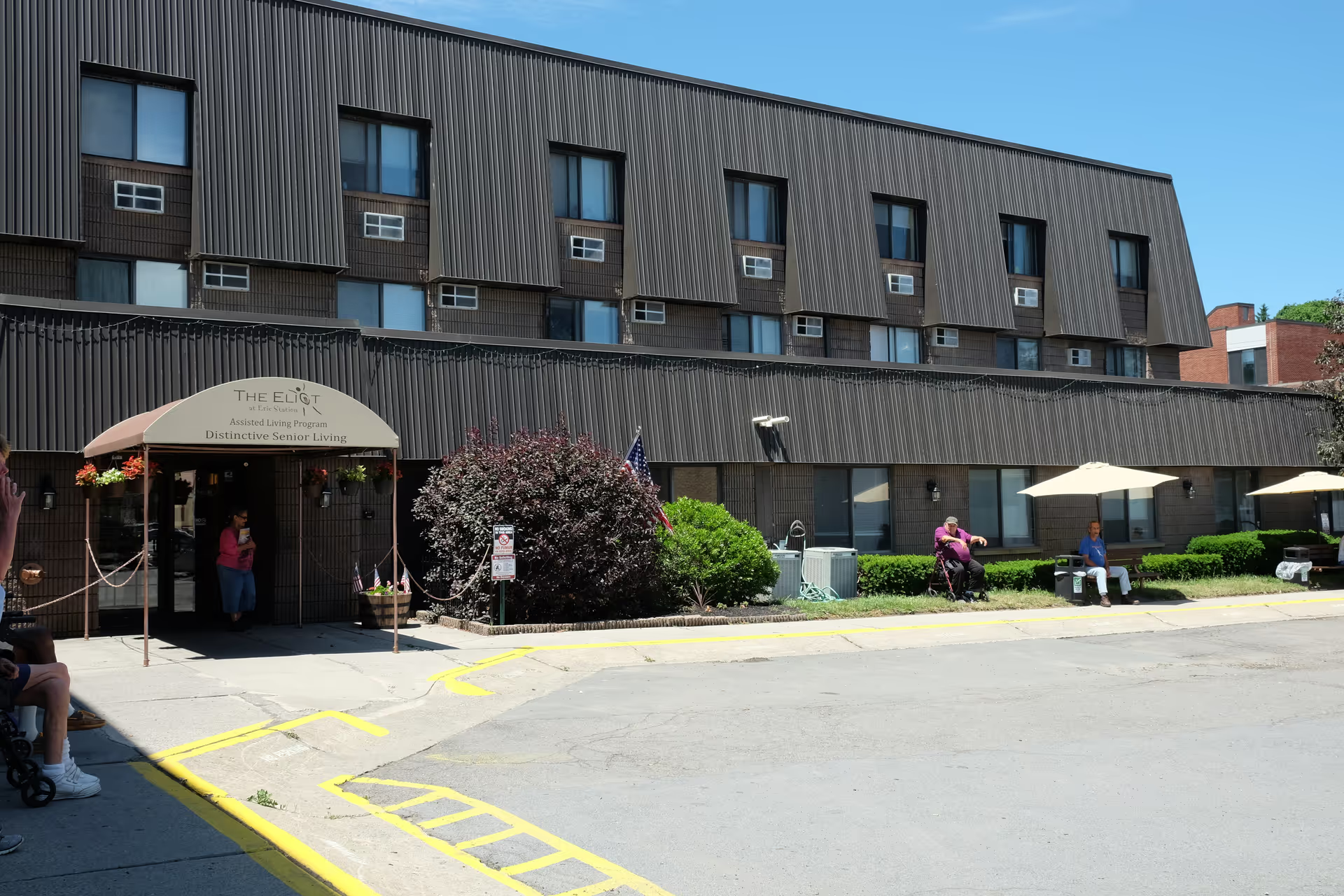
Facility condition and environmental safety are frequent concerns. Multiple reviews describe deferred maintenance such as peeling paint, damaged sidewalks, hot or poorly ventilated rooms, and basement moisture issues. Pest-control concerns and sanitation issues in certain areas were raised alongside accounts of dated furnishings and limited privacy in rooms (shared bathrooms, older beds). These facility-level issues can influence perceptions of overall safety and comfort.
Management, accountability, and administrative processes show variability. Positive experiences include helpful discharge support and responsive maintenance. Negative themes include poor communication with families, long phone hold times, billing and insurance-processing problems, and a perceived lack of accountability when problems are raised. Several reviews reference formal complaints or legal/regulatory scrutiny; these items indicate family distrust and warrant further investigation by prospective families.
Notable patterns for prospective residents and families: consider visiting multiple times and at different times of day to assess staffing, cleanliness, meal service, and therapy intensity. Ask specific questions about staffing ratios, wound-care protocols, medication administration checks, pest-control plans, and how the facility addresses family concerns and incident reporting. Where possible, request outcomes of recent regulatory surveys and clarification of discharge and billing procedures to help weigh the facility’s strong rehabilitation and supportive-staff aspects against the reported operational and environmental risks.