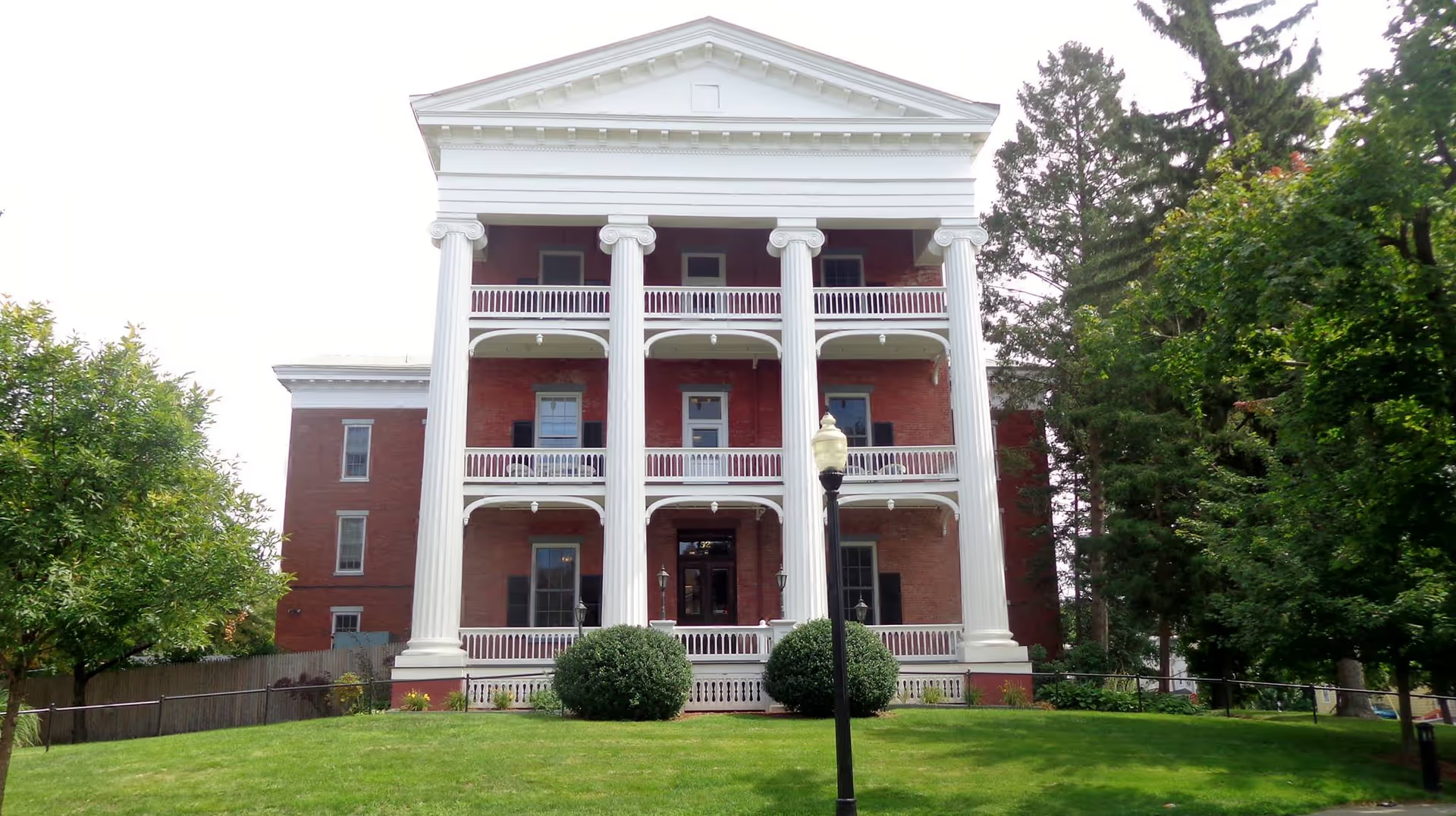
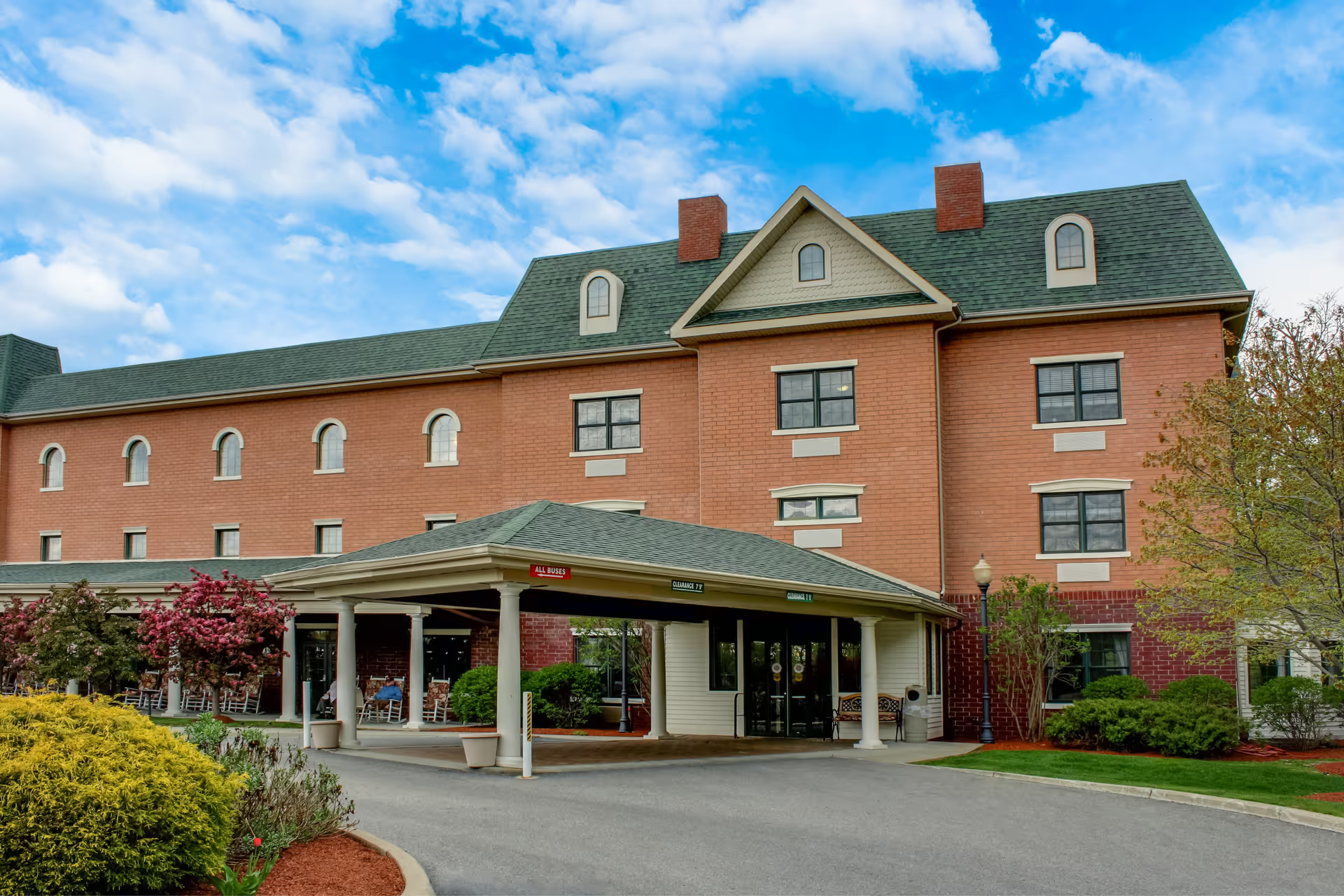
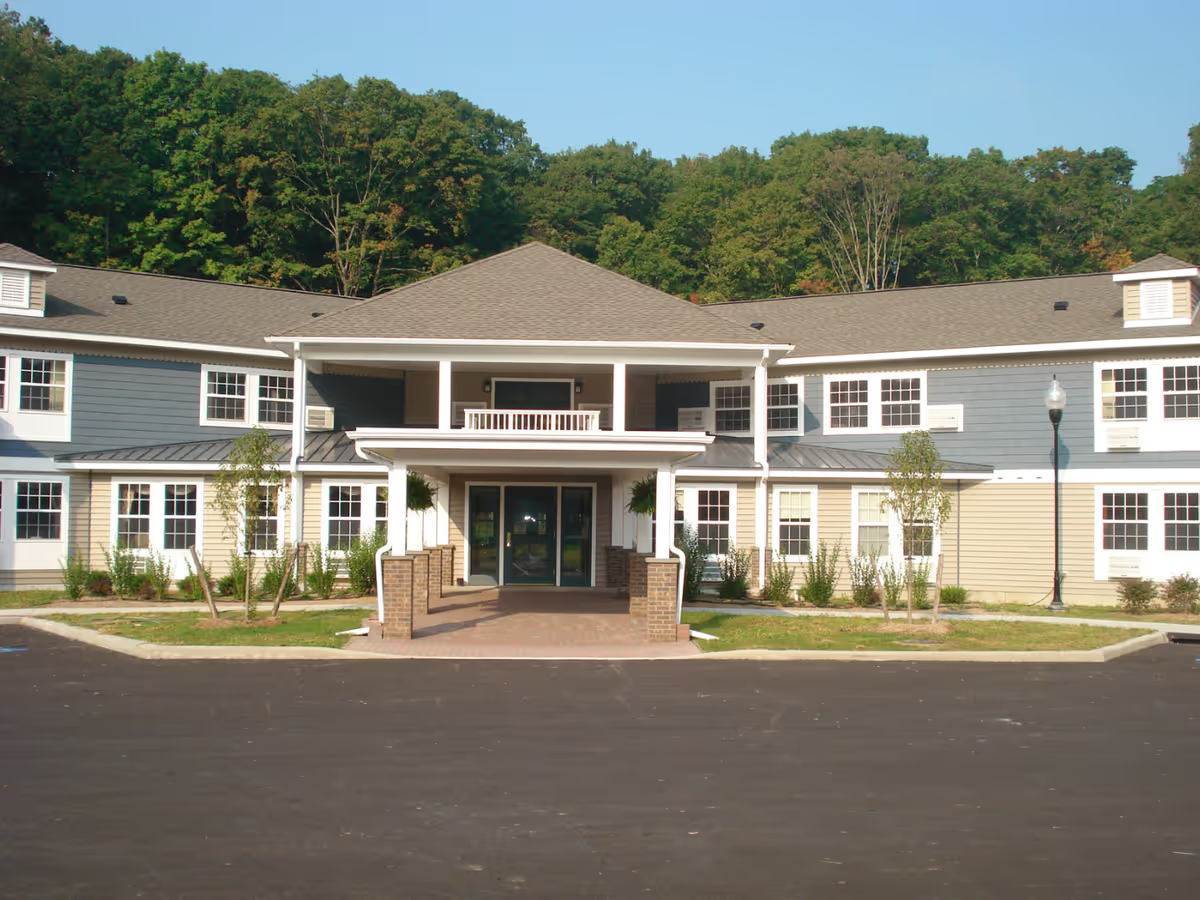
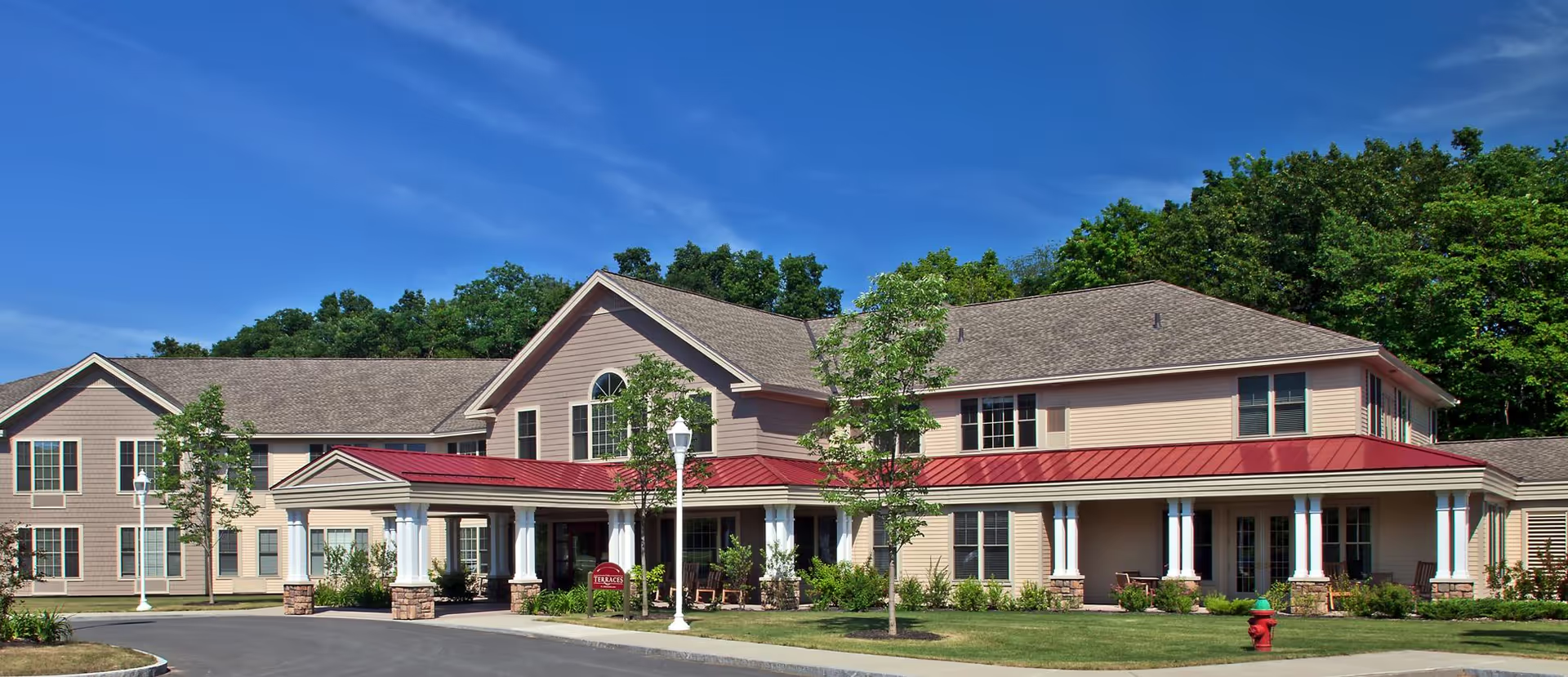
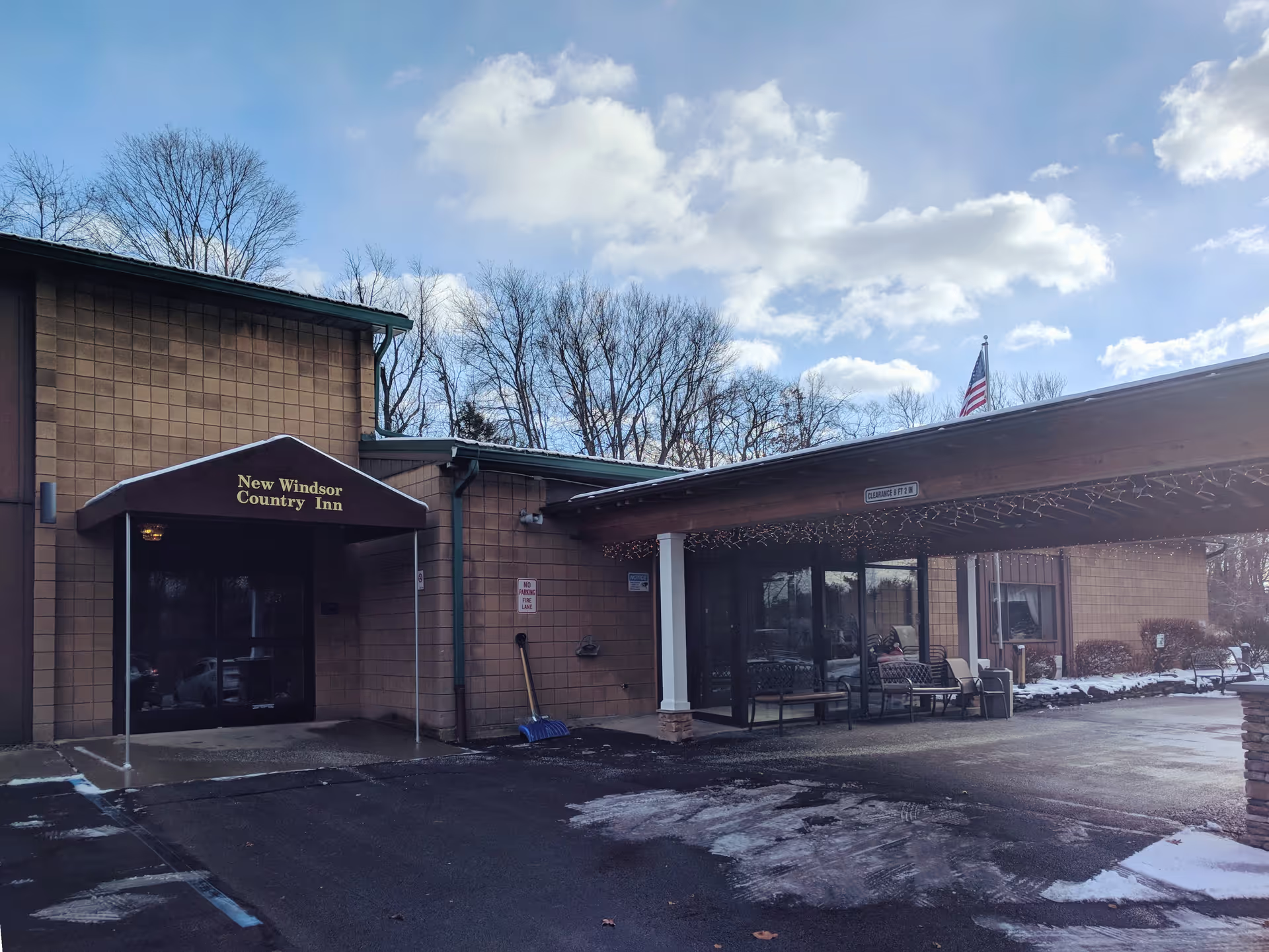
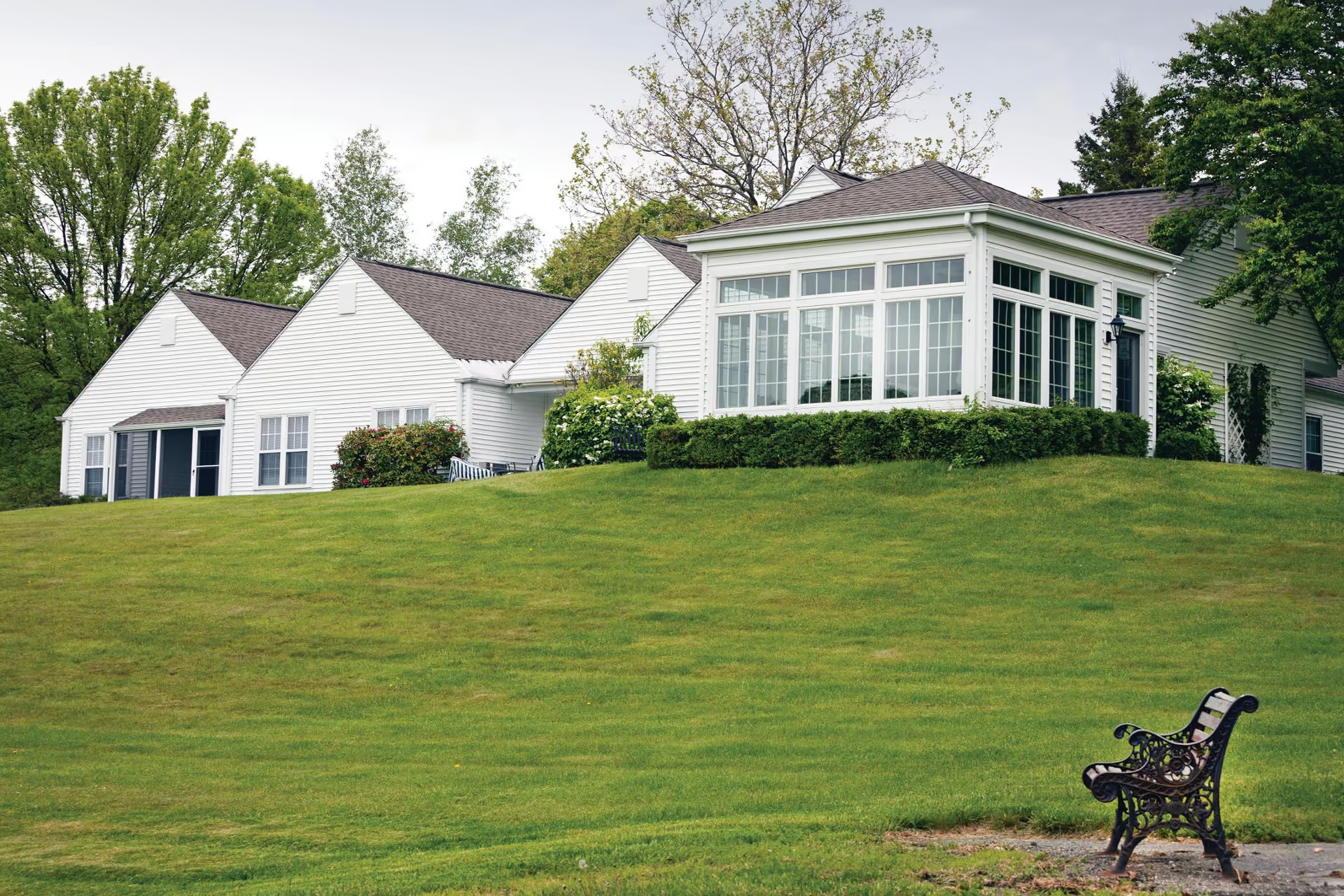
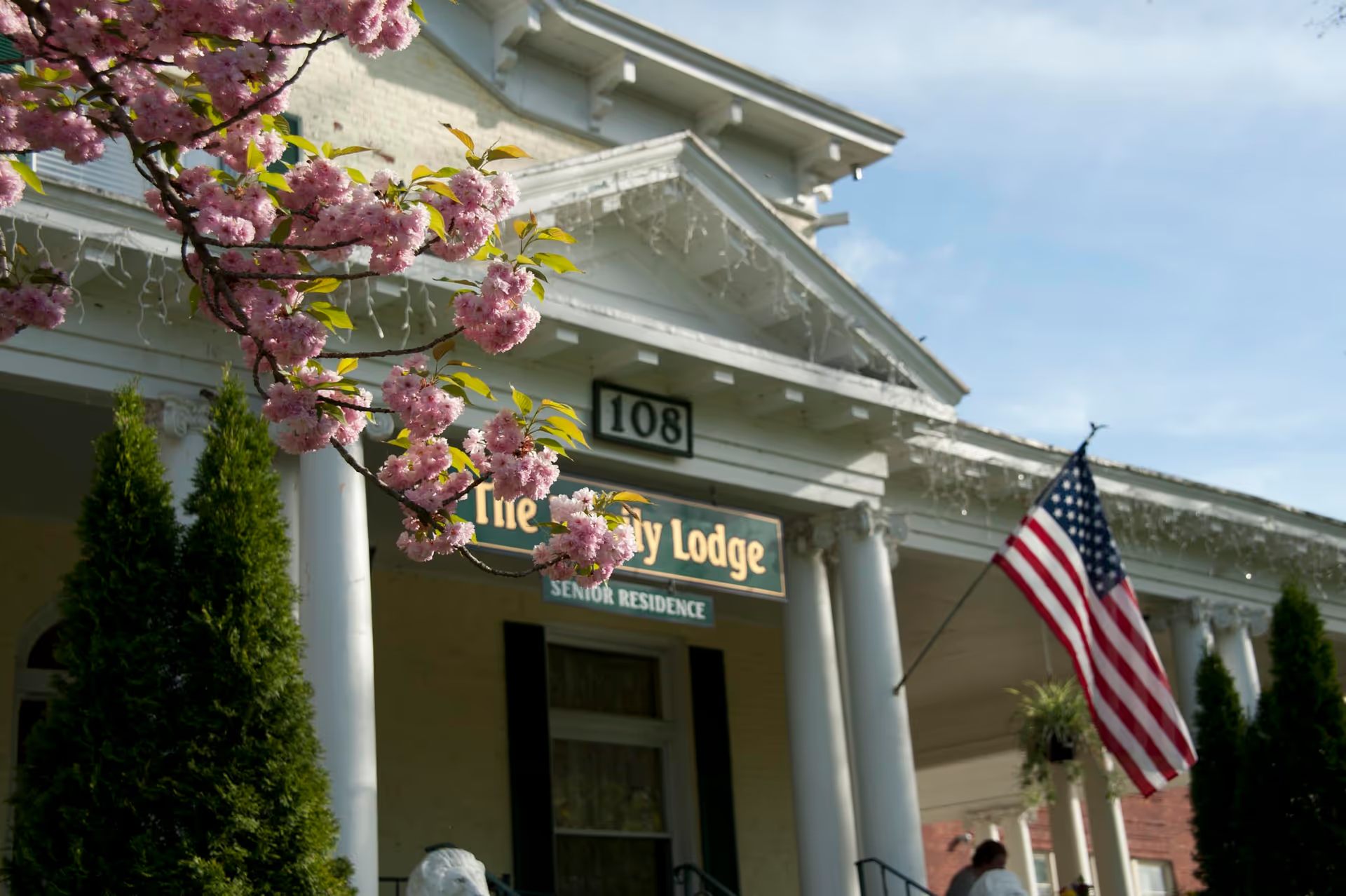
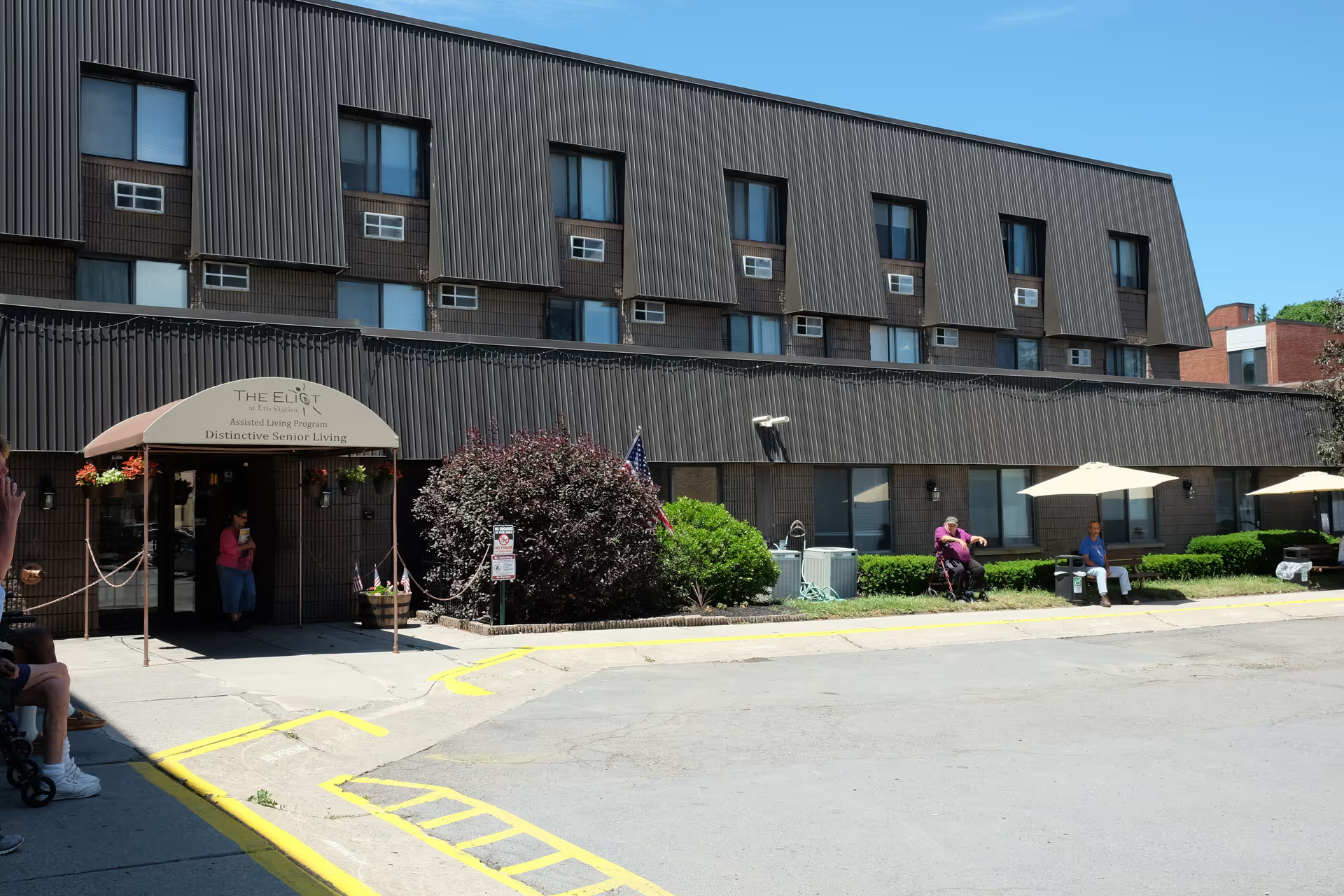
Overall impression: Woodland Pond at New Paltz presents as a well-maintained, amenity-rich senior community with a clear continuum of care and many features that families value. The campus, landscaping, common spaces and independent-living apartments are frequently described as attractive and modern. On-site amenities such as a pool, salon, café, arts spaces, and a memory-care garden contribute to an active community atmosphere and a wide range of resident-driven activities.
Care and clinical services: The facility's rehabilitation and therapy services receive consistent praise for their equipment, outcomes and therapist professionalism. Clinical staffing in the health center is often described as professional and knowledgeable (RNs, LPNs, CNAs, and therapists), and several families point to a responsive social-work role that facilitates care coordination. At the same time, reviewers indicate variability in service execution across units: while rehab and certain clinical areas are well regarded, assisted-living and transition points appear more vulnerable to staffing pressures and operational lapses.
Staff and culture: Direct-care staff are commonly characterized as friendly and caring, and many reviews describe a warm, family-like atmosphere among residents and staff. However, there are recurring operational concerns: high turnover, intermittent staffing shortages, and variable responsiveness from management and front-desk personnel. These patterns are associated with delays in addressing maintenance requests, unfulfilled service requests (for example, laundry or paperwork), and frustration from families seeking escalation or advocacy support.
Dining and food service: Dining impressions are mixed. Many reviewers praise the restaurant-style dining room, attractive presentation, and varied menu options—particularly in independent living and at times historically. Conversely, there are consistent complaints about meal quality and meal delivery in assisted-living and during outbreak-related restrictions: cold or microwave-style entrées, tray service limitations, and logistical problems with transporting meals. These inconsistencies appear to be tied to staffing and infection-control policies, producing different dining experiences across care levels and time periods.
Activities and community life: Activity programming is a strong point: reviewers highlight art classes, music, lectures, movie nights, fitness classes (including yoga), outings and resident-led groups. Many residents report feeling engaged, making friends, and enjoying a lively social calendar. The community feel and opportunities for social contact are among the facility's strongest assets.
Management, admissions and costs: Several reviewers call attention to administrative and management-level issues. Communication gaps, slow responses to emails/phone calls, and reception inconsistencies are recurrent themes. Families also describe complex or problematic transitions between care levels—bed-management and admissions coordination problems have at times generated significant stress. Financially, the community has substantial buy-in requirements and ongoing monthly fees that have increased over time; some families perceive strong value for money while others cite affordability concerns.
Notable patterns and risks: A key pattern is the split between consistently praised features (facility condition, rehab services, activities, and many direct-care staff) and operational vulnerabilities (staffing stability, management communication, meal-service continuity, and admissions coordination). There are isolated allegations of managerial misconduct and specific incidents that involved law-enforcement contact and difficult advocacy experiences; these appear to be outlier but serious events that families should investigate further. Overall, strengths are tangible and noticeable on-site, while weaknesses tend to be operational and procedural, often related to staffing, management practices, and transitional logistics.
Practical guidance for prospective families: Visit during mealtimes and in multiple units to assess dining consistency; ask for current staffing ratios and turnover statistics; review the contract terms for buy-in, fee increases, and bed-hold/admission policies; request examples of grievance and escalation procedures; and verify wait-list status for assisted living. These steps will help clarify whether Woodland Pond's strong amenities and clinical programs align with your expectations for service consistency and administrative responsiveness.