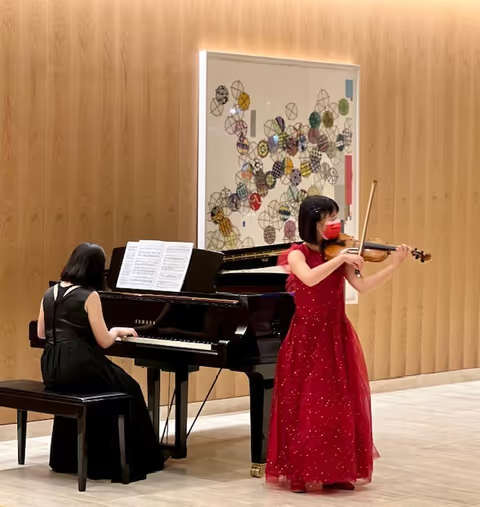
The review set describes a facility that delivers strong rehabilitation services and has many individual caregivers and departments that families find helpful. Physical therapy and occupational therapy are frequently praised for producing measurable recovery (reduced pain, improved mobility, timely progression through rehab goals). The concierge and reception functions are repeatedly highlighted as welcoming and proactive, and several reviewers describe a warm, family-like atmosphere in resident common areas and recreation programs.
Staffing and direct-care quality emerge as a central point of variability. Many families commend nurses and certain aides for compassionate, attentive care; however, there are numerous accounts of inconsistent aide/CNA performance and responsiveness, especially on particular floors or night shifts. Reviewers link understaffing and high patient-to-nurse ratios to slower response times, delays in assistance, and uneven daily-care routines. This variability appears to correlate with markedly different experiences across units and shifts.
Clinical care patterns show a contrast between effective rehabilitation and concerning issues in medical follow-up and wound management. While therapy teams are characterized as skilled and encouraging, several reviews describe gaps in clinical follow-up, wound-care practices, and timely diagnostic communication (including delayed lab results). There are also accounts of serious clinical events and subsequent family concerns about follow-up care and outcomes; these indicate the need for stronger processes around clinical escalation and documentation.
Dining and dietary services are described as inconsistent. Positive comments note adequate portions and helpful kitchen staff, but many reviewers cite repetitive menus, temperature and preparation issues, and difficulties when diet changes are needed. Some families reported extra costs or restrictions related to outside food, producing frustration around value and dietary flexibility.
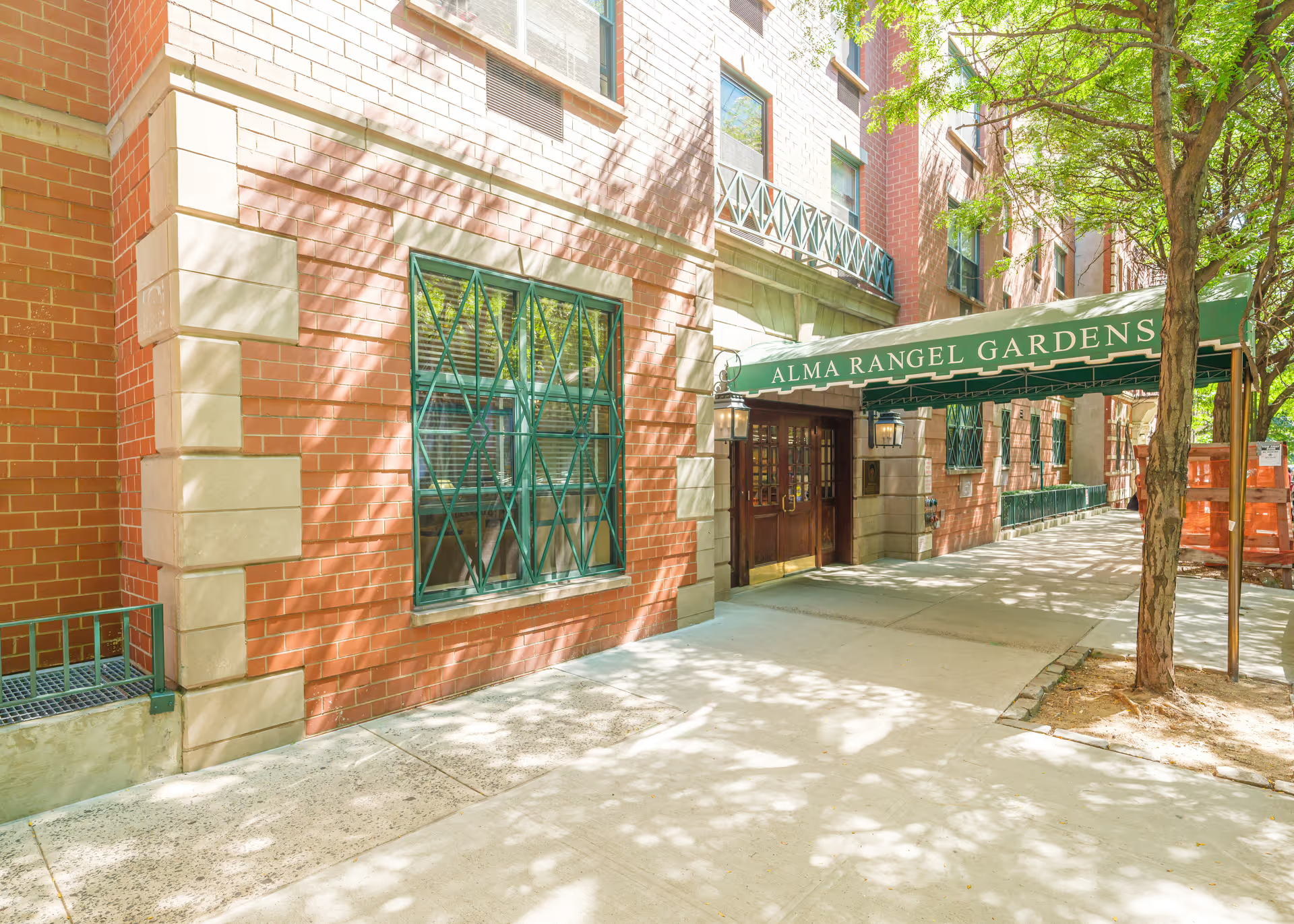
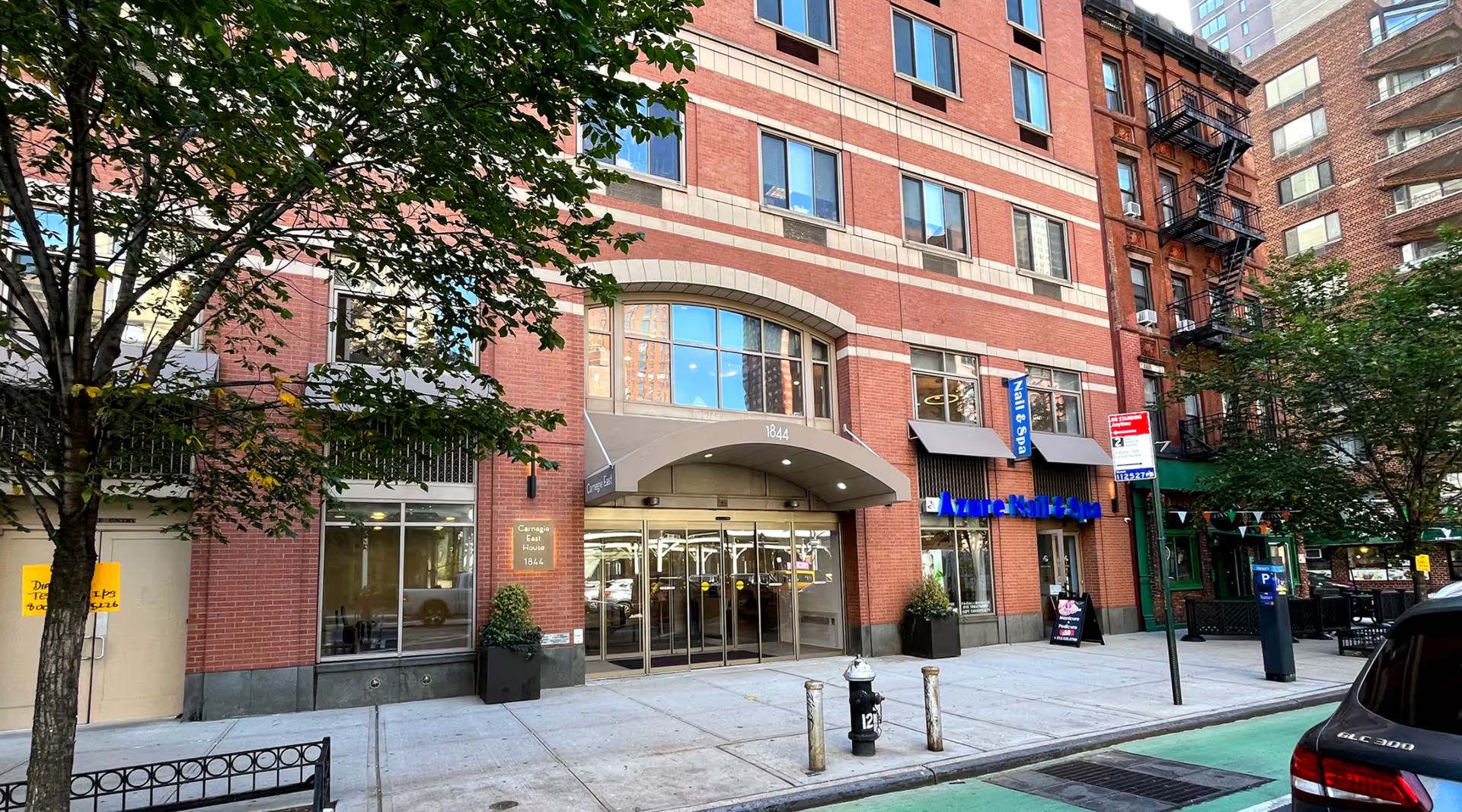
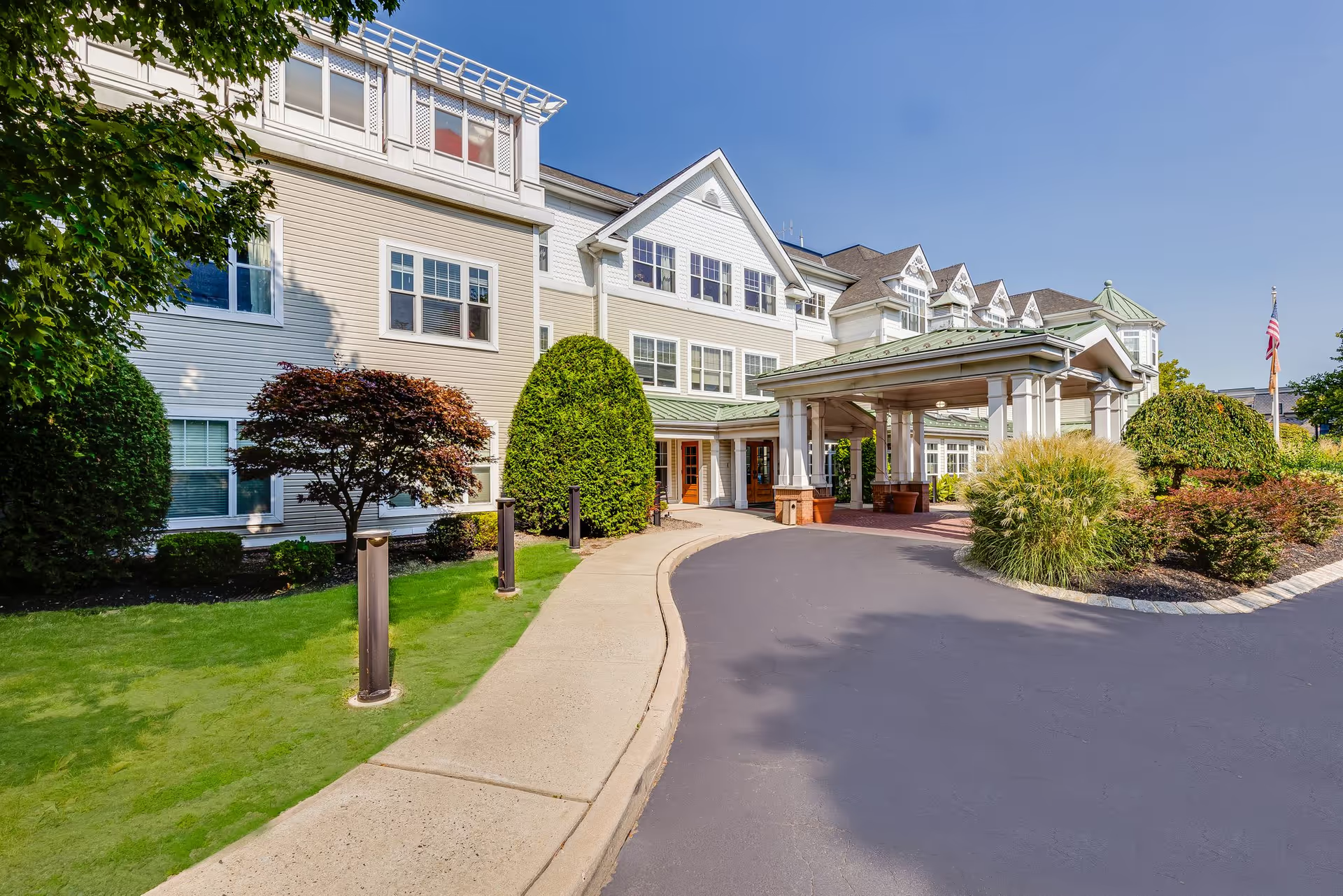
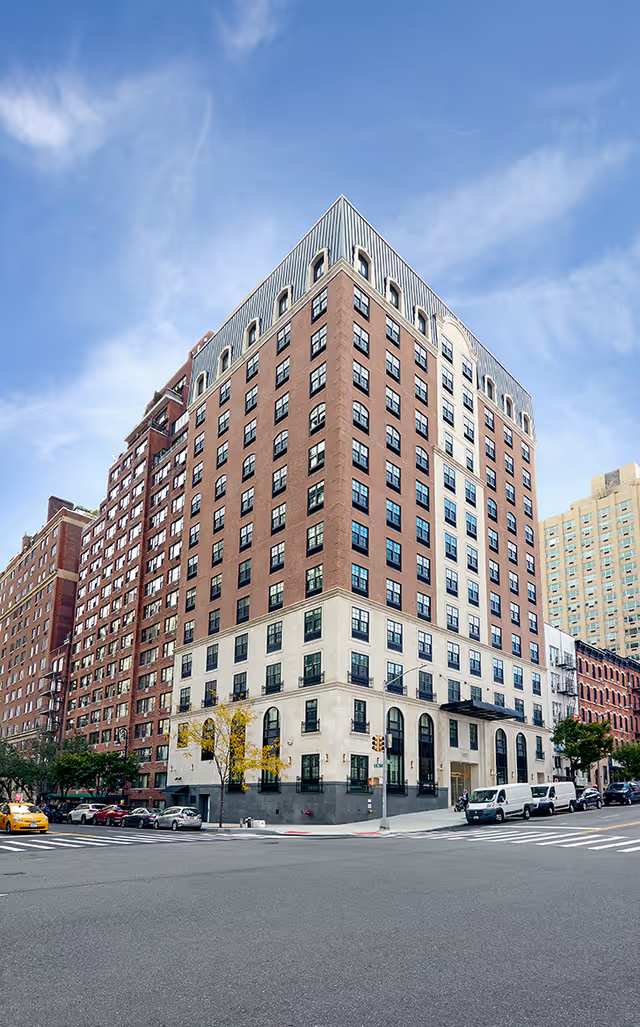
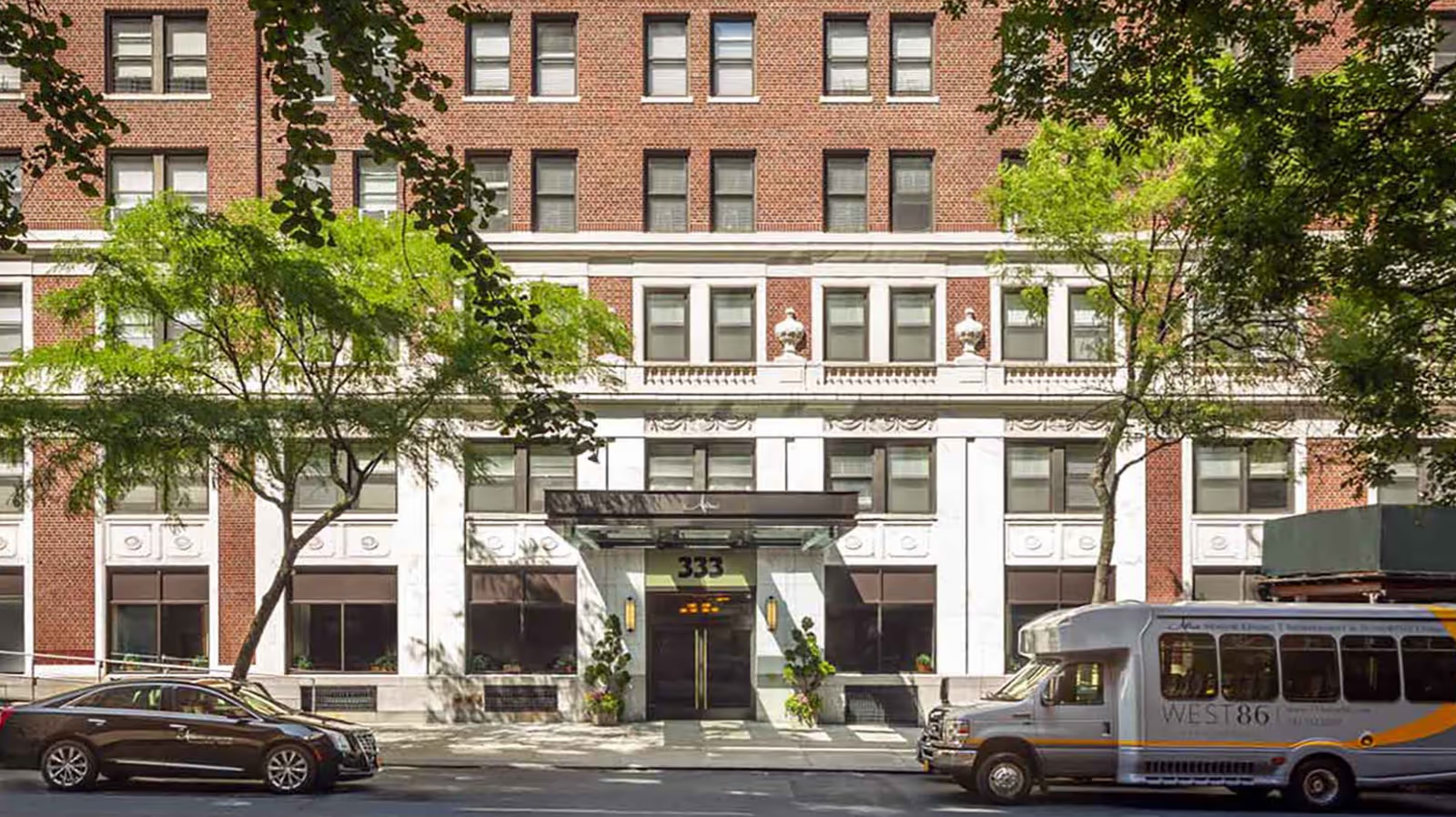
Facility condition and operations are mixed. Numerous reviews praise cleanliness, attractive common spaces, and an overall orderly entrance area, while others document maintenance problems on specific units — leaking fixtures, aging finishes, and air-conditioning problems — that affect comfort and perception of upkeep. Recreation and special events are generally viewed positively and support social engagement, but construction activity and uneven maintenance have led to frustration in some areas.
Management and communication show a broad range of experiences. The admissions and concierge teams are often cited as efficient and compassionate, yet higher-level management responsiveness is characterized as inconsistent; families describe good resolution in some cases and delayed or incomplete follow-up in others. There are also serious governance concerns raised about property and financial controls, including allegations of theft, and a few reviews describe problematic interactions with particular staff members. These items suggest attention is needed in transparency, incident investigation, and family communication protocols.
Taken together, the pattern is one of a facility with substantial strengths in rehabilitation, therapy, and certain patient-facing teams, combined with operational weaknesses that affect clinical follow-up, staffing continuity, dining consistency, and facility maintenance. Prospective residents and families who prioritize robust therapy and a welcoming front-desk experience may find the center meets those needs; families for whom consistent aide availability, seamless clinical follow-up, and uniform facility conditions are critical should ask specific, unit-level questions, seek recent quality and inspection records, and verify escalation and property-safeguard policies before placement.