Reviews of Sapphire Nursing at Meadow Hill describe a facility with a clear split between strong front-line clinical/therapy performance and persistent operational weaknesses. Many families and short-term rehabilitation patients praise the rehabilitation teams, citing daily structured therapy, measurable mobility gains, and helpful clinicians who facilitate safe discharge. Positive mentions also concentrate on individual nurses, CNAs, front-desk personnel, and maintenance or dining staff who are described as compassionate, attentive, and effective at specific tasks.
At the same time, recurring themes point to systemic issues that affect long-term care experiences. Staffing variability and frequent short-staffing are repeatedly associated with delays in medication administration, slower responses to call buttons, and intermittent gaps in basic clinical tasks such as dressing changes and pressure-injury prevention. Several accounts describe delays in pain management and inconsistent adherence to dietary or allergy orders, which indicates weaknesses in medication, dietary, and allergy-management processes rather than isolated incidents.
Dining and activities show mixed results. The facility offers organized recreational programming, memory exercises, and occasional pet visits that families appreciate. Therapy services and rehabilitation outcomes are a consistent strength. However, food quality and meal-service consistency are uneven; reviewers note both positive meals and instances of cold or inappropriate items being served relative to dietary restrictions. Communication about diet and meal delivery processes appears inconsistent across shifts.
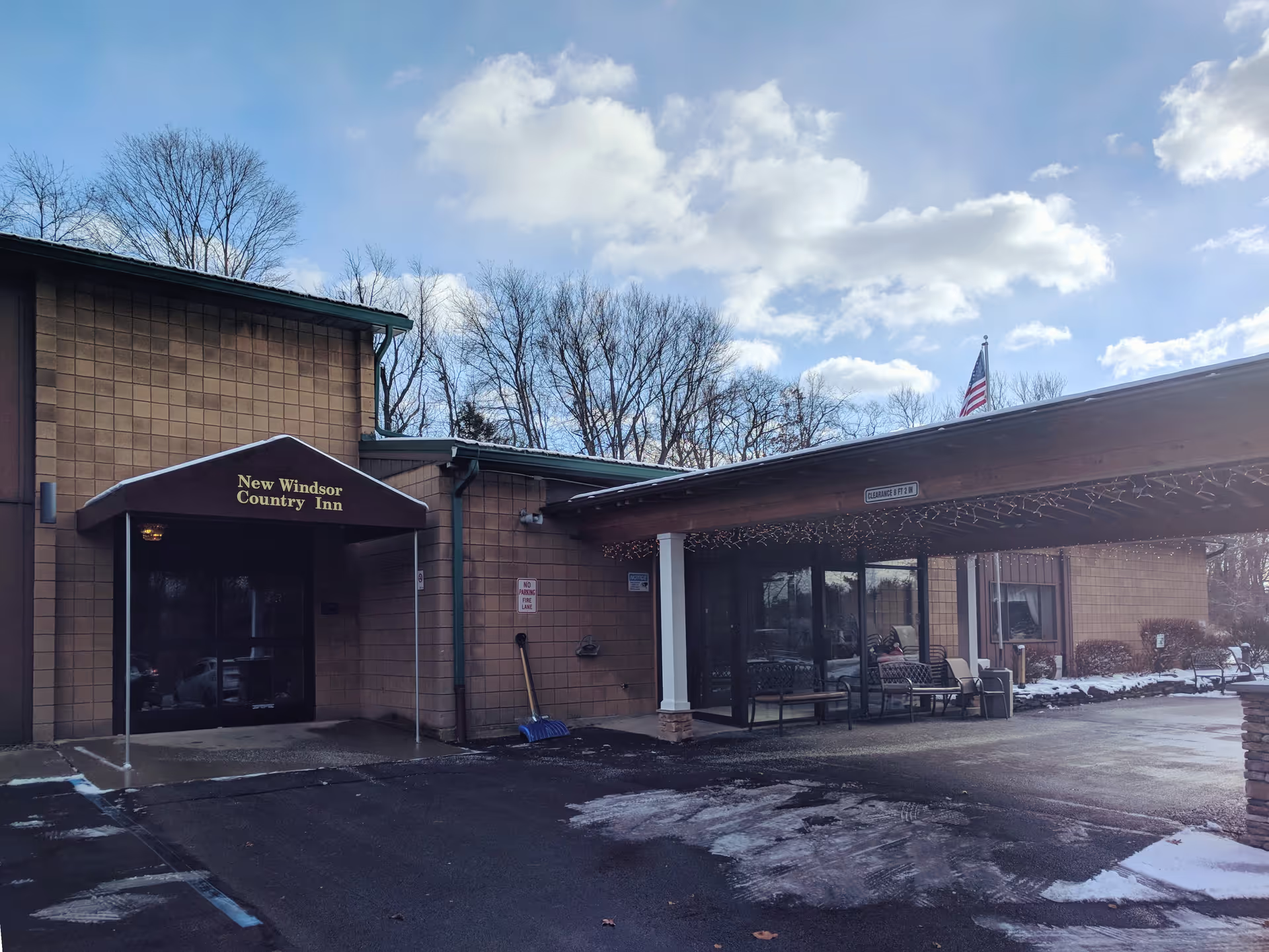
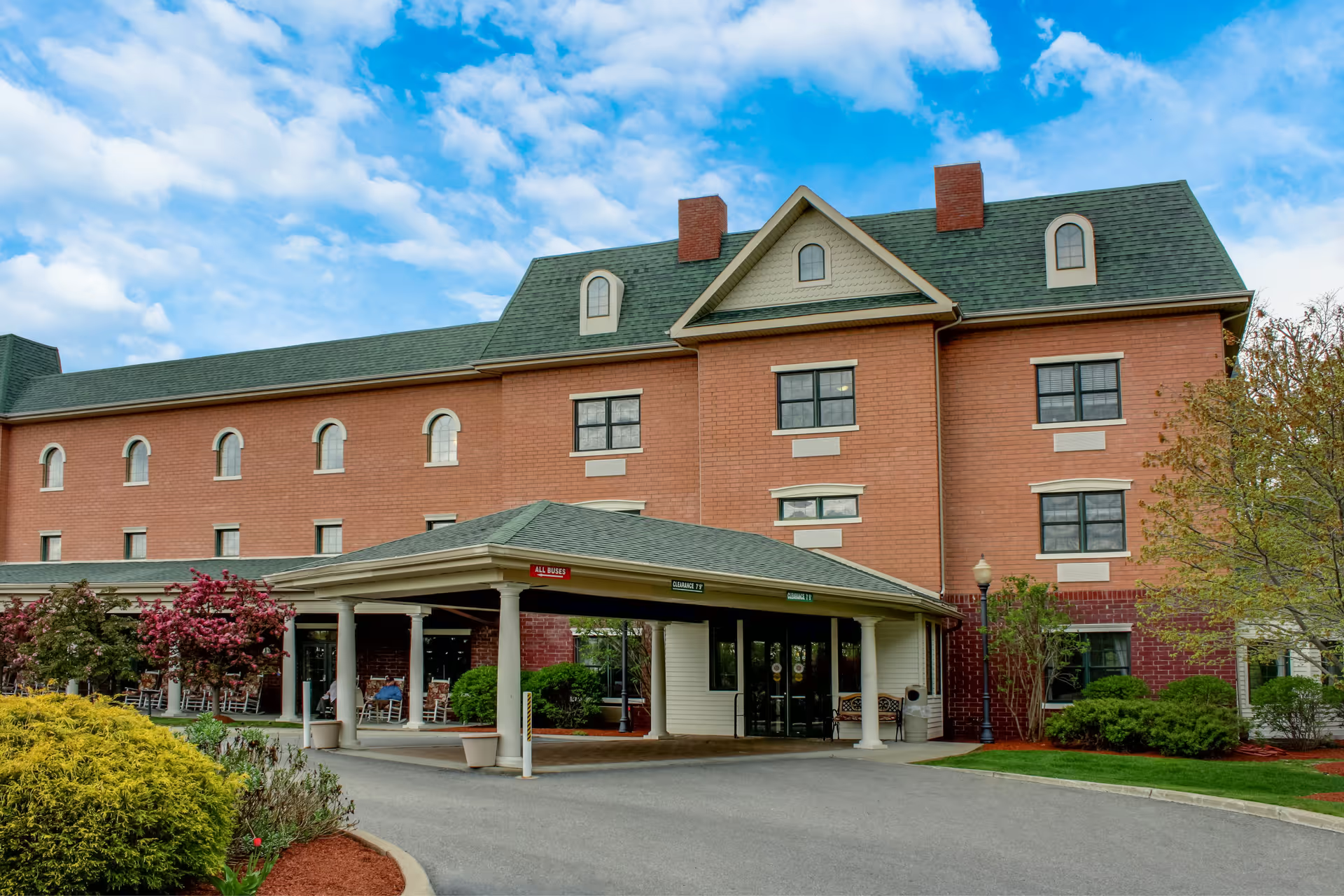
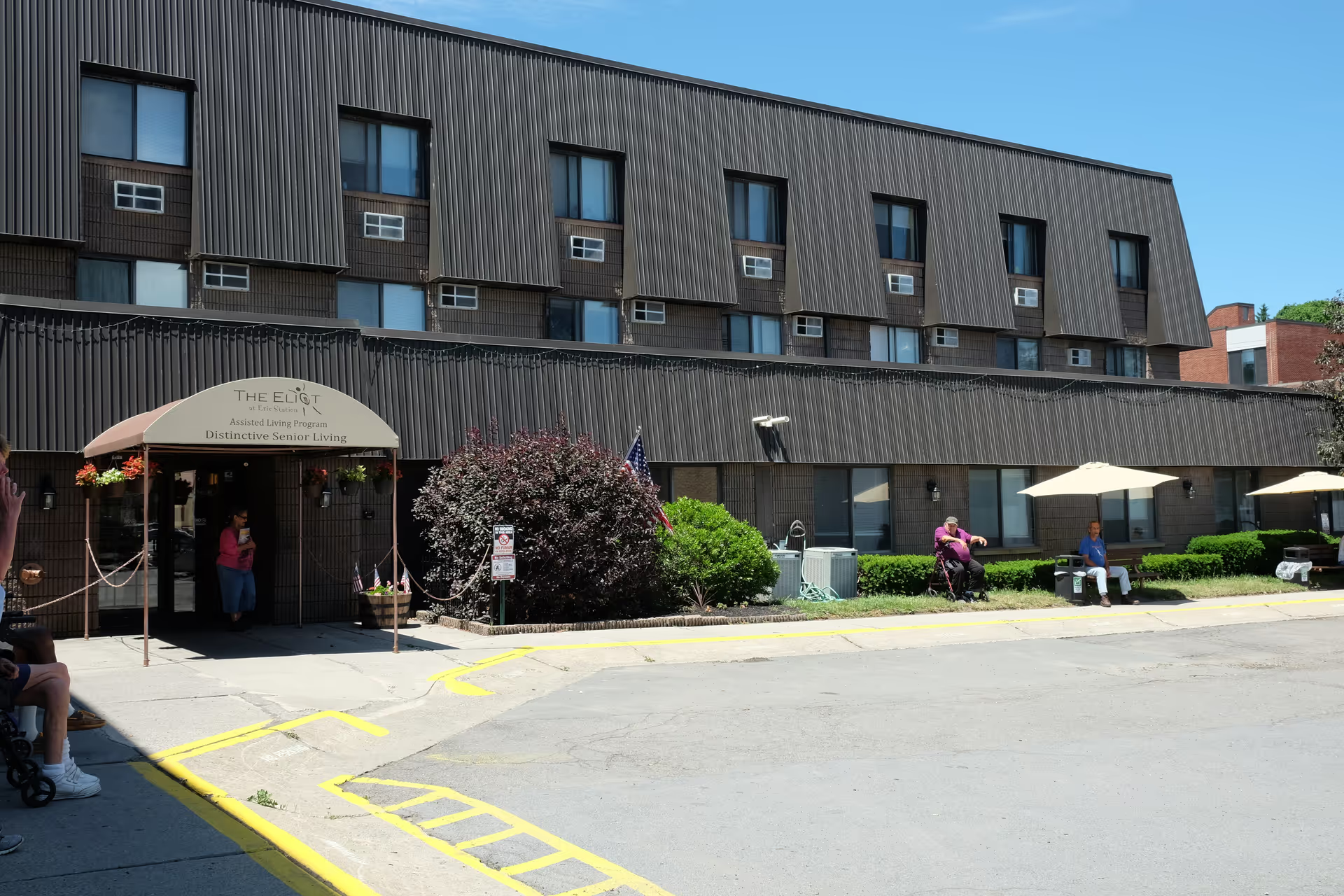
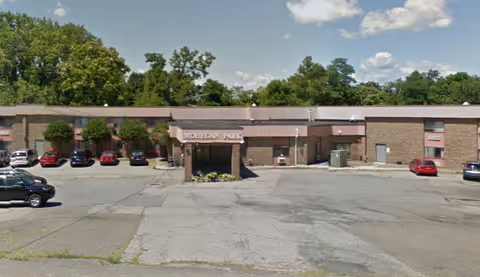
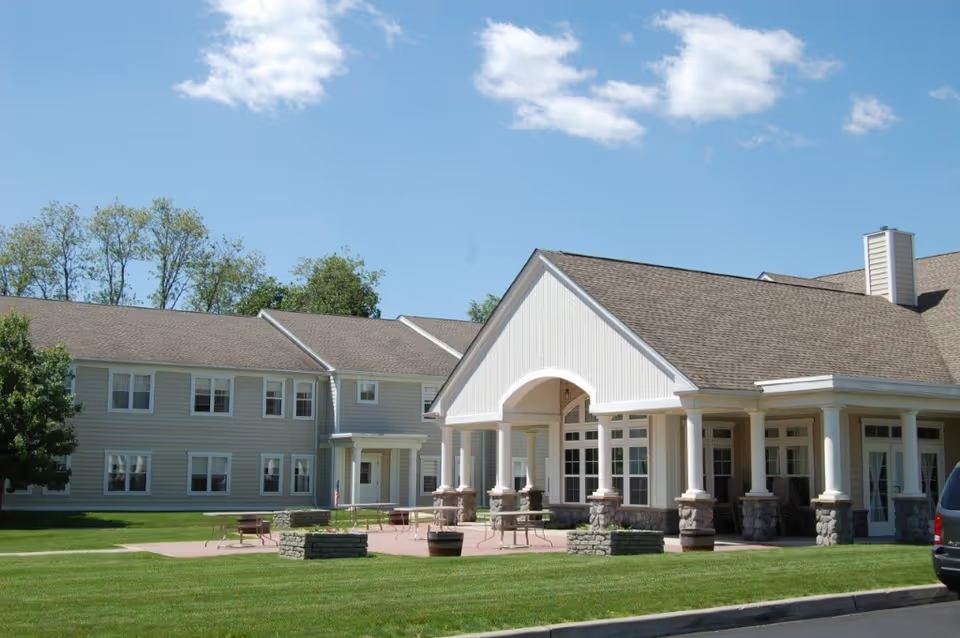
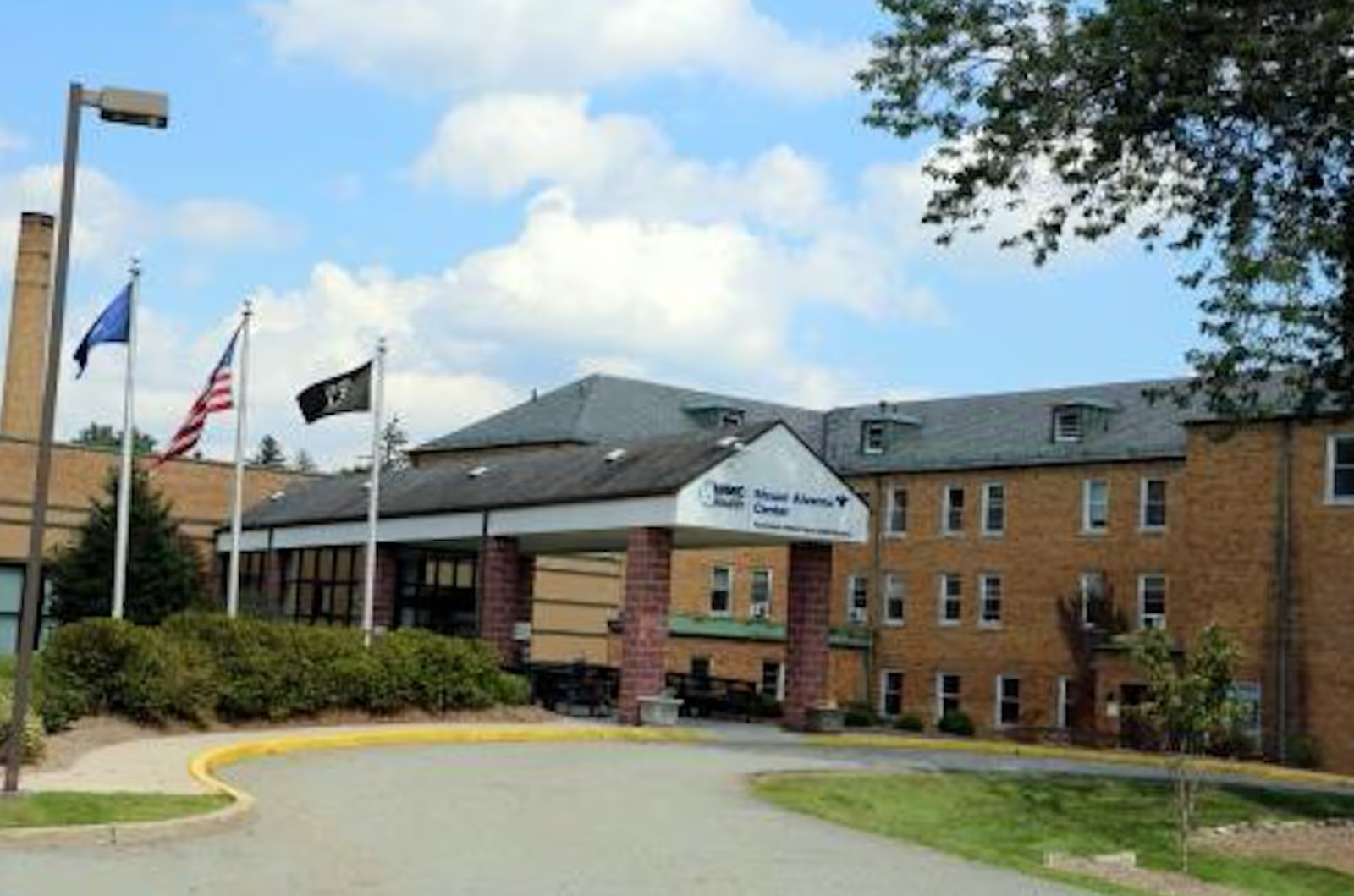
Physical plant and sanitation are notable concerns. Multiple reviewers describe dated decor, small resident rooms, limited parking, and active construction that can disrupt the environment. There are also recurring sanitation and odor concerns in some areas and reports of staining or soiled materials, which families cite as undermining comfort and confidence in day-to-day care. These facility-condition issues amplify perceptions of inadequate investment in the building and resident environment.
Management, communication, and safety patterns emerged as important differentiators. Families report variable responsiveness from leadership and social-work staff; some reviewers applaud active problem-solving and helpful discharge coordination, while others describe slow or absent follow-up, inconsistent family notification (including concerns following a resident's death), and instances of poor handling of complaints. Allegations of financial and billing irregularities, and isolated claims of staff misconduct, raise additional concerns about oversight. Taken together, these items suggest gaps in governance, complaint investigation, and quality assurance.
In sum, Sapphire Nursing at Meadow Hill demonstrates strengths in rehabilitation and in the compassion of many individual caregivers, with several staff members and therapy teams singled out for positive impact. Prospective residents and families should weigh those clinical strengths against recurring operational issues: inconsistent staffing, lapses in care processes (medication, wound, dietary), facility-condition and sanitation concerns, and variable management responsiveness. A tour focused on current staffing levels, specific wound/pressure-injury protocols, dietary/allergy procedures, call-response times, and recent quality-improvement actions would help families assess whether the facility’s positive clinical capabilities are matched by reliable day-to-day operations for their loved one.