Overall impression: Reviews present a highly polarized view of the facility: some families describe good short-term rehab outcomes, excellent therapy, and caring frontline staff, while other accounts raise substantive operational and clinical concerns. The pattern suggests the facility can deliver effective rehabilitation and meaningful activities programming in some units or shifts, but there are recurring weaknesses that have affected clinical continuity and family confidence.
Care quality and clinical monitoring: Multiple reviews identify lapses in medication administration, delayed pain and symptom management, and inconsistent adherence to post-hospital orders. Several accounts describe delayed or missed assistance with toileting and personal care, inconsistent bathing schedules, and gaps in wound and skin-area management. There are also examples of readmissions and delayed recognition of acute changes in condition; these point to vulnerabilities in routine clinical monitoring and escalation processes.
Staff performance and staffing levels: Positive comments highlight individual nurses, CNAs, and therapists who are skilled, compassionate, and communicative. At the same time, a substantial set of reviews point to uneven staff performance, phones or distractions on the floor, and long waits for assistance. Night- and weekend-coverage issues, high staff turnover, and morale concerns are cited repeatedly and align with reports of inconsistent care availability.
Safety and mobility: Several reviewers noted problems with transfers, lift-device handling, and what they perceived as unsafe mobility practices, sometimes accompanied by skin integrity issues. These items suggest the need for standardized transfer protocols, improved training, and more consistent supervision for higher-risk residents.
Dining and nutrition: Feedback on food is mixed. Some families praised a varied menu and helpful dietary staff; others reported missed diet orders or meals that were not appropriate for diabetic residents. These divergent experiences indicate inconsistent meal-service accuracy and a need to strengthen diet-order verification and diabetic-friendly meal provision.
Activities and rehabilitation: The activities and therapy departments receive frequent positive remarks. Families reported engaging programming and strong PT/OT that helped residents make functional gains and return home. These are clear operational strengths and a reason some reviewers recommend the facility for focused rehab stays.
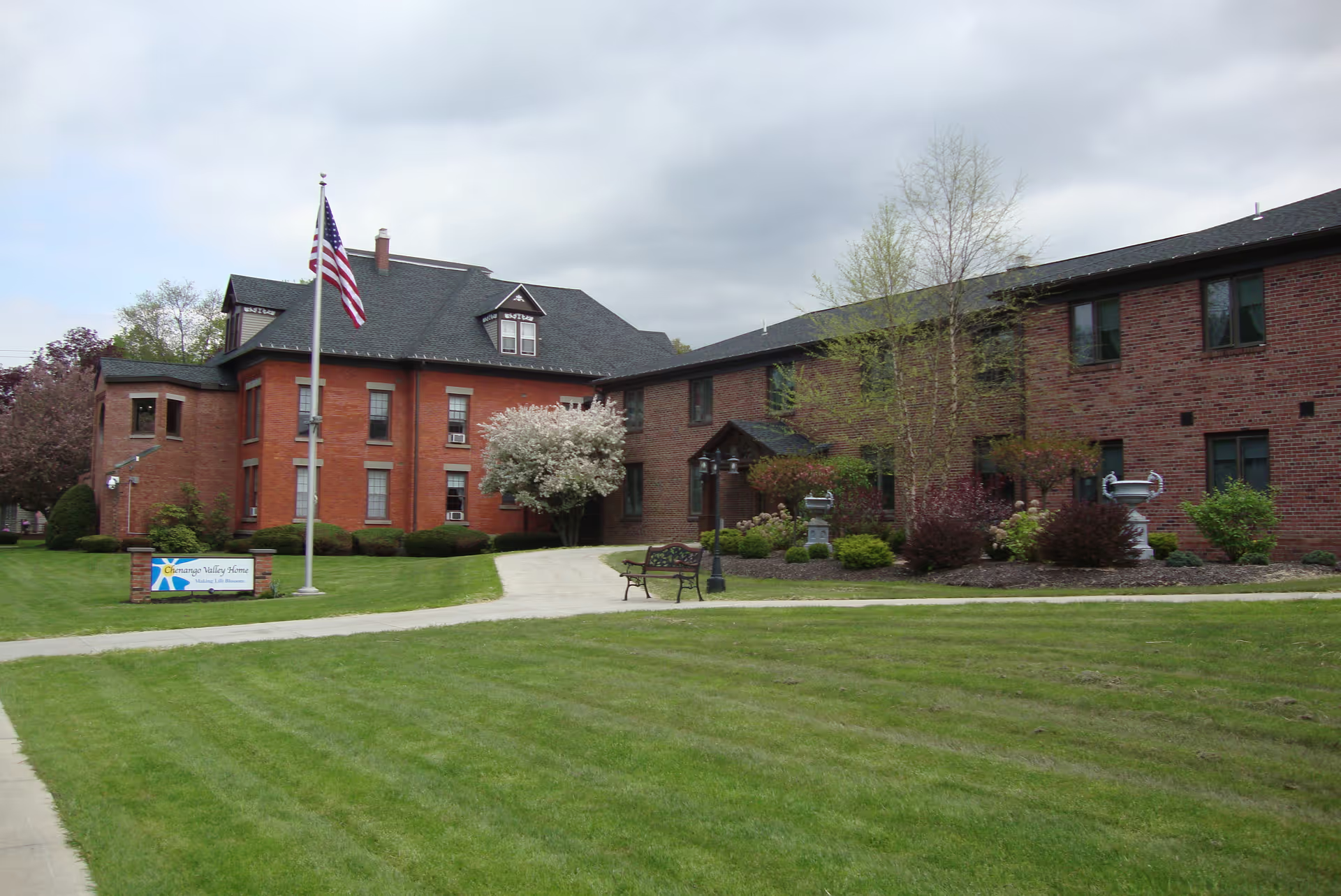
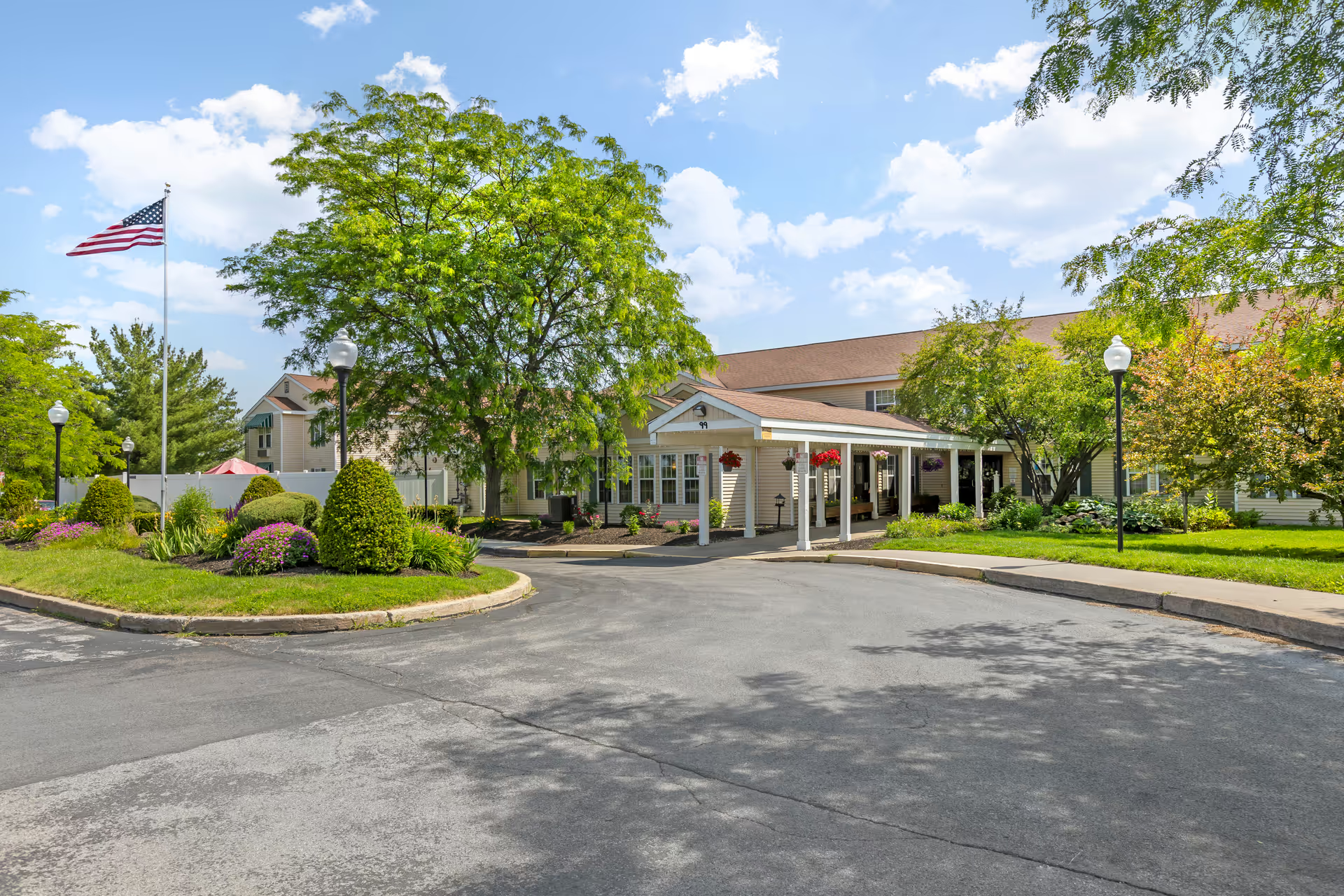
Facilities, cleanliness, and support services: Several reviewers praised clean common areas and views, while others raised sanitation and laundry process gaps and delays in room upkeep. Lost personal items and inconsistent housekeeping practices were also mentioned, suggesting variability in support-service reliability.
Management and communication: A recurring theme is dissatisfaction with administrative responsiveness and family communication. Complaints about information being withheld, meetings not including families, and a perception that management is more financially driven than patient-centered appear in multiple accounts. There are also references to formal complaints filed with oversight agencies; these indicate serious family concerns that some considered beyond informal resolution.
Notable patterns and guidance for families: The facility appears capable of delivering strong therapy and has committed activity staff and several praised caregivers. However, prospective residents and families should be alert to variable staffing and possible delays in basic care and clinical monitoring. If considering this facility, ask specific questions about staffing ratios by shift, medication-administration safeguards, transfer training and protocols, diabetic meal handling, wound-care processes, and procedures for family communication and escalation. Visiting during different shifts (day, evening, weekend) may help assess consistency of care prior to placement.