The reviews for Valley View Manor present a polarized picture: a number of families and former residents describe attentive, compassionate caregivers, an active social program, pleasant outdoor areas, and useful rehabilitation services, while other accounts identify persistent operational weaknesses that materially affect daily care. Positive comments emphasize individualized attention, friendly interactions, communal dining with lively conversation, and staff members who went beyond expectations. Criticisms focus on systemic issues such as staffing, meal reliability, cleanliness, and management practices.
Care quality and staffing are the clearest dividing lines. Many narratives praise individual nurses and aides as professional, caring, and effective in keeping residents safe and promoting recovery. At the same time, chronic understaffing and high resident-to-staff ratios are a recurring operational concern; reviewers link staffing shortfalls to delays in attending to residents, slow call-bell responses, and inconsistent toileting and room checks. There are repeated, specific compliments for named staff who provided strong support, which suggests pockets of stable, high-quality caregiving within a broader staffing challenge.
Dining and nutrition are similarly mixed. Several accounts describe individualized meal planning, appetizing options, and an enjoyable communal dining environment. Conversely, other accounts note inconsistent meal preparation, cold or undercooked items, and situations where alternatives were not offered despite special dietary needs. Reviewers also mention being charged for meals and perceived inflexibility in meal-service practices, which suggests uneven execution of the facility’s dietary program.
Activities and social life are frequently cited as strengths. The facility’s activities staff, outings, volunteer opportunities, and veteran-focused programming receive positive attention; many residents reportedly formed friendships quickly and participated in reunions and community events. Rehabilitation services also receive favorable comments for helping residents regain strength and autonomy.
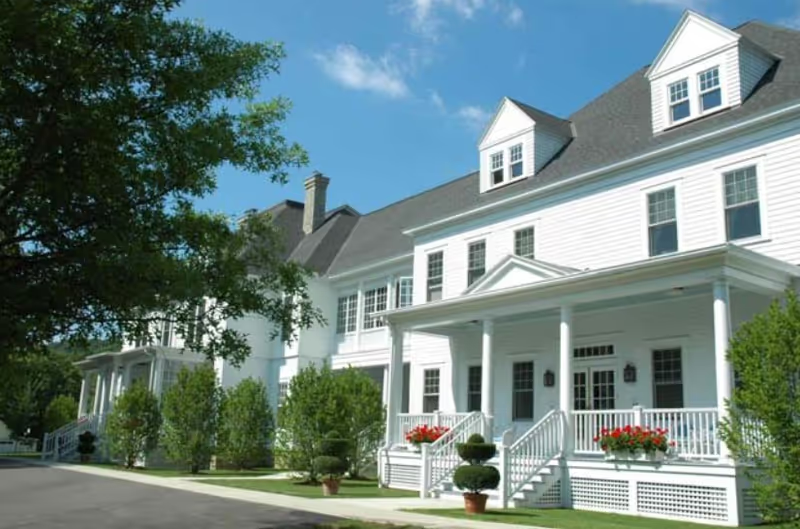
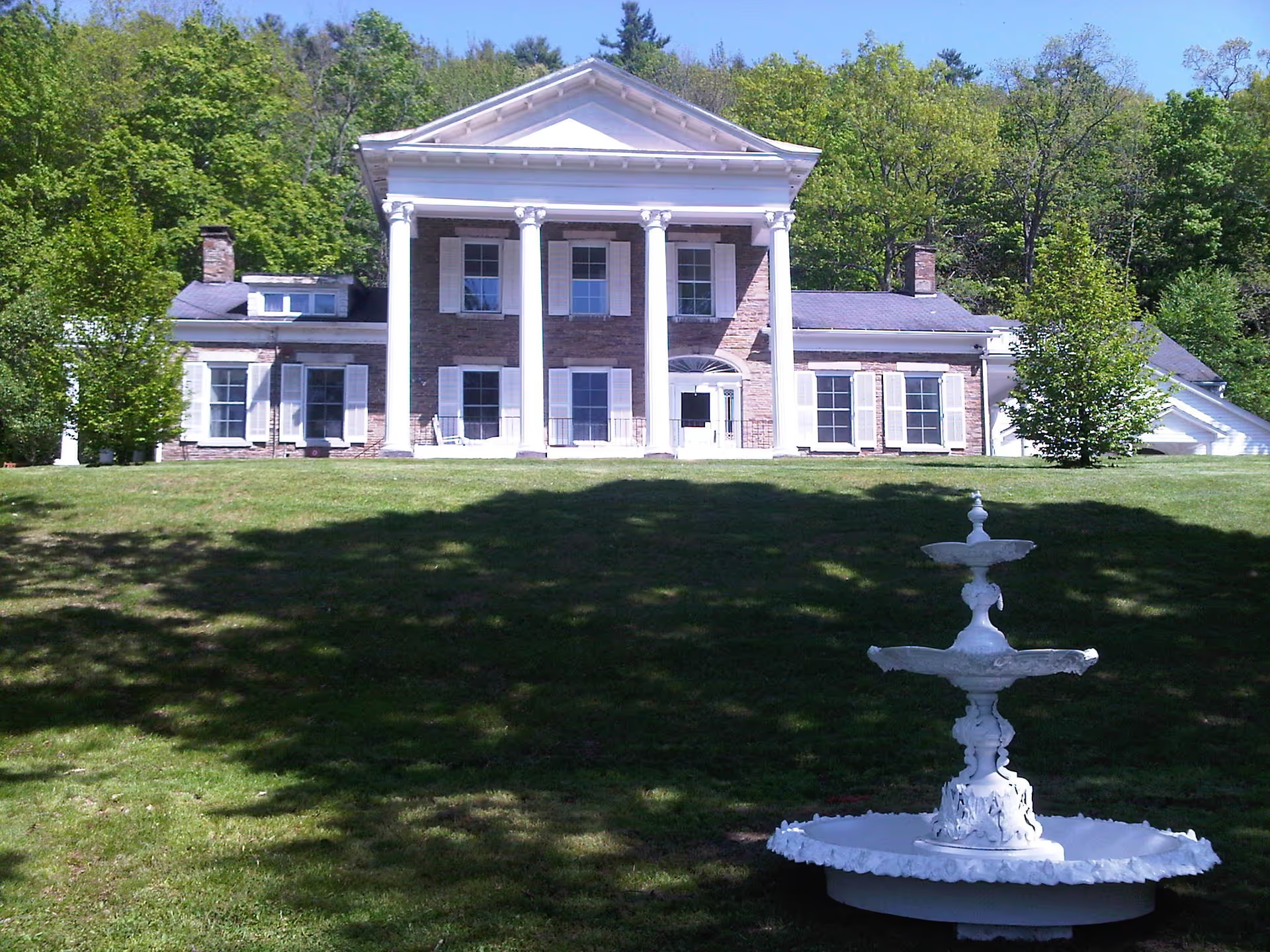
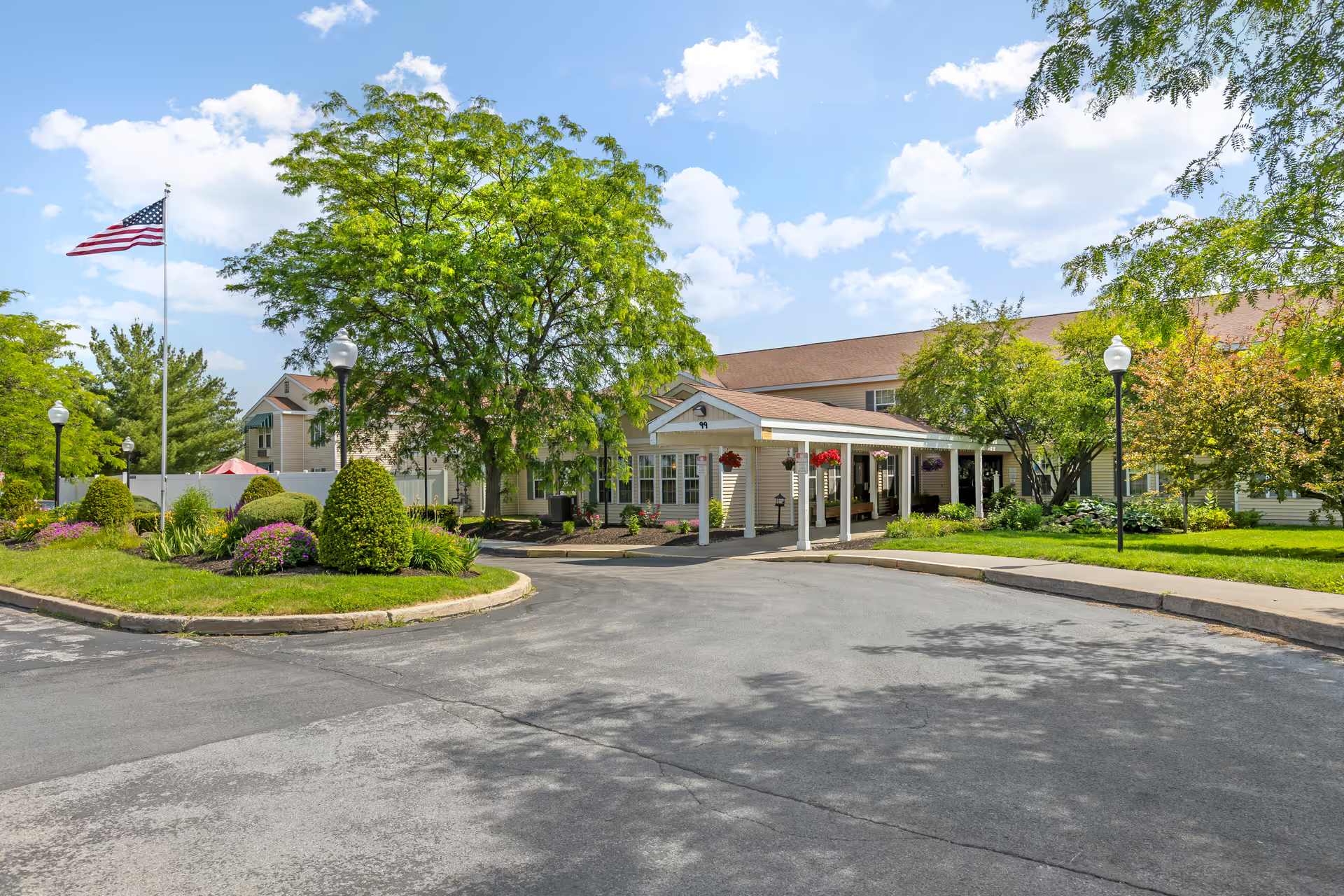
Facility condition and operations reveal both positives and problems. The physical setting, including garden and creek views and outdoor spaces, is described as restful and appealing. At the same time, reviewers cite small resident rooms, limited bathroom access in some units, and sanitation concerns — including inconsistent room-cleaning and odor concerns — that appear linked to staffing and operational processes. There are also multiple mentions of missing personal items and weaknesses in personal-item management.
Management and governance issues are prominent in the negative accounts. Reviewers describe frequent management changes, variable leadership in clinical supervision, and interpersonal communication problems among staff. There are substantial concerns about billing and discharge-hold practices, limited transparency in complaint resolution, and calls for external oversight. While some families report clear, prompt communication from staff and administrators, others describe poor communication, unhelpful human-resources interactions, and an unwelcoming tone from leadership.
Overall, Valley View Manor appears to combine genuine caregiving strengths — notably dedicated individual staff members, active programming, and a pleasant outdoor environment — with operational vulnerabilities centered on staffing levels, meal service consistency, cleanliness processes, and management transparency. Prospective residents and families should prioritize direct inquiries about current staffing ratios, meal policies and accommodations, cleaning schedules, personal-item tracking procedures, and the facility’s complaint-resolution process. Visiting at different times of day, speaking with families of current residents, and asking for recent staffing and inspection data can help clarify whether the facility’s strengths are reliably sustained and whether the operational concerns have been addressed.