Overall impression: Pines Healthcare & Rehab Center presents as a facility with notable clinical resources and active programming but with important operational inconsistencies that prospective residents and families should weigh. Many reviewers praise the clinical strengths—particularly rehabilitation/physical therapy services, around-the-clock physician access, and full-time nursing coverage—and describe caregivers as compassionate and attentive. The facility offers a range of social and spiritual activities (bingo, local-artist presentations, church services) and has on-site cafeteria-style dining, outdoor spaces, and both private and double-room configurations, which families find useful for short-term rehabilitation and end-of-life support.
Care and staff: Clinical care receives mixed but specific feedback. Several accounts highlight strong rehabilitative outcomes and attentive nurses and CNAs who provide compassionate, high-quality hands-on care. At the same time, there are recurring operational concerns: staffing levels appear variable and are linked to slow response times to call lights and assistance requests. Families described delays of up to 20 minutes for routine help and uneven monitoring that, in some cases, led to emergency transfers to hospital. Communication with families is inconsistent—some relatives noted clear, supportive updates while others described poor coordination and brusque reception staff. There are also serious interpersonal concerns, including allegations of culturally insensitive behavior toward Black residents; this raises questions about staff training in cultural competence and respectful communication.
Dining and activities: The facility provides full-service meals and a cafeteria model, and many reviewers appreciated the variety and social nature of dining and activities. However, there is a clear pattern of inconsistent food quality and meal delivery: complaints include poorly prepared entrées, meals served at inadequate temperatures, and incorrect orders. Recreational programming is a consistent strength, with frequent mentions of bingo, artist presentations, church services and other daily events that support resident engagement.
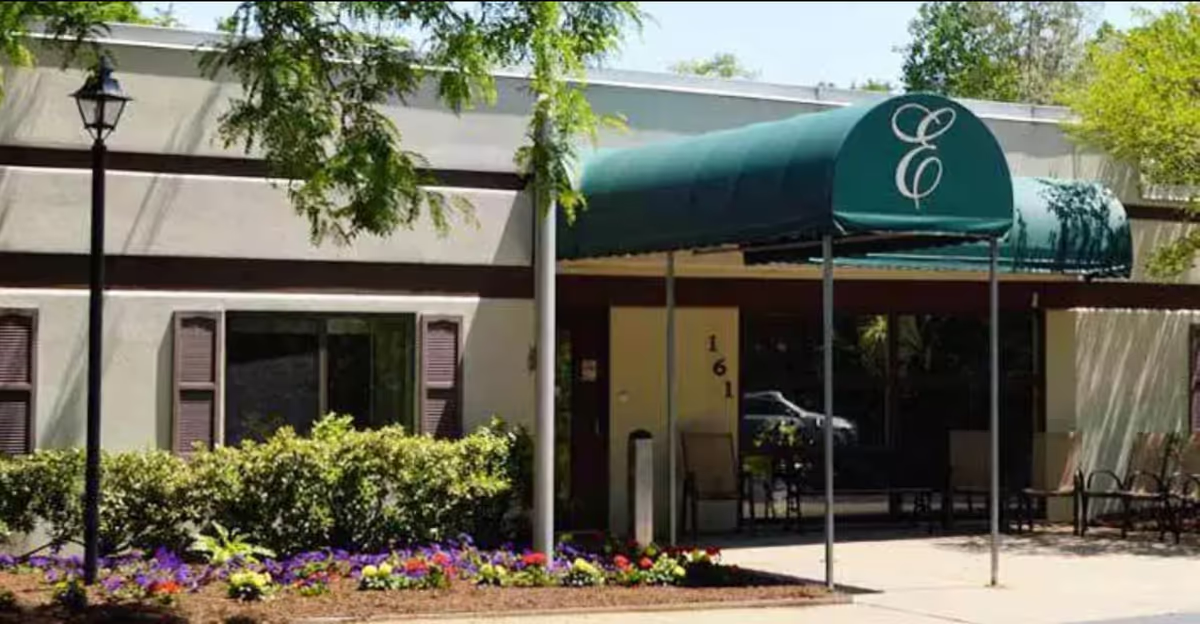
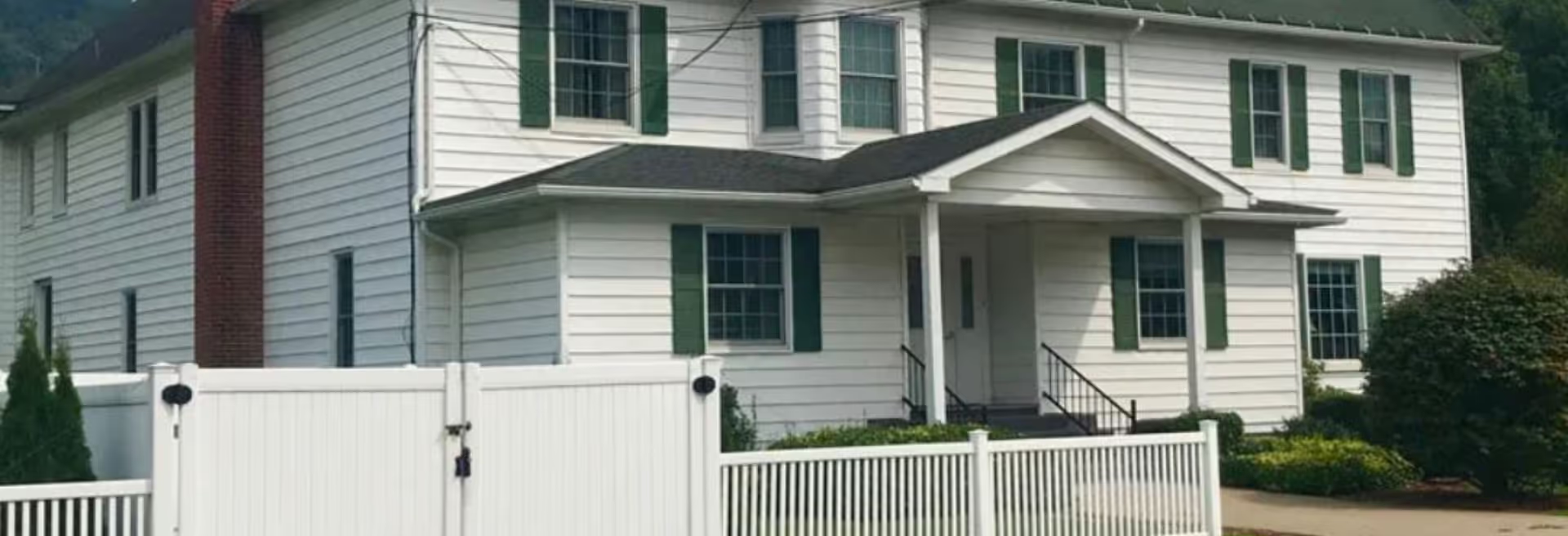
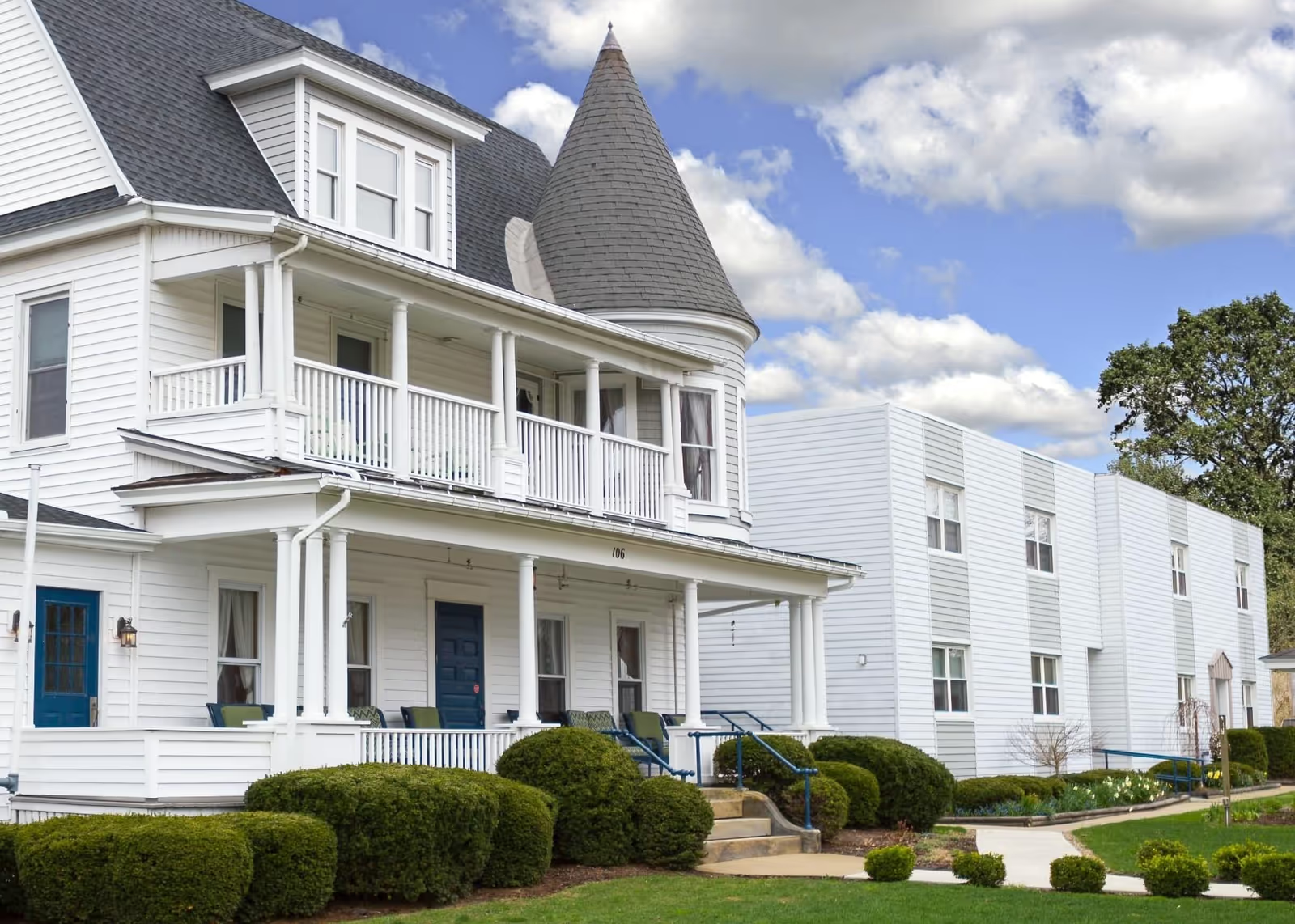
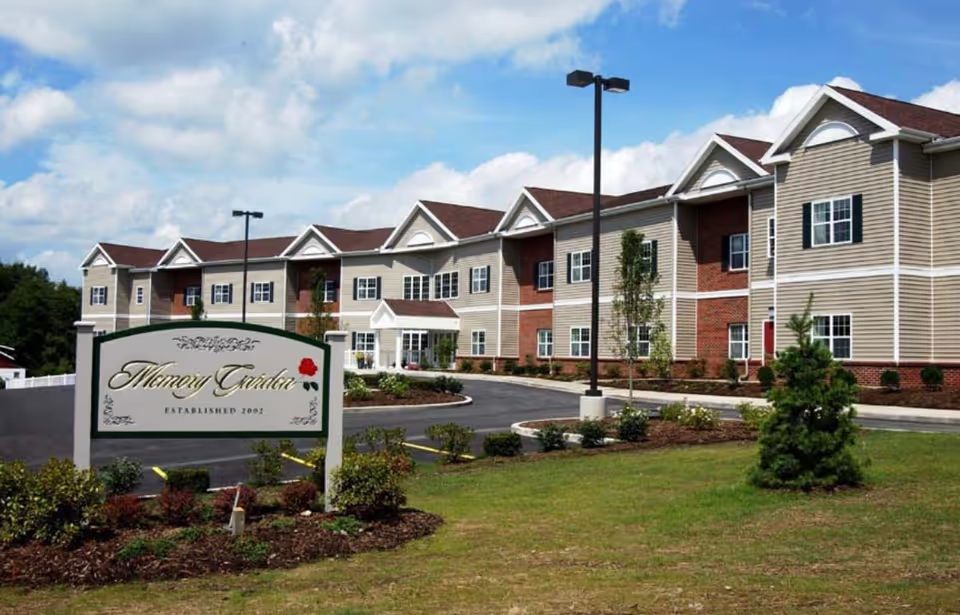
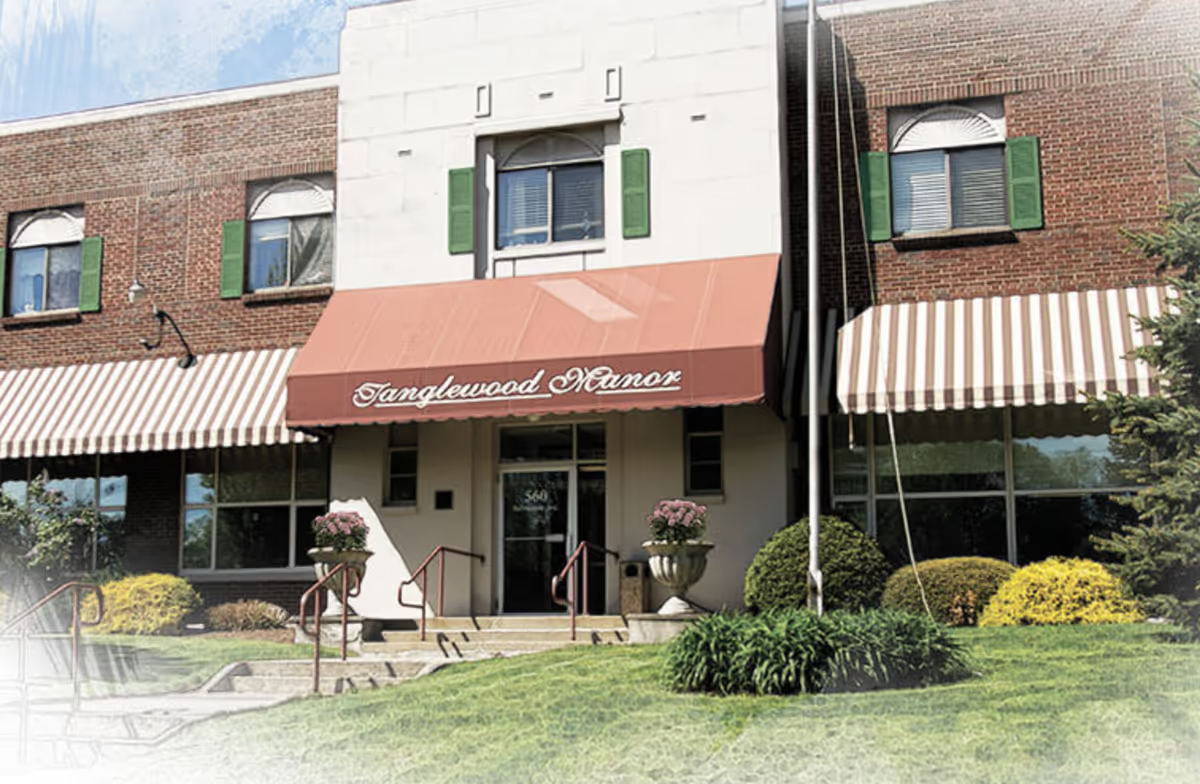
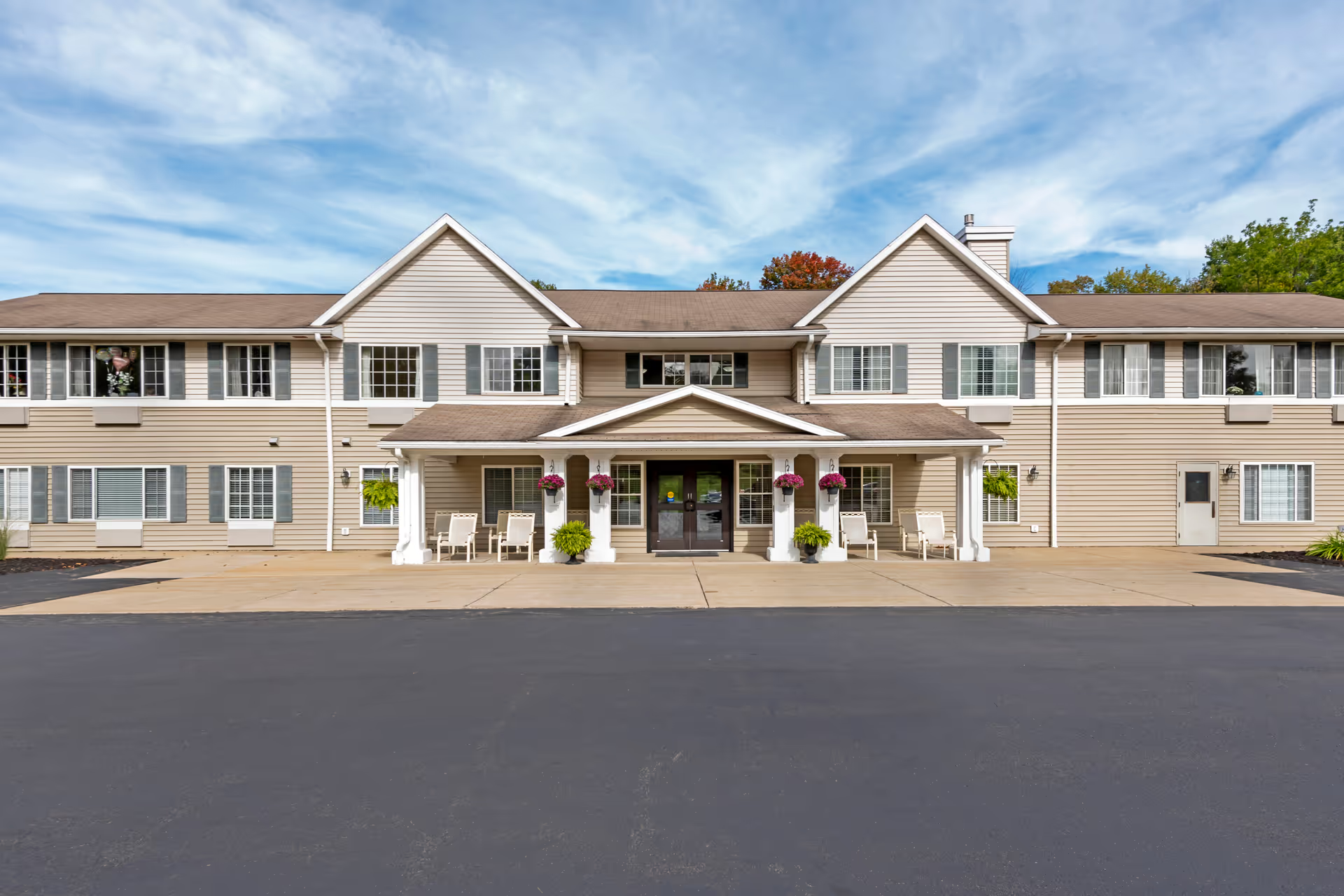
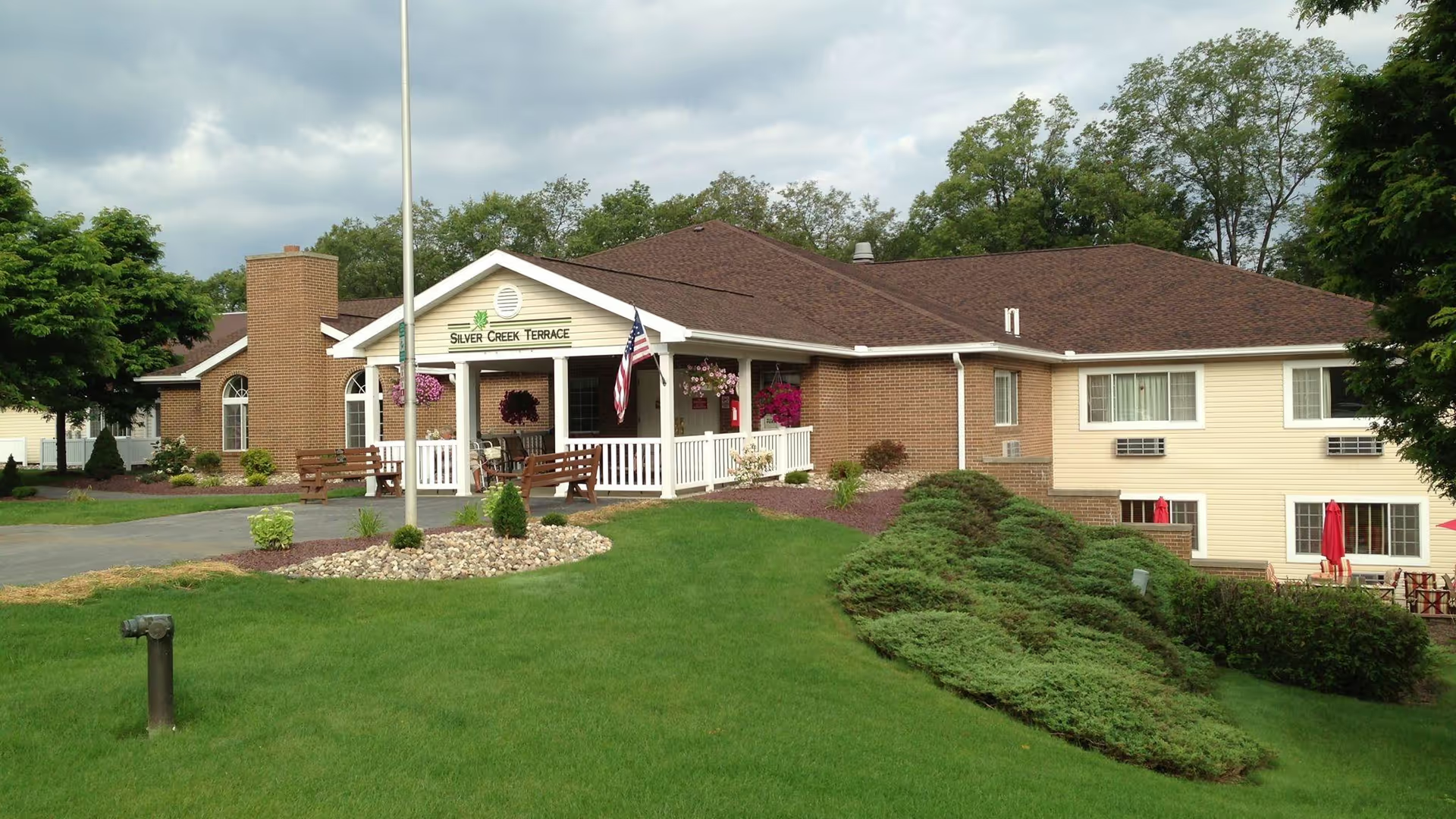
Facilities and environment: Descriptions of the physical plant are divergent. Several families praised clean rooms, outdoor serenity, and thoughtful design; others raised maintenance and environmental-safety concerns such as dark/damp common areas, exposed wiring or ceiling issues, active construction impacts, and general condition problems that affect comfort and perceived safety. In-room comfort is uneven: some rooms are spacious with windows, while others are small and lack essential furnishings (for example, comfortable chairs). Sanitation and odor control are generally acceptable to many but inconsistent enough in some areas to be noted as a concern.
Management and notable patterns: The strongest themes are a core of dedicated, caring staff and effective rehabilitative care contrasted with operational weaknesses tied to staffing, maintenance, and communication. These mixed patterns suggest that quality may depend on unit-level staffing and management responsiveness. Prospective families should consider: reviewing current staffing ratios, observing mealtime service, inspecting room conditions during a visit, and discussing the facility’s policies for cultural-competence training and family communication. When clinical stability and active rehab are priorities, Pines shows clear strengths; when continuous, routine responsiveness and consistent environmental maintenance are essential, families should probe these areas further during tours and intake conversations.