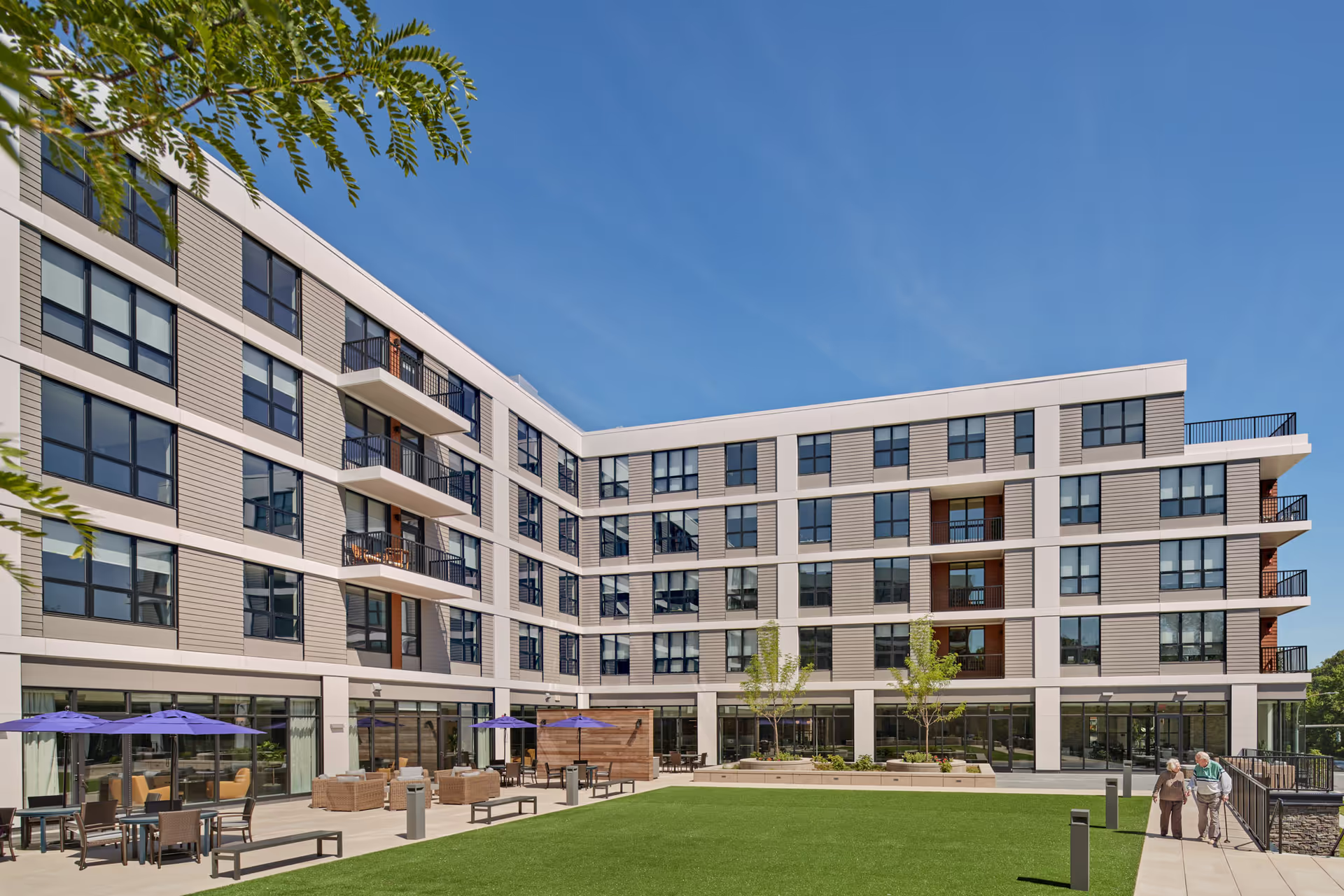
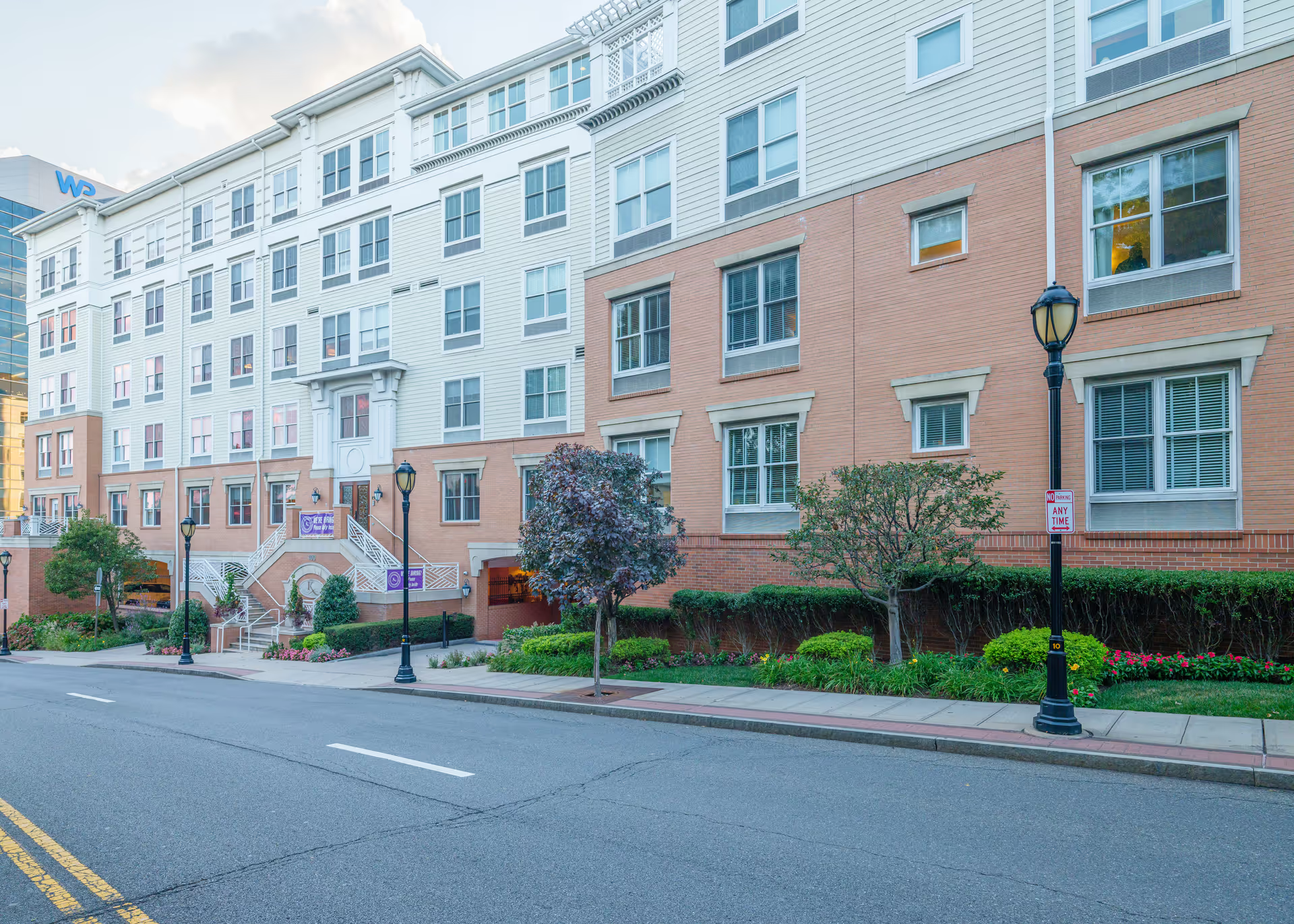
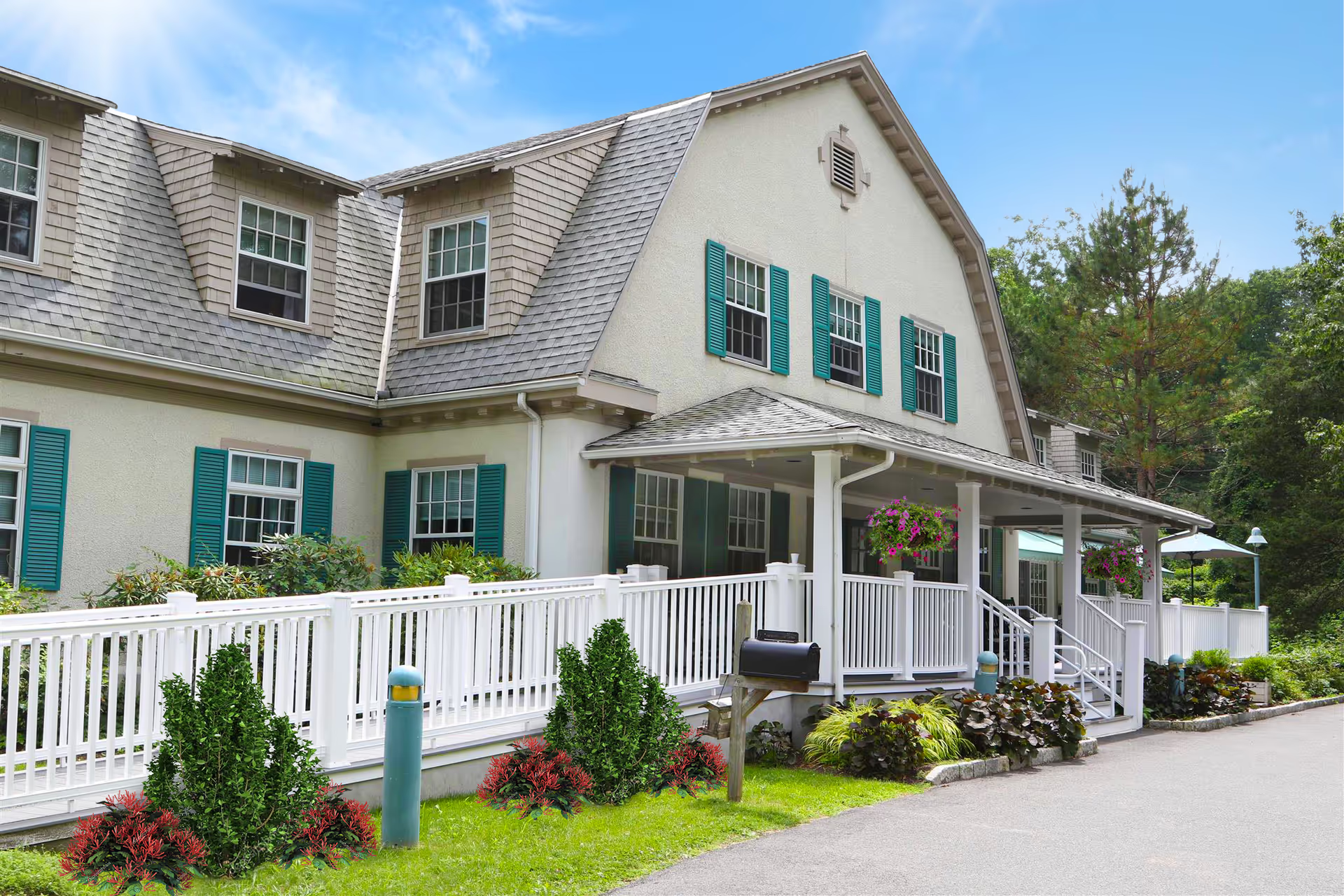
The Enclave at Rye presents a mixed picture with pronounced strengths in rehabilitation and many front-line caregivers, and persistent operational weaknesses that prospective families should evaluate. The facility's physical- and occupational-therapy services receive consistent praise for clinically meaningful gains; several accounts describe residents regaining mobility and returning home. Nursing staff, CNAs, concierge personnel, and the recreation department are frequently described as attentive, compassionate, and effective at creating a social, activity-rich environment. On-site amenities such as a salon, gym, specialized programs (Urban Zen, aroma therapy), bilingual offerings, and a welcoming lobby contribute to a positive first impression and support short-term recovery goals.
Clinical quality shows variability. Reviewers highlight strong wound care and capable therapists and credit individual clinicians with significant recovery outcomes. However, a recurring operational pattern is understaffing — particularly overnight and on weekends — which reviewers link to delayed response times, slowed assistance with basic needs, and inconsistent supervision of mealtimes and hygiene. There are also repeated concerns about medication handling, documentation, and physician accessibility; some accounts point to delayed or unclear clinical escalation and transfer protocols. Infection-control practices and PPE use were questioned in several instances, creating concern about cross-contamination risk during care episodes.
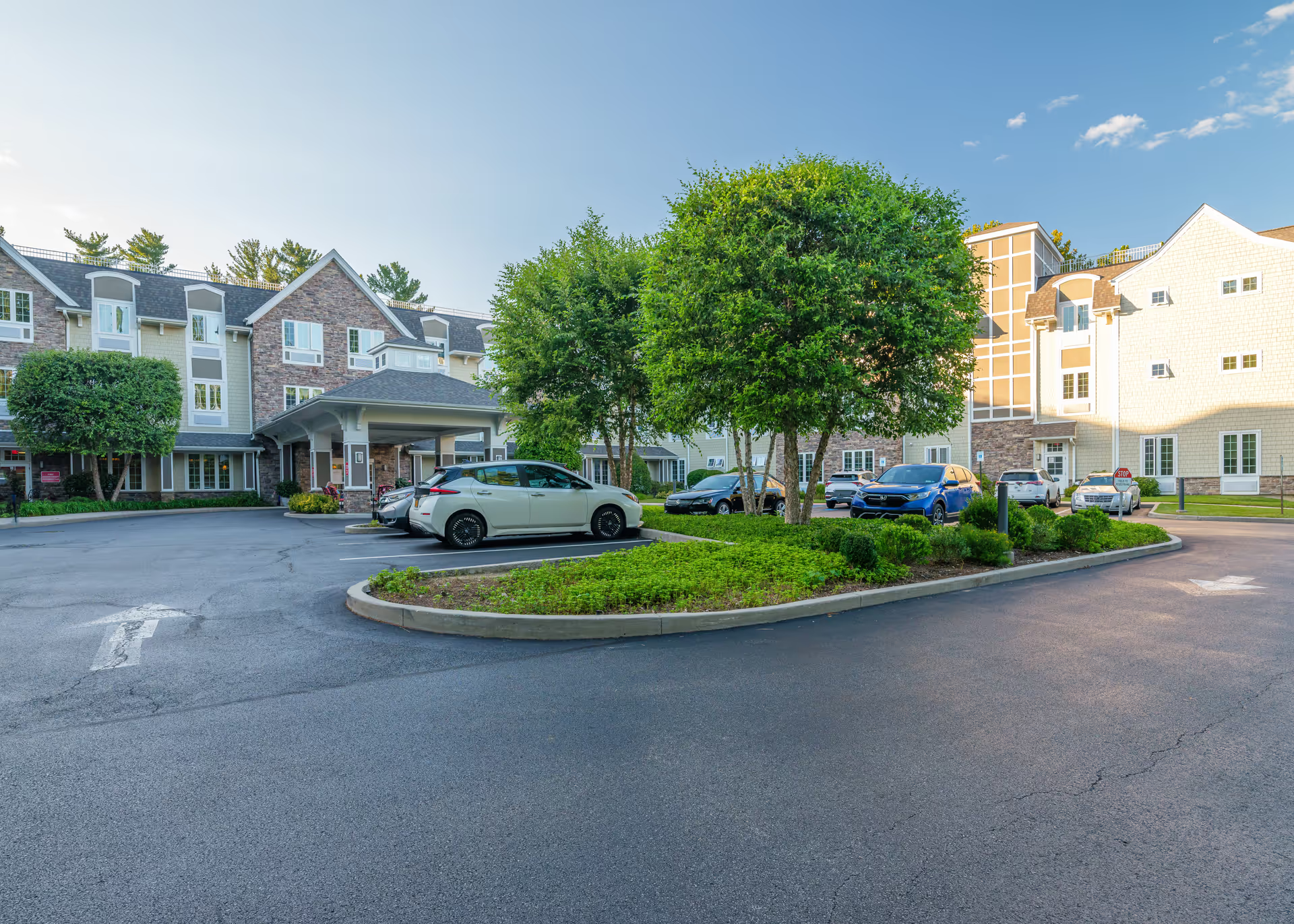
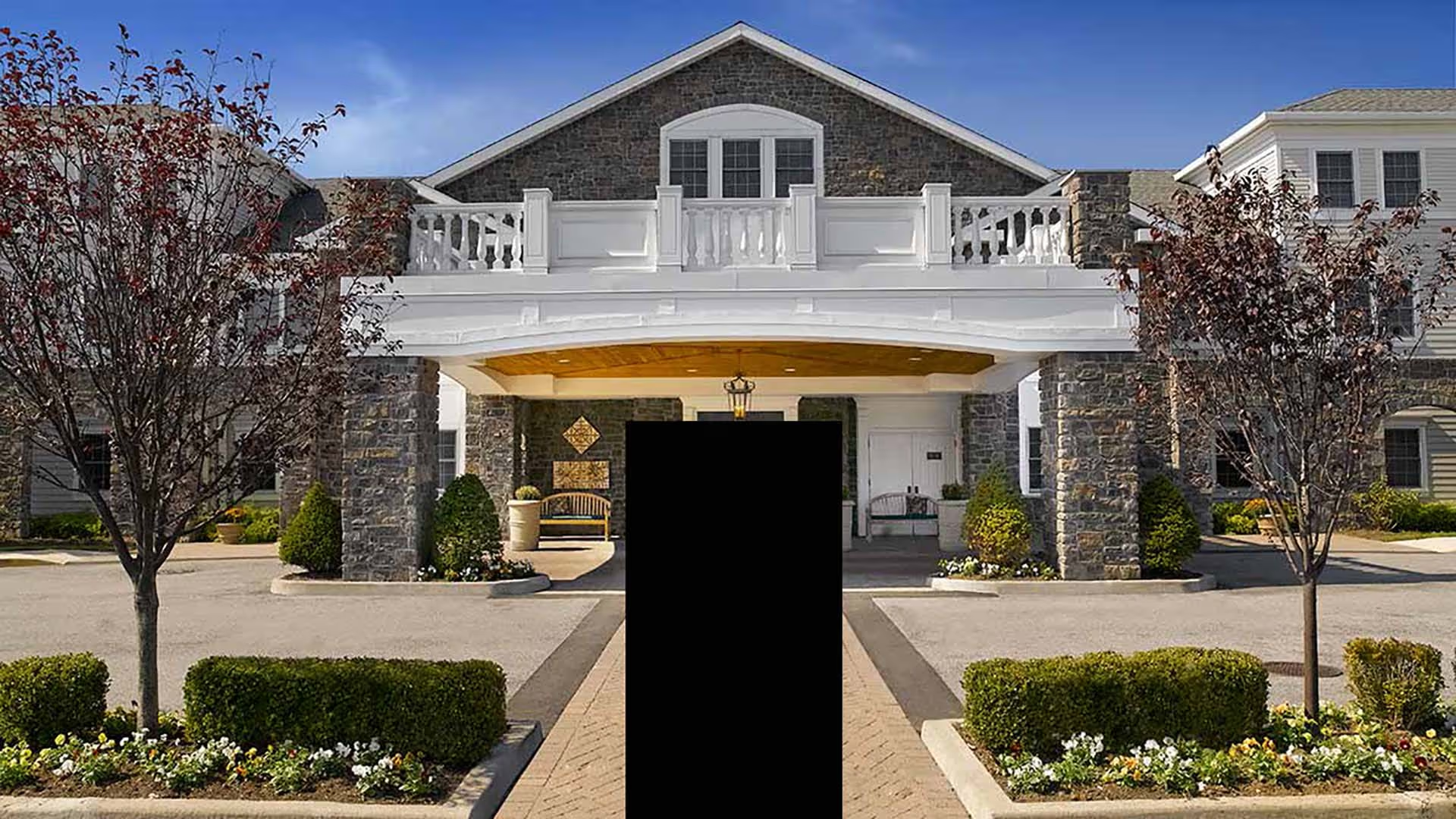
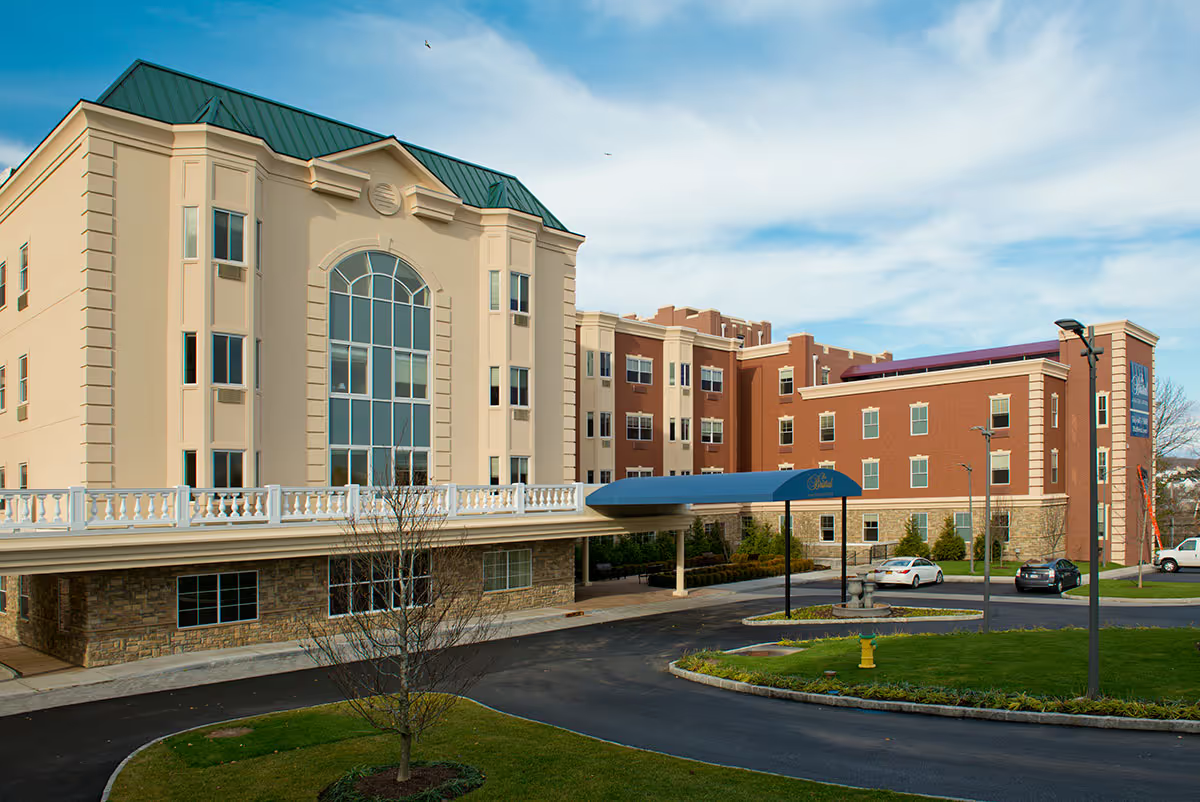
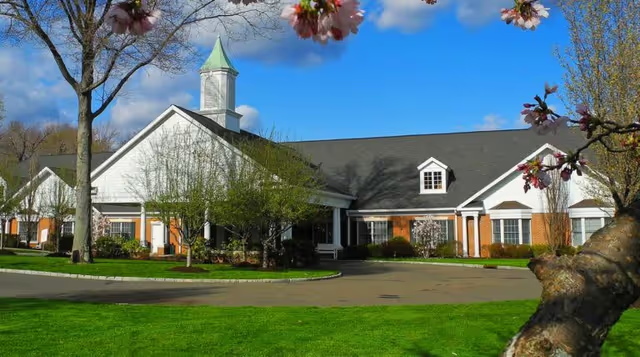
Facility condition and dining are uneven. Many describe a modern, well-maintained lobby and pleasant grounds, while others note that patient rooms vary in size and condition and may not match online photos. Sanitation concerns and odor issues are raised in particular units or rooms, alongside occasional pest-control and linen-quality observations. Dining quality and meal supervision receive mixed feedback: some families found the food acceptable and staff accommodating, while others cited limited meal options, poor presentation, and inconsistent assistance for residents with cognitive or swallowing needs.
Management and communication also show contrasts. Multiple contributors praise individual leaders, recreational directors, and social-service staff for family-centered communication and discharge planning. At the same time, there are repeated themes of inconsistent family communication, language barriers, and questions about billing and discharge practices; a small number of reviewers raised allegations related to missing personal items and billing irregularities. Staffing skill mix on certain shifts, weekend-only LPN coverage in rehab, and variable bedside manner among night managers are operational issues that recur across accounts.
Practical guidance for families: The Enclave appears strongest as a short-term rehabilitation site where motivated therapy teams and engaged CNAs can produce measurable recovery. For long-term placements or medically complex patients, families should carefully evaluate staffing ratios (especially nights/weekends), infection-control and medication-management protocols, fall- and pressure-injury prevention policies, property-security safeguards, and recent inspection or deficiency histories. A visit during different times of day, direct questions about clinician coverage, and written clarification of discharge and billing processes are recommended to align expectations with the facility’s variable operational performance.