The reviews for Meadows at Brookmeade present a highly mixed picture. Many families and residents praise the direct-care staff, rehabilitation services, and aspects of the physical environment, while other accounts raise sustained operational concerns. This creates a polarized set of impressions in which positive experiences coexist with recurrent reports of systemic weaknesses.
Care quality and staff: A consistent strength is the bedside manner and clinical skill of many frontline caregivers and the therapy team. Reviewers frequently highlight compassionate, attentive staff who provide personalized updates to families and effective post‑surgical and rehabilitative care. However, staffing levels and staff continuity are recurring concerns. Several accounts describe delays in responding to call lights and assistance requests, inconsistent administration of medications and documentation, missed shower schedules, and gaps in daily personal-care routines. These operational issues are linked in multiple accounts to staff burnout and turnover, which can affect reliability of care even where individual caregivers are praised.
Dining and activities: Dining impressions are mixed. Some families describe very good or delicious meals and appreciate the café and event-space amenities; others find the food average or unappealing and report limited menu variety. Activity programming and special events (holiday parades, social programming) are noted positively and appear to contribute to a warm, homelike atmosphere for many residents. There are also concerns about how dining and programming accommodate residents with cognitive impairment and whether dementia-specific meal support is consistently provided.
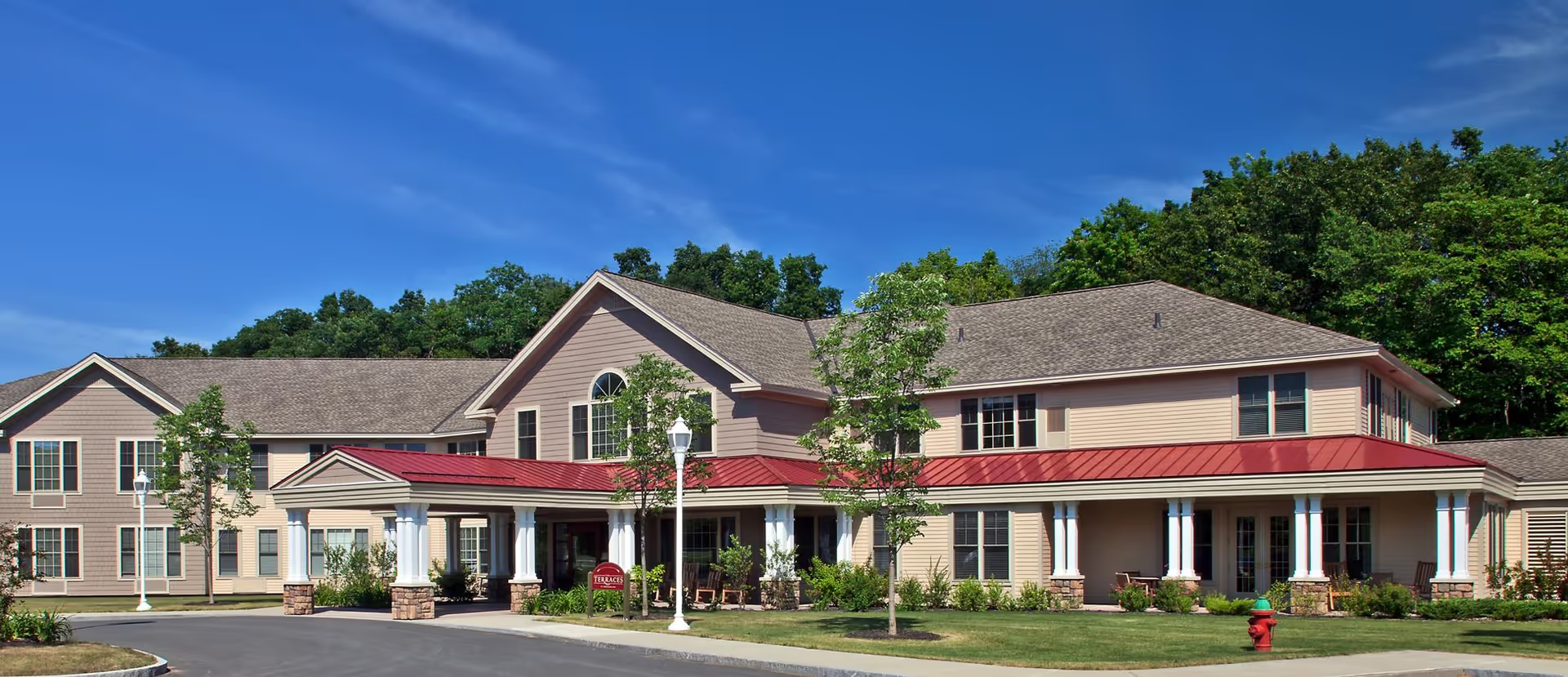
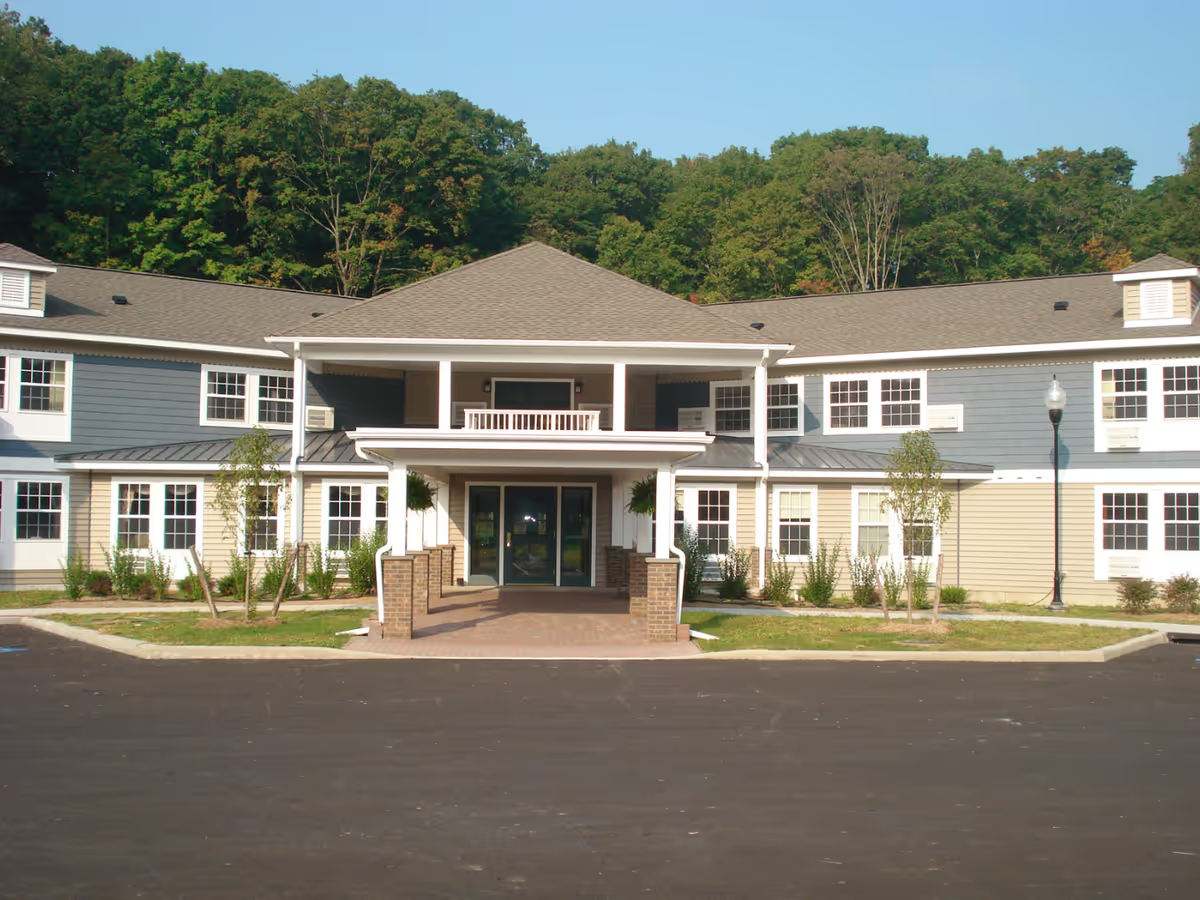
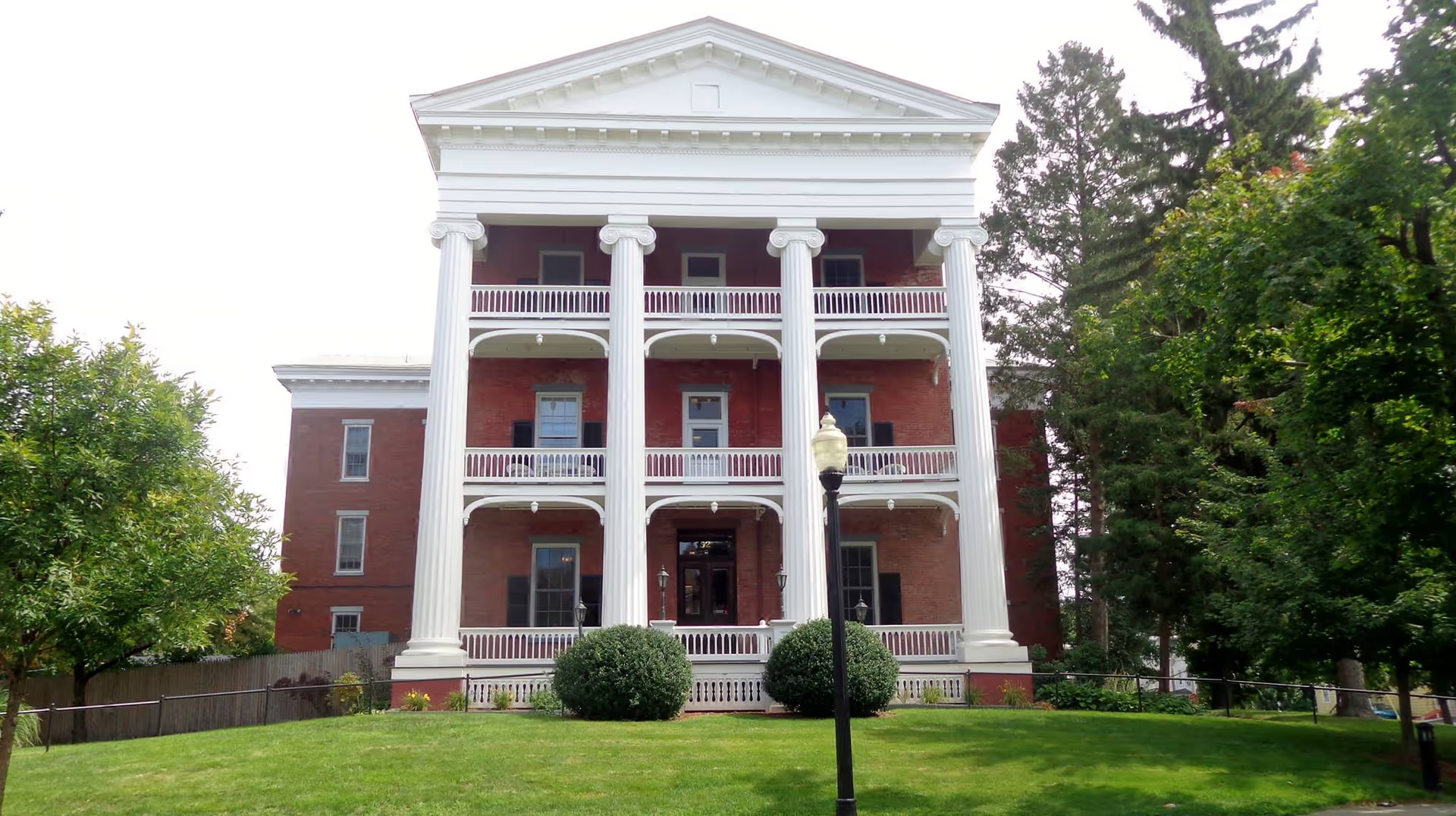
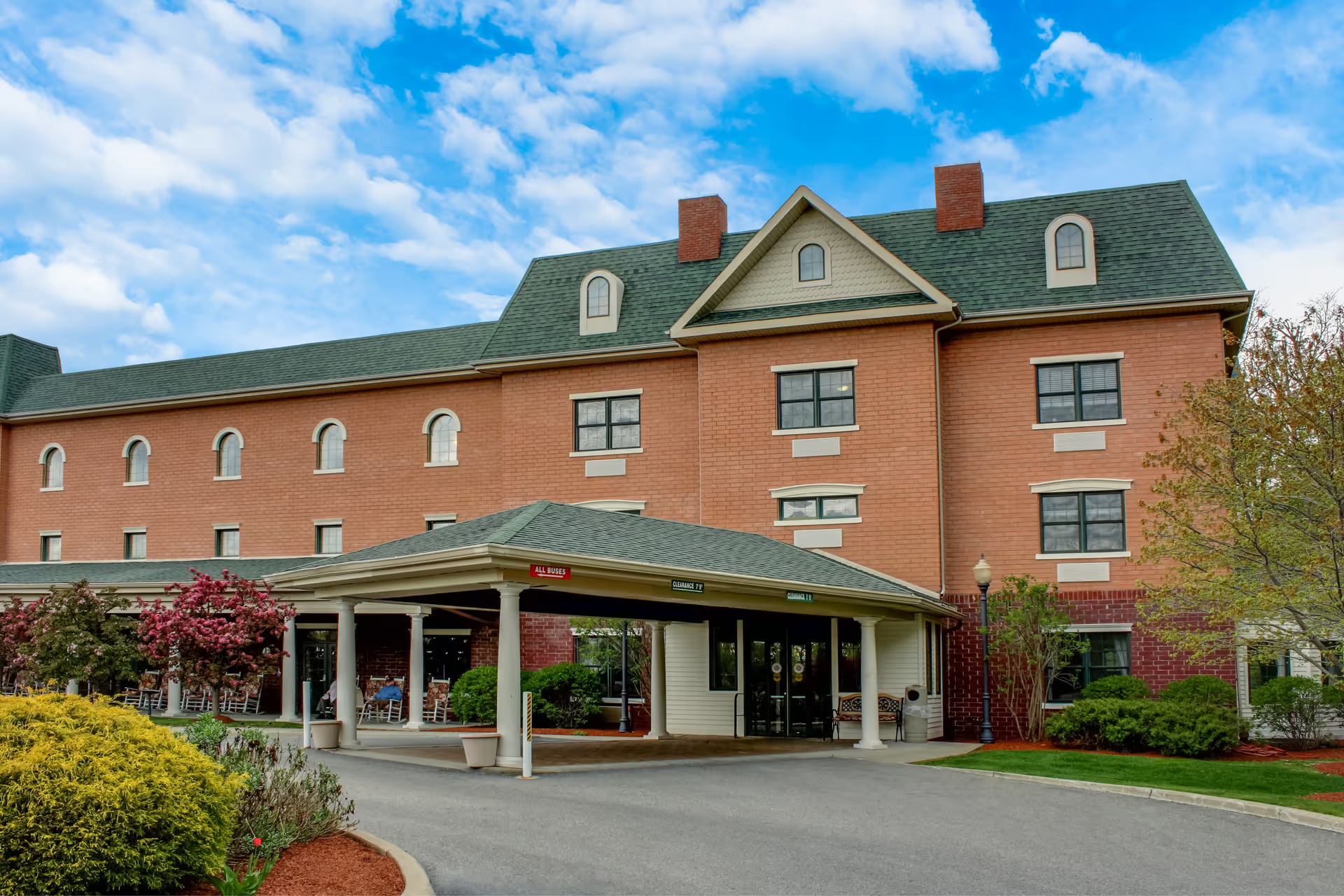
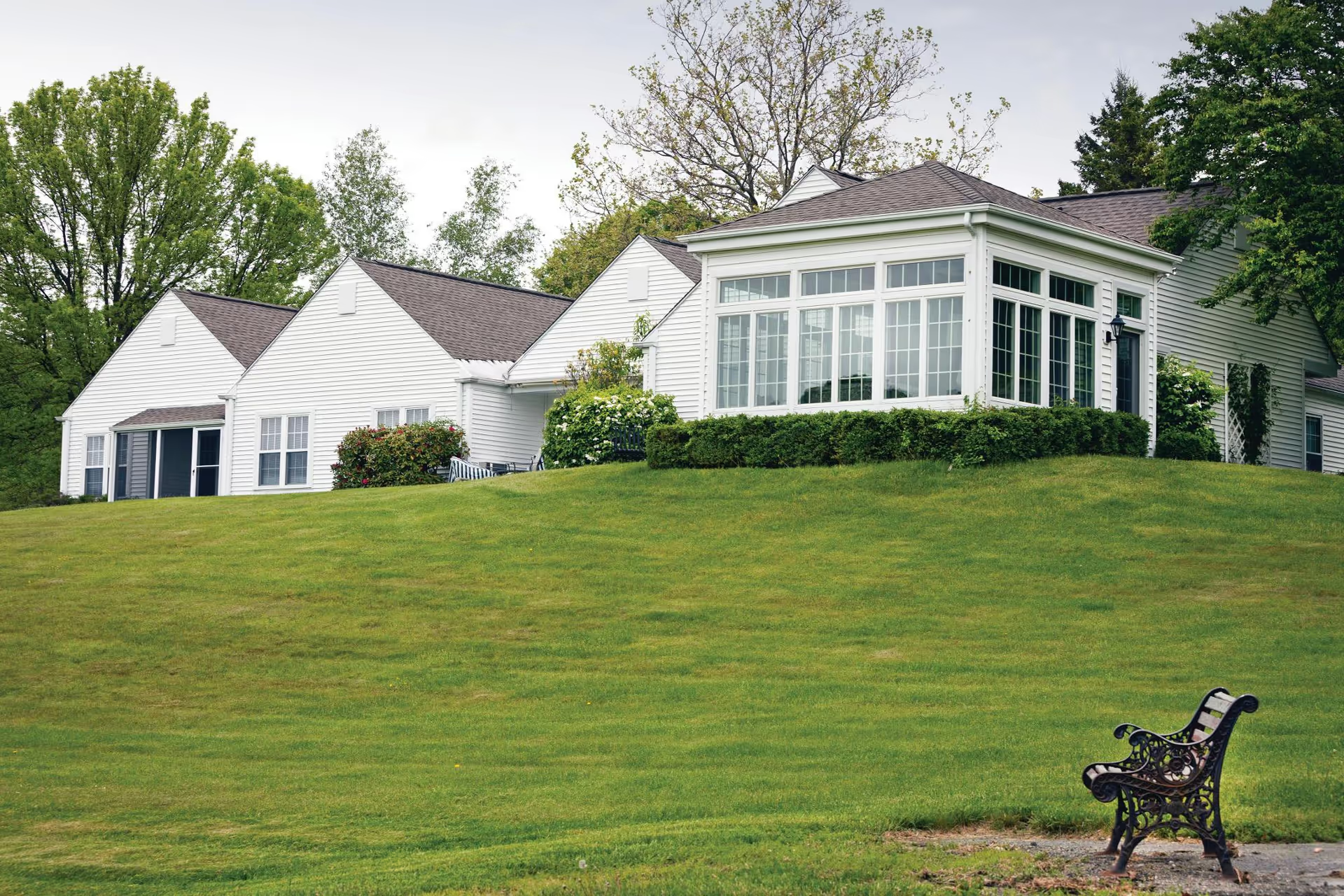
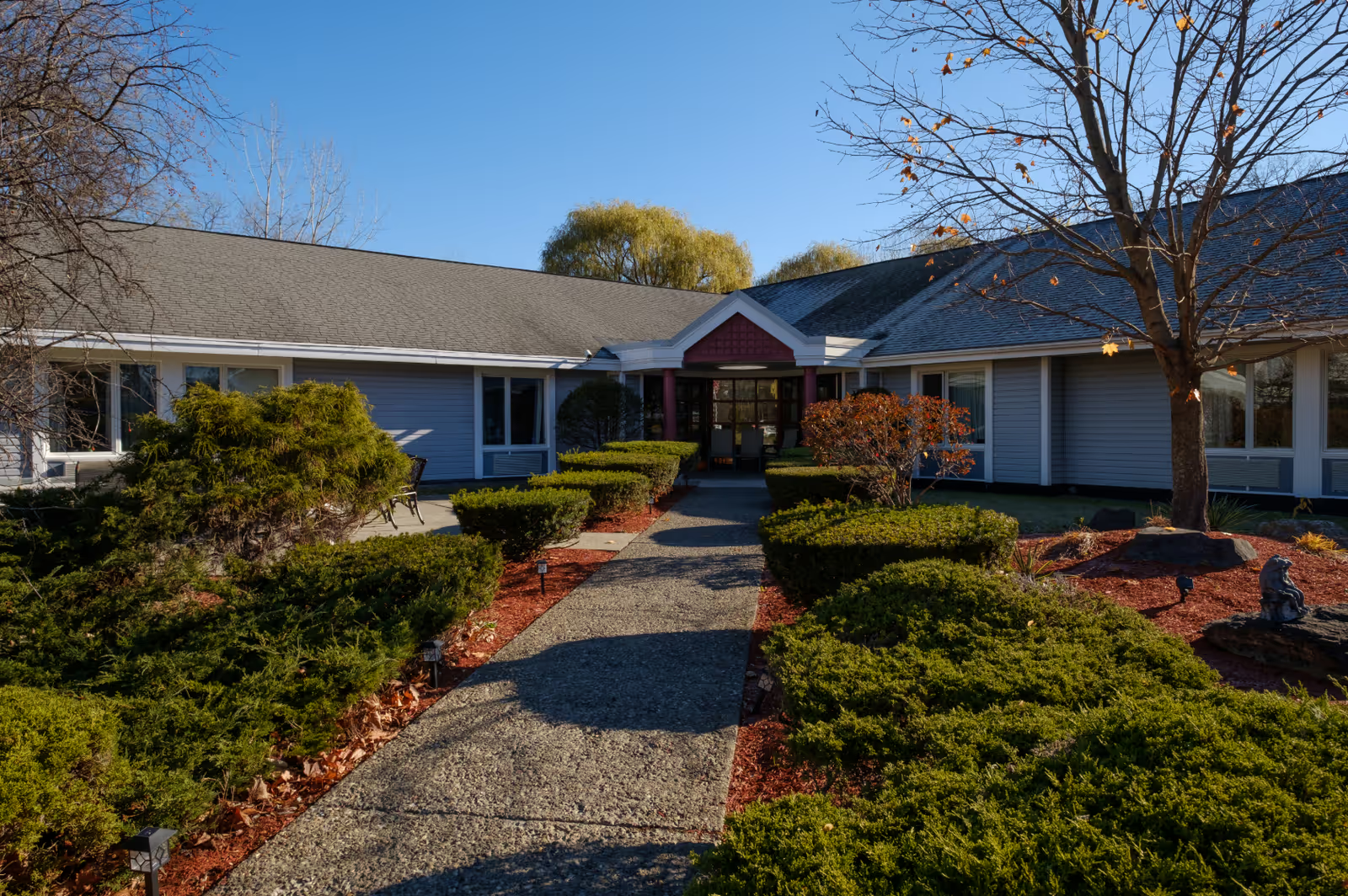
Facilities and infection control: Many reviewers describe the building and grounds as clean, well maintained, and attractive; others report variability in cleanliness and maintenance in particular units. Infection-control practices during the COVID-19 period are described as strict and effective by some families, including use of quarantine areas and restricted visitation that likely limited transmission. At the same time, those same restrictions were experienced by some families as inflexible, with limited in‑room visitation options and burdensome arrangements for resident phone service.
Management and administration: Opinions on leadership are split. Some describe organized operations, cohesive clinical teams, and responsive administration. Contrasting accounts cite slow or unresponsive administrative behavior, poor communication around discharges and care transitions, unclear contract and consent processes, and concerns about billing transparency. There are serious claims concerning aggressive post‑admission or post‑mortem billing and collection activity; given the severity of those claims they warrant independent verification. Additionally, some reviewers questioned the credibility of online ratings and raised concerns about internal review authorship and human-resources attitudes.
Overall pattern and guidance: The dominant pattern is a facility where many frontline staff provide compassionate, effective hands-on care and therapy, but where systemic operational issues — principally staffing shortages, inconsistent execution of routine care tasks, variable cleanliness, and administrative opacity — can lead to uneven experiences. Prospective residents and families would be well advised to perform targeted due diligence: observe staffing levels and call‑response times during visits, sample a meal, ask for written details about laundry and bathing schedules, review contract and billing clauses carefully, request recent inspection and staffing reports, and speak with current resident families about day‑to‑day reliability. Those inquiries will help clarify whether the facility’s strengths align with a given resident’s needs and whether the operational concerns are being actively managed.