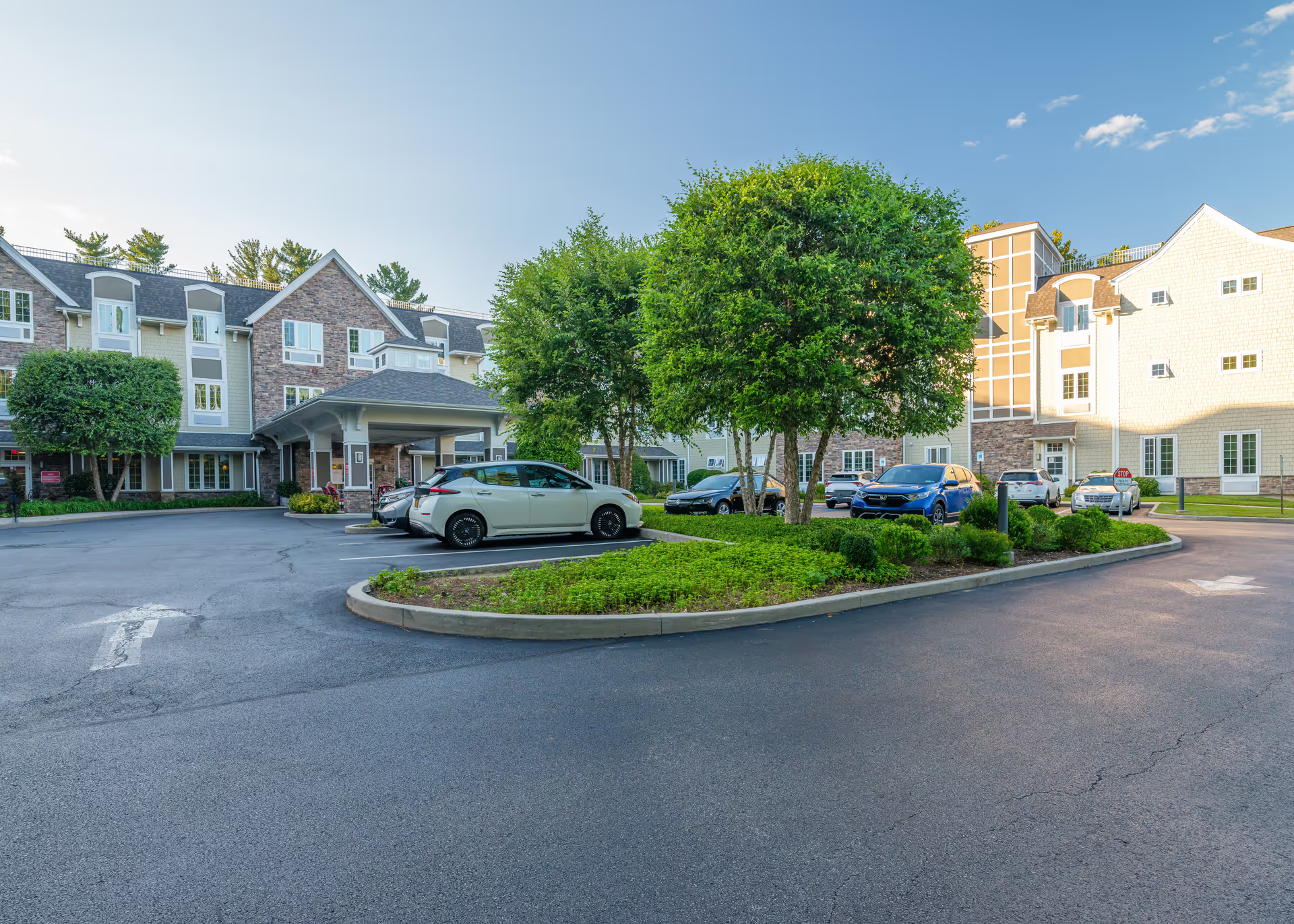
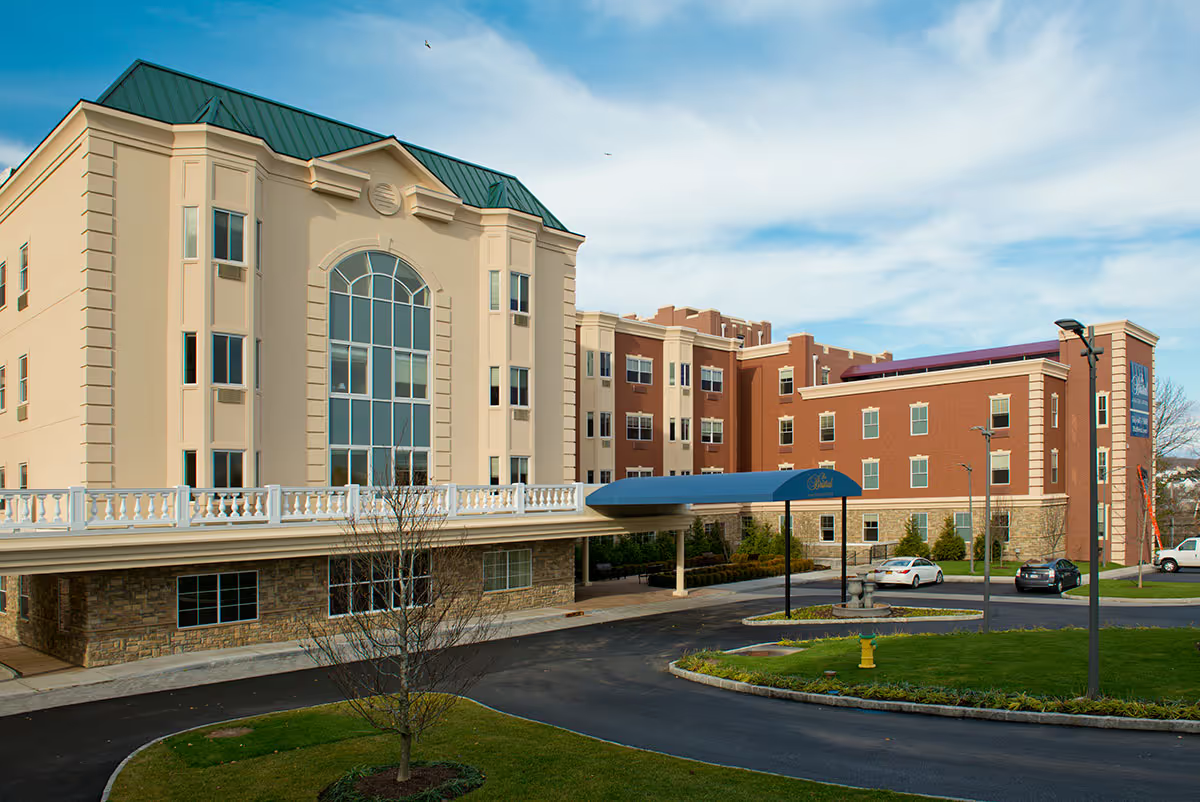
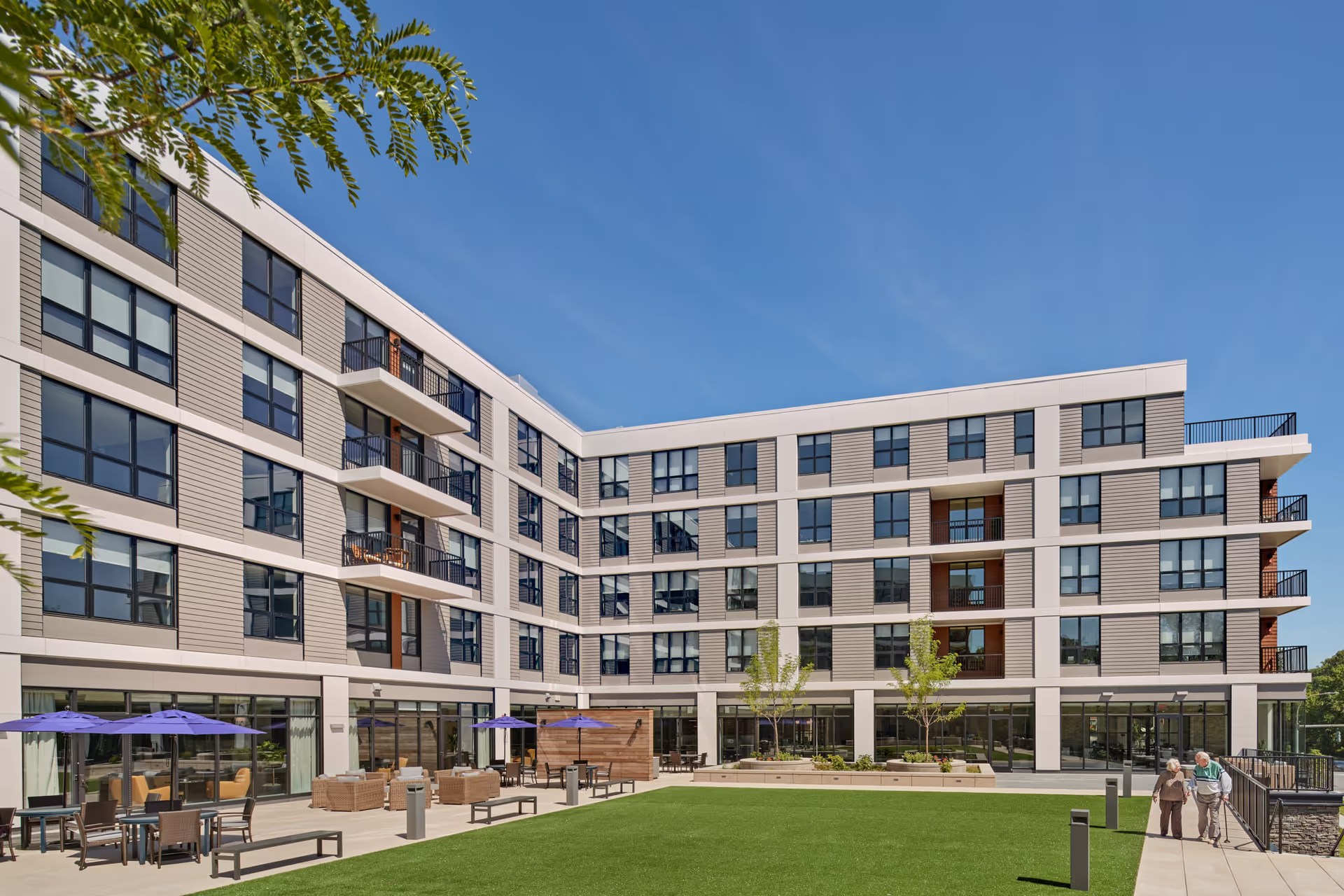
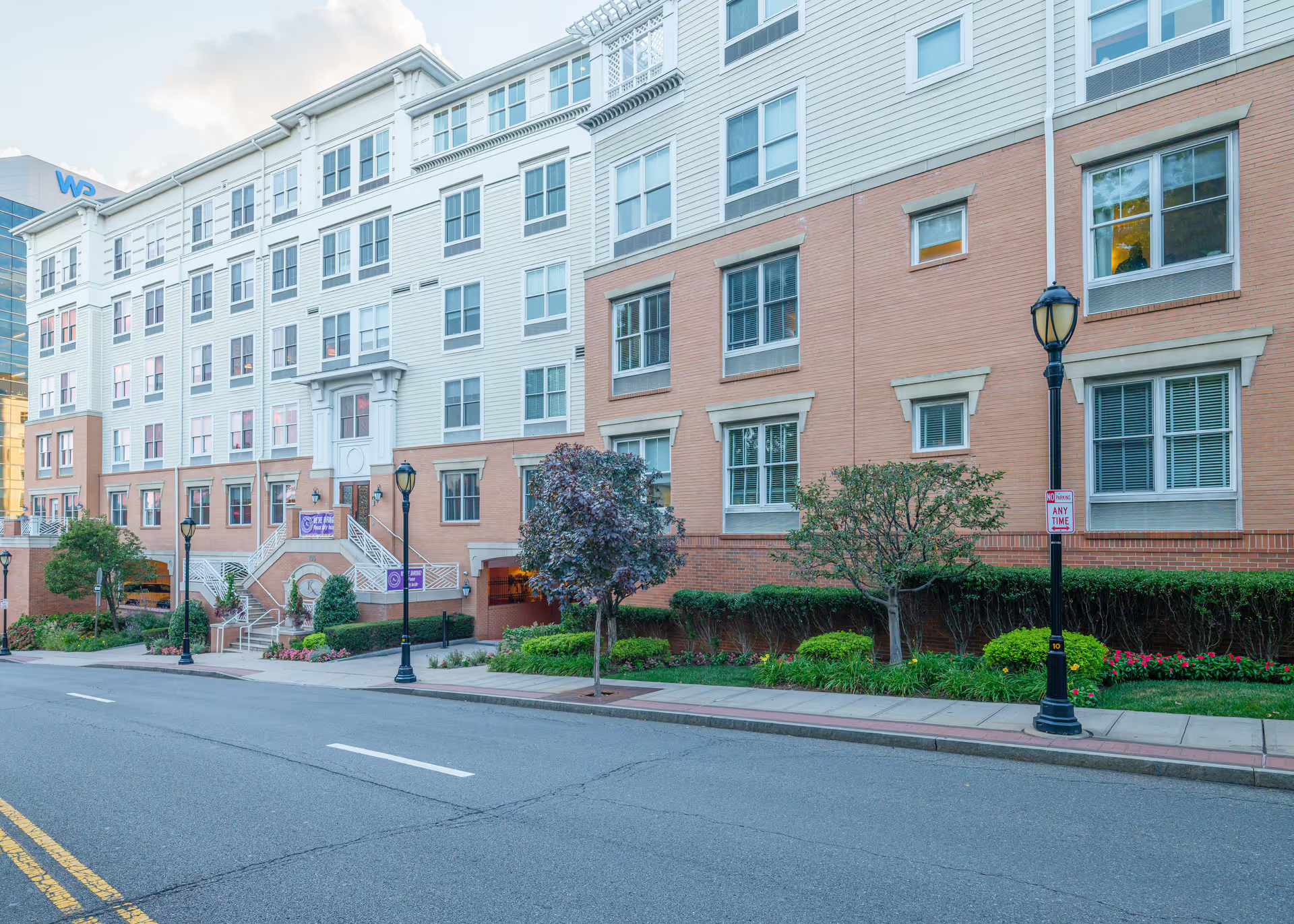
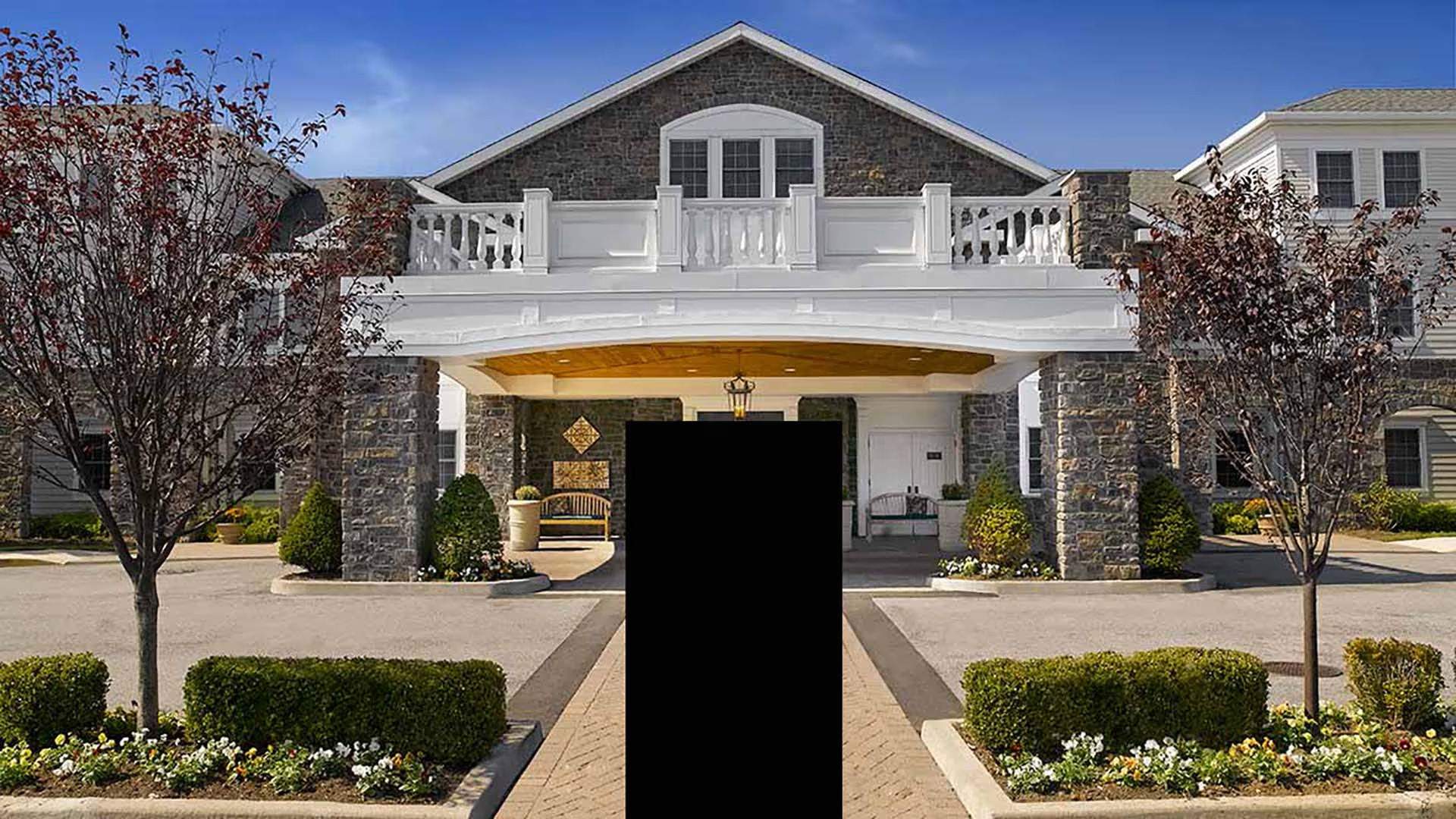
The Osborn Senior Living is consistently described as a high-end, well-appointed continuing care retirement community with extensive campus amenities. Reviewers highlight an attractive 60-acre setting, well-maintained gardens, and a range of recreation spaces — including pools, fitness centers, libraries, auditoria, and salon/concierge services. Private and spacious apartment and room options, multiple dining venues, and an on-site medical office add to the campus convenience. The facility supports a full continuum of care (independent living, assisted living, and skilled nursing/rehab) and accepts Medicare and Medicaid, which can simplify transitions when needs change.
Clinical care and rehabilitation receive mixed but distinct patterns. Physical therapy and rehabilitation programs are frequently praised, with mentions of skilled therapists, strong aftercare planning, and named leadership that delivers measurable mobility improvements. At the same time, several accounts raise concerns about nursing oversight: inconsistent medication administration processes, delays in delivering medications, and limited RN-level presence for residents with higher acuity. Call-button response times and timely attention to assistance requests are recurring operational issues that prospective residents requiring close clinical supervision should evaluate closely.
Staffing and staff conduct are described in contrasting terms. Many reviewers characterize staff as friendly, caring, and welcoming — particularly in therapy, concierge, and some nursing interactions. However, there are repeated descriptions of variable staff responsiveness, occasional unprofessional communication tone, and gaps in follow-up from management. Staffing shortfalls are noted during weekends and high-demand times, which can exacerbate response delays. Infection-control practices were called into question in a few accounts, and families should confirm current protocols and training.
Dining and programming are strengths with qualifications. The community offers varied dining formats from formal to informal restaurant-style service, and many residents appreciate healthy options and on-campus meal delivery when needed. Contrasting comments cite inconsistent food quality, issues with meal temperature and seasoning, and limitations in accommodating specific therapeutic diets. Activities programming is robust overall — exercise classes, concerts, clubs, trips, and resident-driven events are regularly available — but a subset of residents report limited activities in particular units or periods.
Management and family communication show mixed feedback. Therapy leadership and select clinical managers receive positive mention, while other aspects of executive follow-up and family communication are described as inconsistent. Concerns include slow or inadequate responses to family inquiries and questions about how certain clinical or social incidents are handled. The facility’s expense and fee structure is a consistent consideration; reviewers note that fees are high and may effectively limit access for some families.
In summary, The Osborn offers an extensive, well-appointed campus with strong rehabilitation services, a wide array of amenities, and many caring staff members. Persistent operational themes to investigate before a decision include nursing oversight and medication-management protocols, call-response times, staffing levels during off-hours, infection-control policies, dining consistency, accommodations for hearing-impaired residents, and the facility’s communication and escalation pathways for families. Prospective residents and families would be well served to tour multiple levels of care, request current staffing and clinical-coverage information, sample dining, and ask specific questions about RN availability, response-time metrics, and accommodations for sensory or cognitive needs.