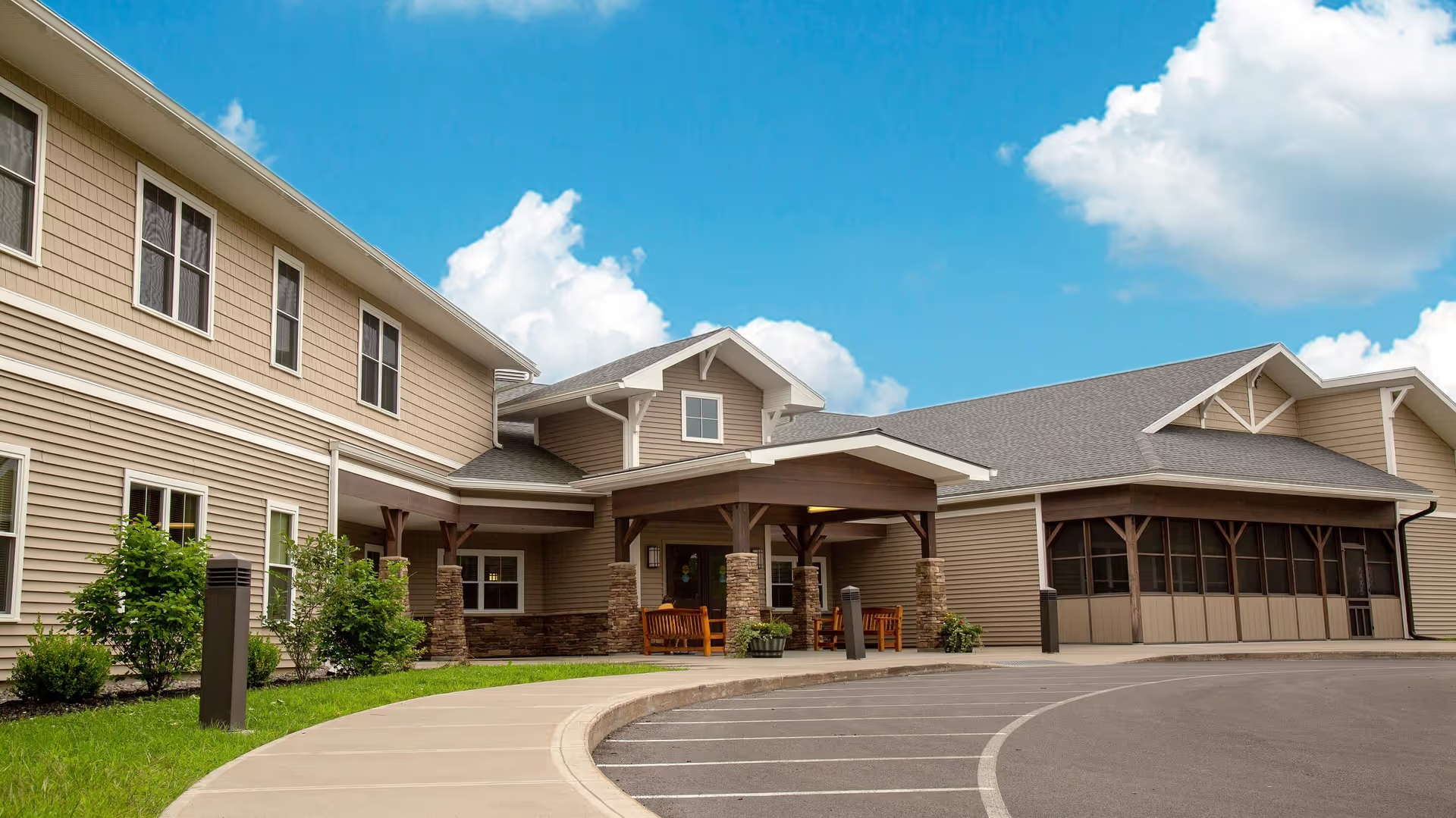
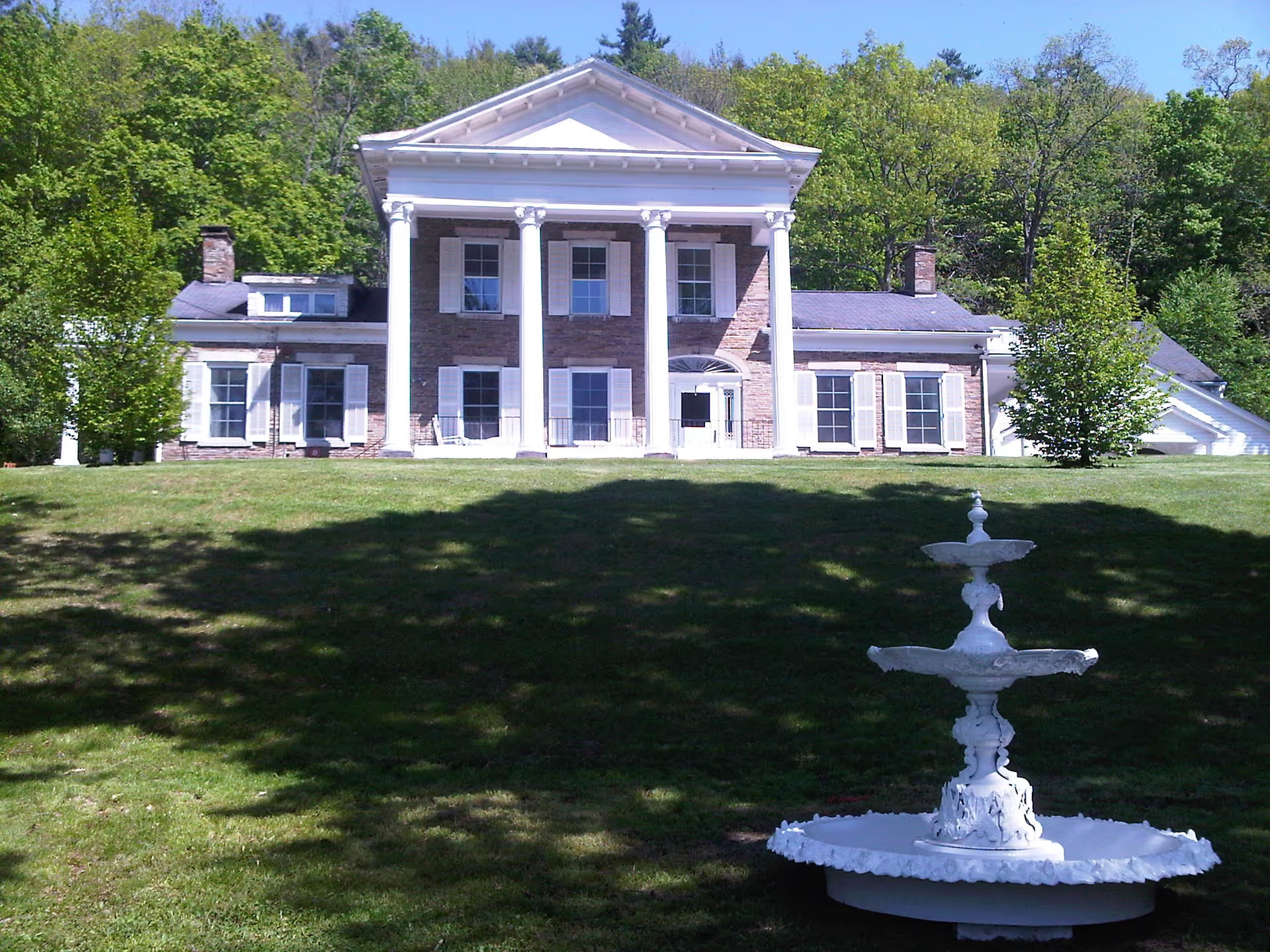
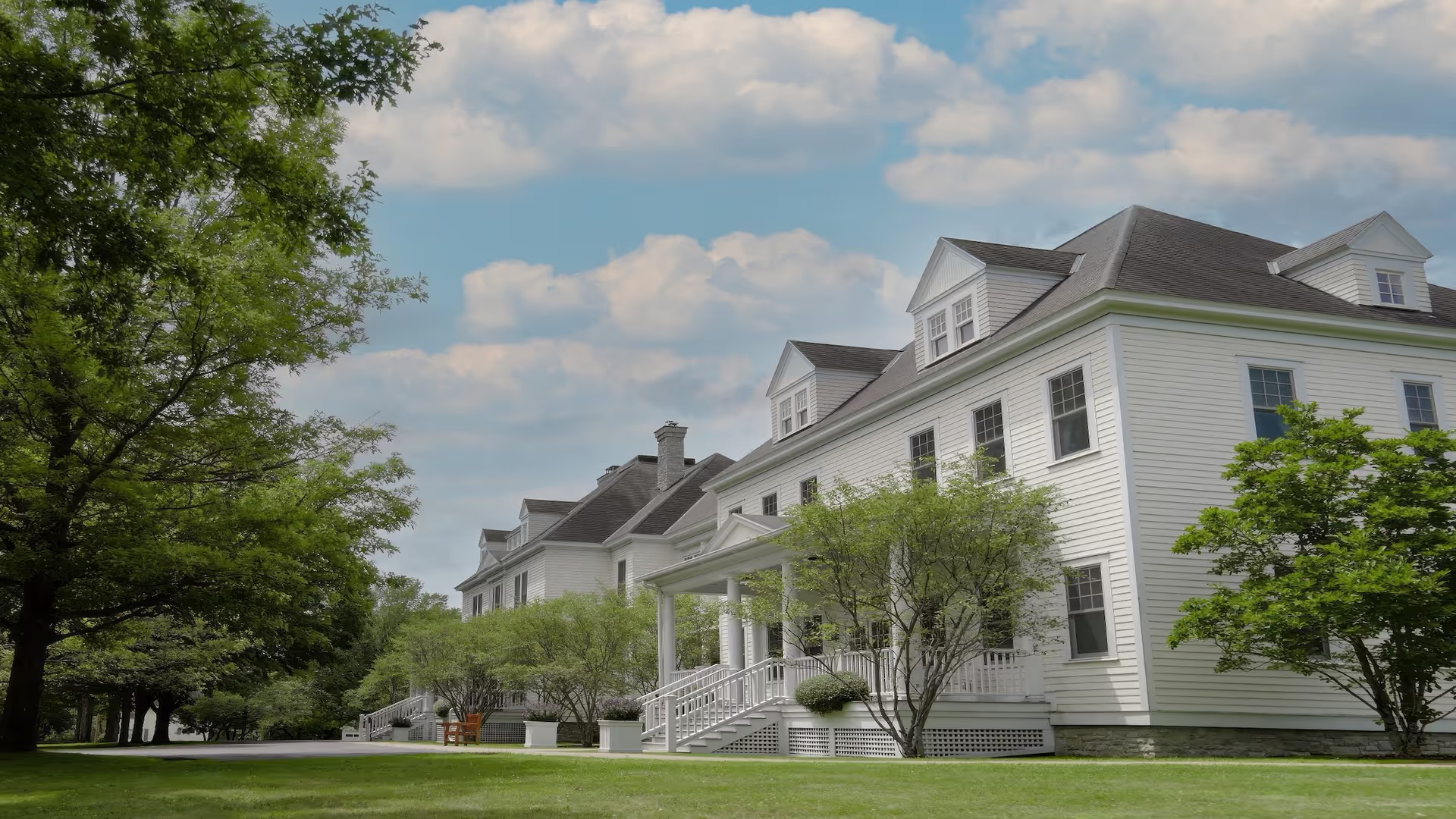
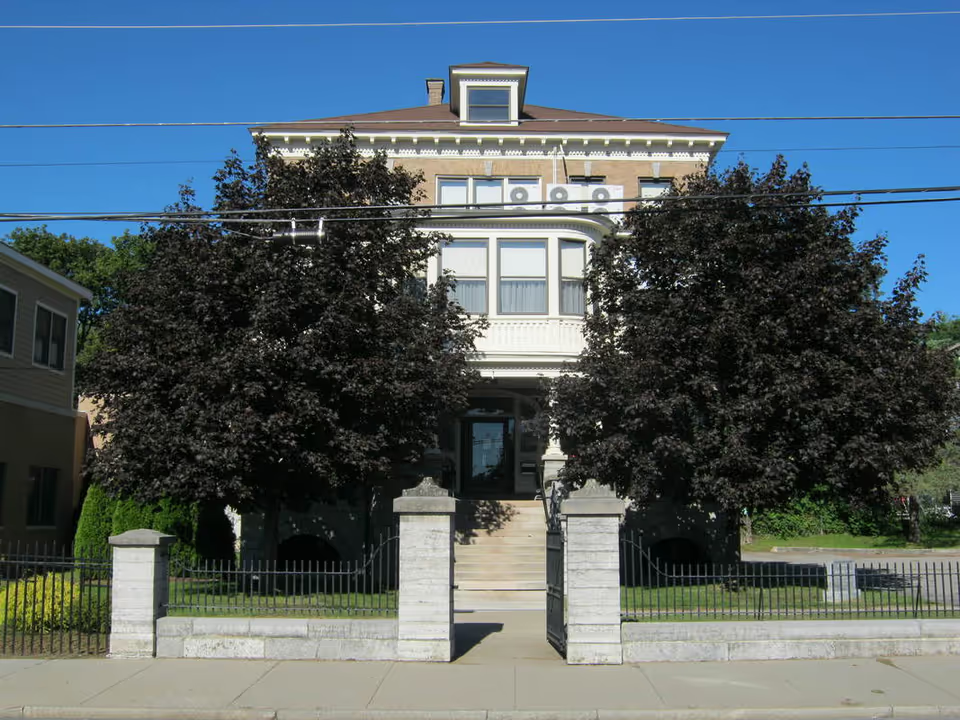
St. Johnsville Rehabilitation and Nursing elicits mixed but specific impressions. Many accounts highlight a core of attentive, compassionate caregivers and a sense of family-style rapport between staff and residents. Clinical rehabilitation and physical-therapy services receive positive mention, and families frequently note administrators who are receptive to questions and concerns. The facility offers a broad activities program and multiple on-site amenities — including a gym, gardens, library, and salon — and several reviewers described an engaged, active community with games, crafts, movies, and bowling.
Care quality appears uneven. Positive reports describe individualized attention, excellent therapy outcomes, and staff who proactively communicate residents' medical histories to providers. Counterbalancing those accounts are recurring operational concerns: staffing shortages and workload pressure that contribute to delays in attending to residents, weekend responsiveness problems, and specific incontinence-care and sanitation concerns in some common areas. These process issues have translated into perceptions of inconsistent care continuity for some residents after discharge.
Staffing and conduct show a similar split. Numerous reviewers praise kind, dedicated team members and administrators who respond graciously to family questions. At the same time, several comments indicate variability in staff behavior and communication tone, including isolated instances of inappropriate language and unclear message routing. These points suggest uneven training or supervision and signal the importance of asking about staff ratios, training, and supervision practices during a visit.
Dining and activities are strengths with caveats. The food is described as better than expected by some and residents can customize meals, but logistical problems — such as lineups and bottlenecks when entering the cafeteria — were noted. Activities staff are generally described as pleasant and effective; the program appears robust and contributes to resident engagement.
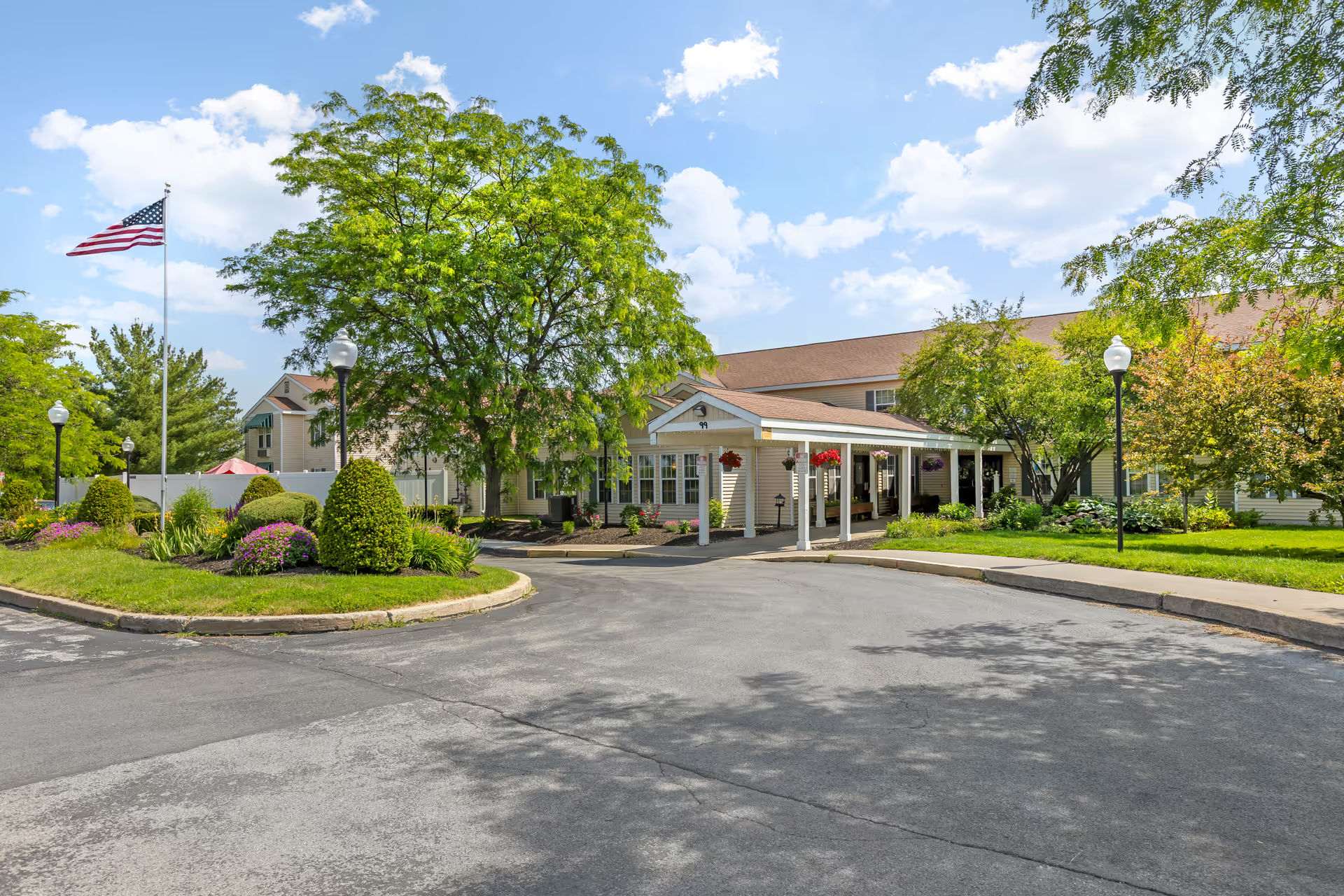
The physical environment also shows contrasts. Some rooms and common areas have been renovated, with bright rooms, replaced windows, and improved flooring. Concurrently, other areas exhibit visible wear: dated furnishings, wall damage, and signs of deferred maintenance. Several reviewers flagged odor concerns in parts of the building, which ties back to the sanitation and incontinence-care issues described above.
Management appears to be addressing some issues: ongoing renovations and responsiveness from administration were cited positively. However, a management transition was also mentioned alongside observations of operational disruption, suggesting variable performance during the period of change.
Overall pattern and advice for families: the facility demonstrates substantive strengths in caregiving, therapy services, activities, and administration accessibility, yet also exhibits operational weaknesses that affect day-to-day experience — primarily staffing consistency, responsiveness, sanitation processes, and facility maintenance. Prospective residents and families should arrange an on-site visit to observe cleanliness and odors, meet therapy and activities staff, inquire about current staffing ratios and weekend coverage, review incontinence-care protocols, and ask for an update on renovation timelines and improvements implemented since management changes.