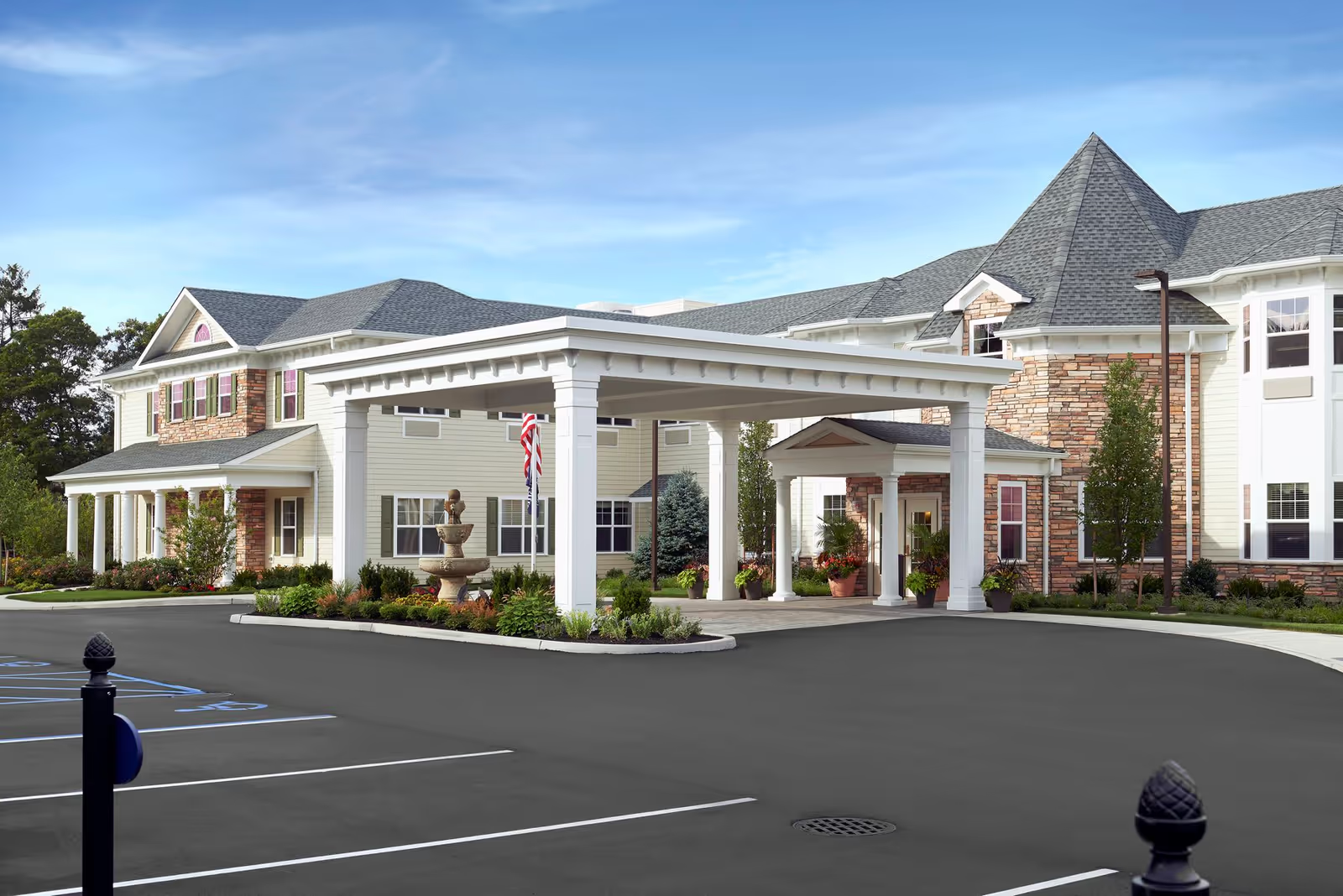
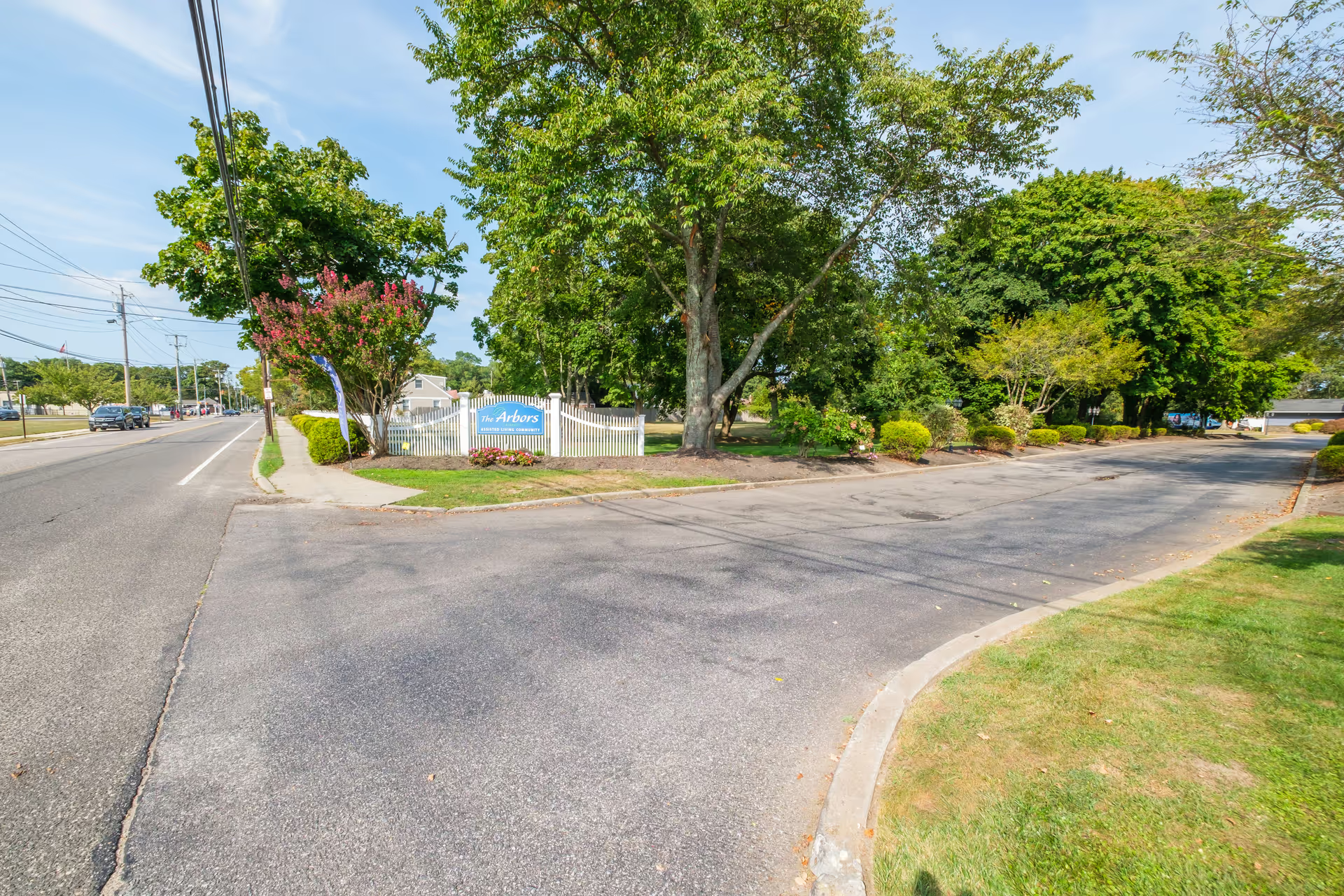
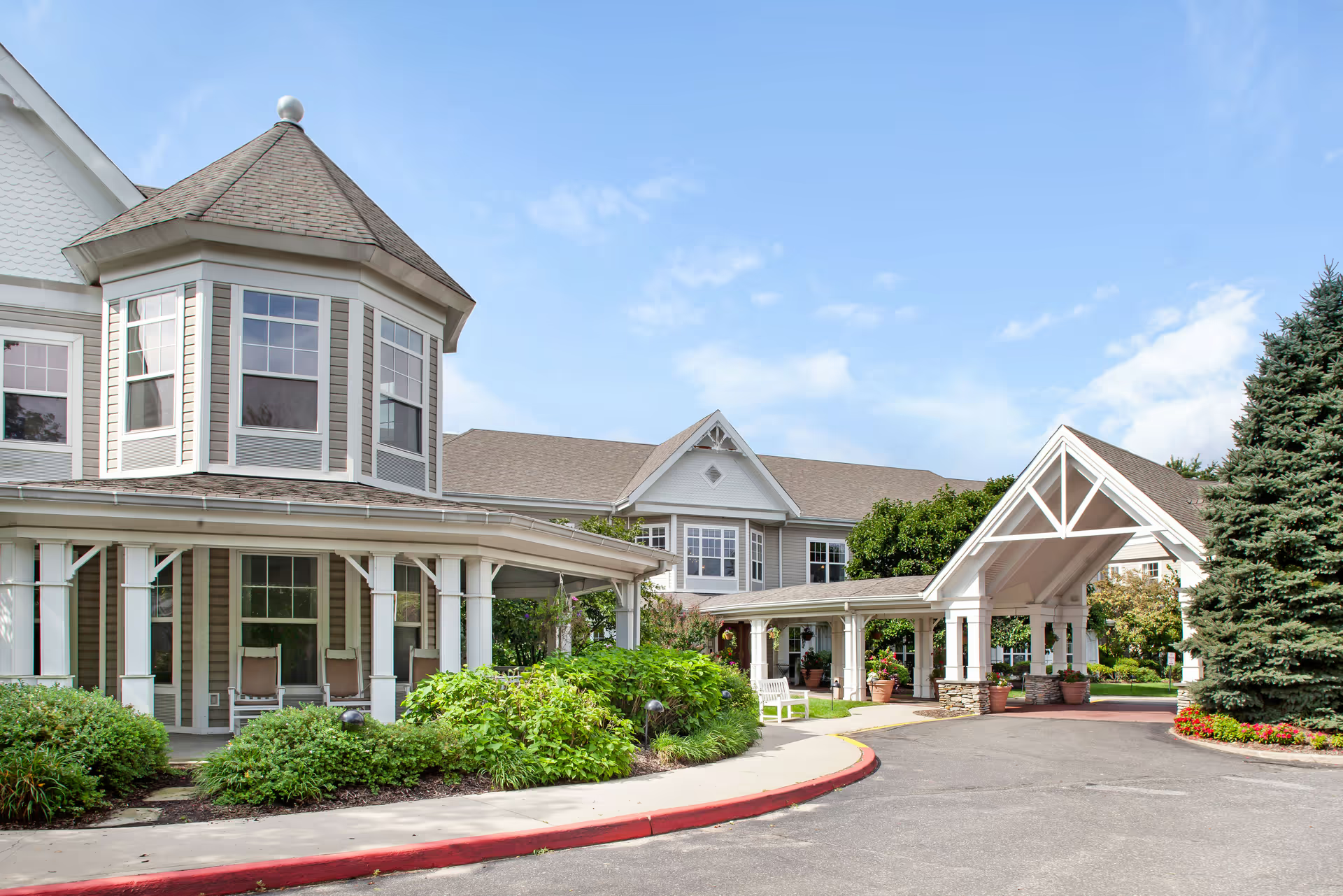
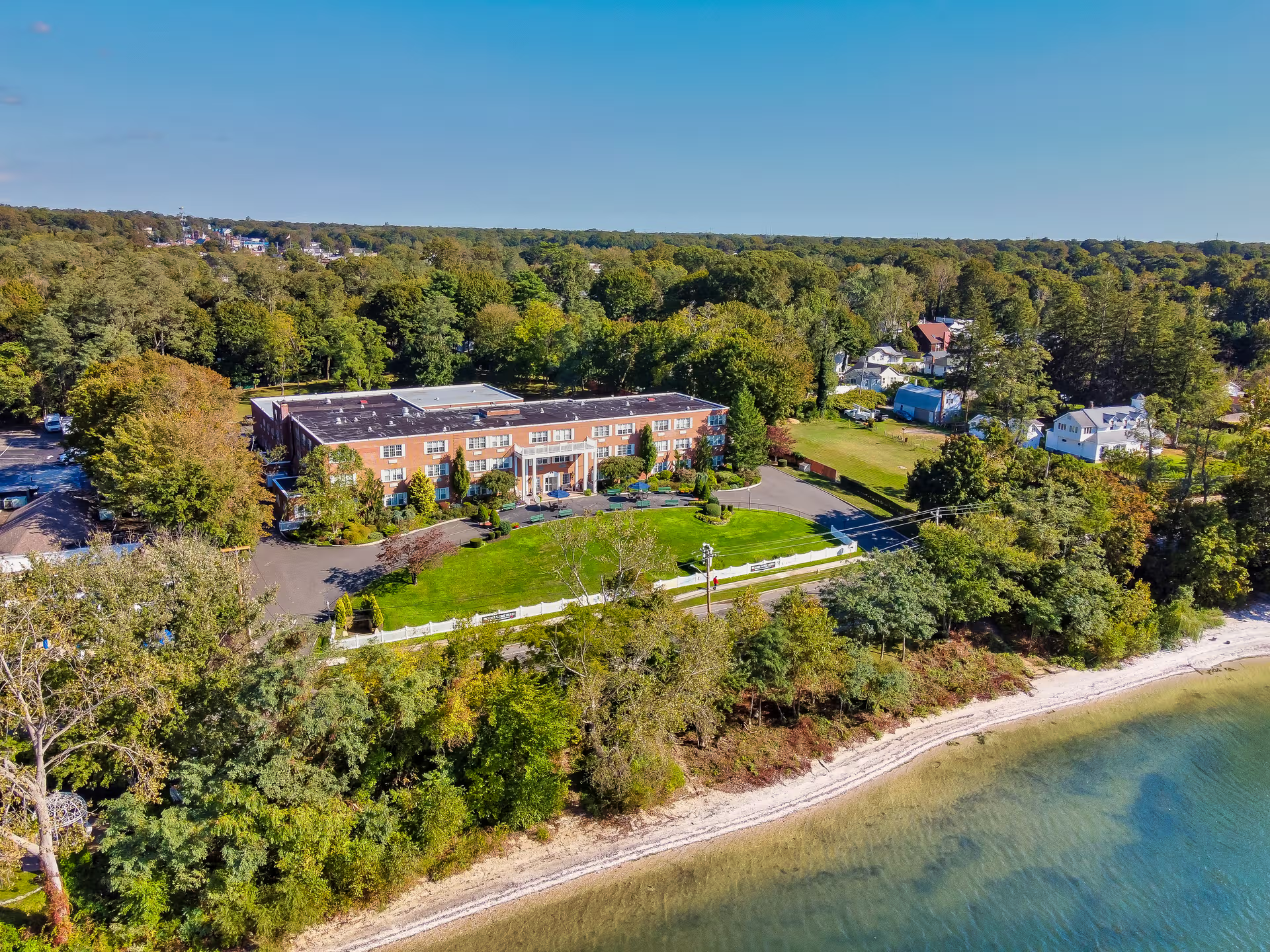
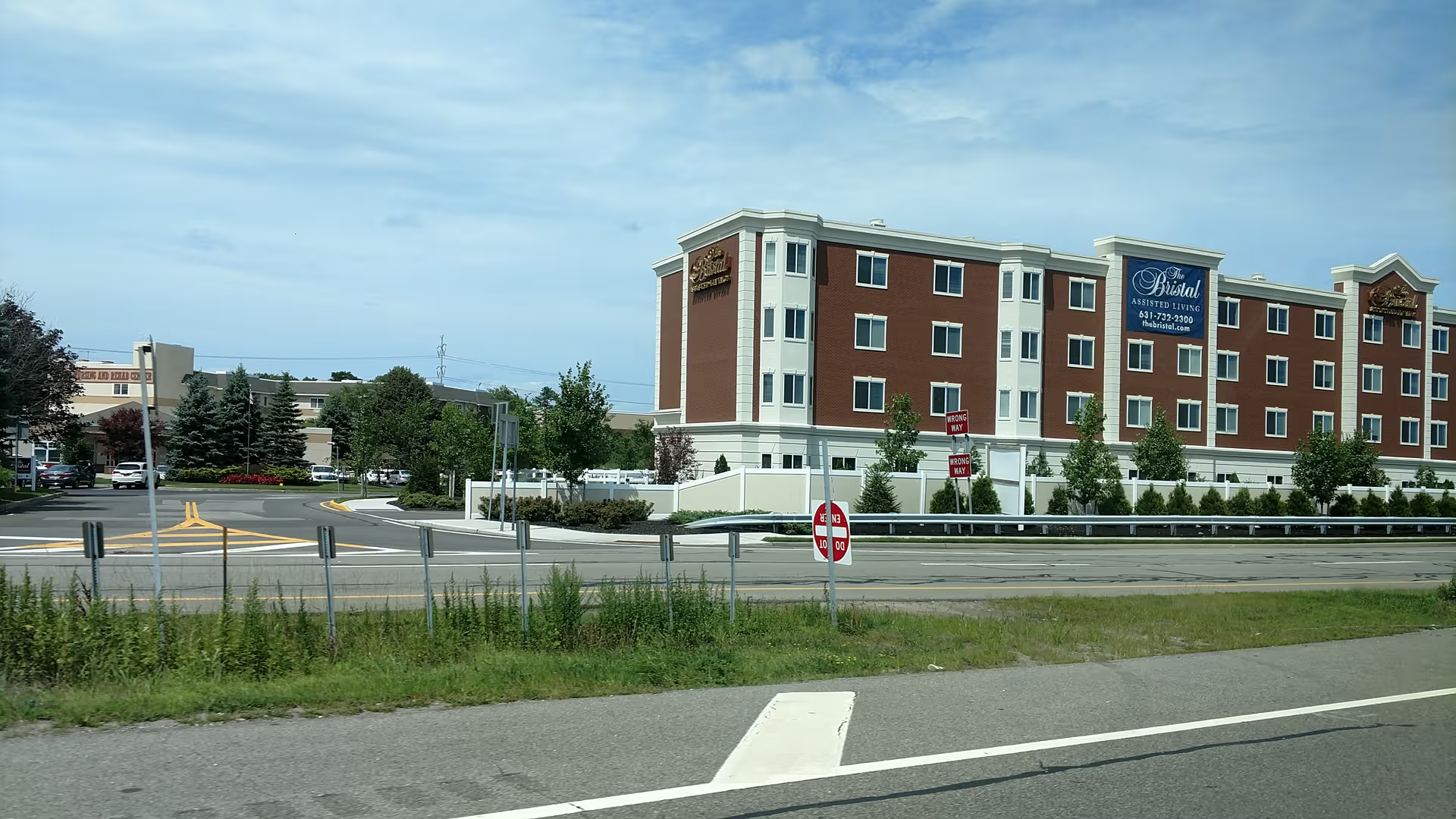
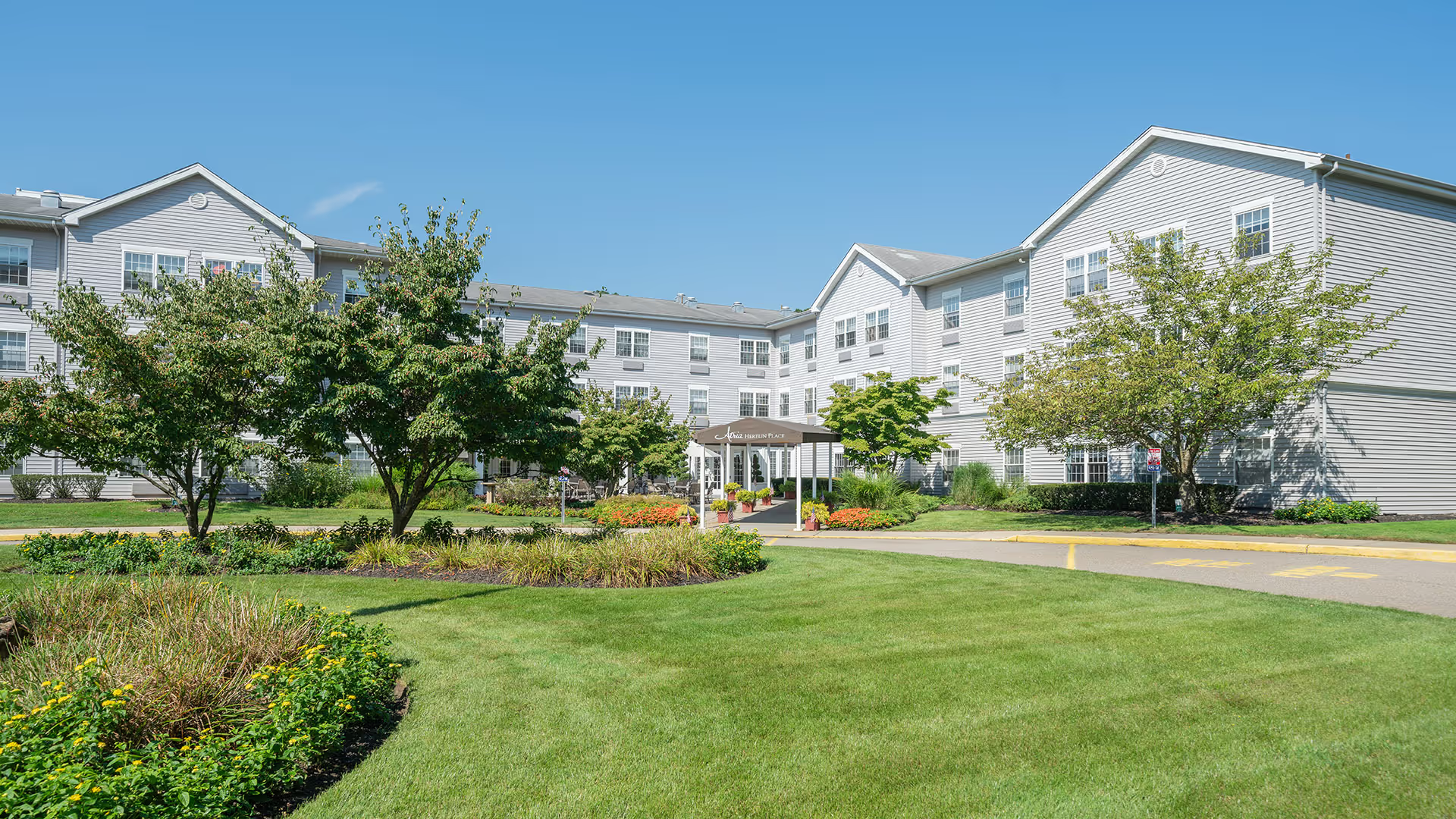
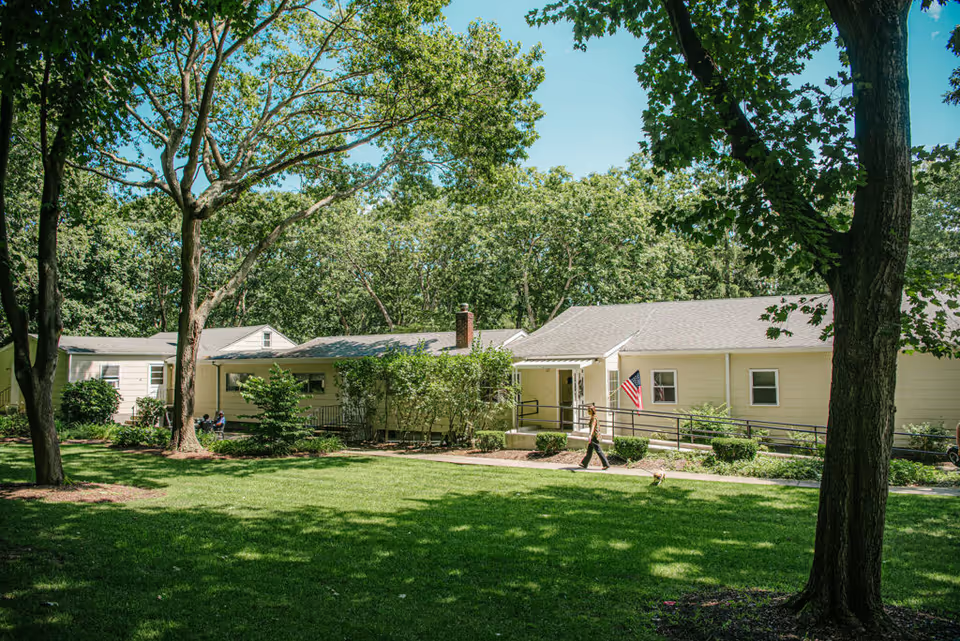
Feedback for Good Samaritan Nursing Home is mixed, with clear strengths in clinical attentiveness and community-oriented services alongside recurring operational concerns. Many comments describe caregivers and nurses as compassionate, attentive, and proactive — families noted thorough testing, prompt clinical follow-up, sensitive end-of-life care, and an overall sense of being "on top of issues." The facility's waterfront location, clean interior areas, cozy rooms, home-style dining, and an active activities program contribute to a positive environment for residents.
At the same time, multiple accounts point toward operational challenges that affect day-to-day resident experience. Staffing levels and allocation appear inconsistent: reviewers describe limited time available per resident, long waits for assistance, and call-bell response delays. Those patterns are reflected in reports of incontinence-care delays and hygiene concerns, as well as complaints about staff conduct or tone in some interactions. These are best understood as systemic issues around staffing, workload, and on-shift supervision rather than isolated incidents.
Activities and family communication are relative strengths. Activity staff and exercise aides are singled out for engaging programs and regular sessions that support resident engagement and mobility. Families also describe good communication from nursing and social-work staff and appreciated prompt phone support, which contributes to reassurance and peace of mind when clinical matters arise. Dining receives generally favorable remarks for taste and a homelike approach.
Facility condition perceptions are polarized: several reviewers call the facility immaculate and well-kept, while others note cleanliness problems in specific hallways and describe parts of the building as dated. Management and leadership emerged as a recurring theme: there are concerns about a leadership transition and perceived declines in organizational culture and frontline morale. These management issues appear linked to staff turnover, inconsistent accountability, and variable caregiver engagement.
For prospective residents and families, the pattern to watch is variability. The facility demonstrates capacity for compassionate, proactive care and strong family communication, but also shows operational weaknesses that can materially affect daily living — notably staffing consistency, response times, incontinence-care processes, and frontline teamwork. When evaluating this home in person, consider observing mealtimes and an activity session, asking about current staffing ratios and turnover, incontinence-care protocols, call-bell response metrics, and recent cleanliness or quality-audit results to gauge whether the facility’s strengths are delivered consistently.