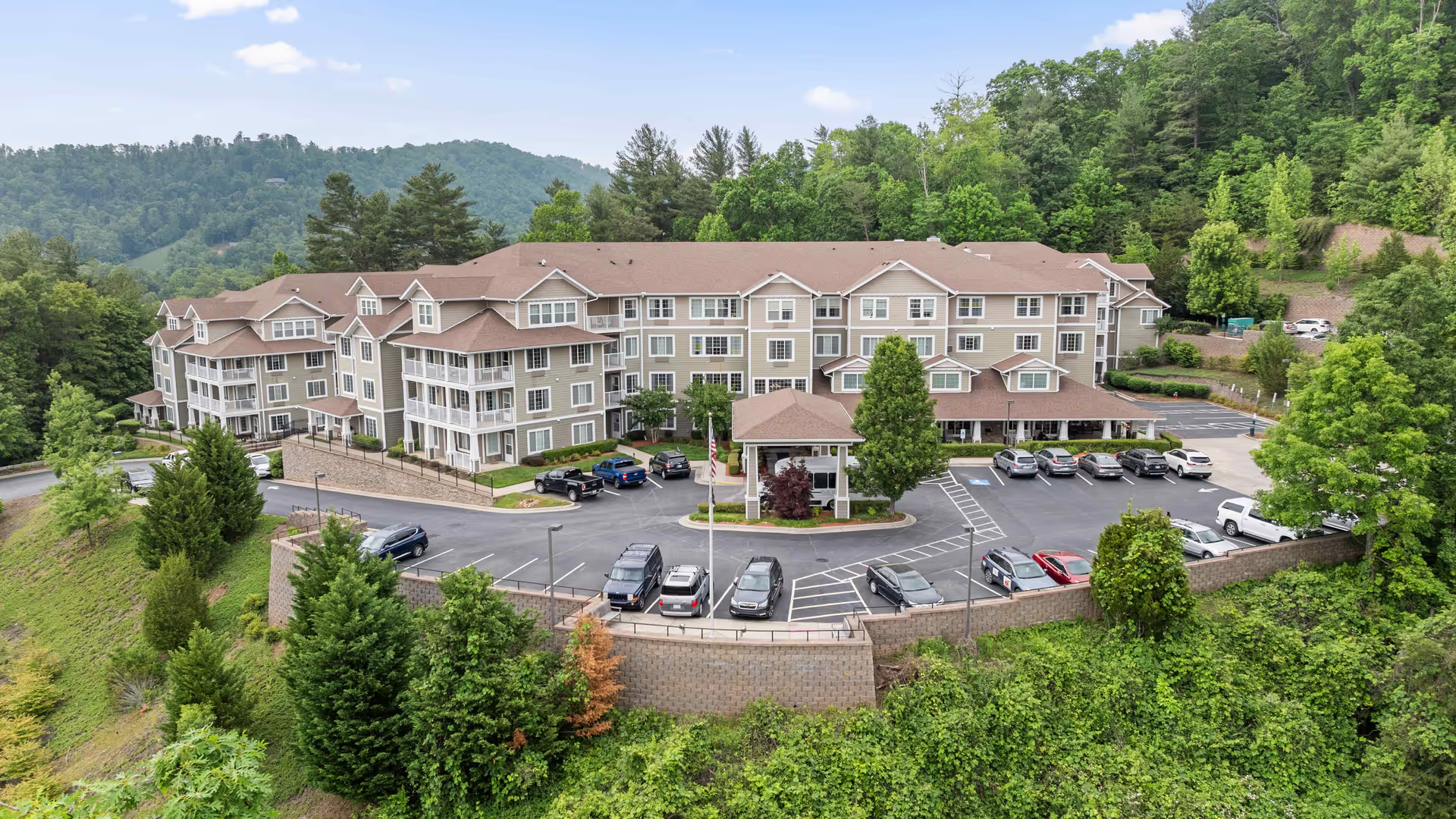
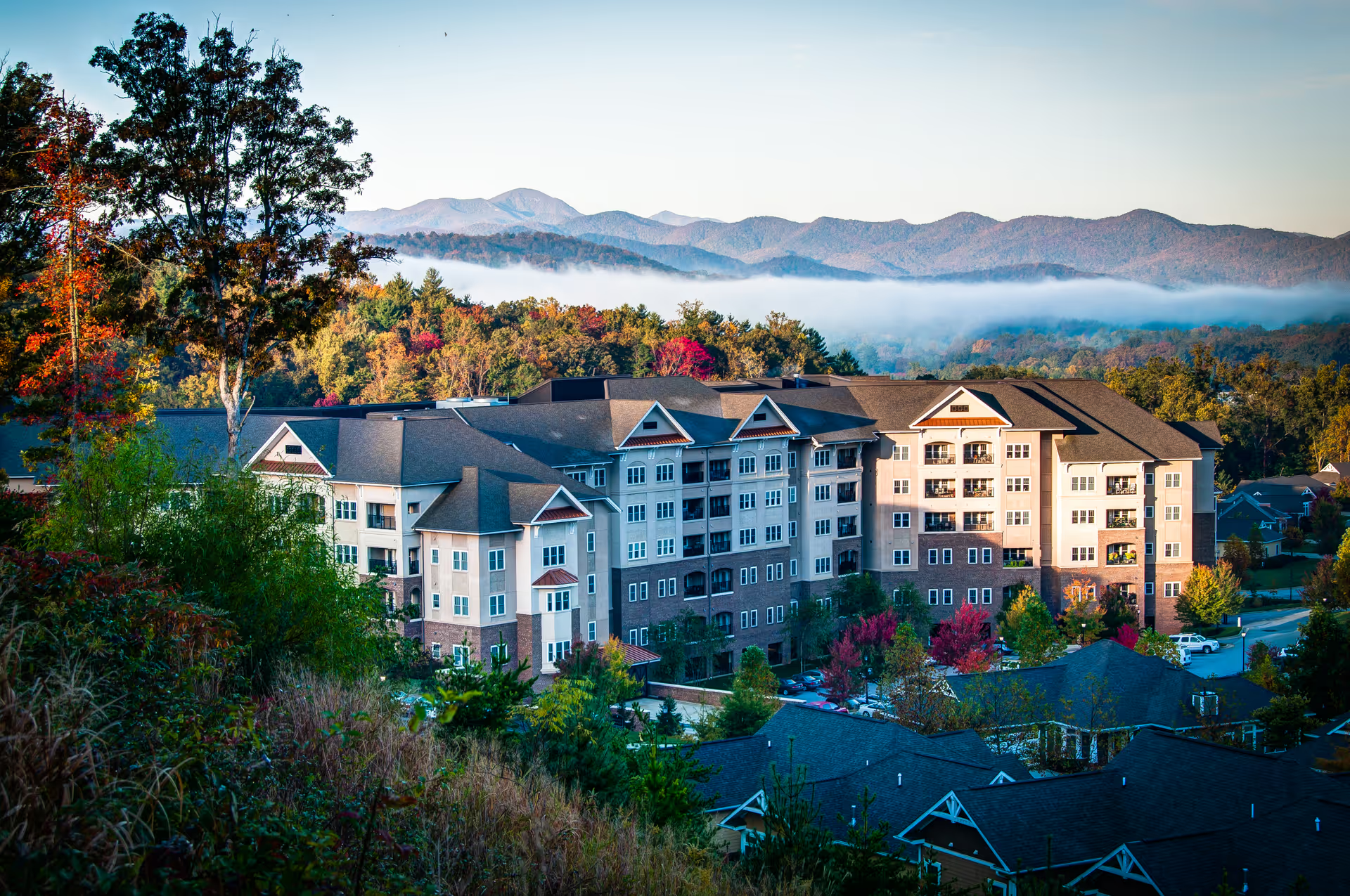
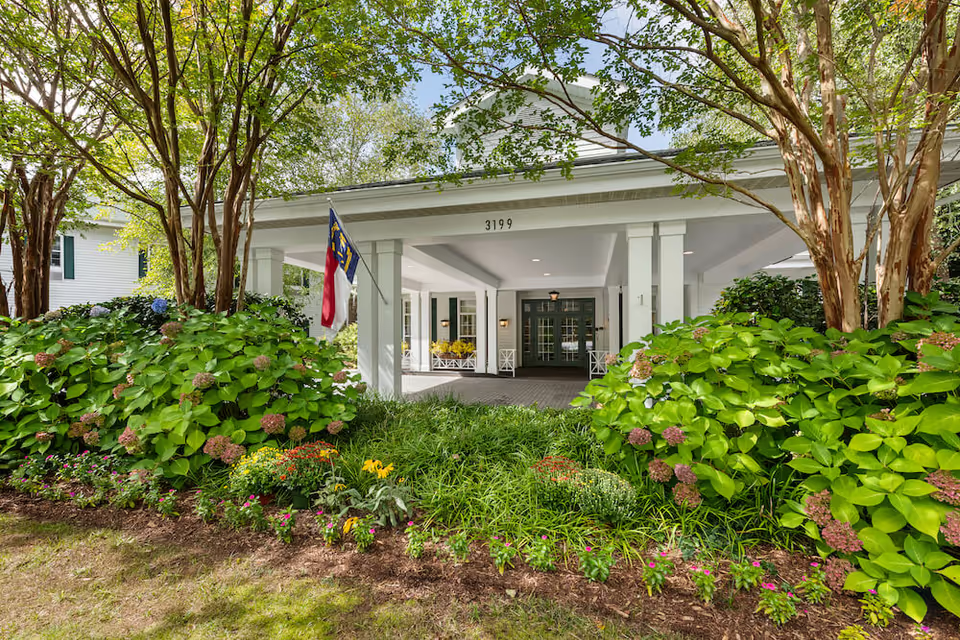
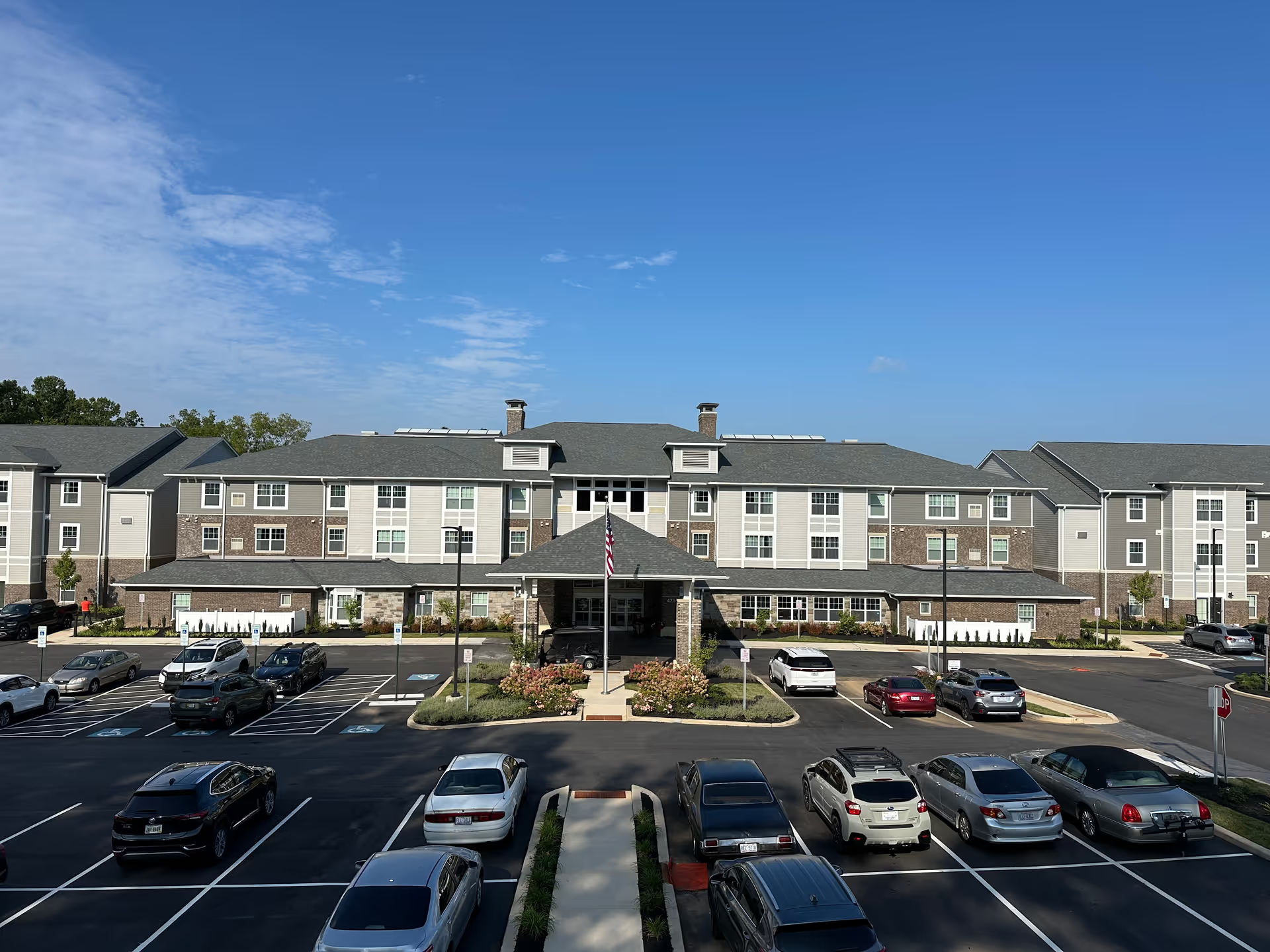
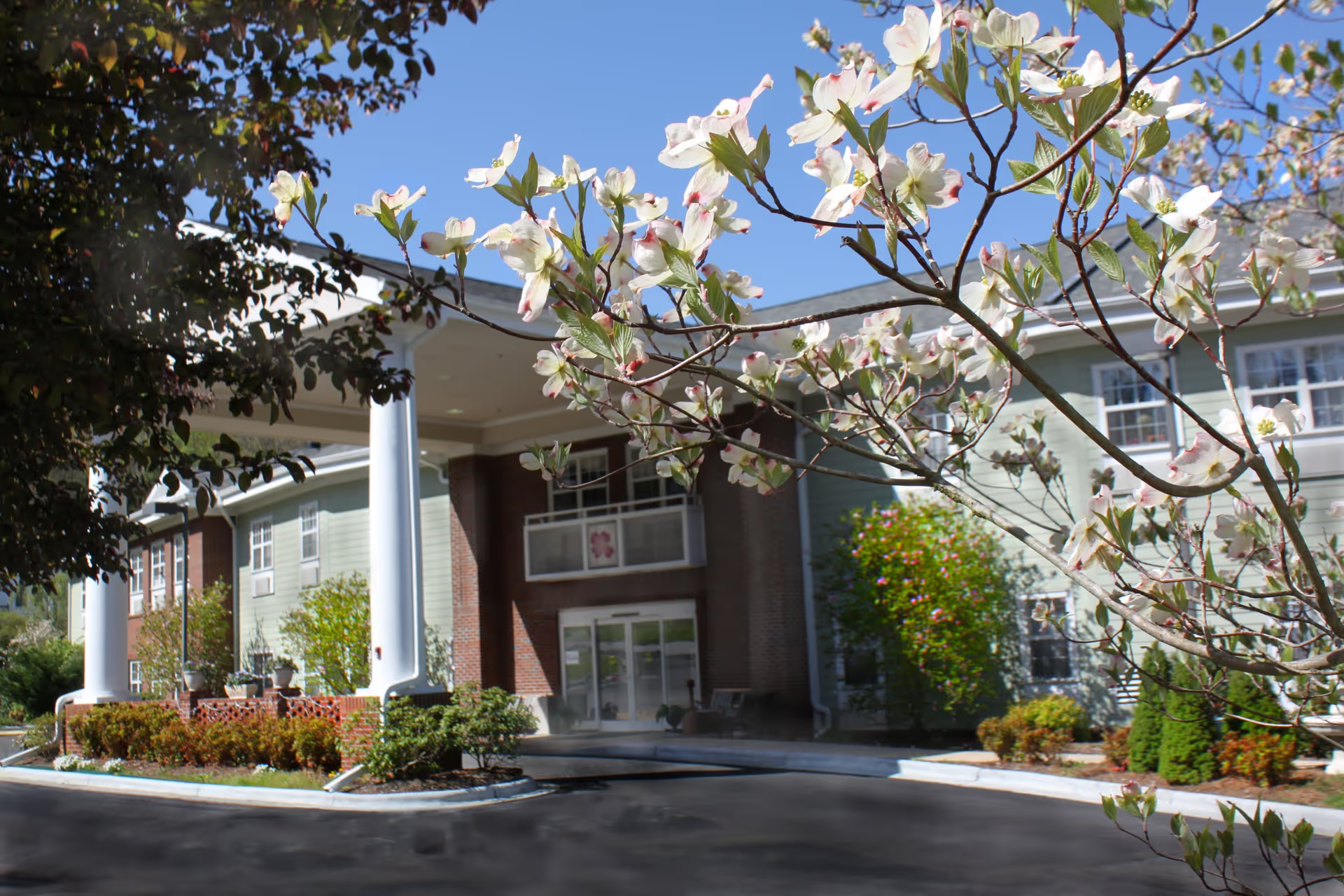
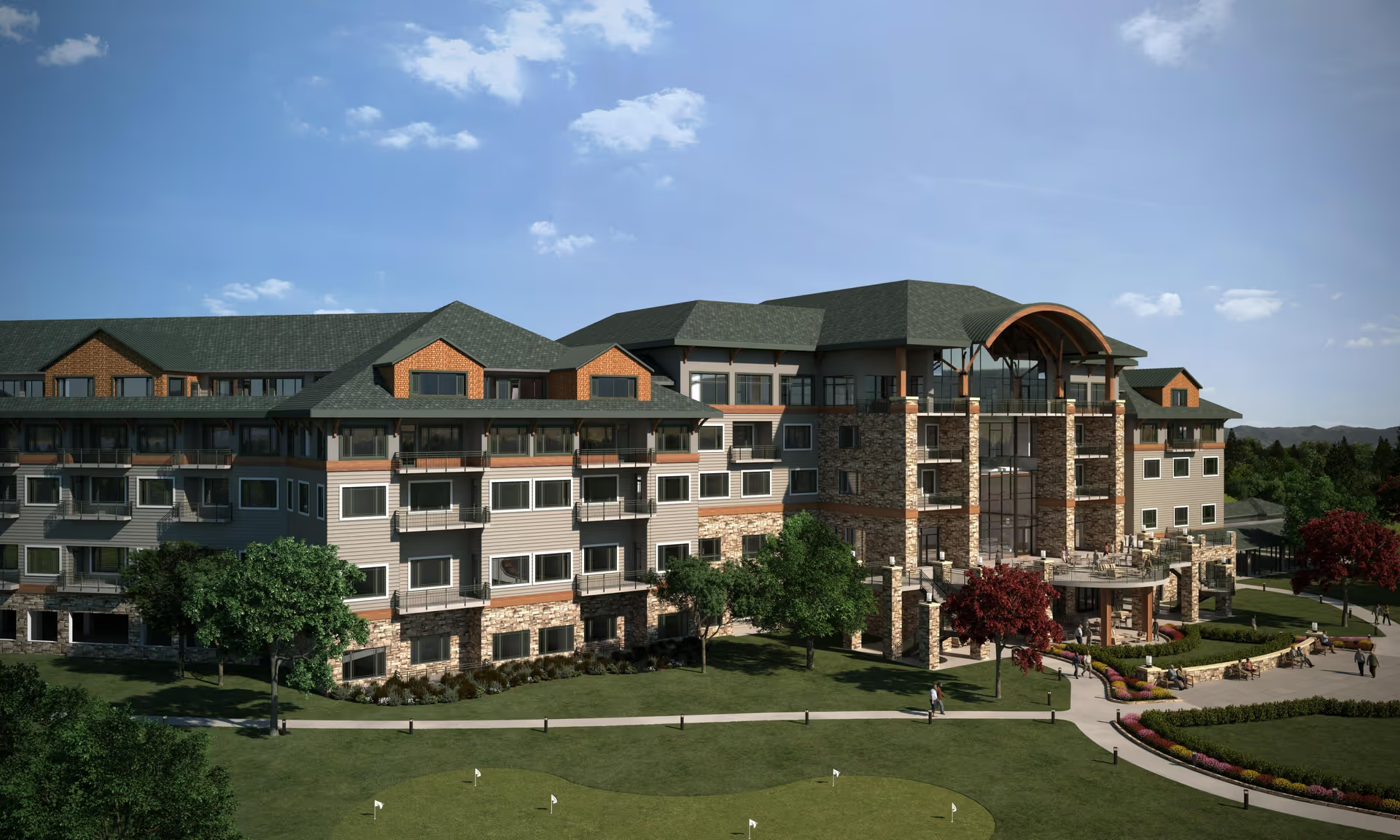
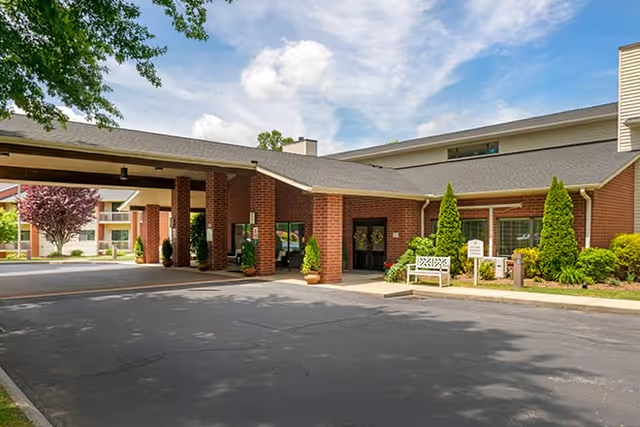
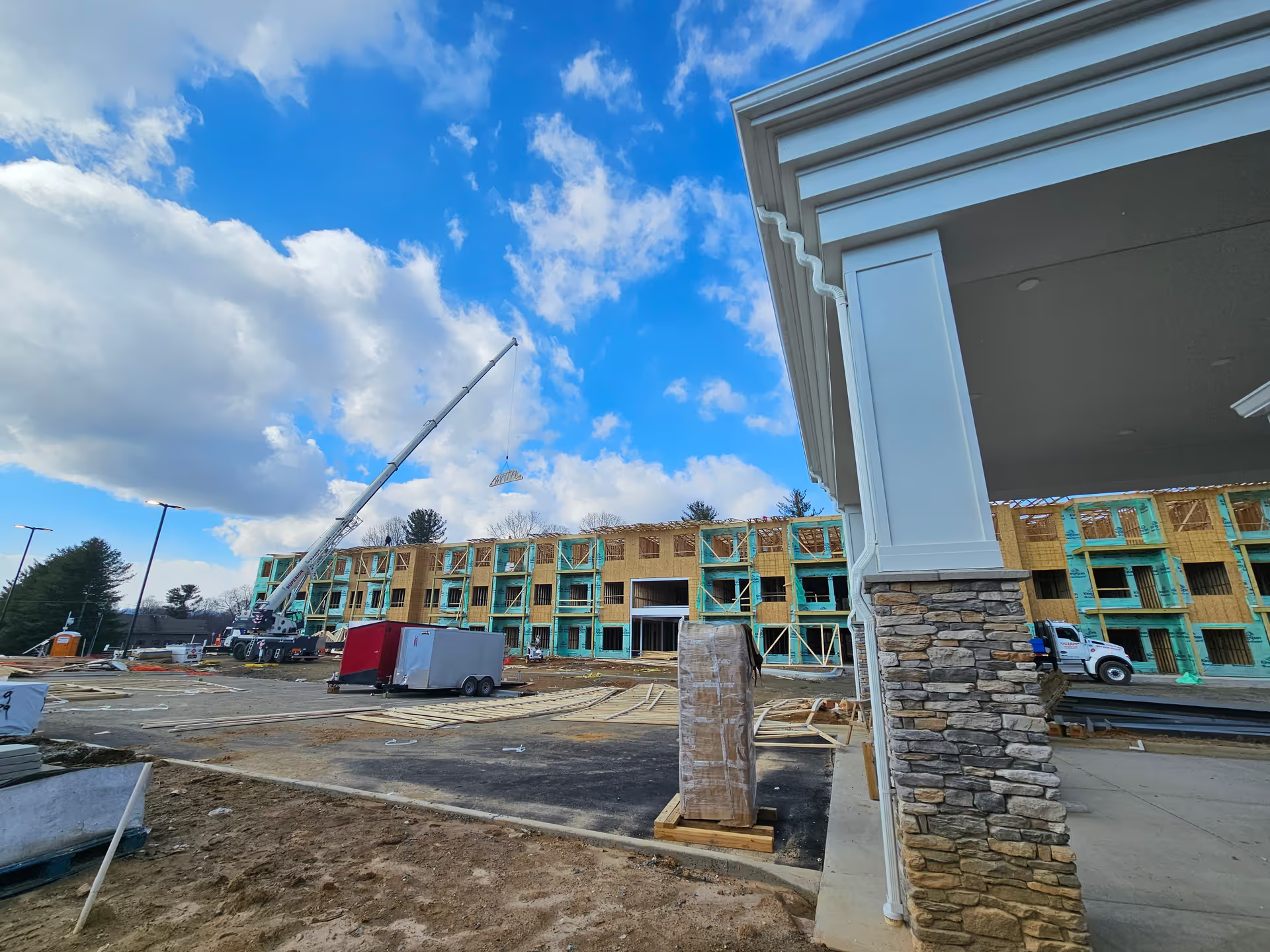
The reviews portray Harmony at Reynolds Mountain as a facility with strong physical amenities and a lively social environment, tempered by operational inconsistencies that affect day-to-day resident experience. Positives repeatedly cited include a new, well-kept building with spacious apartment-style units (many with full kitchens and balconies), attractive common areas with mountain views, and a range of on-site amenities such as a movie theater, fitness/therapy spaces, library, salon, and organized outings. Many families and residents praised direct-care staff, CNAs, concierge and maintenance responsiveness, and the presence of memory-care and therapy services that support aging-in-place.
Care quality and staffing present a mixed picture. Numerous accounts describe compassionate, dedicated aides and helpful nursing/therapy support; however, recurring operational patterns include understaffing, high turnover among management and frontline staff, and gaps in nursing continuity. These staffing patterns are associated in several reviews with delayed responses to calls, inconsistent personal-care schedules (for example, bathing and nightly checks), and concerns about medication and clinical oversight. Some reviewers highlighted strong memory-care leadership and reliable therapy services, while others described situations where clinical coverage and supervision felt inadequate.
Dining and housekeeping are similarly variable. Several reviewers complimented restaurant-style dining, special holiday meals, and flexible meal-plan options, and others noted quick accommodation for room-delivered meals and good food on occasion. At the same time, many reports describe inconsistency in meal quality, small portions, periods of declining kitchen staffing, and extra fees for delivery. Housekeeping and maintenance are generally seen as effective when responsive, yet multiple accounts cite slow or inconsistent maintenance follow-up and periodic sanitation or pest-control concerns.
Activities and social life are among the facility's strengths when programming is well staffed: reviewers mention active schedules with clubs, crafts, live music, exercise classes, community trips, and resident-led groups. Conversely, some reviews describe a diminished activity roster, unclear or infrequent schedules, and a lack of dedicated activity staffing that leaves residents with fewer organized options and more time spent in passive recreation.
Facility-level management and communication show a split between proactive, helpful leadership and periods of instability. Positive experiences include attentive move-in support, responsive directors, and helpful front-desk staff. Negative themes include frequent leadership turnover, inconsistent marketing and admissions communication, difficulties reaching billing or clinical staff, and unresolved disputes over deposits and charges. Cost is another prominent theme: the community is positioned at a higher price point, and multiple reviewers expressed concern about additional fees and perceived value.
Notable patterns across reviews indicate a polarized resident experience: many families describe the community as attractive, social, and well cared-for, while others experienced operational lapses that materially affected daily care and satisfaction. Prospective residents and families would be advised to confirm current staffing ratios and clinical leadership stability, review the fee structure and dining plan details, request recent activity calendars, and tour the specific apartment types and circulation routes they or their loved ones would use. These steps can help align expectations with the facility's strengths and identify whether recent management or staffing changes have addressed earlier concerns.