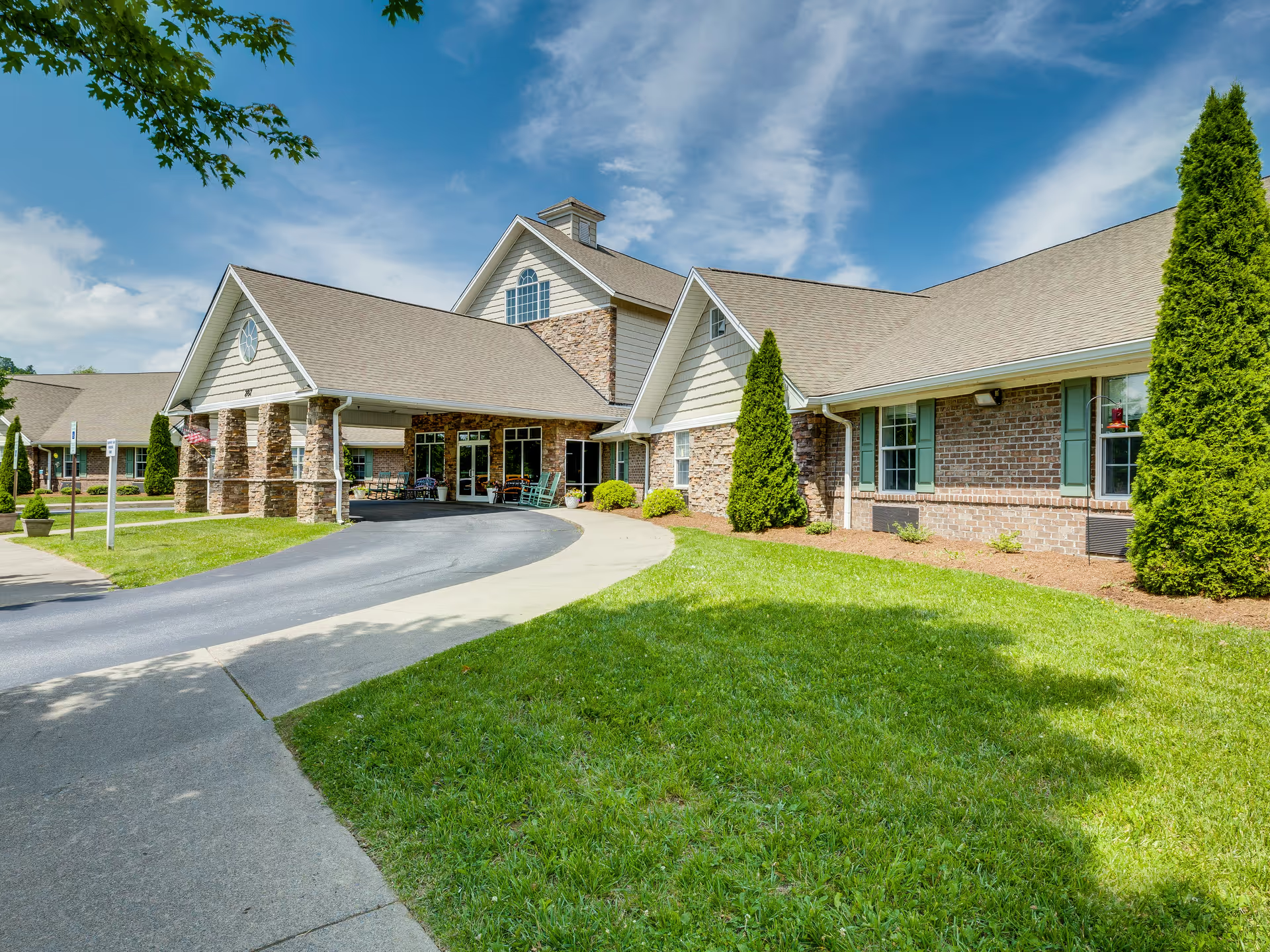
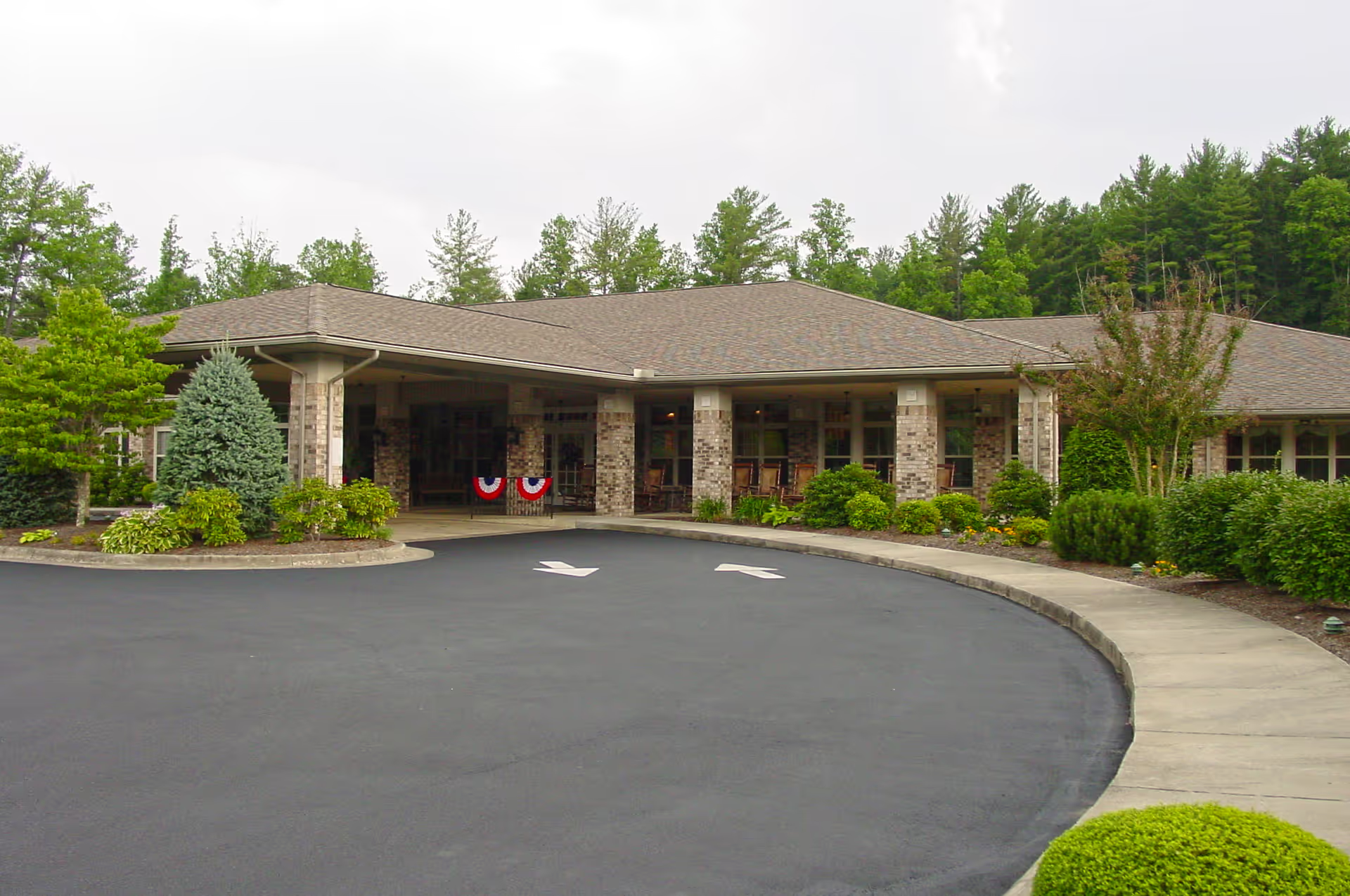
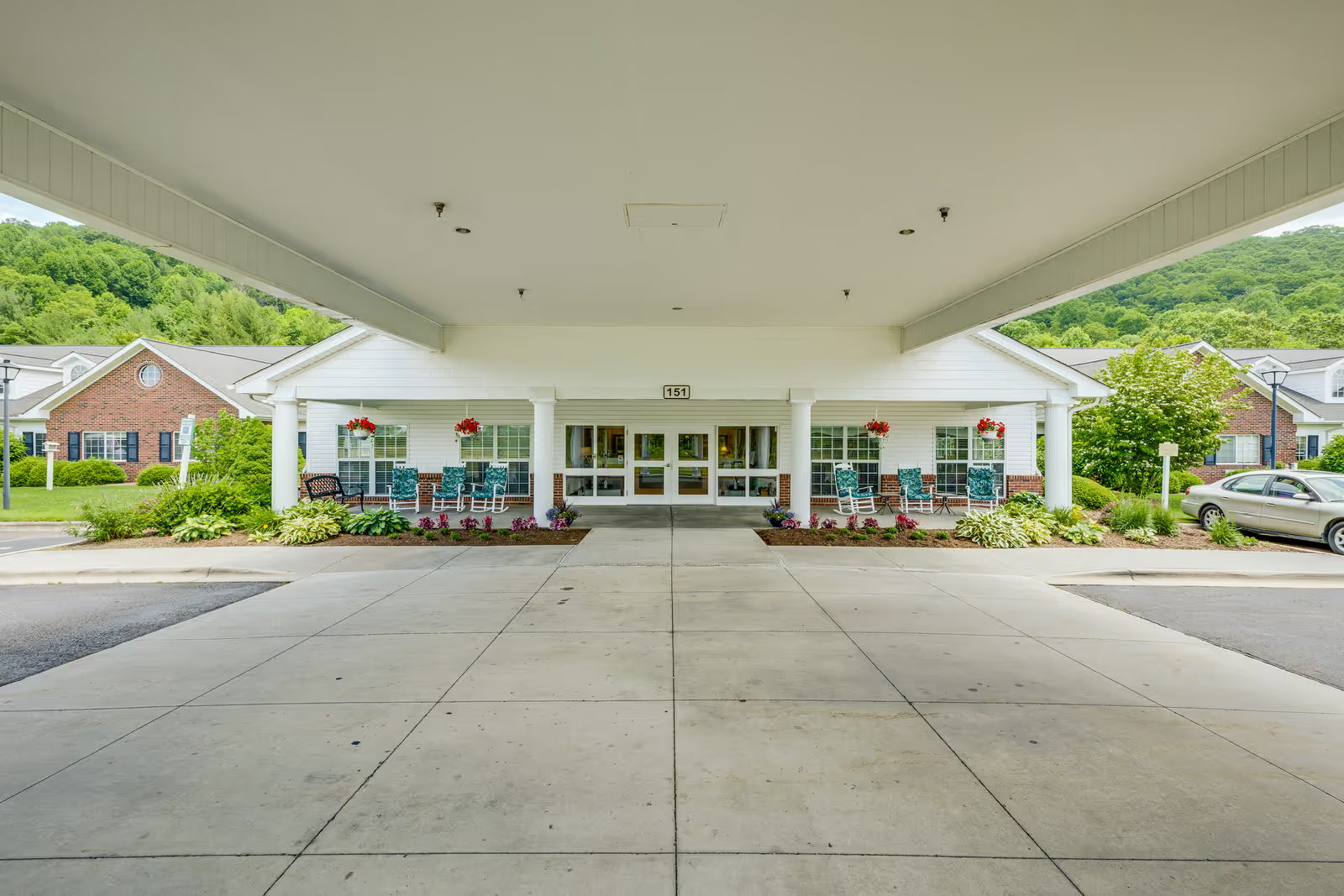
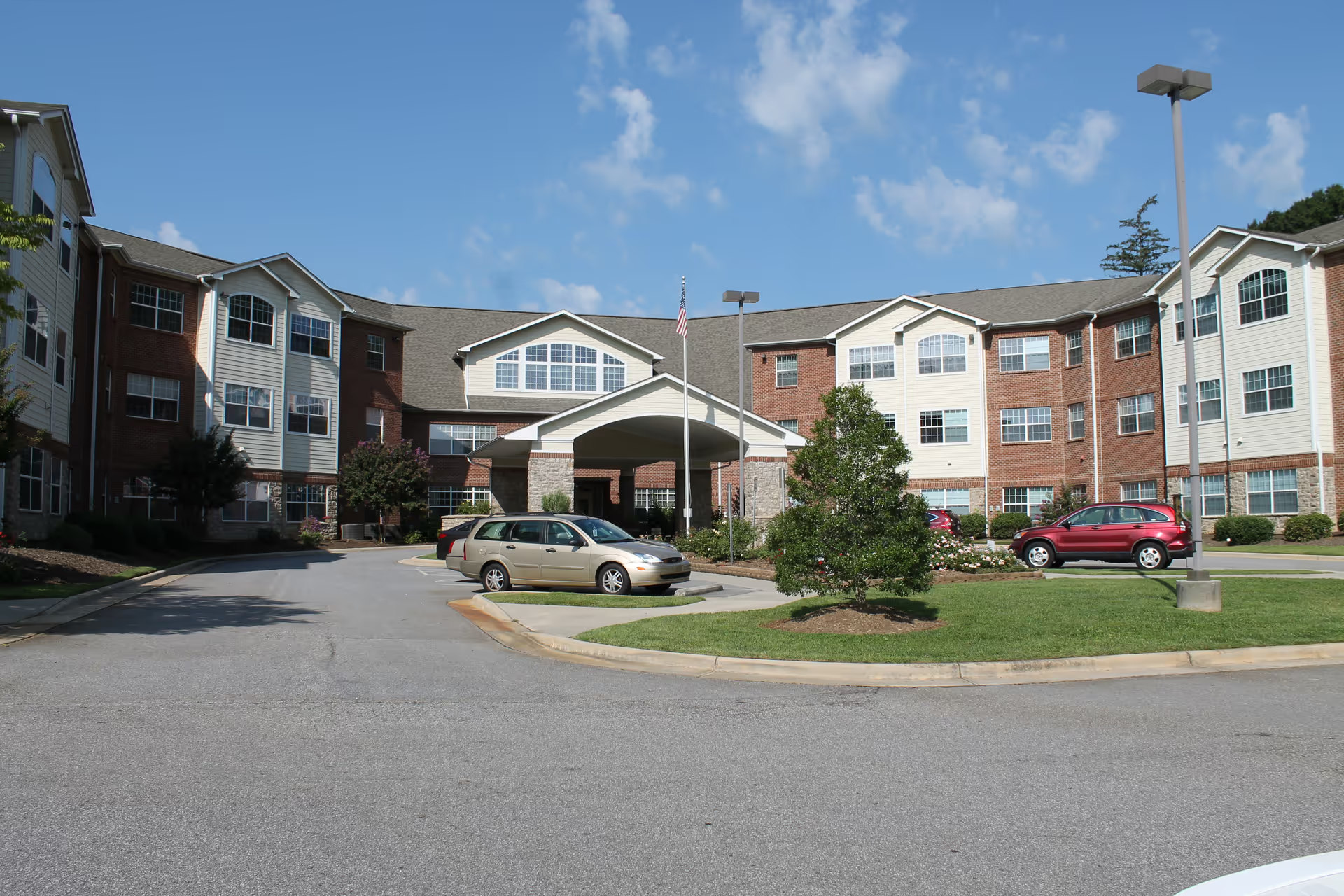
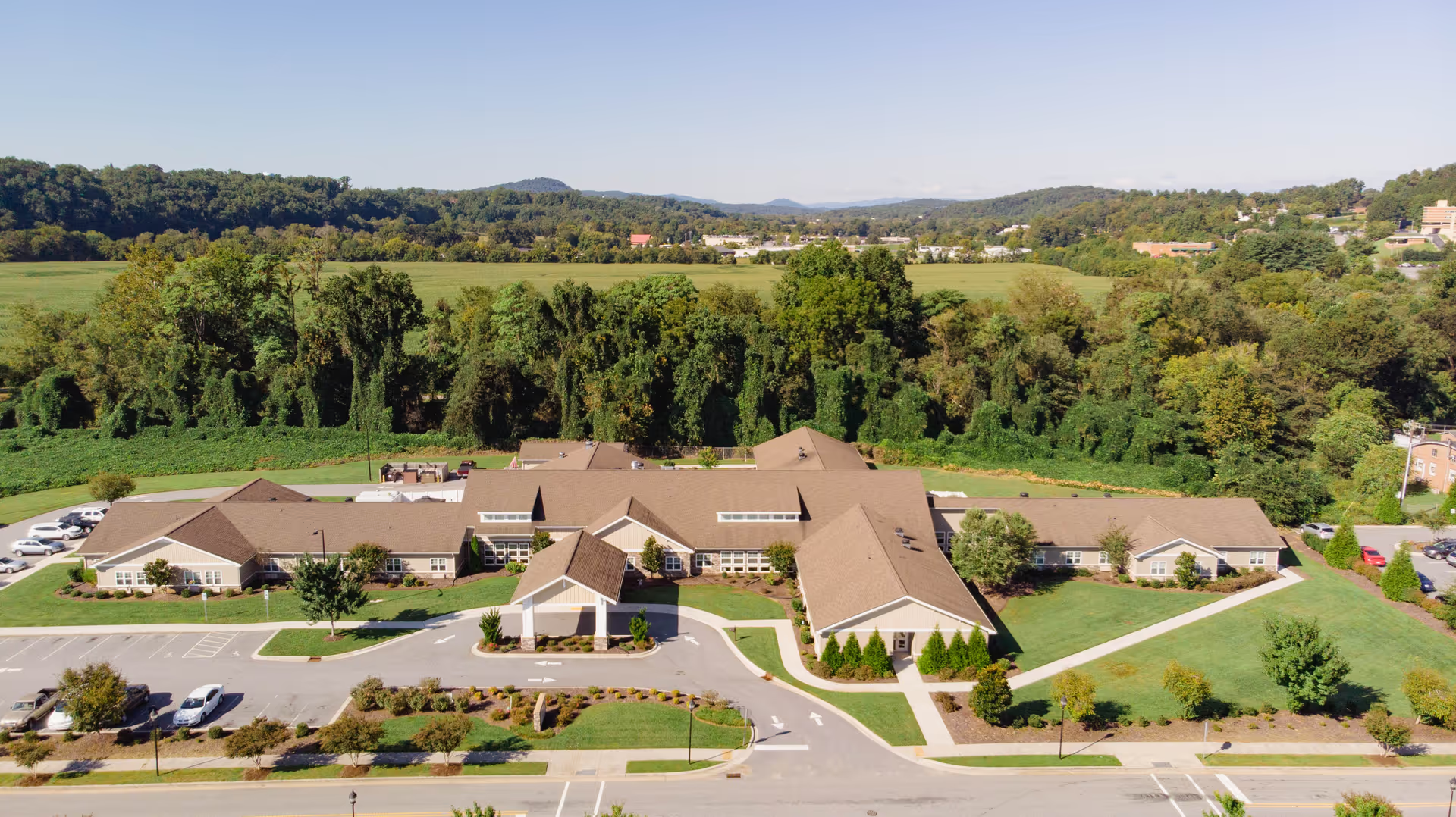
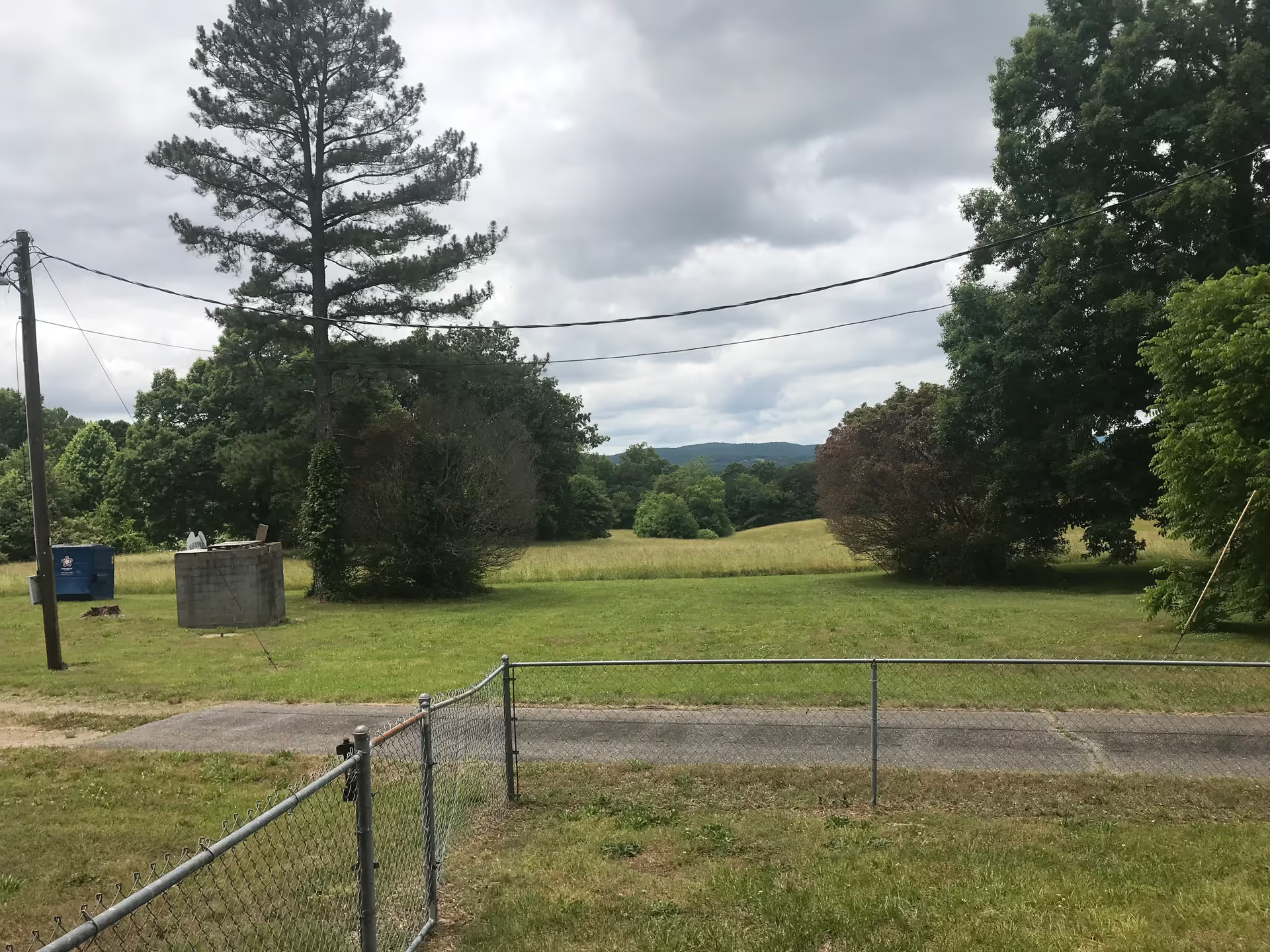
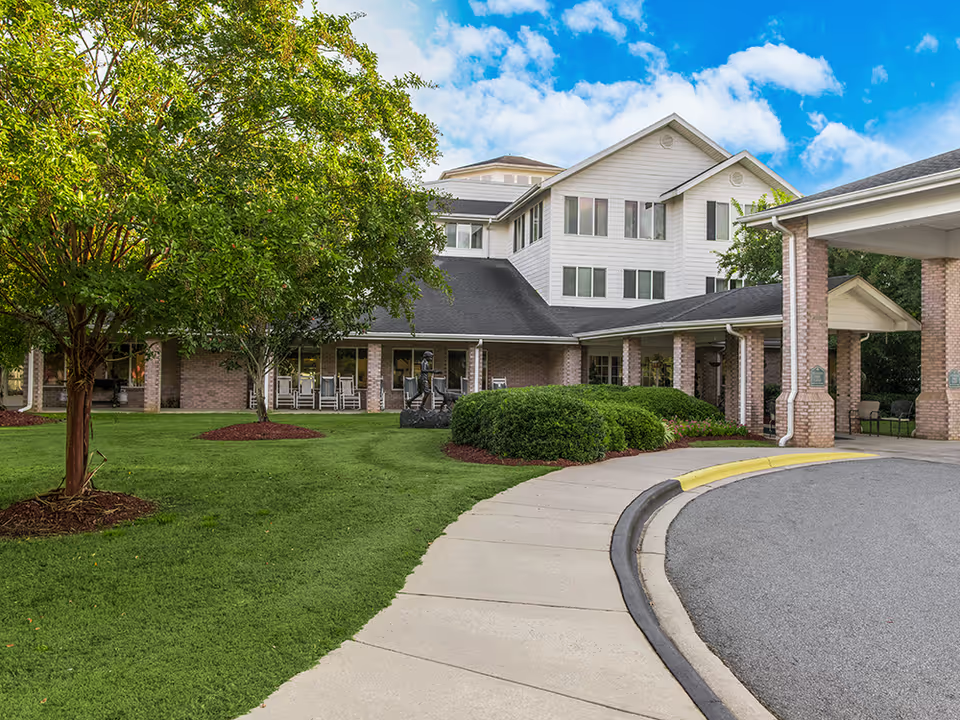
Reviews of The Foley Center at Chestnut Ridge present a mixed but consistent pattern: the facility is widely praised for its physical environment and rehabilitation resources, while operational inconsistencies—particularly around staffing, medication management, and administrative processes—drive most negative feedback. The campus and interior are repeatedly described as attractive, resort-like, and well maintained, with spacious rooms, large communal areas and scenic views. Many families highlight an excellent therapy program (physical and occupational), strong clinical equipment, and measurable rehabilitation gains. Housekeeping, laundry, and parts of the dining program receive frequent positive mention.
Clinical care is characterized as uneven. Direct-care staff such as CNAs and many nurses are frequently described as compassionate, hardworking, and hands-on; several accounts credit them with timely grooming, attention to residents’ needs, and individualized therapy. At the same time, reviewers note recurring staffing shortfalls and a high proportion of traveling or agency nurses. Those staffing patterns are correlated with delays in care delivery (including delayed pain medication), medication-administration concerns, and variability in night-shift responsiveness. Reviewers also raised concerns about psychotropic and other medication use and about the facility’s pain-management protocols.
Management and administrative performance appears inconsistent. Some families experienced clear, communicative social work and admissions staff who facilitated smooth discharges, equipment provision, and follow-up. Other accounts describe poor front-office communication, lost paperwork, no-room-ready situations on arrival, and unprofessional discharge handling. These mixed experiences suggest variability depending on the team on duty and the point of contact.
Dining and activities received polarized feedback. Several reviewers praised food quality and described enjoyable meals, while others reported thin portions, unappealing preparation, and inconsistent menu execution. The activity program is generally described as active and engaging, with opportunities encouraged by staff, but participation levels may be limited for some residents and families.
Facility amenities and cleanliness are likewise mixed. Many reviewers commend the overall cleanliness, scenic grounds, and well-kept common spaces. Conversely, some accounts point to localized sanitation or odor-management problems and to variability in bathing and incontinence-care timeliness, indicating gaps in consistent execution of routine care tasks.
Notable patterns: strong rehabilitation services and dedicated direct-care staff are the facility’s most consistent strengths; inconsistent staffing (particularly reliance on agency nurses), medication-management issues, administrative/process gaps, and variable dining and sanitation practices are the primary operational weaknesses. Prospective residents and families who prioritize intensive rehab and a pleasant environment may find the center’s offerings attractive, but those considering long-term private-pay placement should seek clear, up-to-date information about staffing ratios, agency nurse usage, pain- and medication-management protocols, admission/discharge procedures, and examples of how the facility addresses sanitation and responsiveness gaps.