Overall impression: Reviews present a mixed but actionable picture. Many families describe strong short-term rehabilitation outcomes and highlight therapy as a core strength; at the same time, there are recurrent operational concerns that affect family confidence. Prospective residents and families should weigh the facility’s rehabilitation and therapy strengths against periodic and facility-level gaps in staffing, cleanliness, and administrative communication.
Care quality: Physical and occupational therapy are consistently praised; reviewers attribute measurable functional gains and successful discharges to an effective rehab team. Wound care and pain management receive positive mentions from several families, with notes about regular dressing changes and attentive symptom control. However, there are also accounts indicating variability in clinical oversight during transitions and rehabilitation — including concerns that some residents experienced deterioration or adverse events that required hospitalization. These contrasting experiences suggest that clinical quality can be strong but is not uniformly consistent across all shifts or care episodes.
Staff and professionalism: Many individual staff members (nurses, aides, therapists, and front-desk personnel) are described as compassionate, helpful, and skilled; specific staff were singled out for going above and beyond. Conversely, other reviews indicate inconsistent professionalism, poor verbal communication, and boundary issues among some direct-care staff. Staffing levels and skill mix appear variable, with weekend coverage and occasional shortages cited. Families should expect variability in staff interactions and consider asking about staffing patterns and supervision during tours.
Dining and activities: The activities program is frequently highlighted as engaging and well led, contributing to resident quality of life. Dining impressions are mixed: a number of reviewers praise appealing meals and attractive dining spaces, while others describe dissatisfaction with food quality and value. The pattern indicates generally capable meal services but inconsistent execution; families may want to sample menus and ask about meal-delivery options and dietary accommodations.
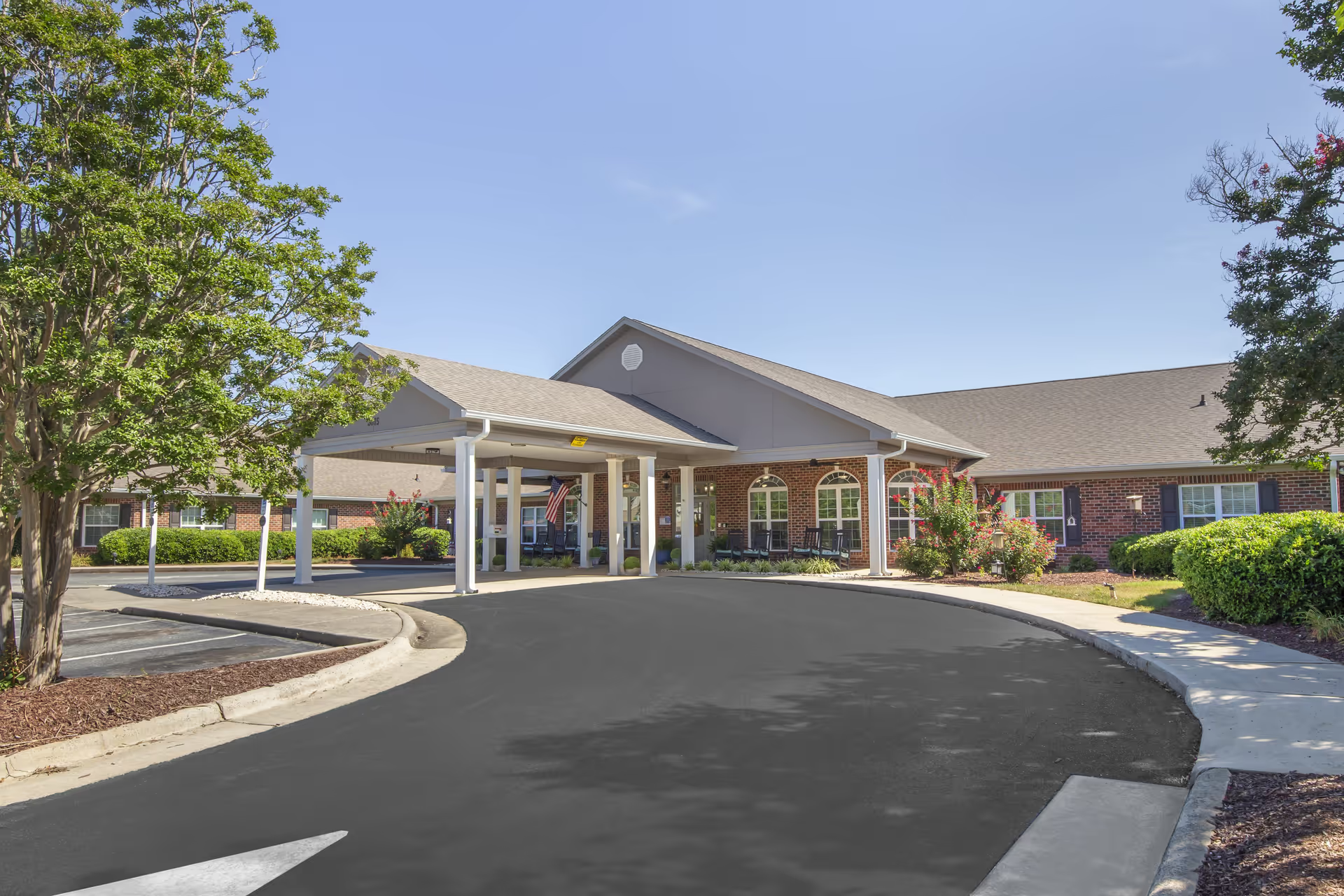
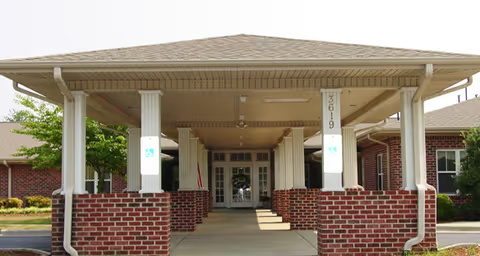
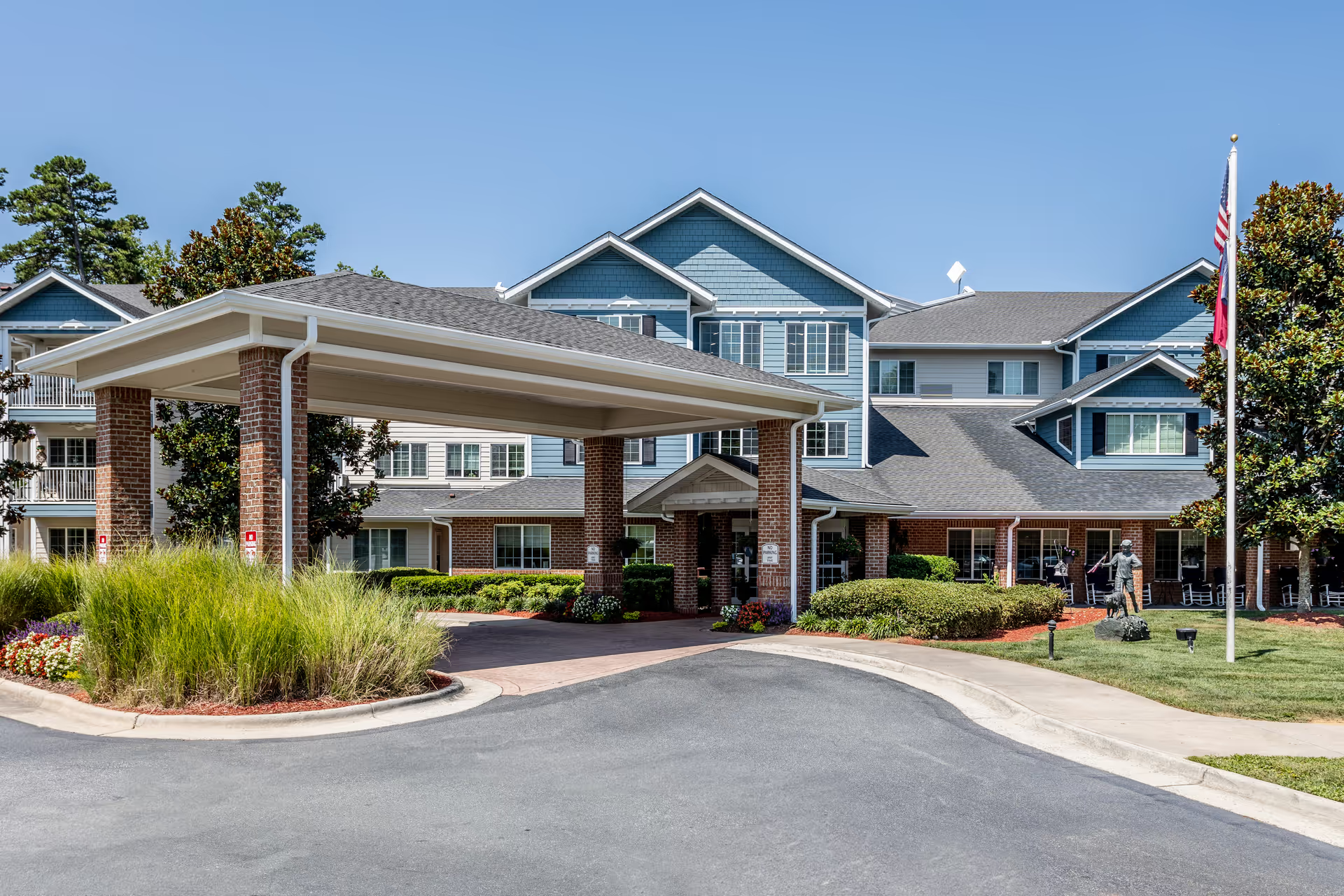
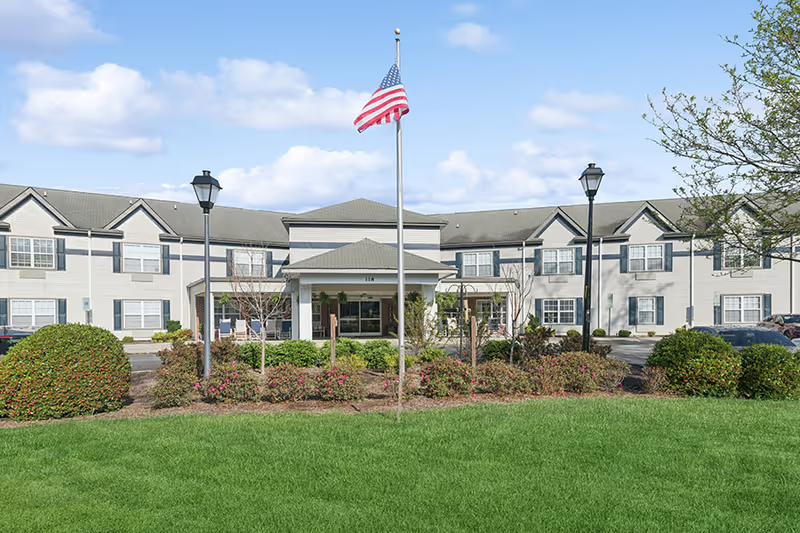
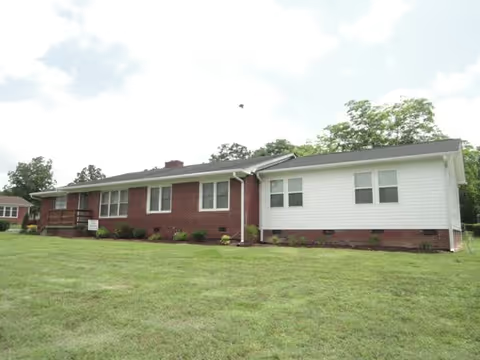
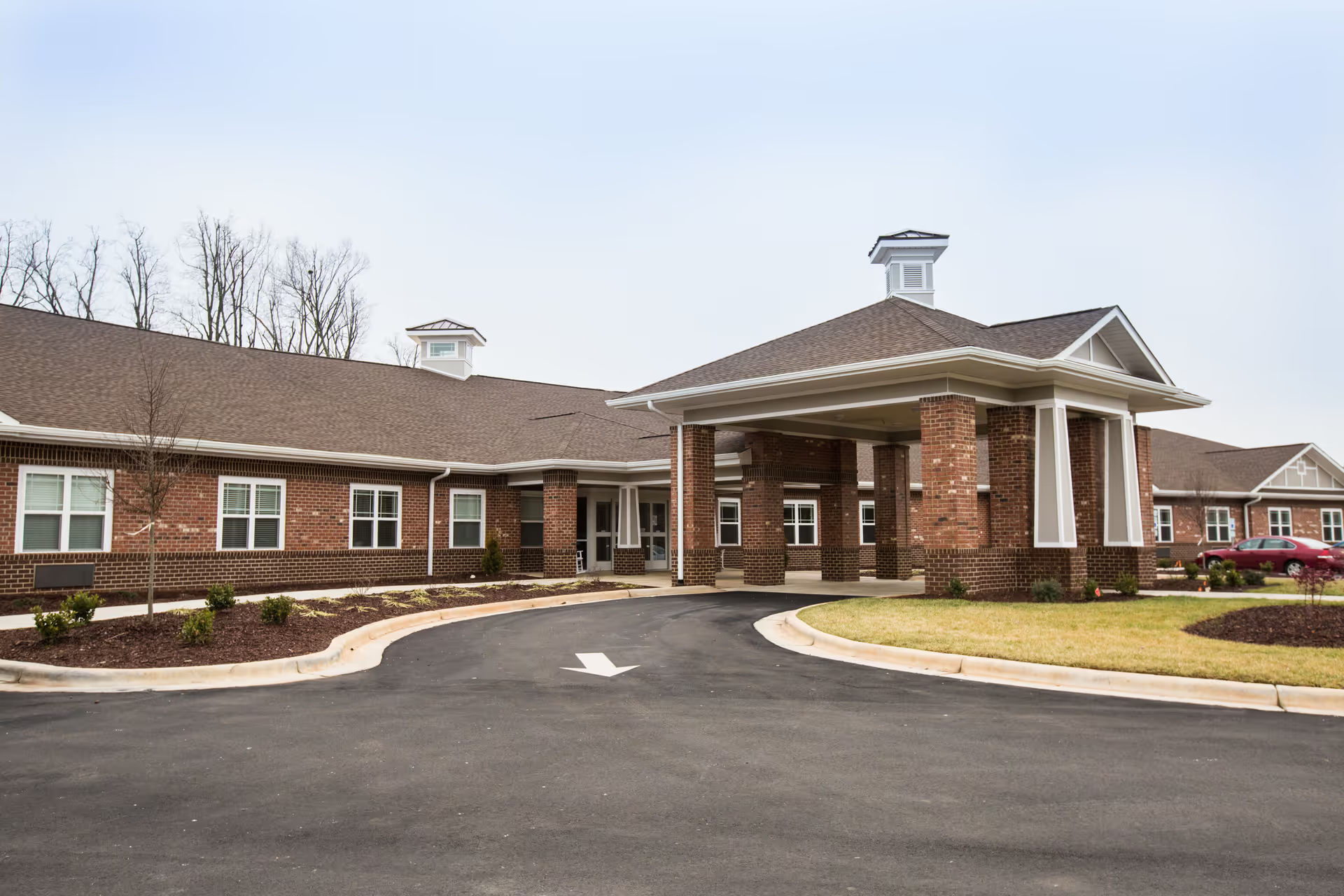
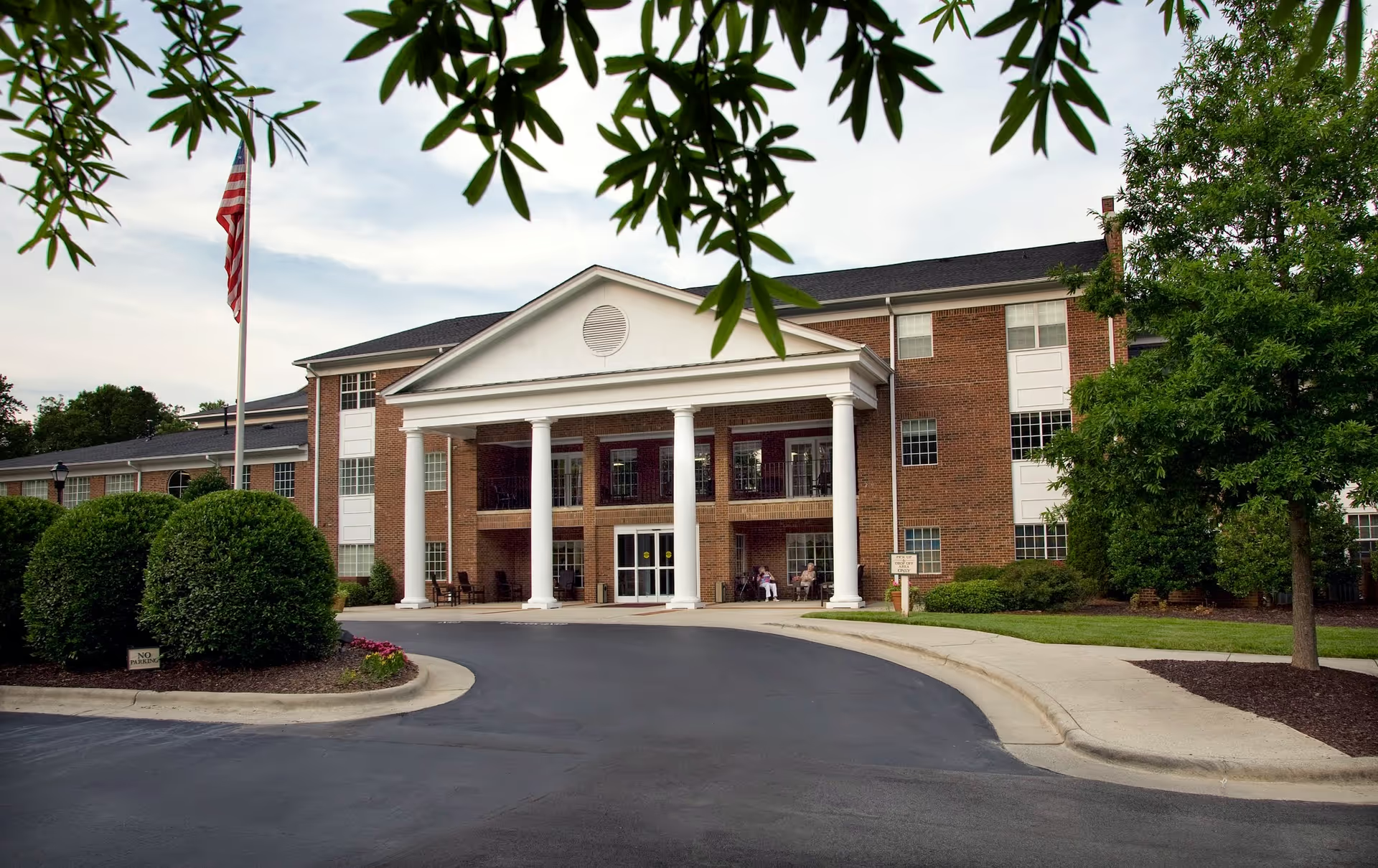
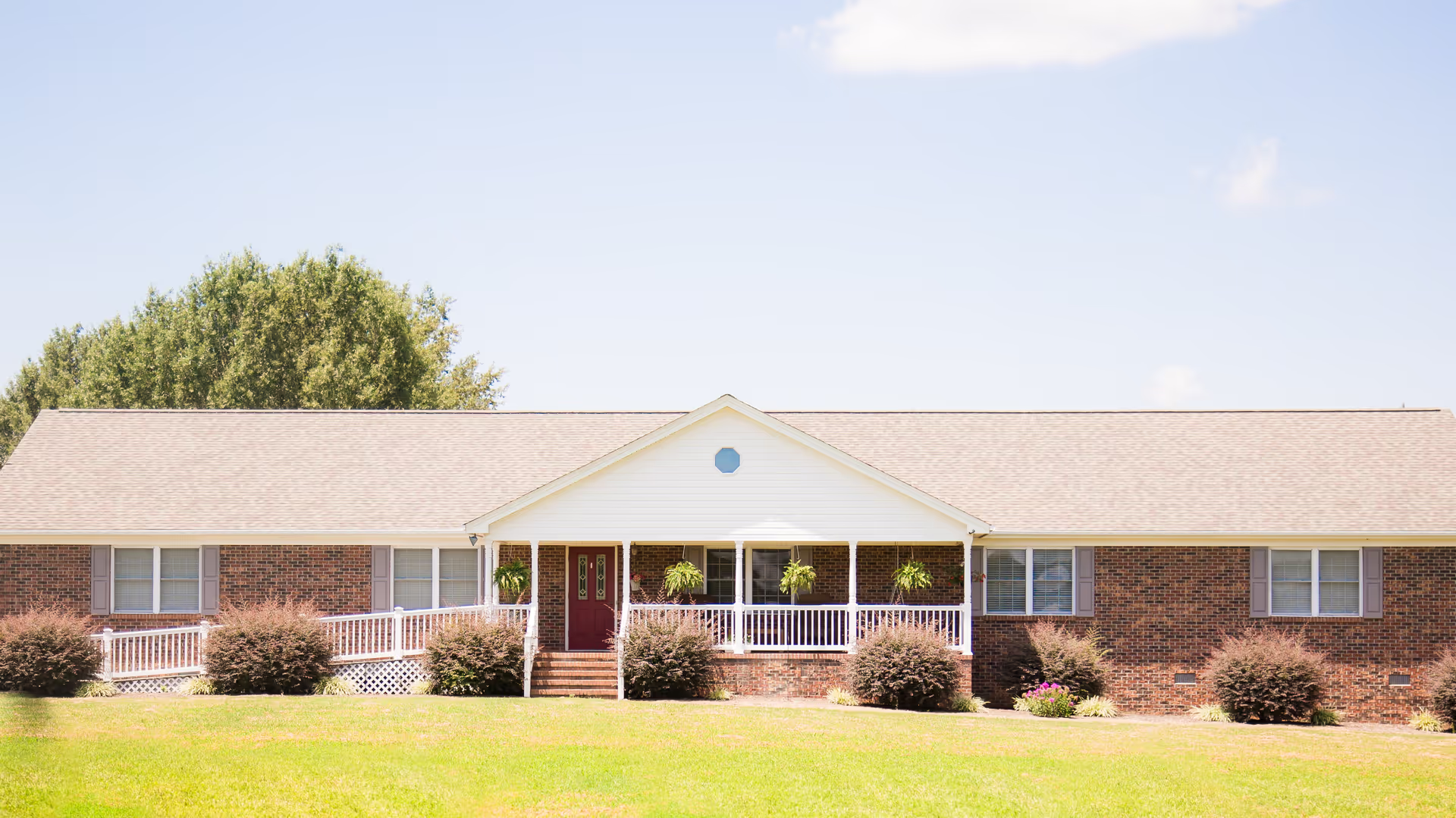
Facilities and cleanliness: Several reviewers report clean, comfortable rooms and communal areas, and appreciation for in-room amenities. At the same time, there are sanitation and linen-management concerns in some areas, occasional odor concerns in common spaces, and references to delayed deep-cleaning following an outbreak. The building is described by some as aging and in need of maintenance in places. These comments suggest that housekeeping performance and maintenance may vary by unit and over time.
Management, communication, and safety patterns: Administrative and communication gaps recur in reviews — examples include slow or inconsistent callback behavior, phone-system unreliability, and uneven family updates. Infection-control and outbreak responses were specifically questioned in certain incidents, and there are mentions of inconsistent application of isolation or discharge timing. Safety concerns reported by families include delayed responses to call bells, fall events with delayed assistance, and pressure-injury prevention inconsistencies. Together, these items point to operational areas where leadership oversight, standardized protocols, and clearer family communication could improve perceived reliability.
Recommendation and next steps for families: Liberty Commons demonstrates evident strengths in rehabilitation, many compassionate individual staff members, and a robust activities program. Before placement, families should consider touring the facility (when possible), asking about staffing ratios and weekend coverage, requesting details on infection-control protocols and recent outbreak responses, inquiring about wound-care and fall-prevention processes, and clarifying communication channels (who will provide regular updates and how). Verifying current housekeeping practices and kitchen oversight can help set expectations about dining and cleanliness. These targeted questions can help align expectations with the facility’s demonstrated strengths and variability.