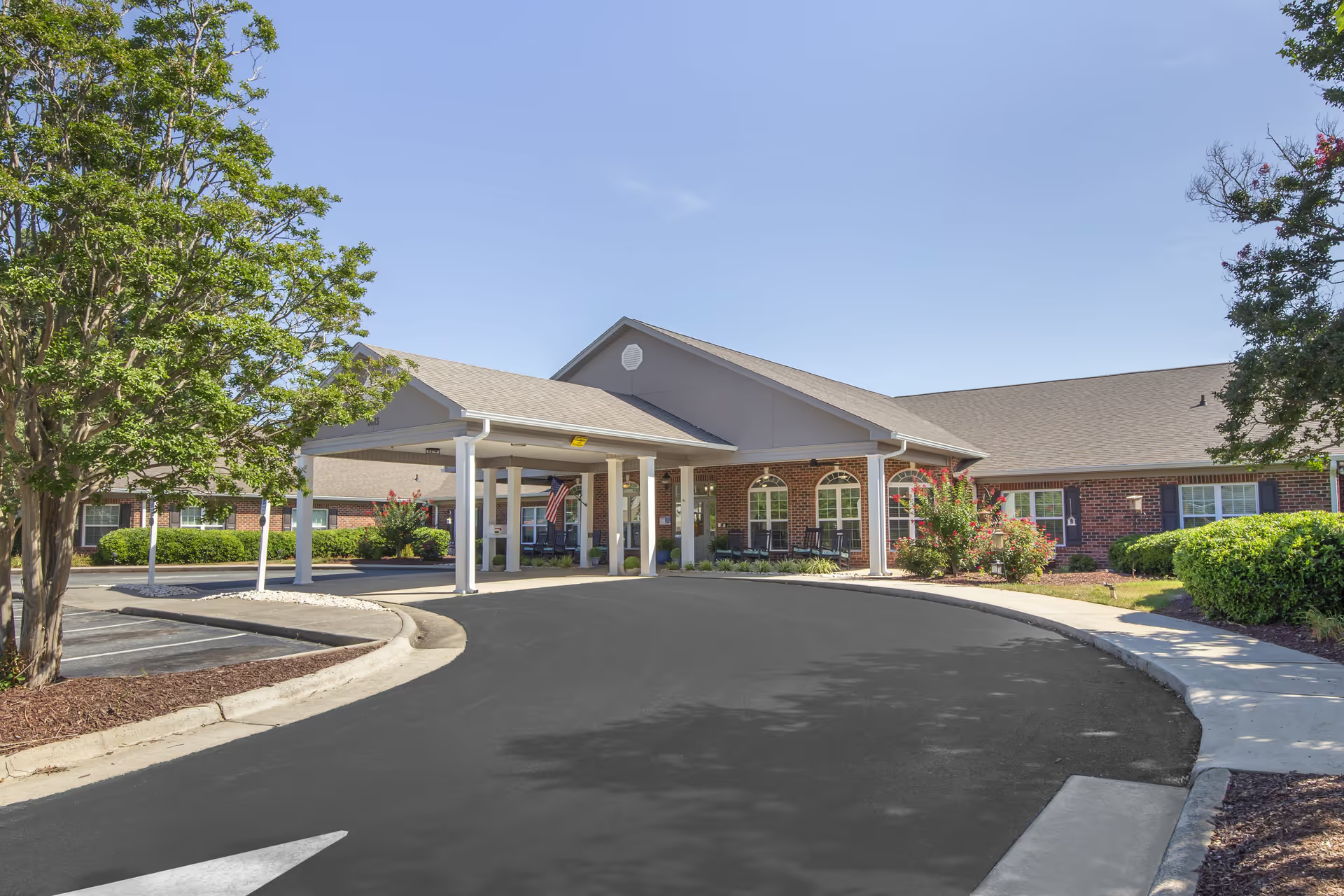
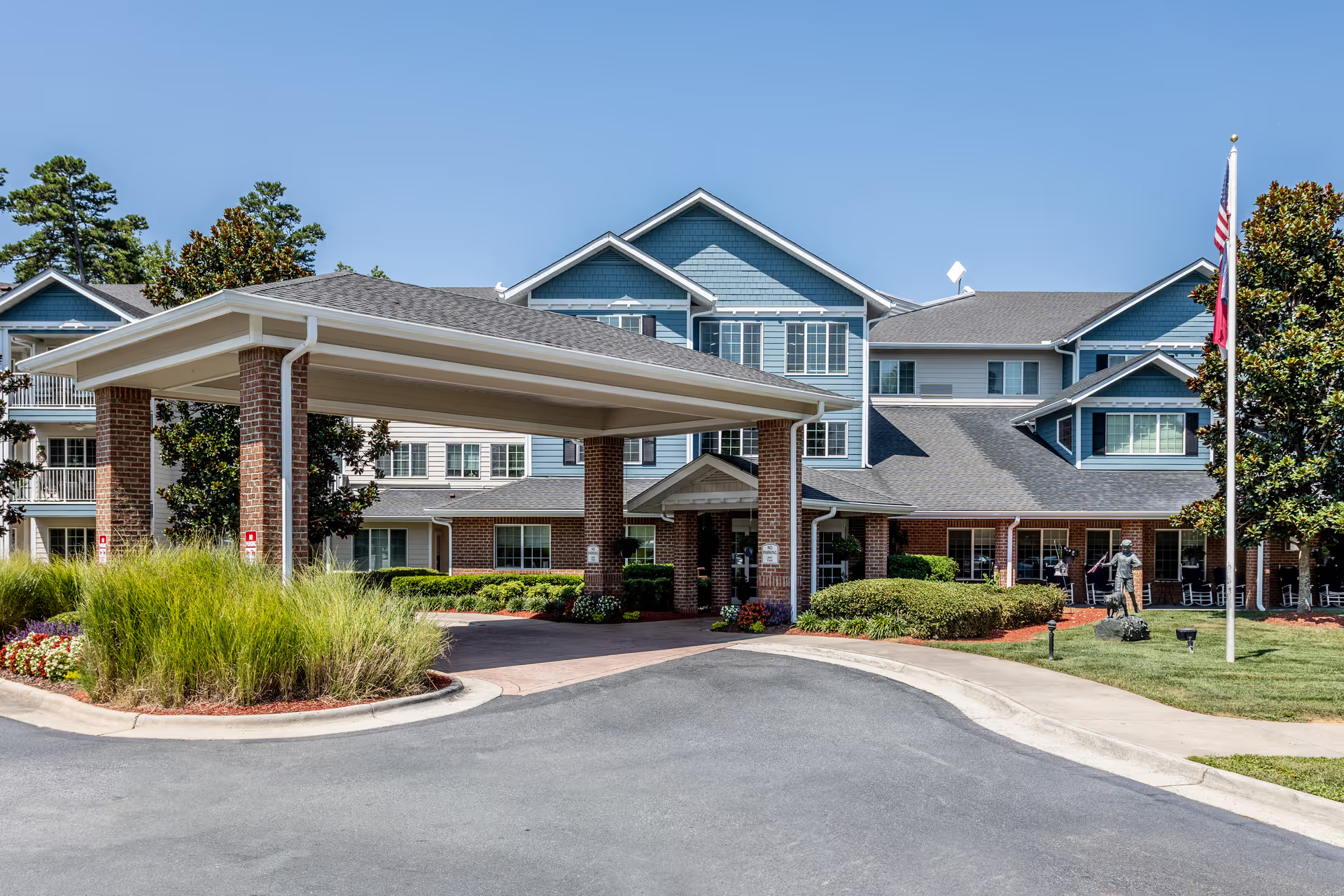
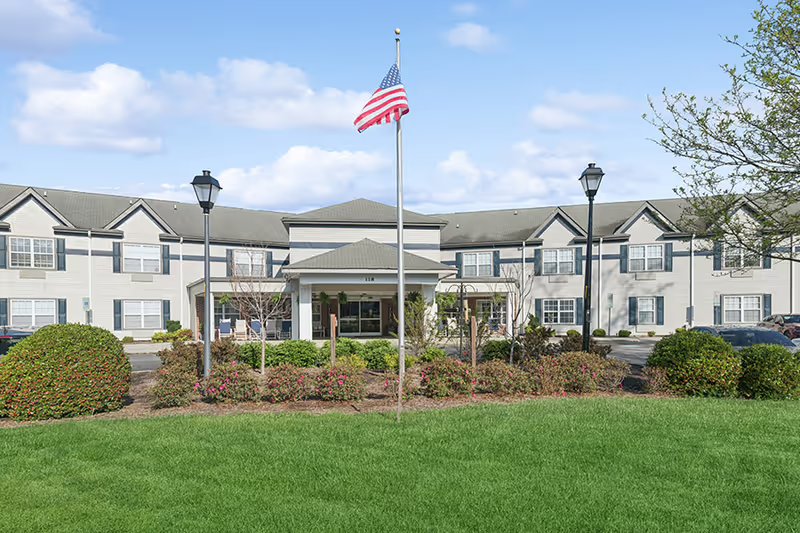
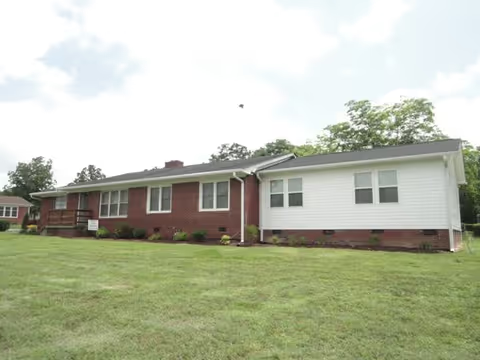
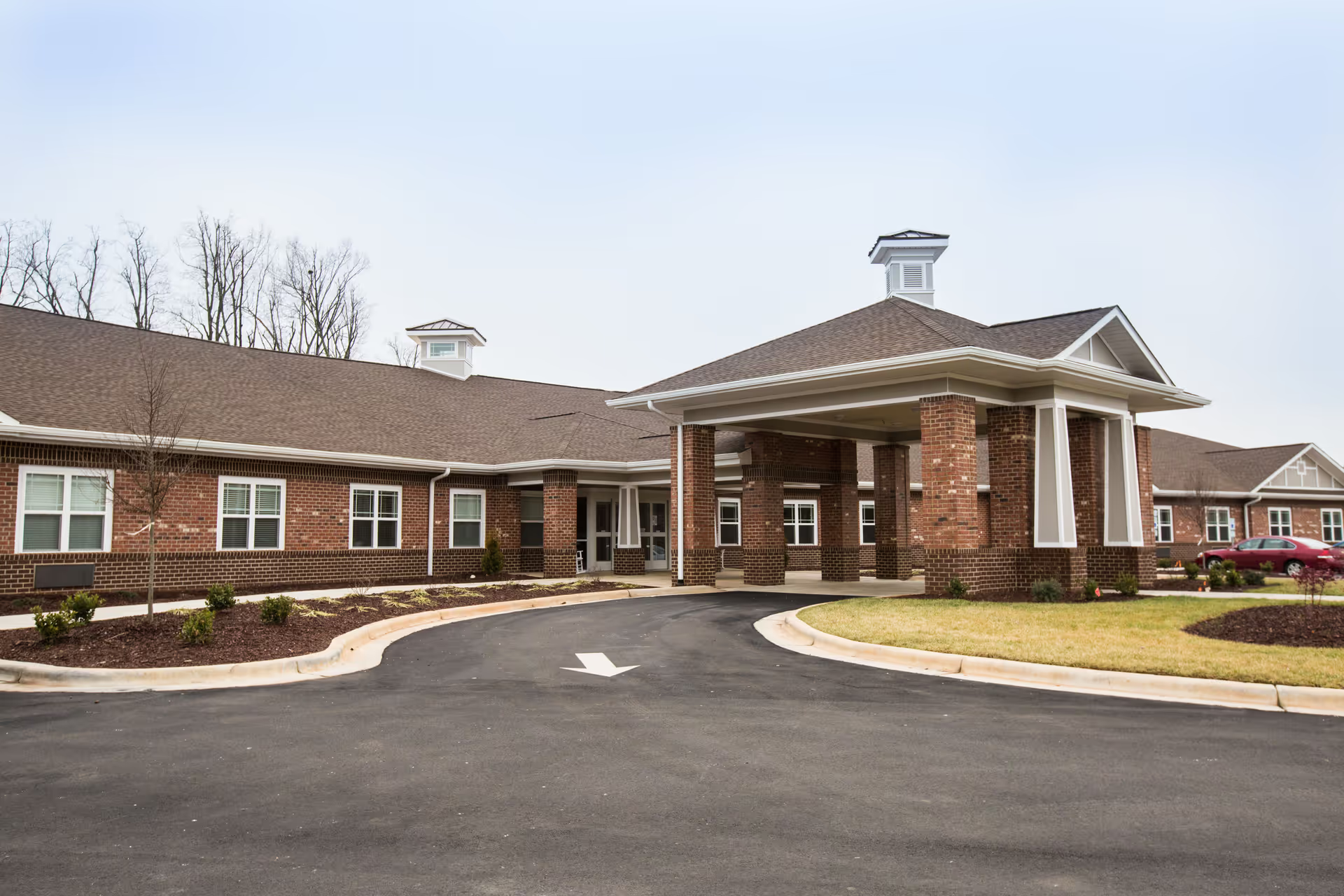
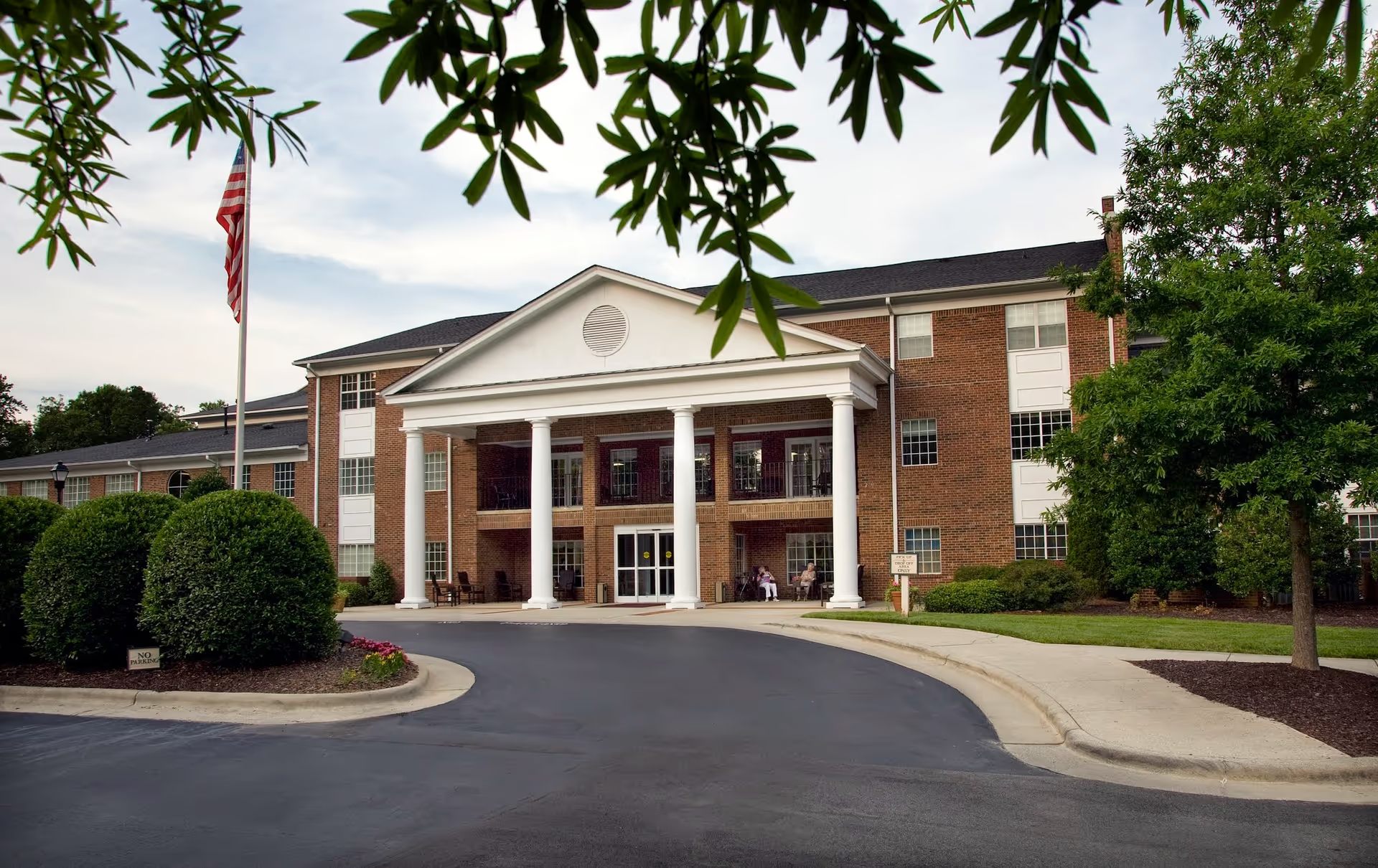
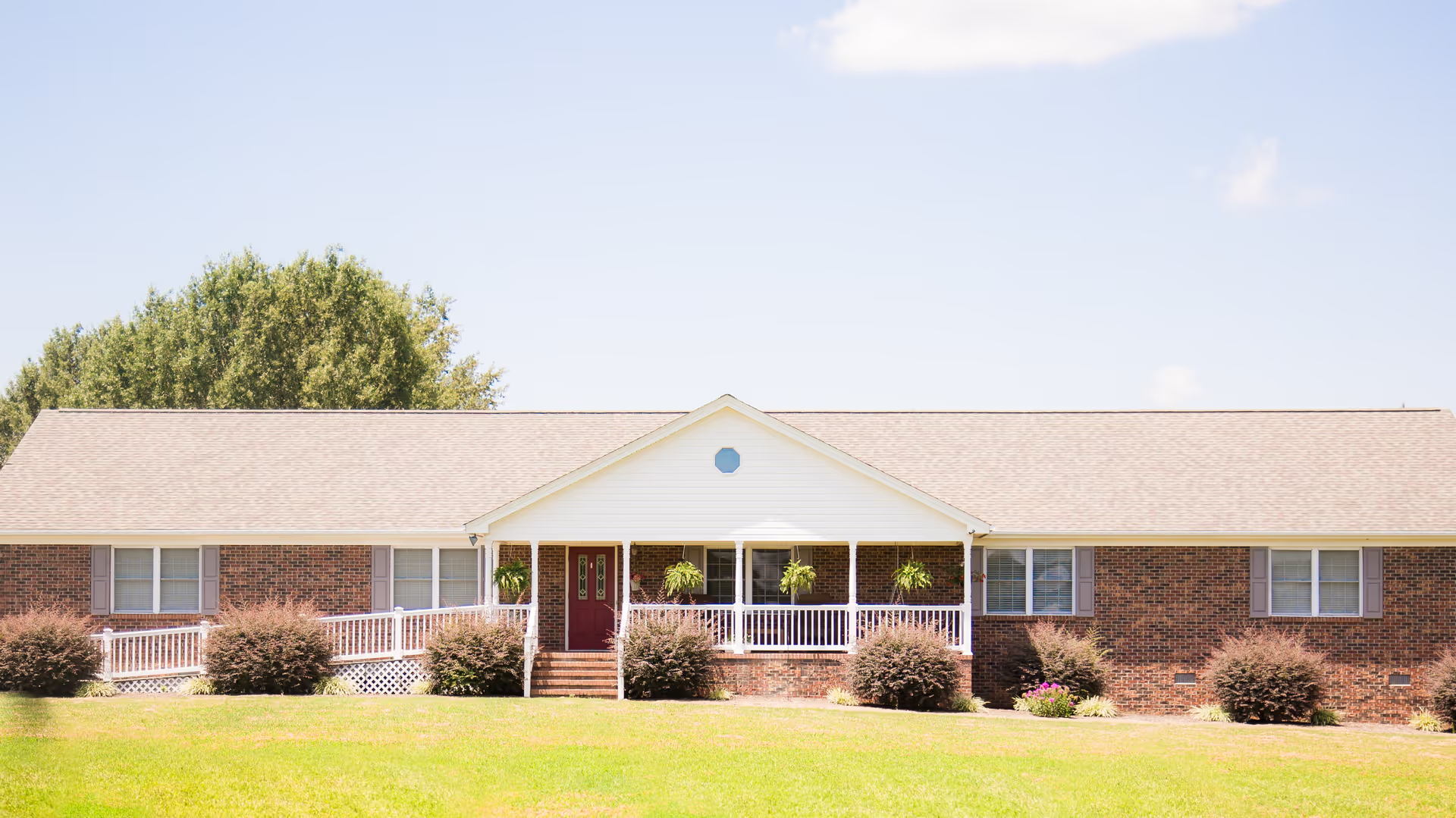
Twin Lakes Community presents a mixed but generally favorable profile for prospective residents. Strengths commonly noted include a warm, family-oriented atmosphere, a wide continuum of care (Independent Living through skilled nursing), and an active activities program with frequent outings, group events, and on-site amenities such as a fitness area, pool, salon, and multiple activity spaces. The campus and grounds are consistently described as attractive and well kept, with lakeside views and accessible, spacious design. Many families and residents praise the facility’s rehabilitation services and therapy team (PT/OT), as well as private-room options and a supportive admissions/social-work process.
Care quality is often characterized as high: reviewers highlight compassionate, attentive caregivers, skilled nursing oversight, and effective rehab outcomes. At the same time, there is a recurring pattern of operational inconsistency. While some accounts describe exceptional, prompt caregiving and professional clinical assessments, others describe gaps in responsiveness, limited daily checks, and turnover that affects continuity of care. Of particular note are concerns about end-of-life preparation and referral pathways; several families felt staff lacked training or clear processes for hospice transition.
Dining and housekeeping present a mixed picture. The community offers on-site dining and a Terrace Restaurant with positive reports about food quality and scenic dining; multiple reviewers called meals “very good” or “delicious.” Conversely, other accounts cite inconsistent meal temperature and occasional quality issues. Housekeeping and sanitation are generally praised in many areas, but some units experienced lapses including dust, sticky floors, and pest-control concerns. There is also limited routine housekeeping frequency for apartments and no in-unit laundry in some living options, which may affect resident convenience.
Facility operations and management show strengths and friction points. The campus is described as upscale, clean, and well equipped with numerous amenities, and the community has demonstrated long-term stability and acceptance of Medicaid. Operational weaknesses include periodic maintenance problems (plumbing, appliances), inconsistent room climate control, and limited administrative availability on weekends. The community’s financial model also warrants attention: upfront buy-ins and extra service fees (housekeeping hourly rates, life-alert pendant fees, transportation billed per mile) make total cost of residency higher than some alternatives.
In summary, Twin Lakes Community appears to offer strong clinical rehabilitation, an engaging activity calendar, attractive grounds, and many amenities that support quality of life. Prospective residents and families should weigh those strengths against operational variability: staffing consistency, housekeeping and pest-control reliability, meal-service continuity, temperature control, and the facility’s fee structure. Visiting the specific neighborhood/unit, asking about weekend administrative coverage, housekeeping schedules, pest-control plans, climate control in individual apartments, and the facility’s hospice referral process will help determine whether Twin Lakes’ overall profile fits a particular resident’s priorities.