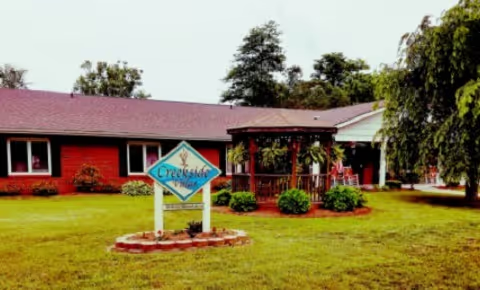
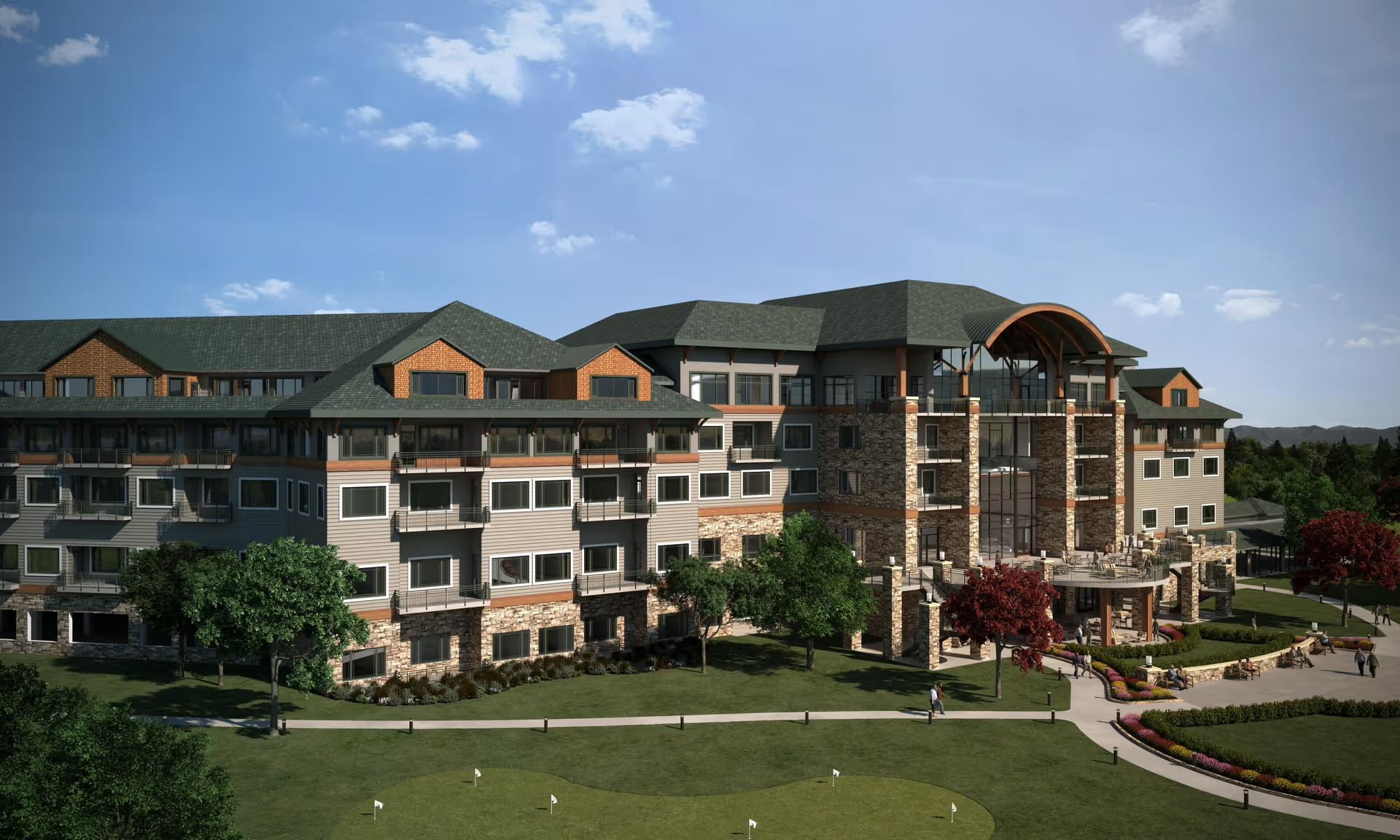
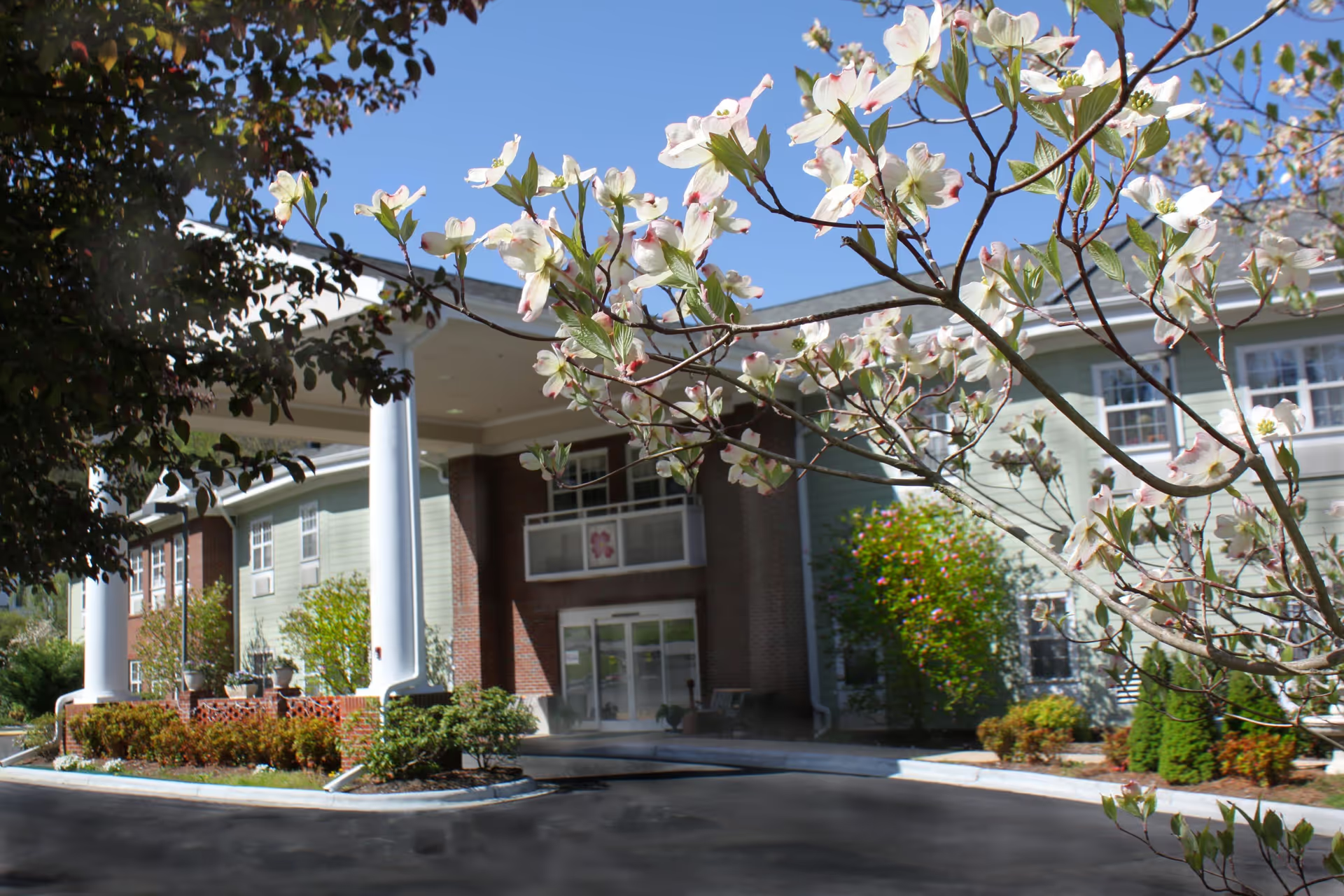
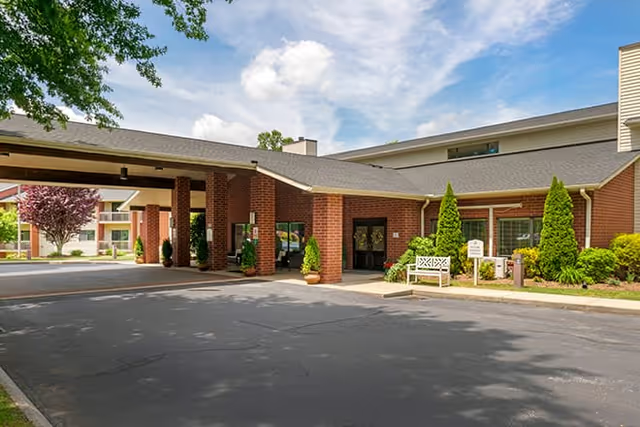
The reviews present a mixed picture. Several families and staff describe Haywood House as a small, memory-care–only setting with a home-like feel, private rooms, a pleasant dining room, and caregivers who know residents personally and show compassion. Positive accounts emphasize personalized attention, activity encouragement, and generally satisfactory meals. These strengths are meaningful for families seeking a smaller, more intimate memory-care environment.
At the same time, a number of significant operational concerns recur across reviews. Staffing levels and supervision are inconsistent: reviewers describe occasions when there were too few caregivers on duty, CNAs leaving mid-shift, or no licensed nurse present. That variability appears linked to gaps in medication administration and clinical oversight, including inconsistent medication schedules and delays in clinical response. Several accounts describe falls, hospitalizations, and notable weight loss; collectively these point to weaknesses in fall-prevention, transfer-safety, and clinical monitoring practices rather than isolated incidents.
Dining and activities receive both praise and criticism. Many residents are reported to enjoy the food and the dining room environment, and activity programming is encouraged in some accounts. However, other reviewers describe inadequate dining-room staffing, meal-service interruptions, and limited outdoor time or activity consistency. These mixed reports suggest programming and supervision can vary by shift or period.
Facility upkeep and operational management are additional areas of concern. Reviews reference sanitation and laundry-management issues, missing personal items, and maintenance problems including water intrusion. Administrative responsiveness and communication are described as uneven: some families report clear, helpful communication from staff and management, while others report difficulty obtaining refunds, delayed responses, or personnel actions following family advocacy. There are also references to regulatory citations and contested incidents, which merit follow-up by prospective families.
Overall, the pattern is one of contrast: a small, potentially supportive memory-care community with staff who can provide warm, individualized care at times, juxtaposed with recurring operational weaknesses—notably inconsistent staffing, clinical oversight gaps, property- and laundry-management issues, and uneven administrative responsiveness. Prospective residents and families should tour the facility, ask specifically about nurse coverage, medication administration protocols, fall-prevention measures, laundry/property procedures, staffing ratios by shift, maintenance plans for any building issues, and recent regulatory findings. Regular family communication and clear escalation pathways should be confirmed in writing before admission.