Overall impression: Reviewers describe a facility with notable strengths in individualized care, rehabilitation, and housekeeping, but with some operational inconsistencies that families should assess during a visit. Positive accounts emphasize compassionate caregivers, familiar staffing patterns, effective therapy services, and a well-maintained, comfortable environment. Negative accounts focus mainly on clinical and communication shortcomings, particularly around medication and pain control.
Care and staff: Many reviewers praise the caregiving team as caring, attentive, and consistent — staff who remember residents and provide day-to-day support. Therapy and rehabilitation services receive strong endorsements in several accounts, with references to outstanding outcomes and a dedicated therapy staff. At the same time, other reviewers described deficiencies in clinical assessment, reluctance to engage physicians, and instances of medication-administration errors. These contrasting accounts suggest variability in clinical skill or process adherence; prospective families may want to verify clinical staffing levels, training programs, and handoff/physician-communication protocols.
Dining and activities: Dining is frequently mentioned positively. Reviewers note appealing breakfasts and generally enjoyable meals; gluten-free accommodations were reported as improved after an initial adjustment period. The facility offers social activities, games, and outdoor seating, supporting social engagement and opportunities for residents to spend time outside in communal spaces.
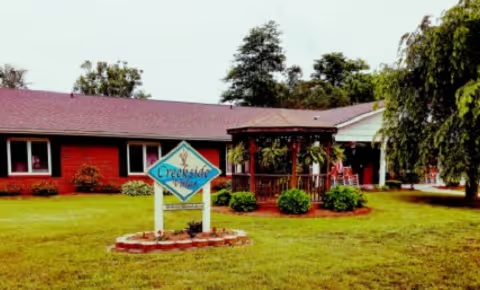
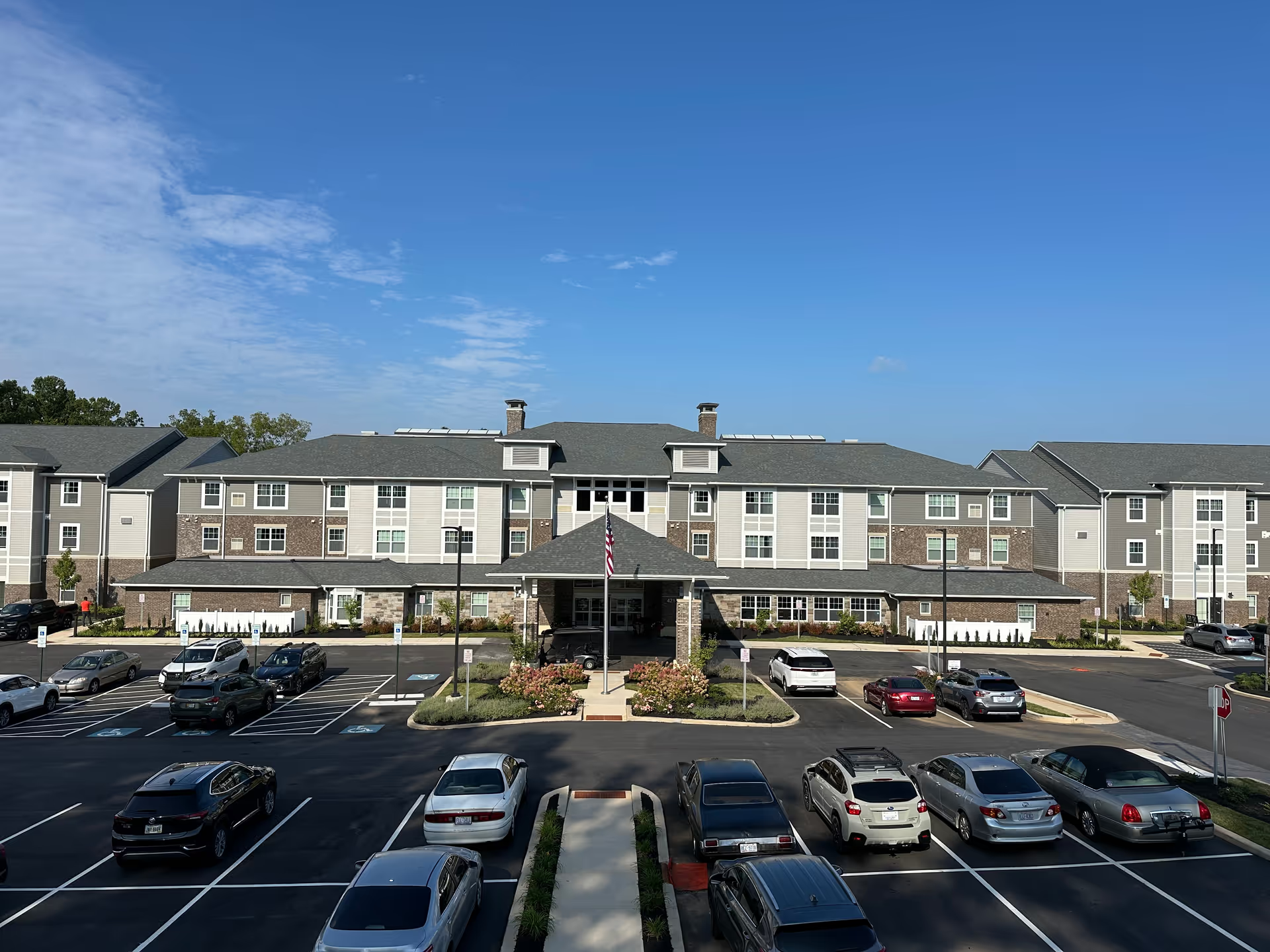
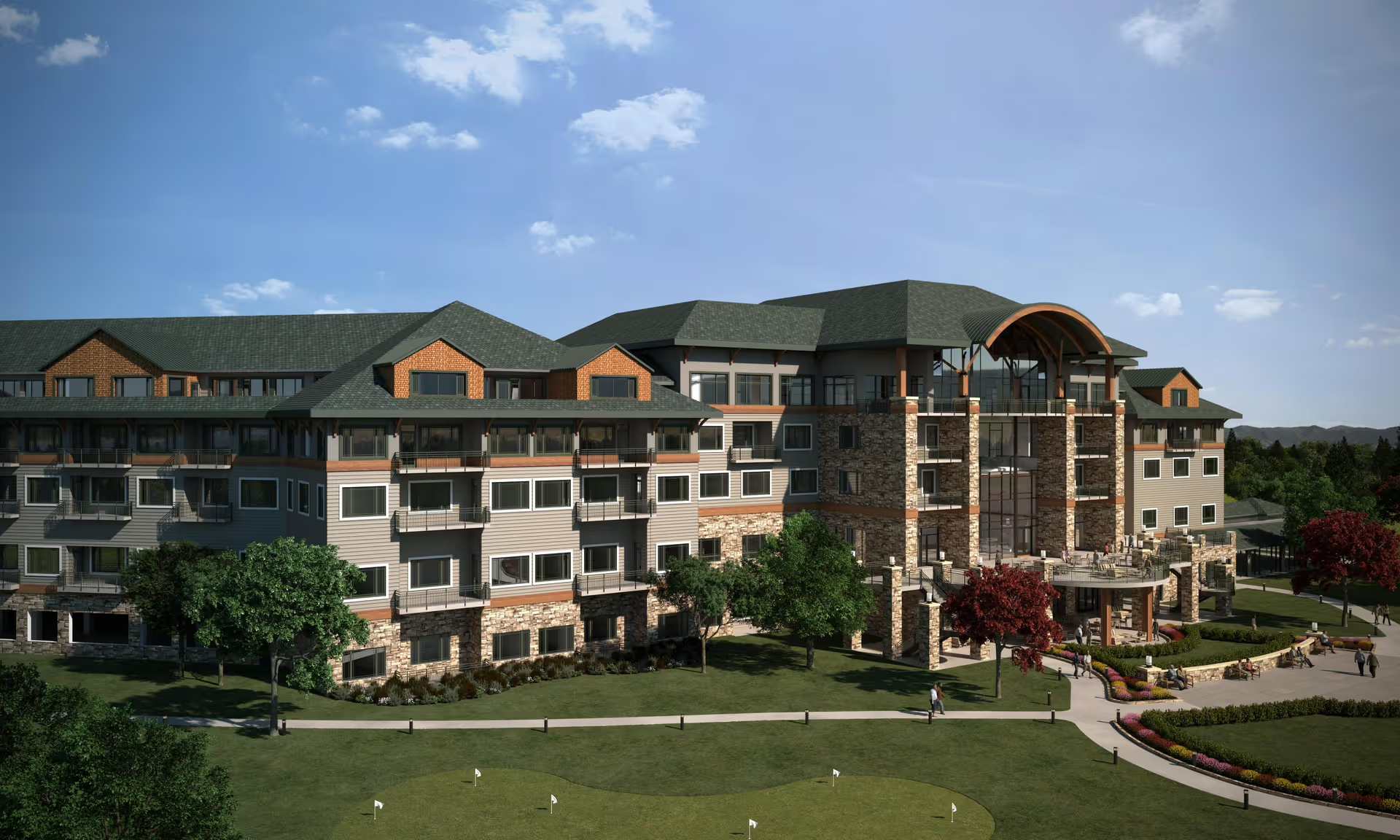
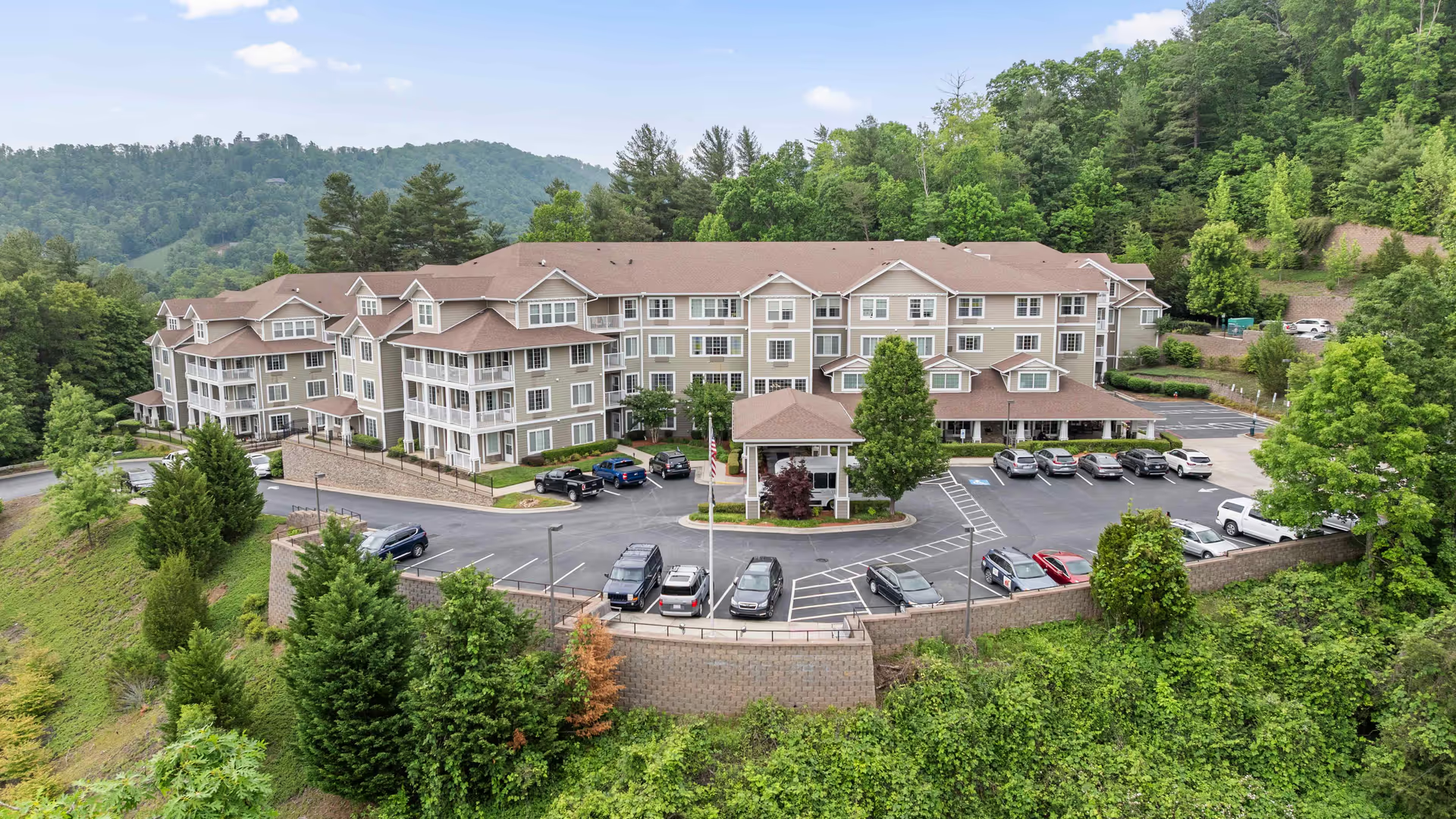
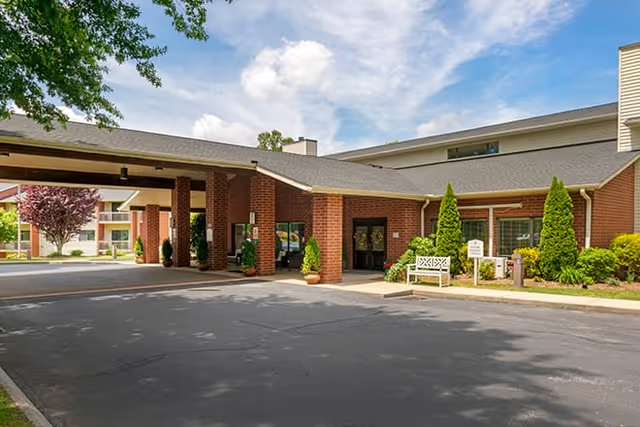
Facilities and logistics: The physical environment is described as cozy, clean, and well-maintained, with private studio-style rooms and accessible common areas. An on-site rehab center is available, which many find convenient. Limitations cited include a small inventory of independent-living units and comments that the facility is somewhat hard to reach; families should confirm unit availability and transportation/parking options. Those with specific mobility needs (for example, residents requiring hoyer lifts or bariatric equipment) should confirm equipment availability and transfer protocols in advance.
Management and notable patterns: Some reviewers described administrative responses as defensive or unsatisfactory when concerns were raised. The pattern of both highly positive and distinctly negative clinical experiences points to unevenness in staff training, clinical oversight, or shift coverage rather than a uniform programmatic failure. Given the nature of the concerns (medication management, pain control, communication), it is advisable to ask about overnight staffing, medication-administration safeguards, pain-management protocols, staff training cadence, and the facility’s complaint-resolution process. One reviewer mentioned personal preferences around vaccination policy; prospective residents should discuss any public‑health or vaccination policies directly with administration.
Bottom line: Silver Bluff shows clear strengths in caregiver compassion, cleanliness, communal programming, and rehabilitation resources, but families should proactively evaluate clinical processes, nighttime coverage, and administrative responsiveness during a tour and meetings with leadership to ensure the facility’s operations meet the specific clinical and safety needs of the prospective resident.