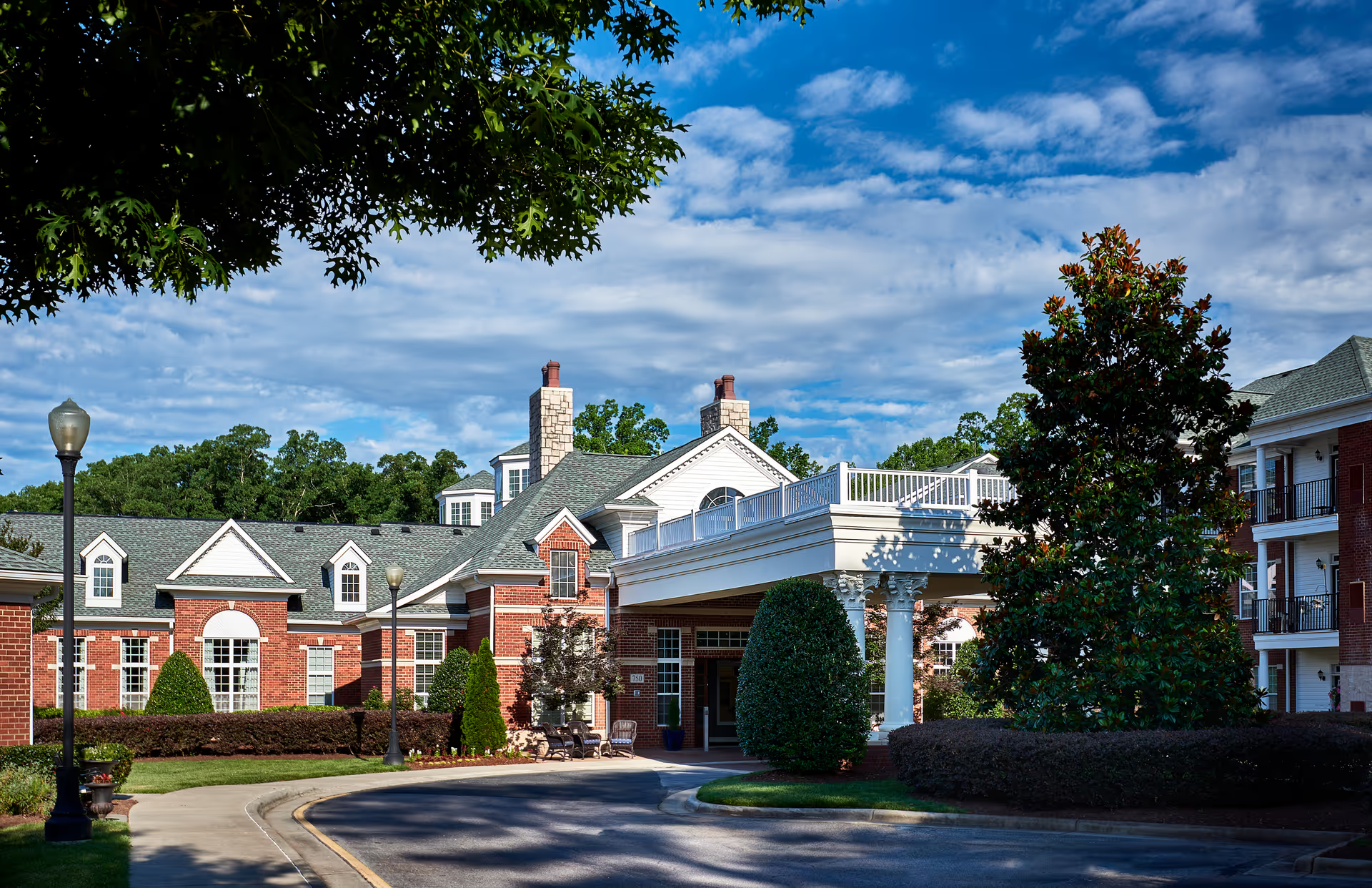
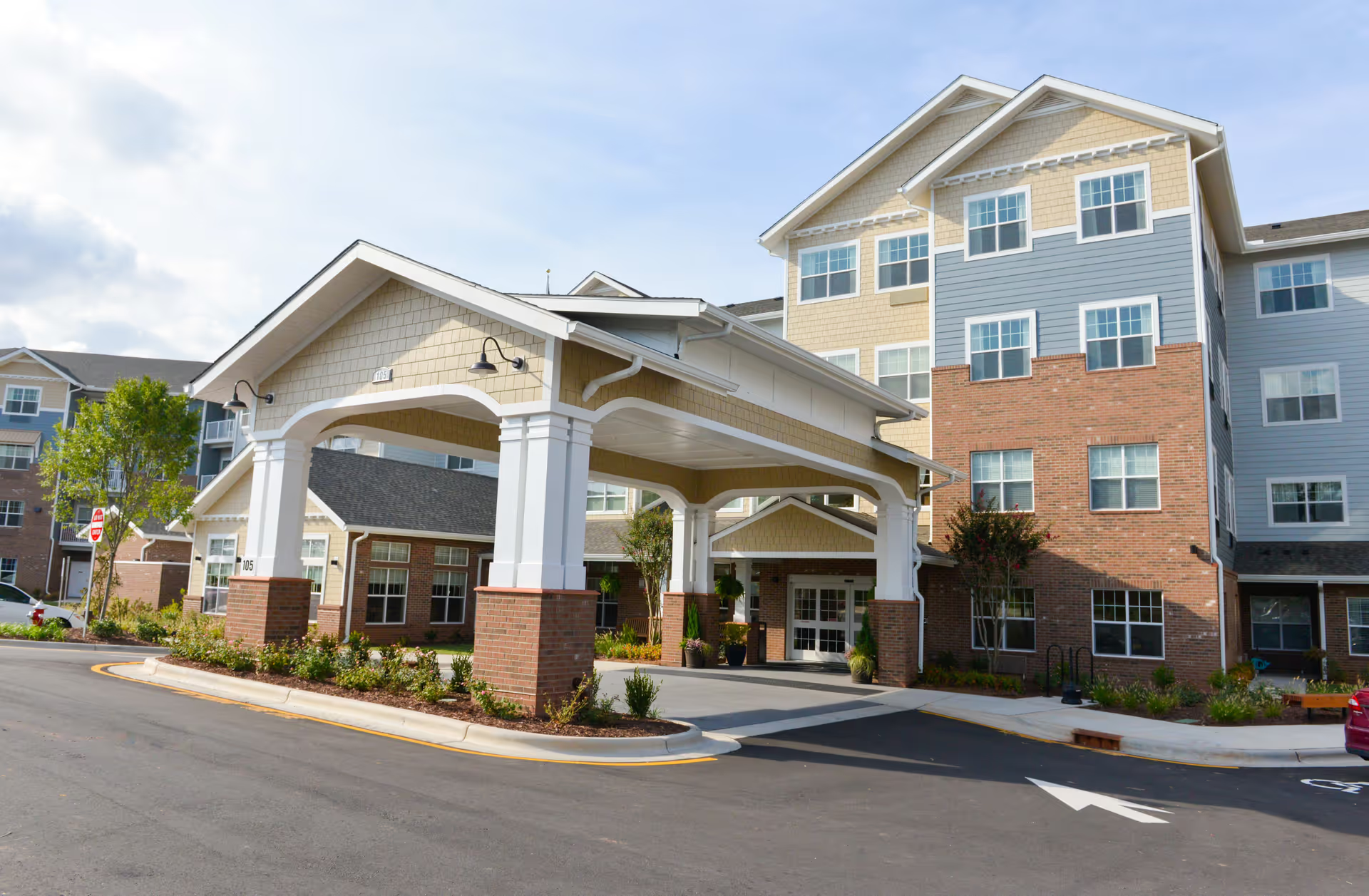
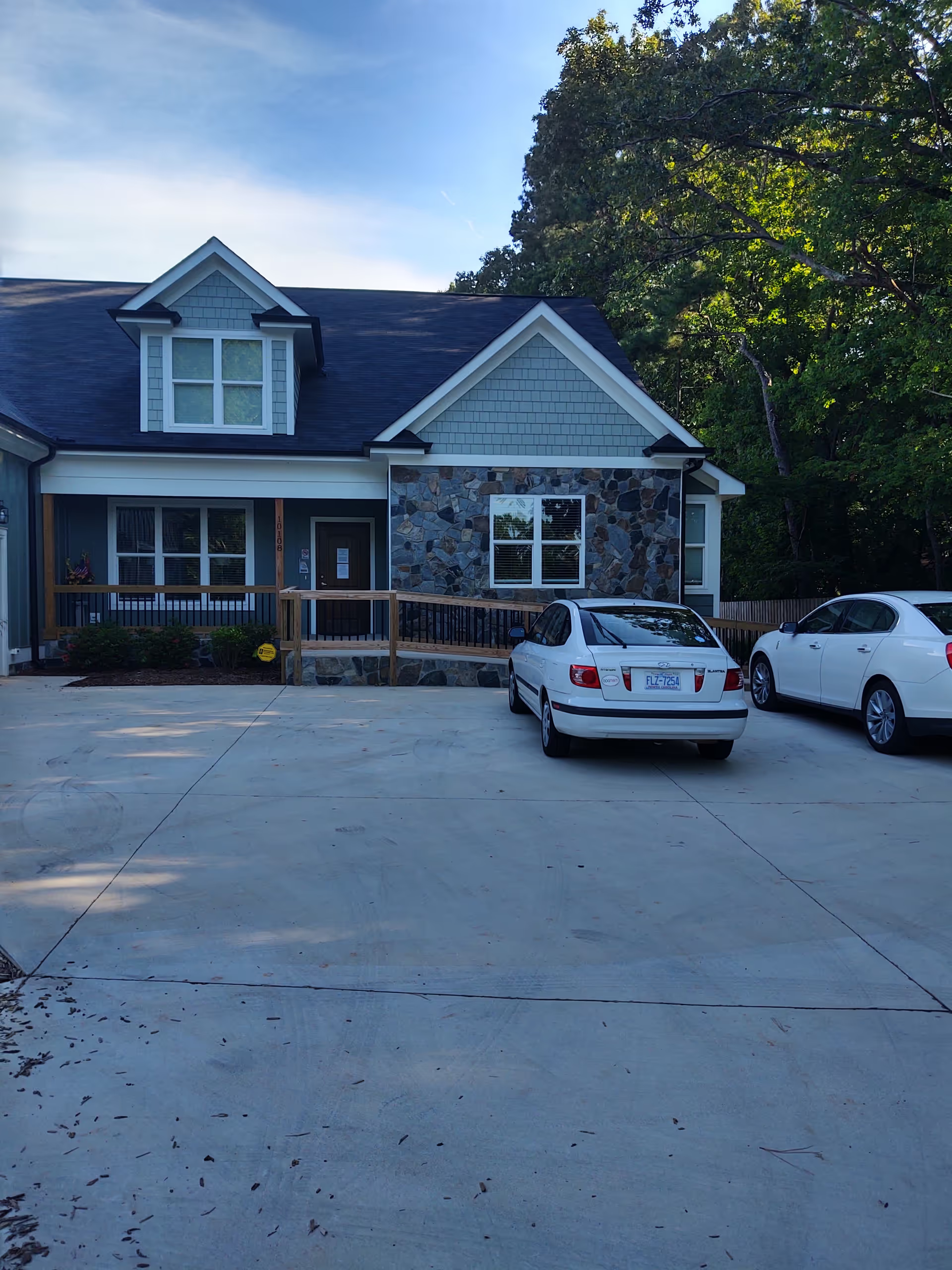
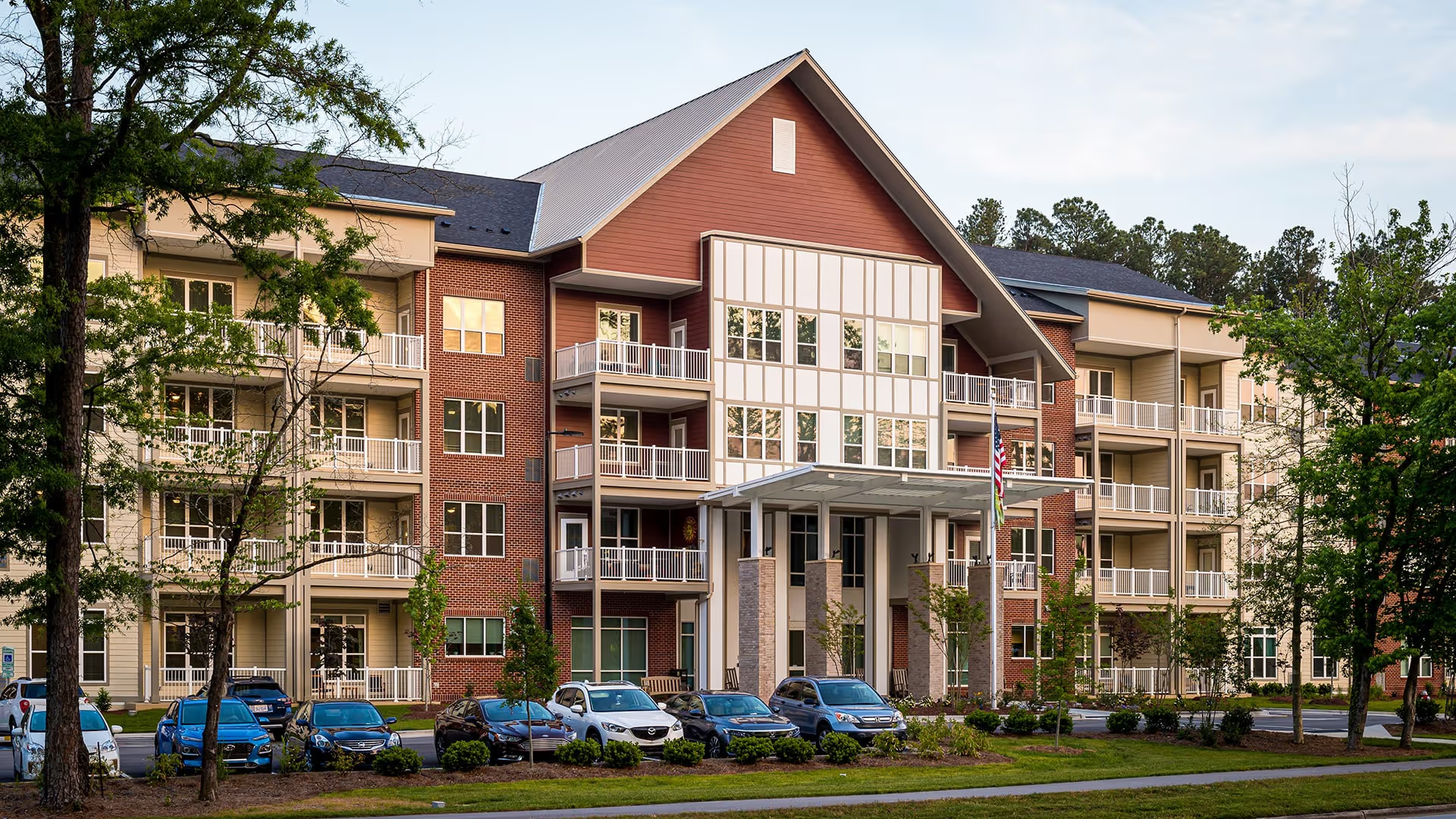
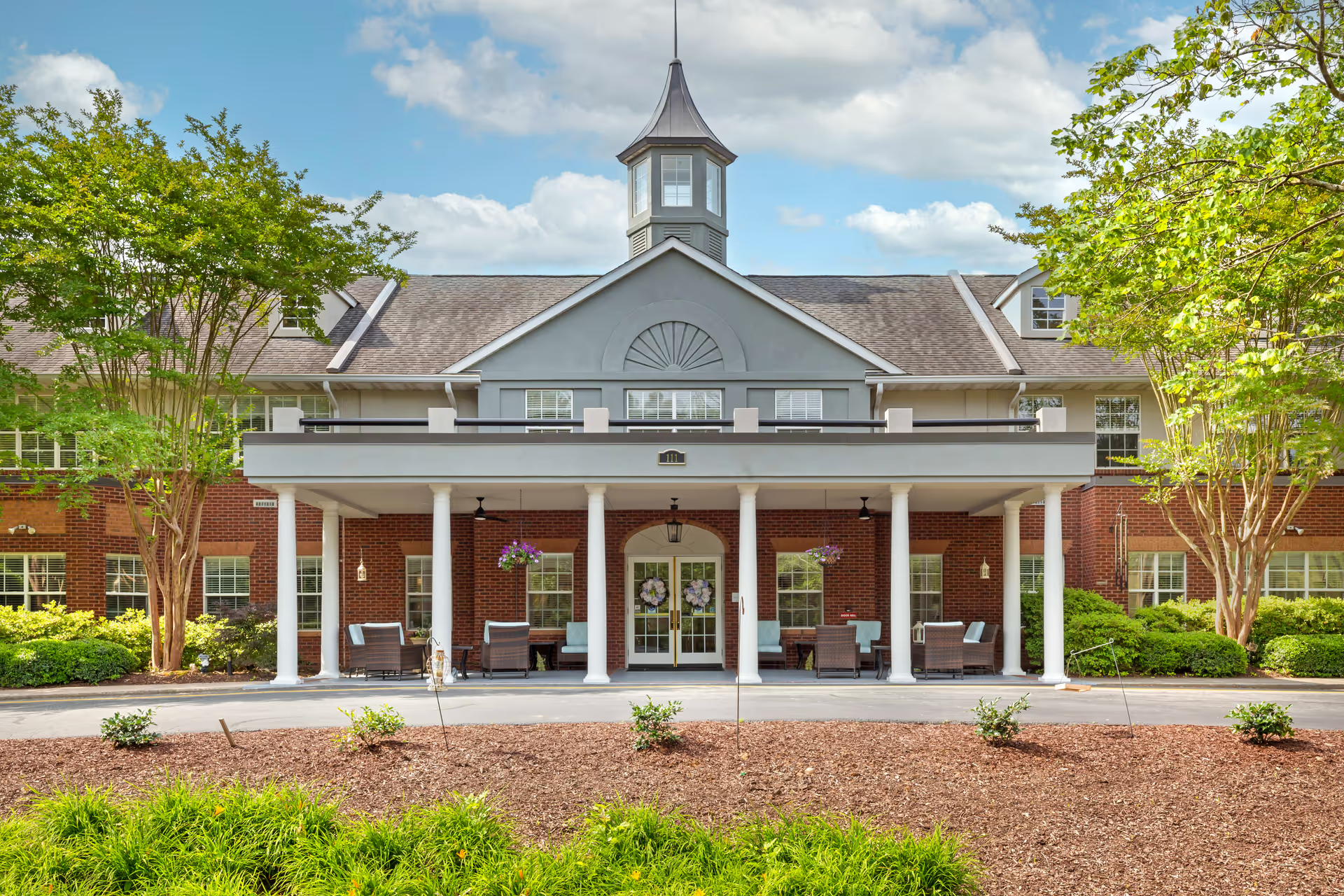
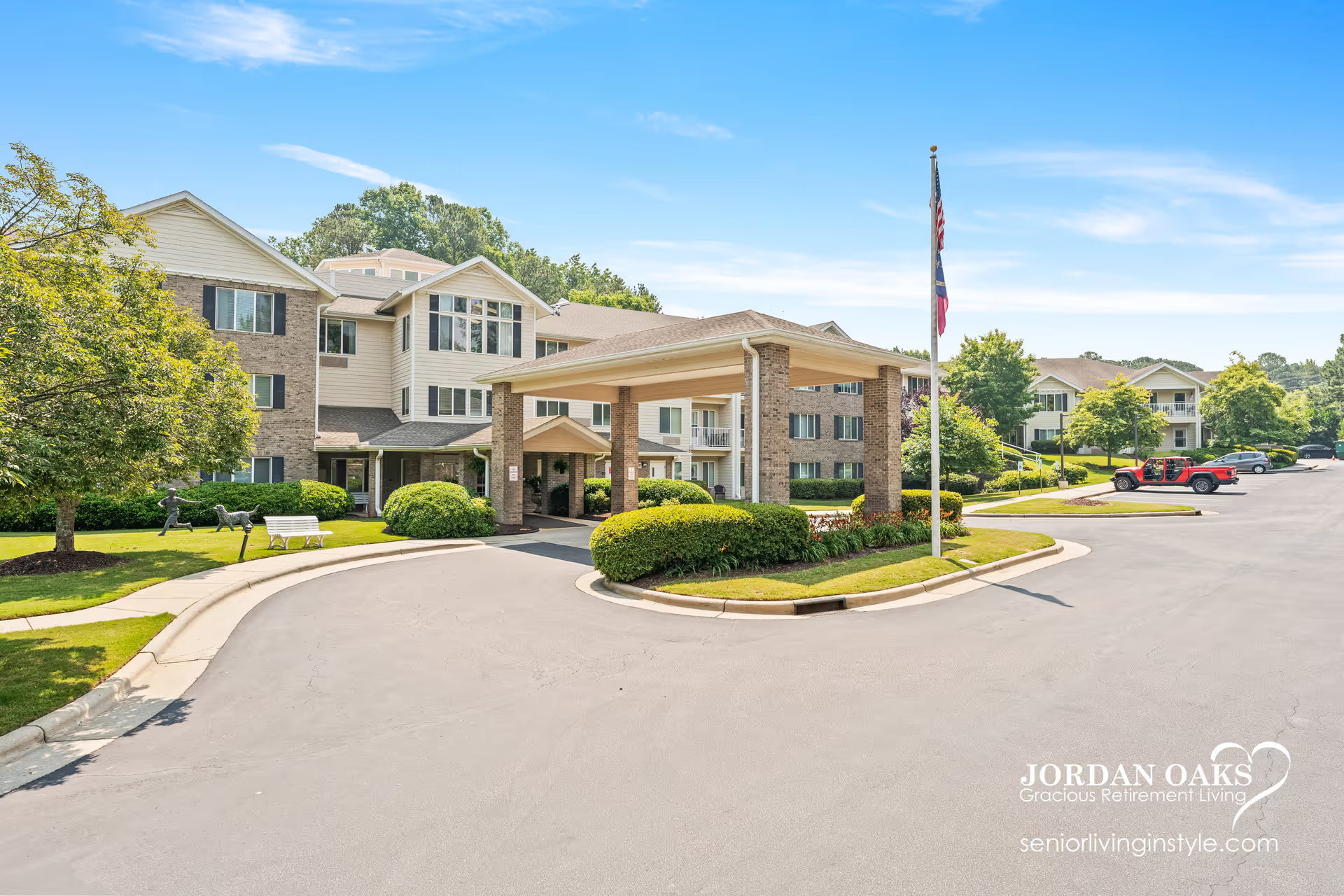
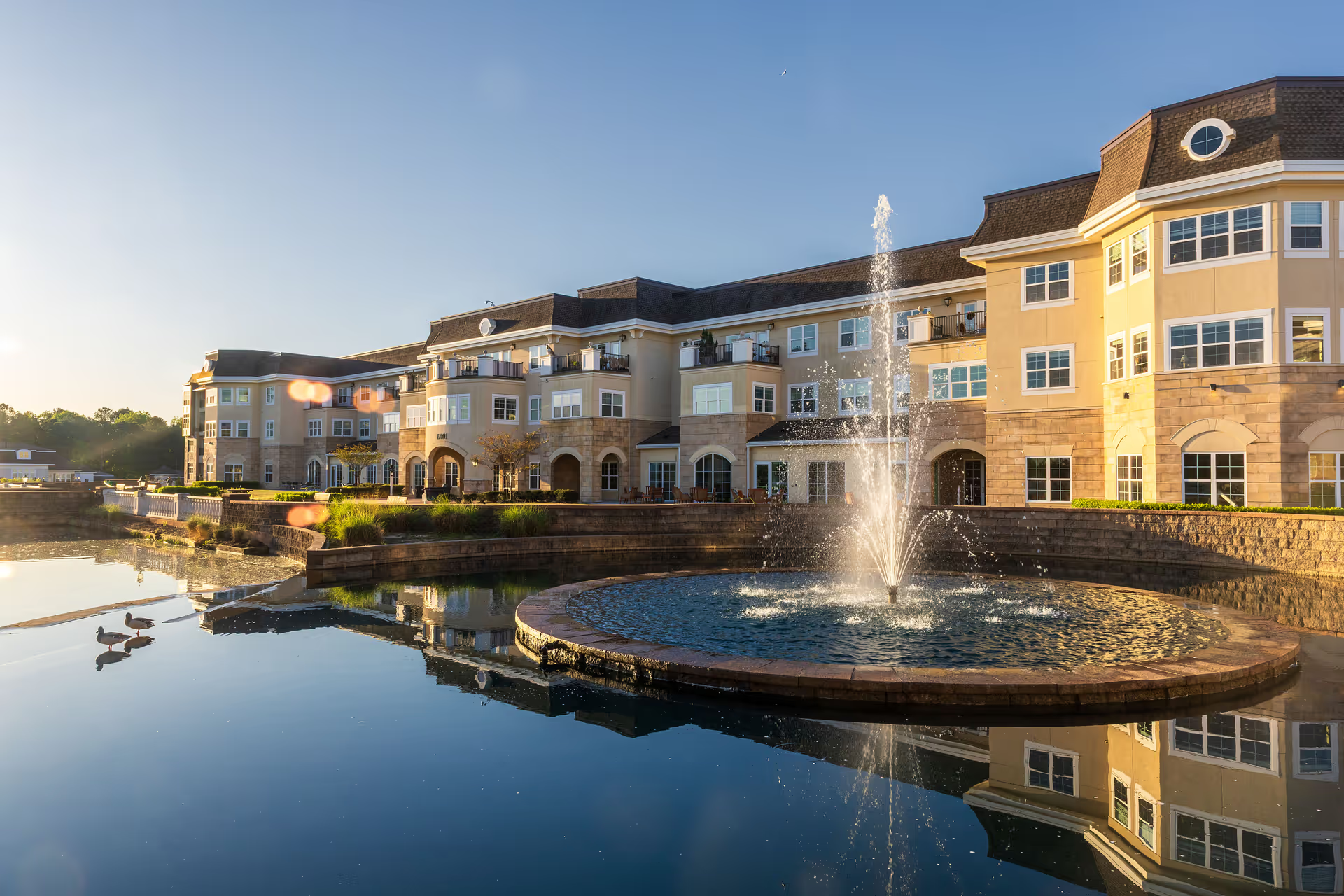
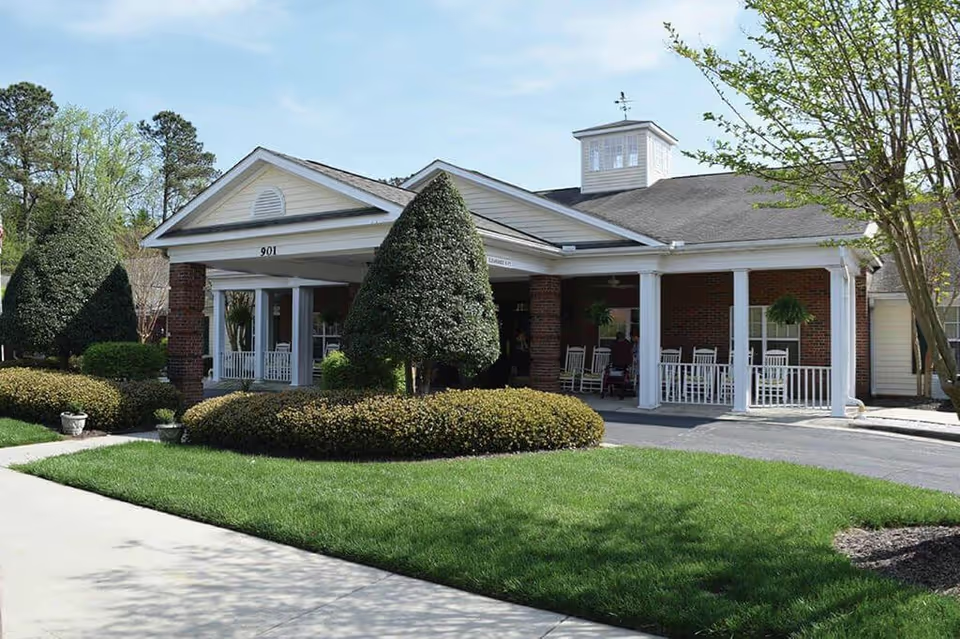
Woodland Terrace presents as a large, well-amenitized retirement community with a strong emphasis on social engagement and campus life. The property and grounds—frequently described as scenic and park-like with a lake, trails, and mature landscaping—are a consistent strength. Common spaces (theater, library, solarium-style pool, fitness center, and dining rooms with lake views) support a wide range of recreational, cultural, and wellness programming, and many residents and families describe an active social environment.
Staff and day-to-day care receive mixed but largely positive characterization. Numerous accounts highlight compassionate, attentive caregivers, responsive nursing teams, and staff who learn residents’ names and preferences. That culture of personal attention supports resident well-being in independent- and memory-care neighborhoods. At the same time, reviewers identify staffing instability and turnover as an operational weakness that has affected continuity of care, particularly in assisted-living contexts. There are recurrent notes about inconsistent on-demand assistance, delays responding after falls, and variability in how assisted-living needs are supported; these point toward uneven staffing coverage and role clarity during higher-acuity events.
Dining and programming are important draws, with many families praising chef-prepared meals, varied menus, and a wide activity calendar (writers’ groups, music, outings, exercise classes, gardening, and cultural performances). The activity and wellness teams are credited with creating daily stimulation and frequent outings. However, dining service and meal continuity show variability: reviewers describe inconsistencies in breakfast service, occasional dining errors, and uneven accommodation of special-diet needs. Prospective families should sample meals and clarify how special dietary requirements are managed.
Facilities and amenities are generally strong: many reviewers value the indoor heated pool, modern workout equipment, on-site therapy, and apartment-like units with kitchens. Multiple reviewers praise cleanliness and well-maintained grounds. That said, some building areas and units show visible wear, and housekeeping/maintenance consistency varies across units. Availability also differs by unit type; there are wait lists, occasional double-booking or timing issues, and some apartments may lack in-unit laundry or other desired features.
Operational and management patterns deserve careful review. There are mentions of management turnover, changes after acquisition, and perceptions of inconsistent leadership communication. Several families describe difficulties around move-in/move-out financial policies—high upfront community fees and restrictive refund practices—as well as instances where transfer or readmission from rehab was handled inconsistently. Communication gaps during clinical events (hospitalizations, post-acute transitions) and family-notification delays are additional themes to probe during a tour.
Bottom line: Woodland Terrace offers robust social programming, attractive grounds, and many amenities that support an active retirement lifestyle, and many families praise the warmth and responsiveness of frontline staff. At the same time, patterns around staffing stability, assisted-living responsiveness, dining consistency, and fee/transfer policies have produced notable concerns for some families. Prospective residents should schedule an extended visit, sample dining, meet nursing/assisted-living leadership, review contractual fee and refund language, and ask for specifics about staffing ratios and post-acute/readmission procedures to determine fit for individual needs.