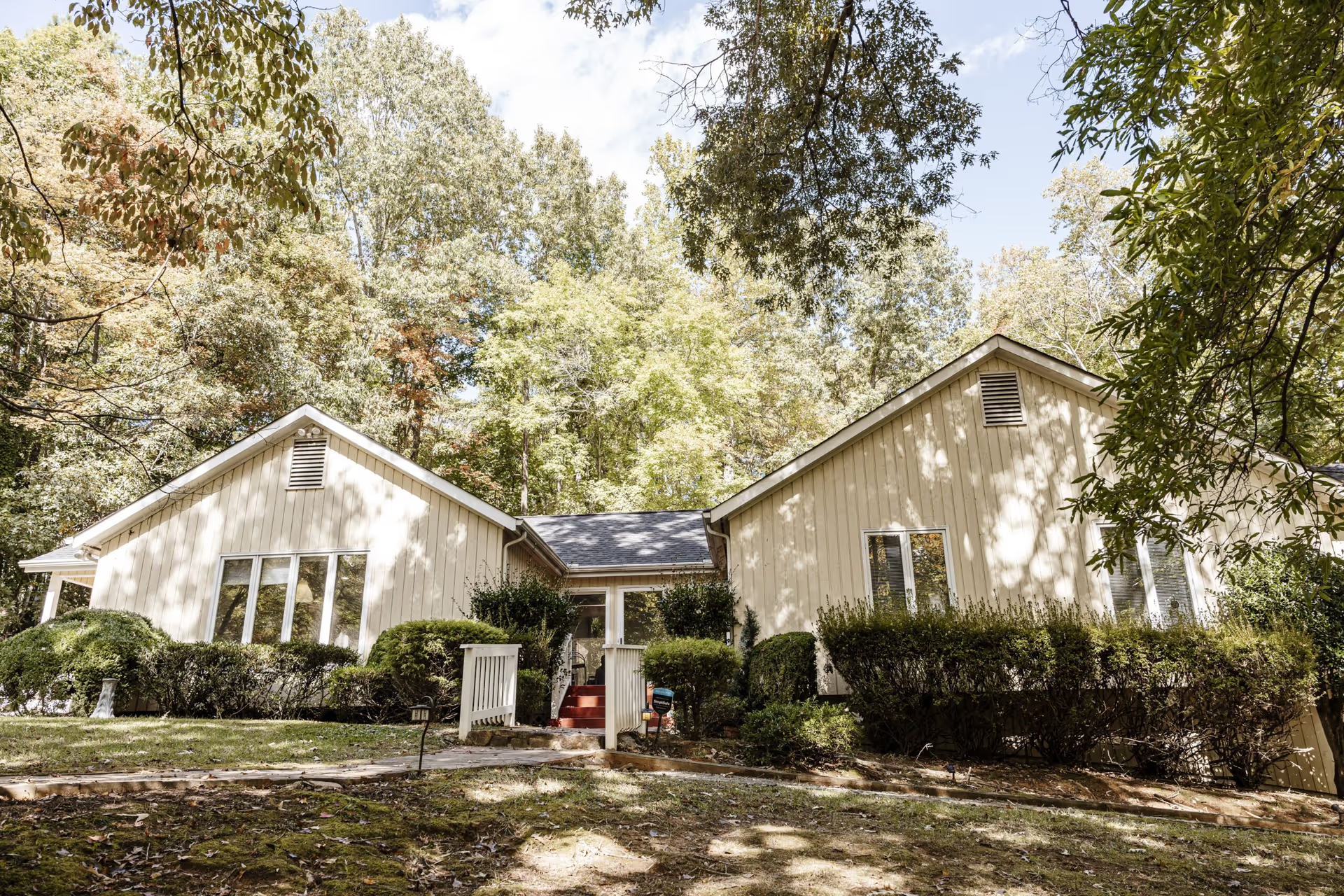
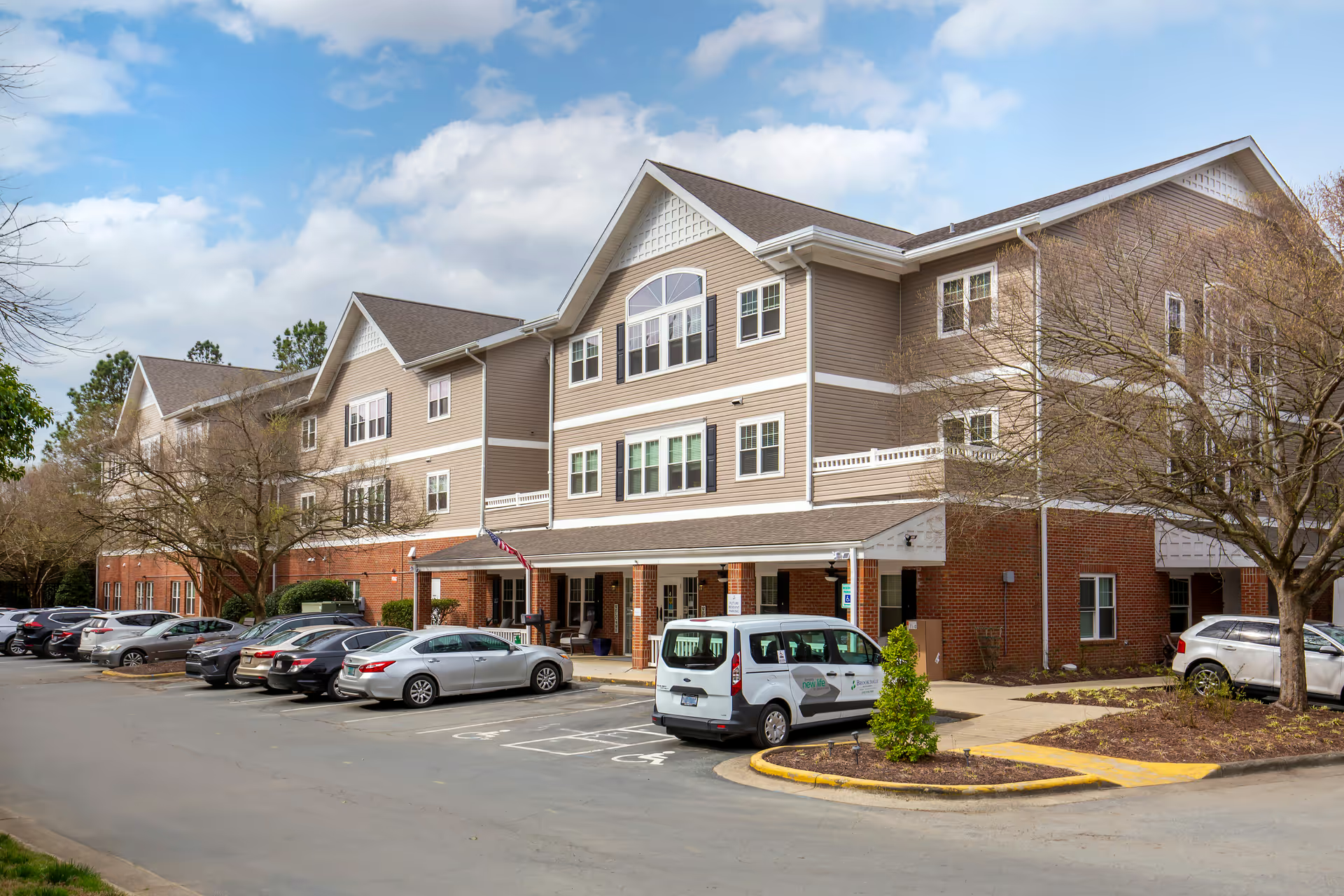
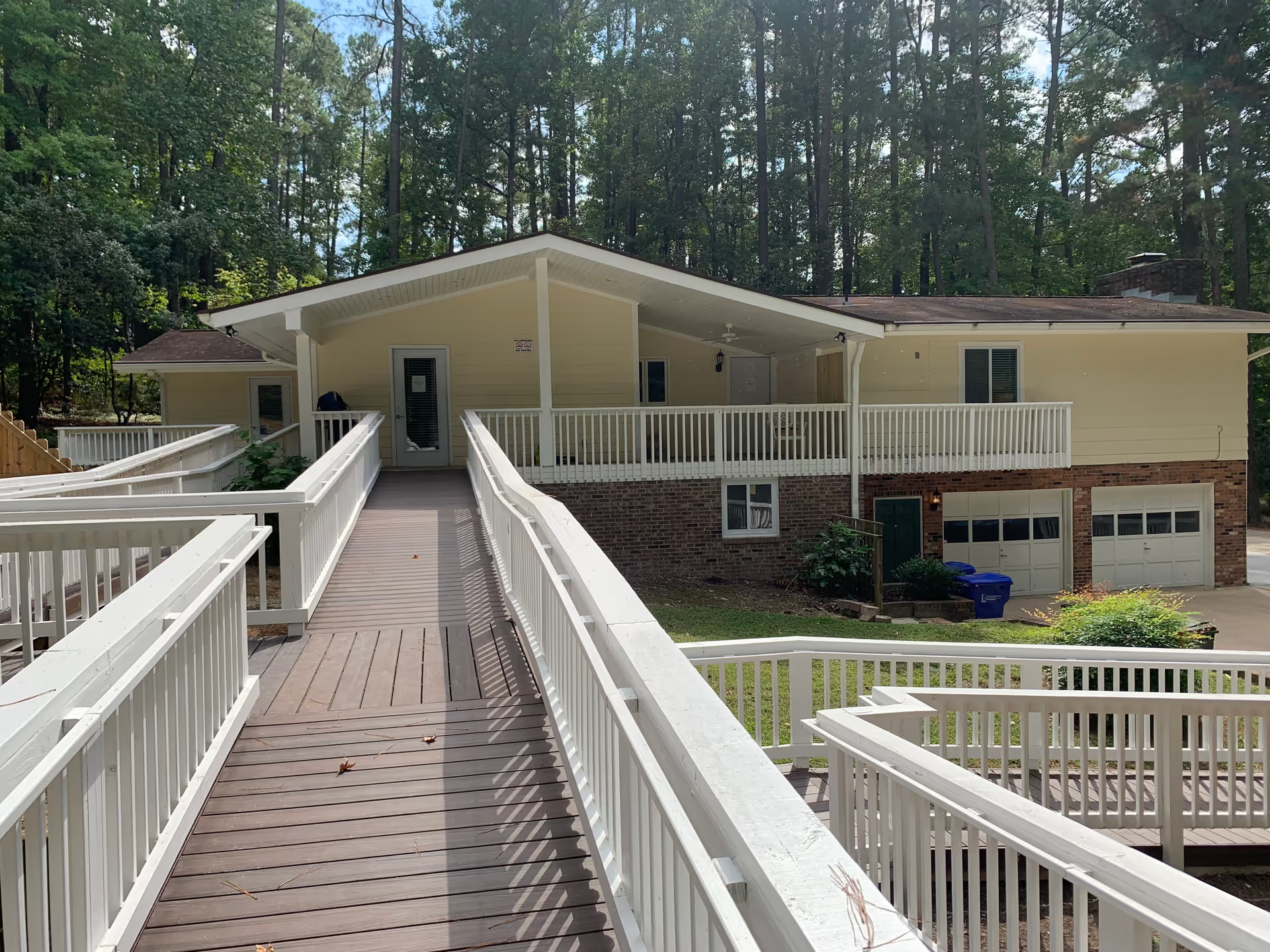
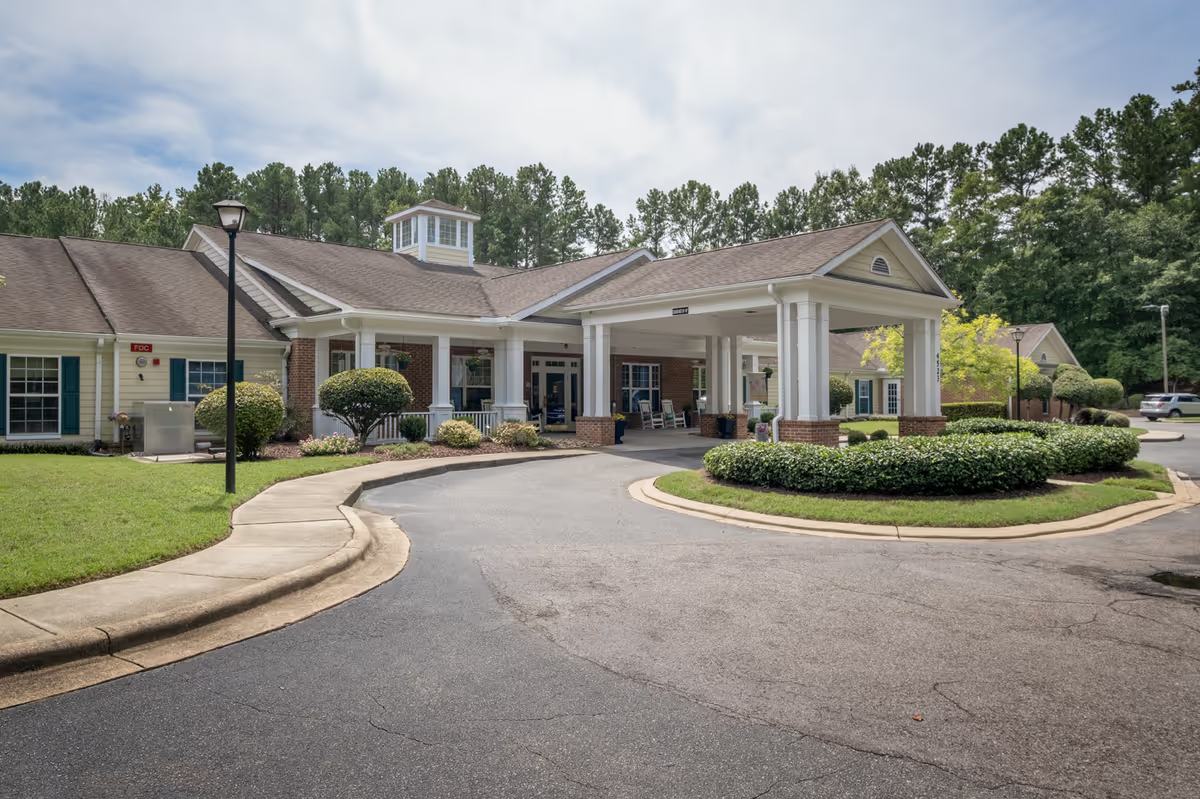
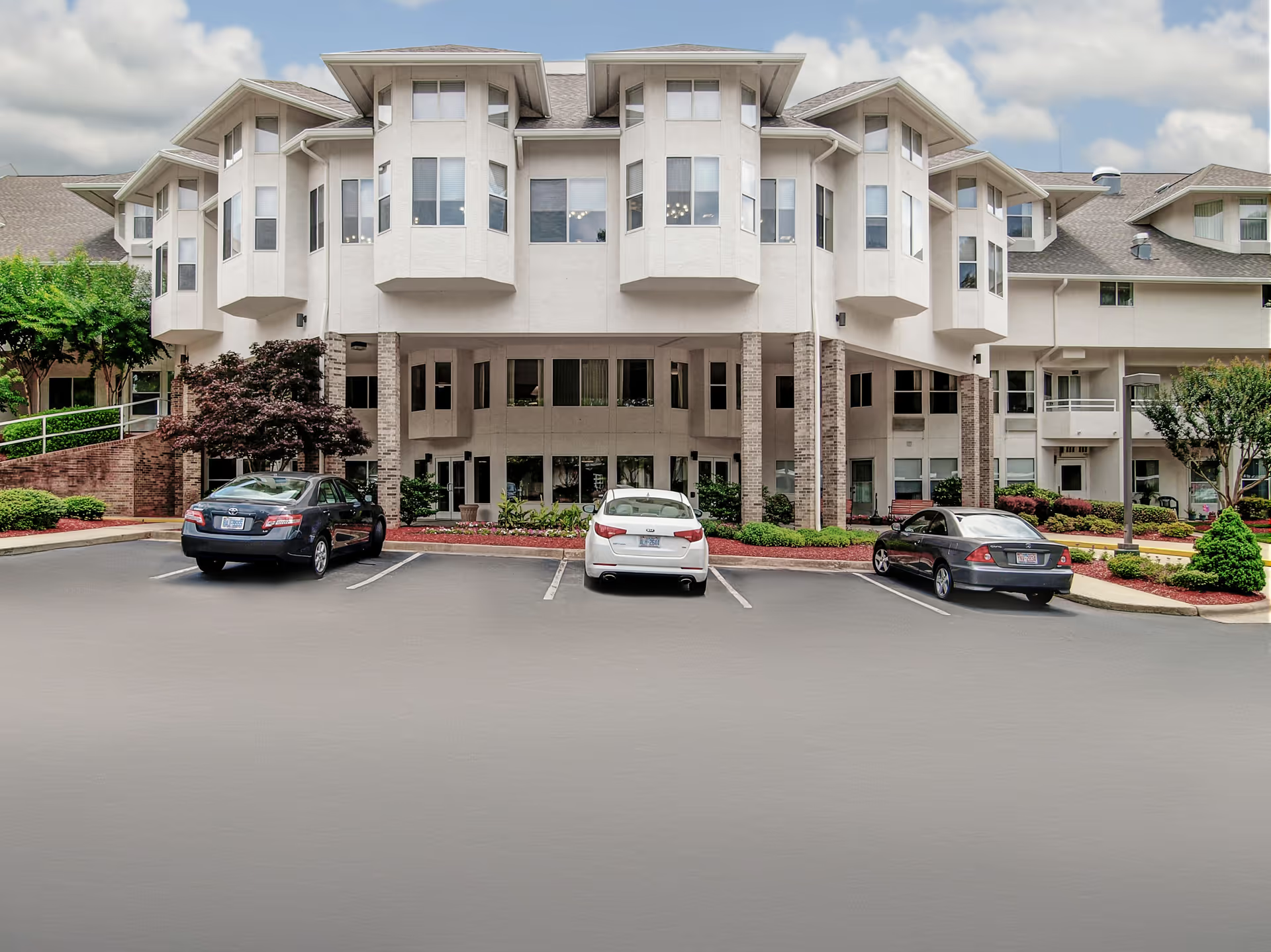
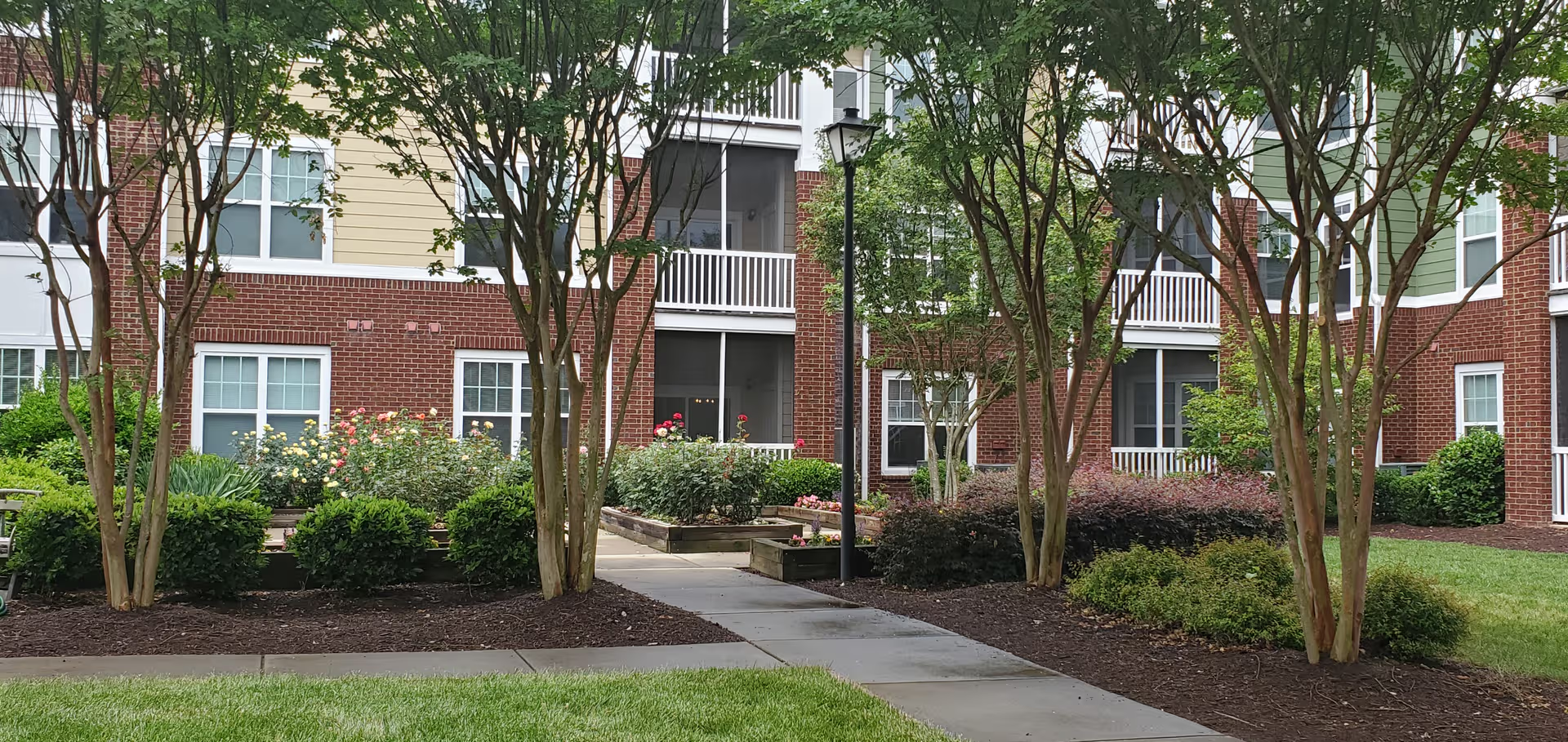
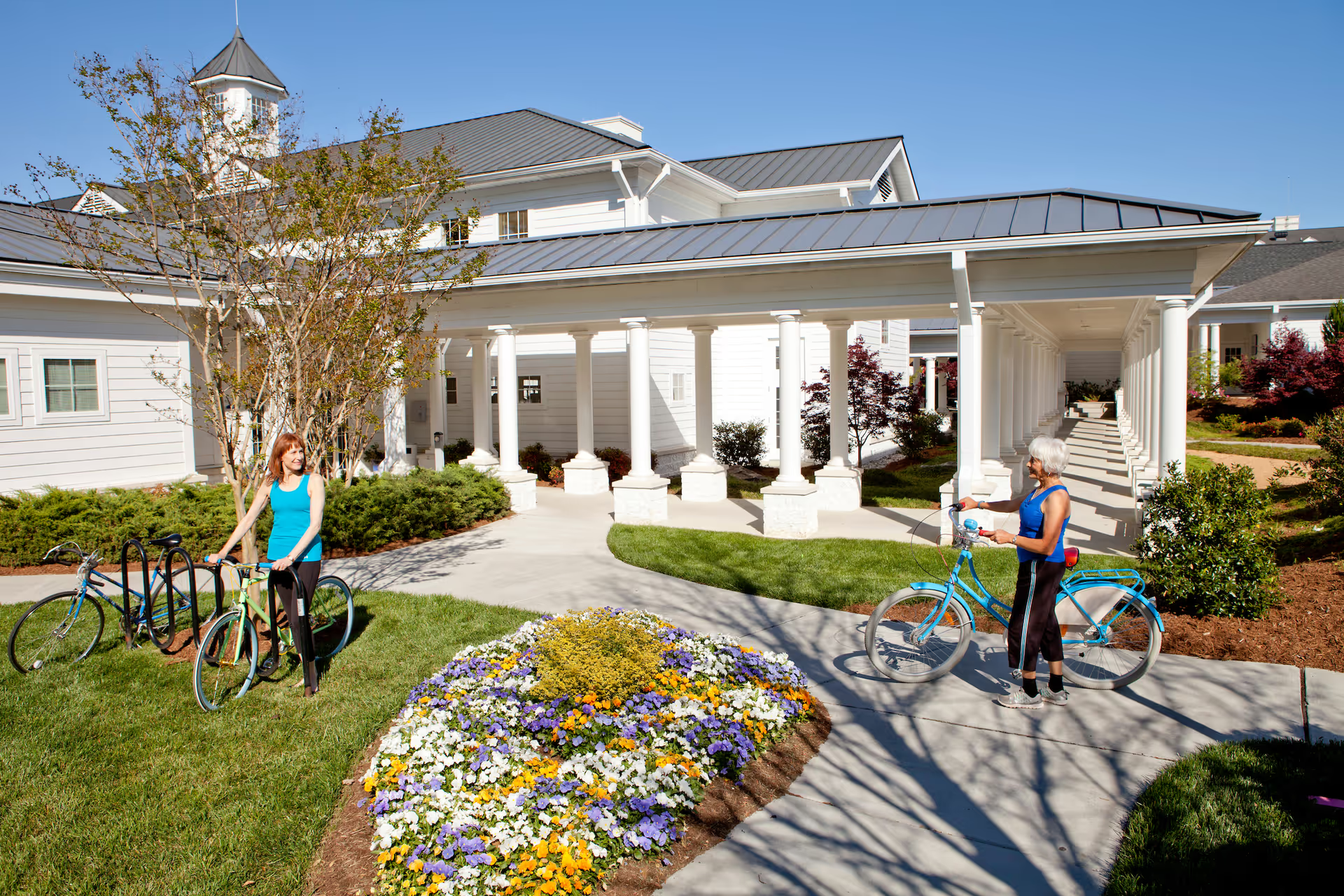
Azalea Estates presents as a new, well-appointed senior living community with a strong emphasis on communal amenities and resident engagement. The building design and public spaces are frequently described as bright, clean, and thoughtfully decorated; common areas include a full-featured movie theater with traditional seating and popcorn machine, library, chapel, fitness rooms, game rooms, a multi-hole putting green, baking kitchen, and outdoor features such as raised garden beds, fenced dog exercise areas, firepit, and private patios for some units. The community model emphasizes an active independent-living experience with transportation services, trips, and many scheduled activities that encourage socialization.
Staff and clinical supports are a prominent strength for many residents: reviewers consistently note friendly, personable front-line staff, housekeepers, maintenance personnel, and specific managers who take active roles in resident satisfaction. The presence of on-site therapists (physical, occupational, speech) and affordable personal-care options is a practical advantage for residents who want to preserve independence while having clinical supports available. Many residents cite a welcoming atmosphere and a strong sense of community tied to visible staff engagement and active programming.
Dining is positioned as a community focal point, with table-service restaurant-style meals offered three times daily and snacks available; several reviewers described dining as a positive aspect of daily life. However, there is a notable pattern of inconsistent culinary performance: while some experiences are described as fine dining with excellent meals, others reference food that is high in fat, not to taste, or unevenly prepared. Operational pressures (including reported understaffing) have been associated with long meal seating times and occasional disorganization in kitchen operations, which can affect the dining experience and may contribute to concerns about weight gain for less active residents.
Activities programming is robust and varied, with an active activities director, arts and crafts, billiards, shuffleboard, and frequent outings. These offerings and the abundance of public spaces appear to support high resident engagement and a lively social environment. Apartment configurations vary: some units are described as larger with generous patios, while other unit types are small and include compact kitchenettes with limited cooking capability (cooktops available but ovens primarily in common bistro areas). The community operates with a month-to-month rental model and no buy-in, which may appeal to residents seeking flexibility, though several reviewers felt that costs have increased over time and questioned the value relative to rising fees.
Operationally, the facility is generally seen as well-maintained and clean, and the smoke-free environment is often noted. Counterbalancing these positives are recurring operational concerns: staffing shortages and turnover (both in management and kitchen staff) have been associated with inconsistent service levels, supply-management problems in food service, and variable staff conduct. There are also isolated but strong criticisms describing unprofessional behavior and favoritism within management; such allegations have been raised by reviewers and suggest the importance of evaluating leadership stability and staff culture. Construction-phase disruptions have at times affected access and convenience during move-in or visits.
Overall, Azalea Estates is likely to suit prospective residents and families who prioritize modern amenities, active programming, on-site therapy services, and a community-oriented atmosphere. Prospective residents should balance these strengths against operational considerations: confirm current staffing levels and turnover rates, review the culinary program and sample menus, clarify fee structures and recent increases, and inspect unit layouts to ensure the in-unit kitchen and living space meet personal needs. A site visit focusing on meal service at peak times, interaction with management, and recent resident-family communications will help assess whether the community’s day-to-day operations align with expectations.