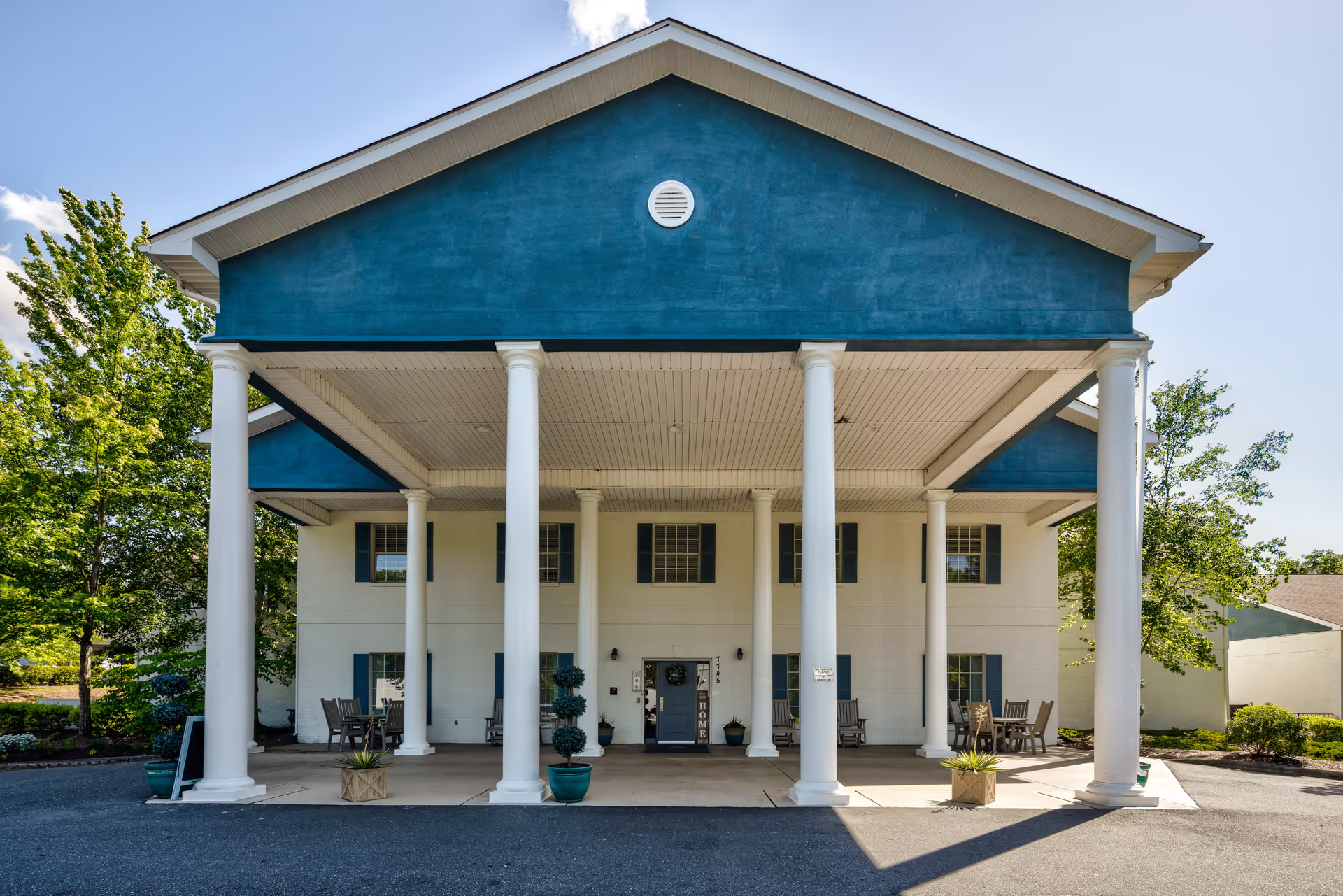
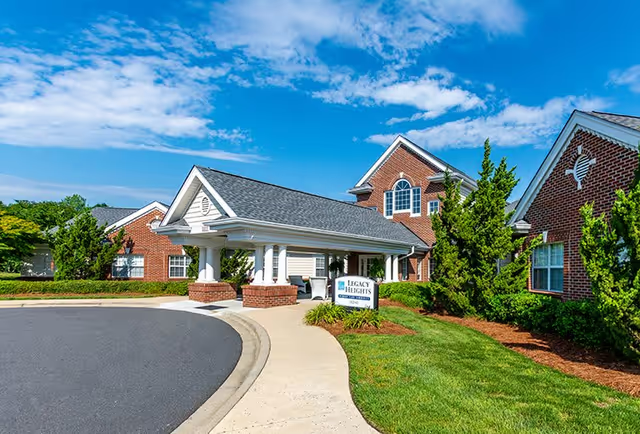
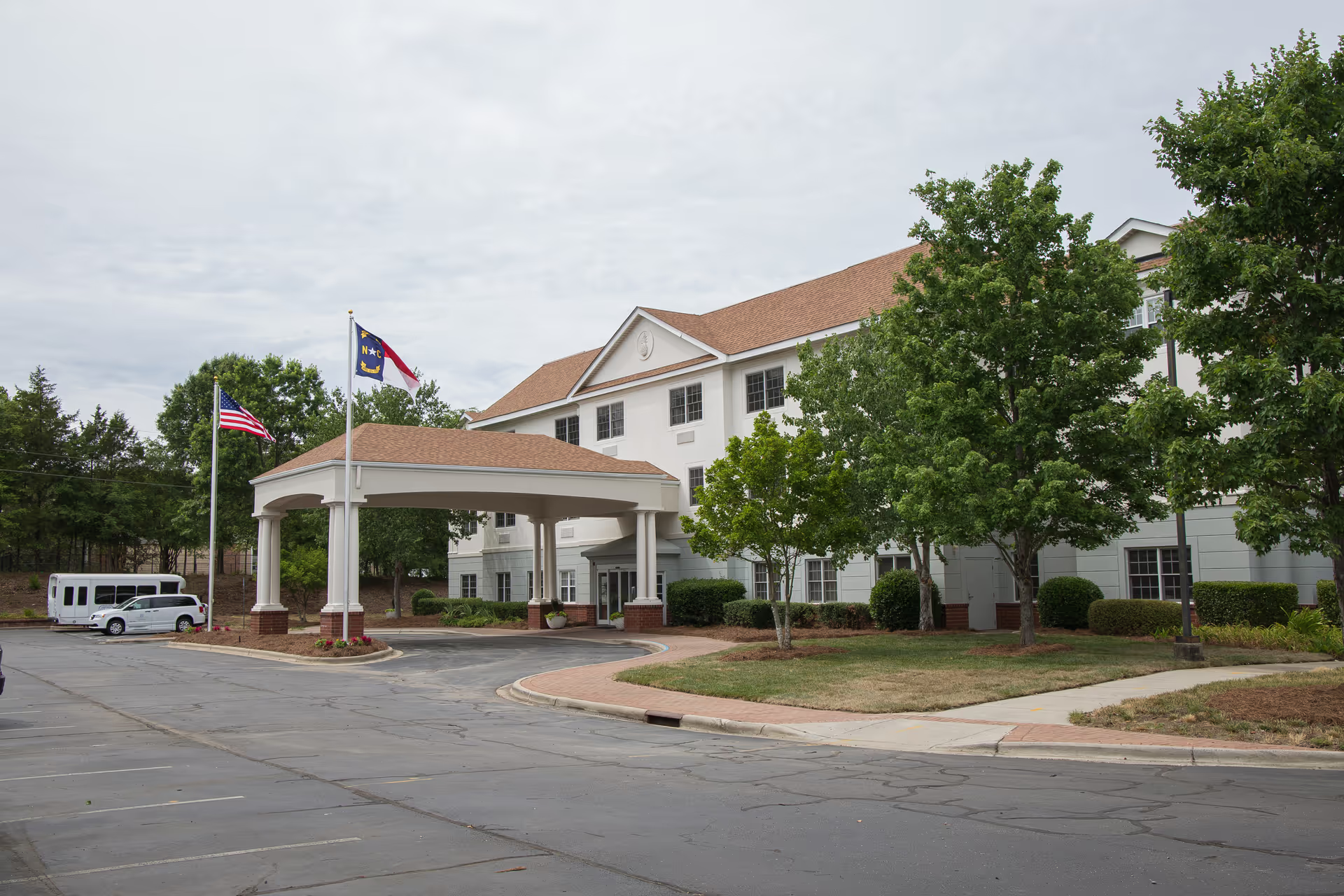
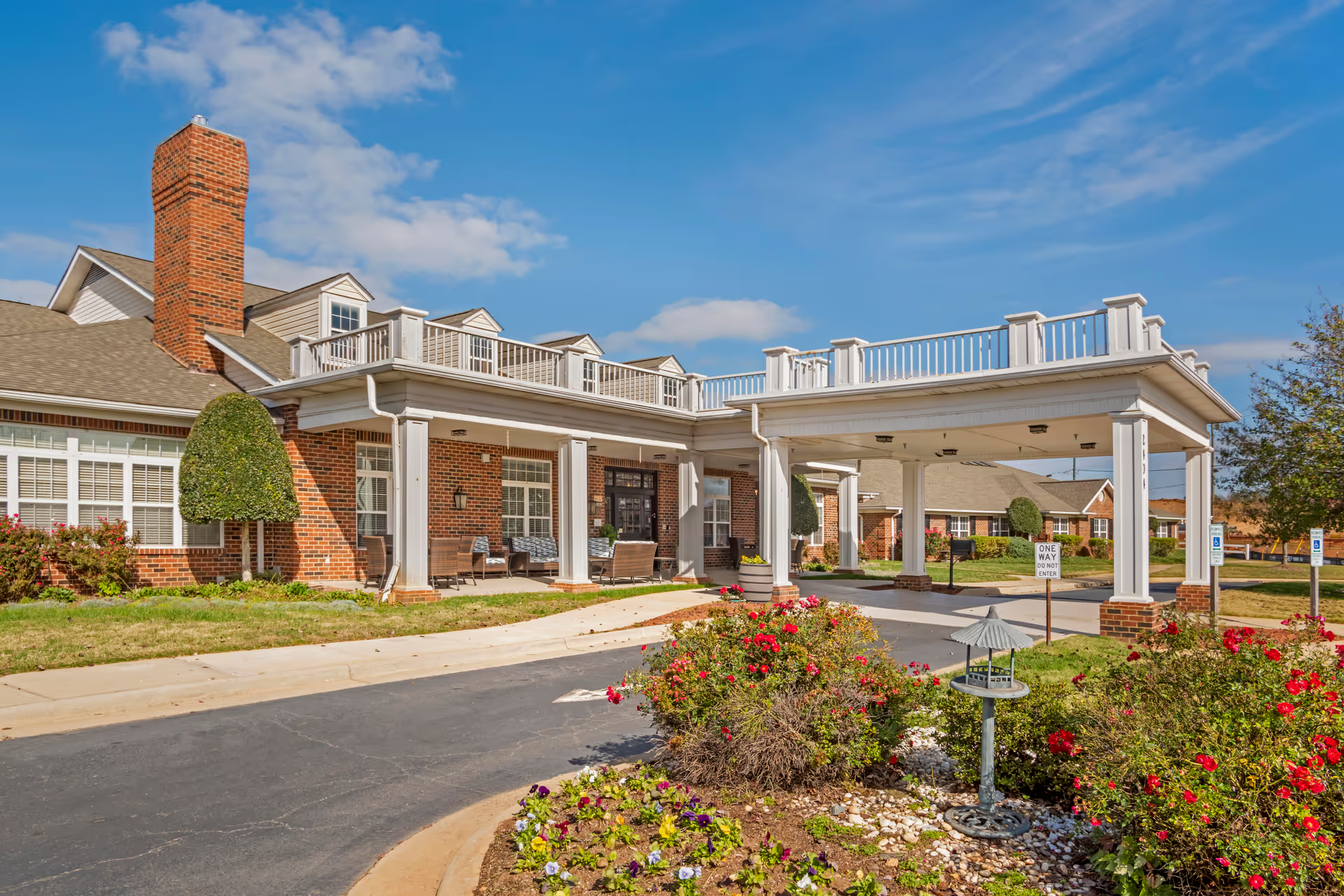
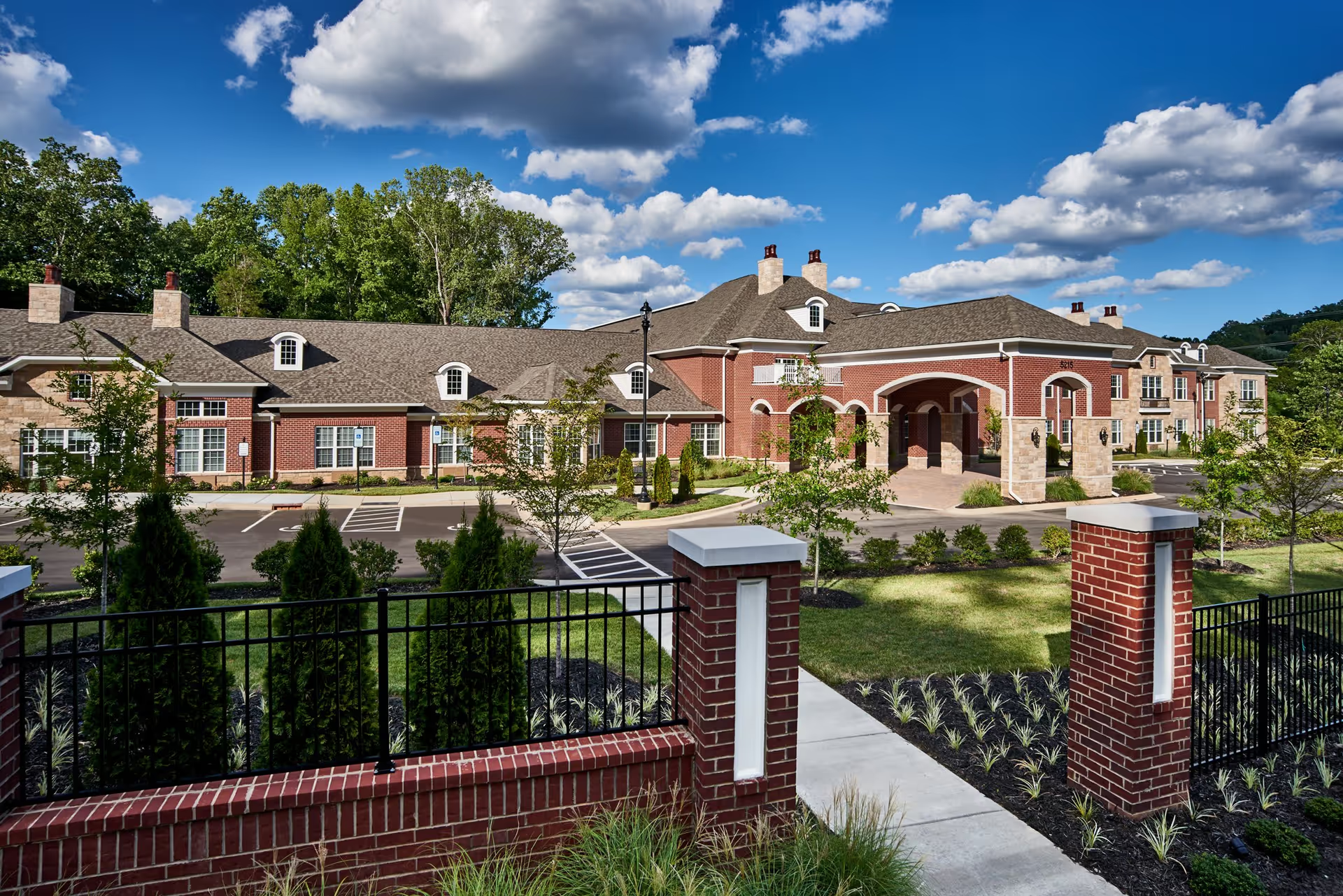
Brookdale South Charlotte presents a mixed but informative profile for prospective residents and families. Strengths repeatedly noted include a warm, caregiving culture: staff are frequently described as compassionate, friendly, and attentive, with leadership seen as responsive and engaged. The property and grounds are generally well kept, with several recently renovated apartments, spacious rooms, opportunities for personalization, and a smaller, homelike dining environment. The community’s memory-care neighborhood (Clare Bridge) is characterized as a secure, cottage-like small-group setting. Operational positives also include reliable transportation to appointments, active nursing-director involvement, hospice coordination and family-centered discharge planning, and a successful state inspection grade.
Care quality and staffing show both positives and concerns. Families and visitors often praise individual caregivers and the engagement of nursing leadership; however, there is a recurrent pattern of inconsistent staffing levels and turnover that correlates with delays in assistance, uneven delivery of personal-care tasks, and variable activity participation. Several accounts raise concerns about medication-administration consistency and clinical follow-up timing; these are described as operational gaps rather than uniform practice, but they are sufficiently frequent that they warrant direct inquiry during a tour and when reviewing care plans.
Dining and activities offer a mixed experience. The dining rooms are described as pleasant and restaurant-style, and many residents enjoy the social aspects of meals. At the same time, multiple comments point to bland or repetitive menu choices, limited variety, and occasionally slow service. Programming is robust in some areas—exercise classes, arts, trips, themed events, and memory-care group activities—but engagement levels and age-appropriateness of some activities are uneven across the community. Prospective residents should ask for a current activity calendar and observe programming during a visit.
Facility condition and maintenance are generally positive in public spaces and outdoor areas, yet reviewers note localized maintenance lapses: burned-out lighting, carpet wear, water-damage signs, and occasional odor or sanitation concerns in some rooms or corridors. There are also mentions of pest-control issues in specific units. Accessibility is a practical consideration for some families: the three-story layout and certain second-floor rooms were described as less convenient for residents with mobility limitations.
Management and value considerations are mixed. Leadership is often commended for responsiveness and family outreach, and the community has demonstrated flexibility with vacancies and concessions at times. At the same time, several families described unclear fee structures, perception of high overall cost, and inconsistent administrative communication or billing follow-up. A small number of accounts describe alleged serious safety incidents related to transfers or transport; these are not presented as systemic but are significant enough that families should request details on safety protocols, incident history, and staff training during their evaluation.
Overall, Brookdale South Charlotte offers many attributes families seek—compassionate staff, a homelike dining environment, active programming, and well-maintained grounds—paired with operational challenges around staffing consistency, certain maintenance and sanitation issues, food variety, and administrative transparency. Prospective residents should schedule an in-person visit during an activity period, review current staffing patterns and medication/incident protocols, and obtain clear written explanations of fees and available apartments to assess fit and value.