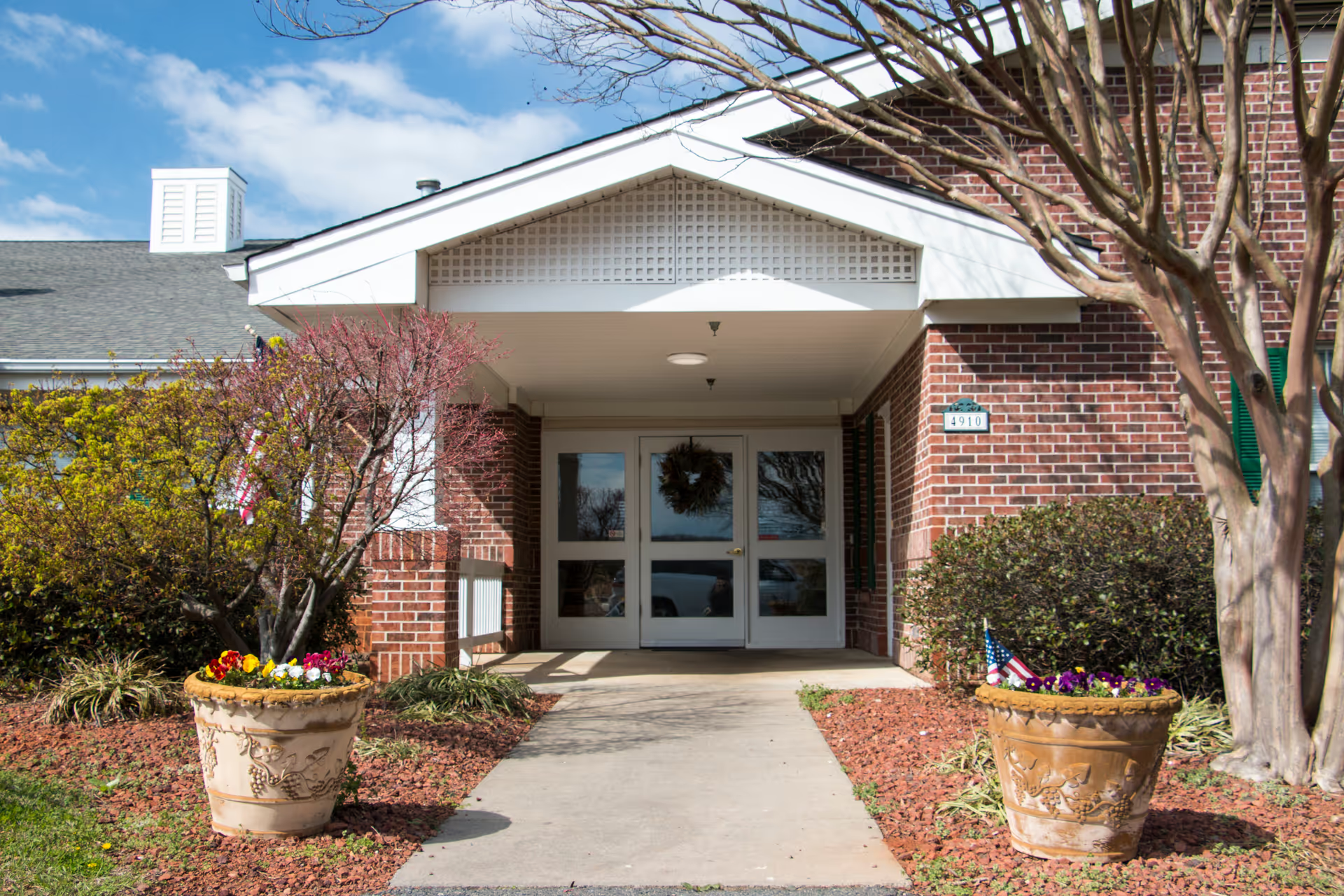
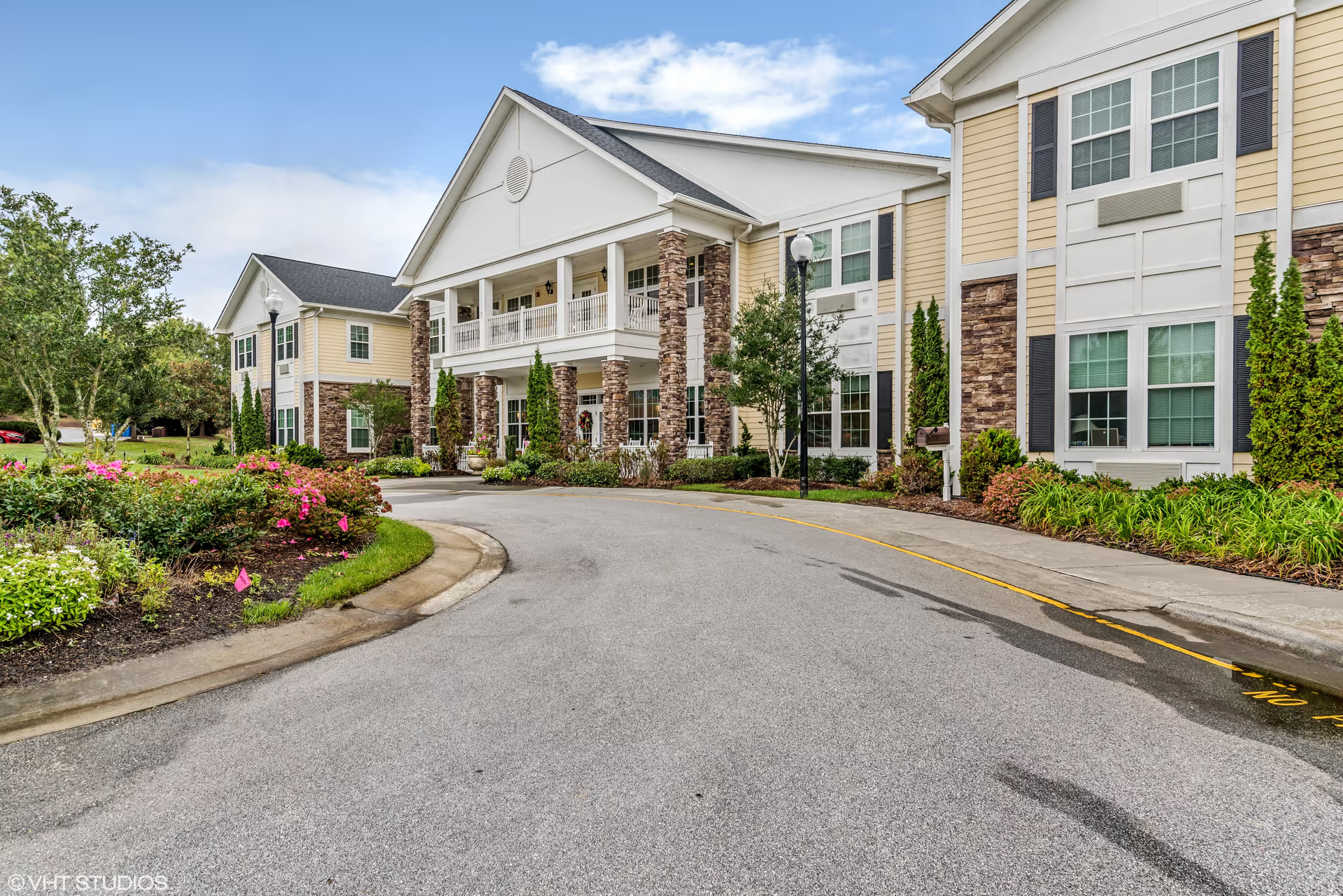
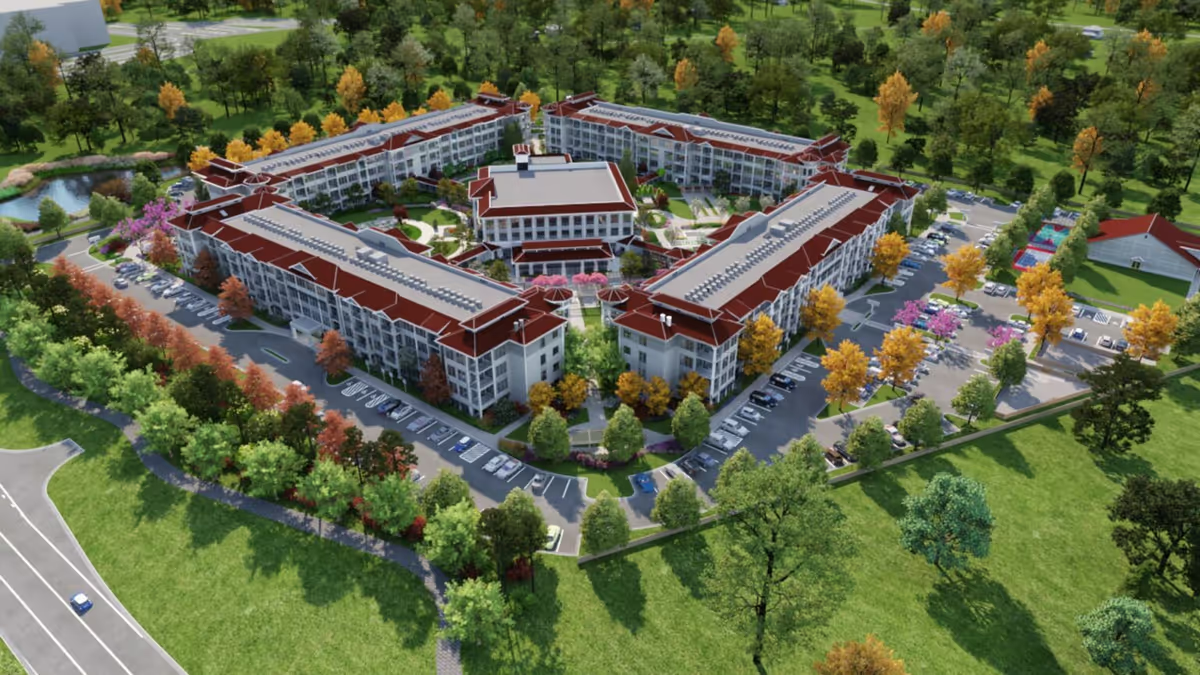
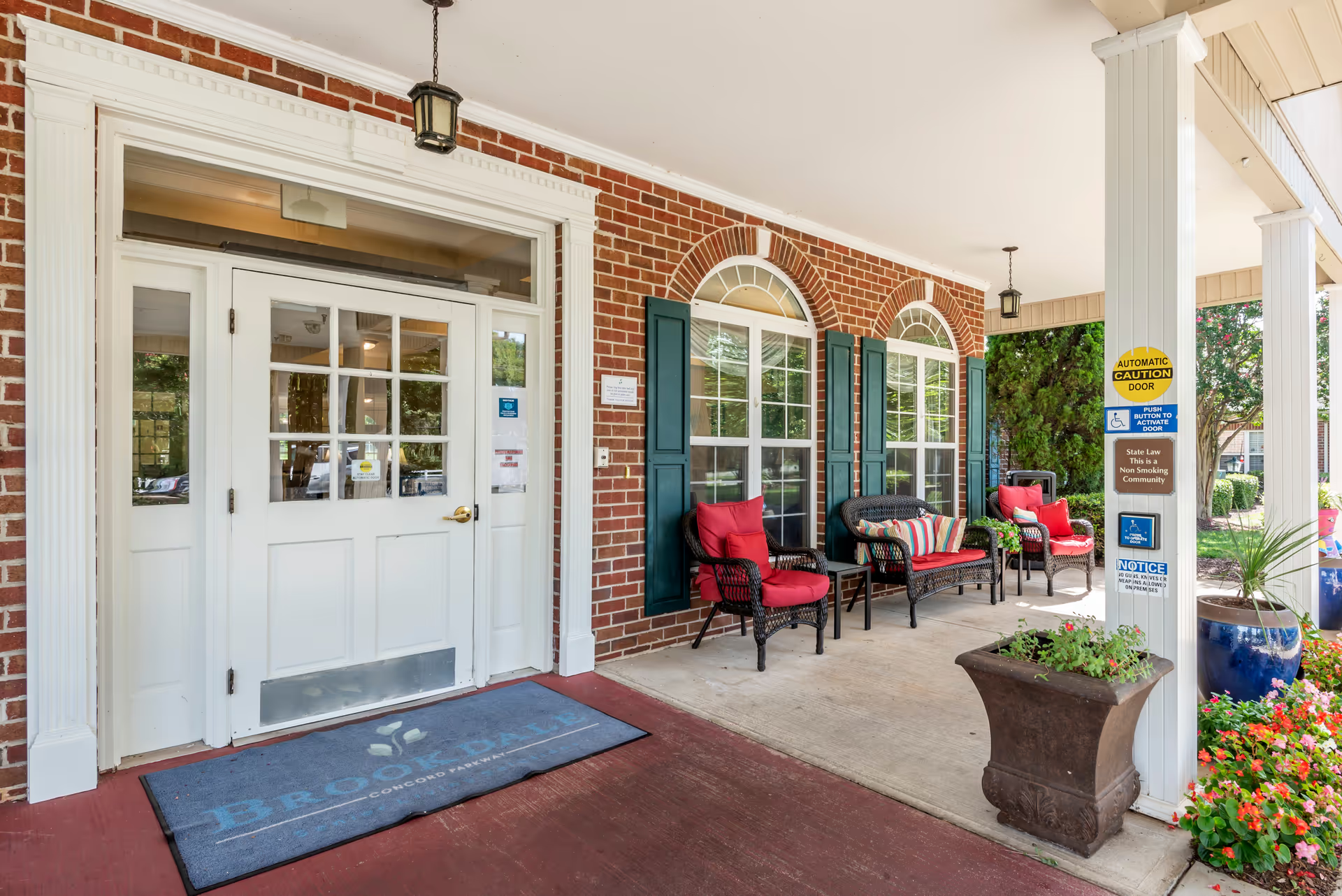
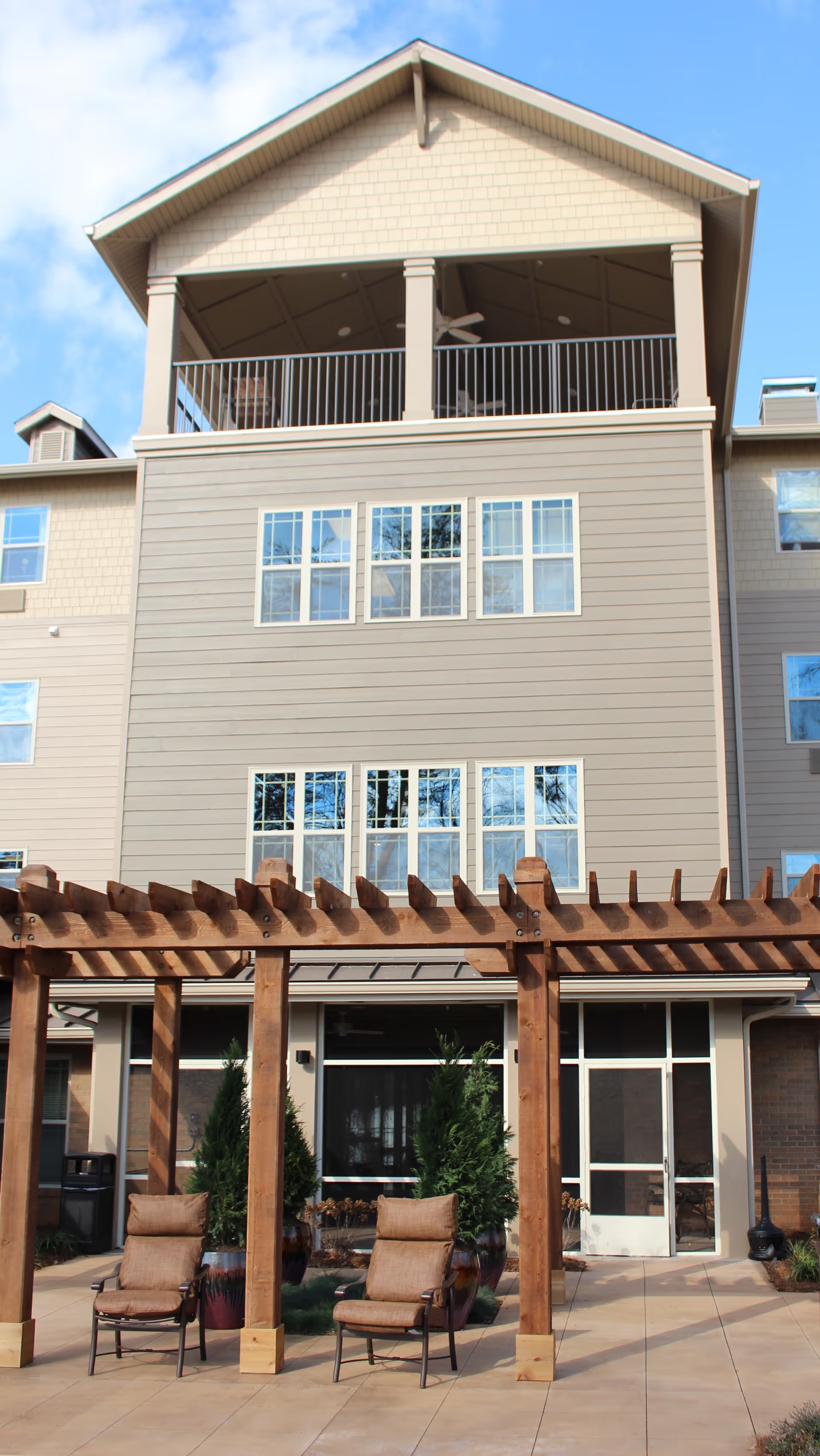
Shads Landing presents a mixed but repeatable profile: its strongest attributes are social programming, campus amenities, and frequently praised staff interactions. Many accounts describe an active social life with a broad calendar of activities (exercise, arts and crafts, bingo, outings) and multiple common spaces such as dining rooms, library, media and game rooms, a chapel, and beauty salon. The grounds, landscaping, and on-site services (transportation/shuttle, accommodation for visiting providers, and varied apartment floor plans) are also commonly cited as positive factors for prospective independent-living residents.
Care and staff: Staff are often described as caring, helpful, and professional, with specific praise for individual leaders and admissions personnel who provide thorough tours and supportive family communication. At the same time, there is a clear pattern of operational strain: understaffing and staff turnover are recurring themes that correlate with uneven coverage, slower response to maintenance and housekeeping requests, and variability in staff conduct and communication tone. Families should verify current staffing ratios and the availability of assisted-care services if a resident’s needs may increase; several reviewers noted that the community primarily functions as independent living and may be less well suited for residents needing higher levels of personal care.
Dining: Dining receives mixed feedback. Positive comments reference appetizing presentation, daily entrée choices, and adequate portion sizes. Contrasting comments cite inconsistent food quality, long meal-service times, occasional menu substitutions or shortages, and mismatch between posted menus and what is served. Prospective residents should request a sample meal, clarify dining schedules, and ask about contingency plans for shortages or substitutions.
Activities and social life: This is a clear strength for residents seeking engagement. There are regular, varied activities, frequent outings, and an active resident community that many people describe as welcoming and social. For residents who prefer minimal activity or who need more individualized engagement, the standard activity program may feel less tailored; families should ask about options for one-on-one engagement or programs for less-mobile residents.
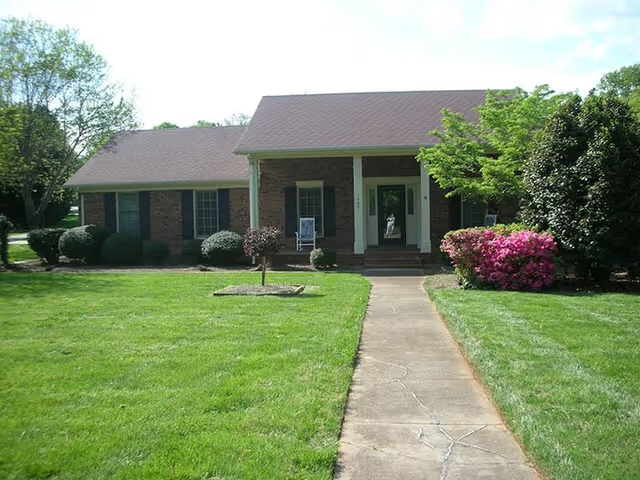
Facilities and environment: The campus and common areas are frequently described as attractive, clean, and well-kept, with planned renovations in parts of the building. However, unit-level conditions are variable: some apartments and interiors are described as dated or small, and there are notes about limited in-unit climate control and balcony/room cleaning inconsistencies. Operational issues such as insufficient elevator capacity during busy periods, laundry access restrictions, and delayed maintenance were reported and should be clarified during a visit.
Health, safety, and sanitation: Several reviewers expressed sanitation and pest-control concerns as well as odor- and smoke-control issues in certain common areas despite a stated smoke policy. There are also a small number of serious, individual allegations regarding treatment and infection-control practices; these extraordinary claims would merit direct inquiry with management and, if appropriate, review of regulatory records. Overall, families should request information about pest control protocols, housekeeping schedules, smoking-enforcement policies, infection-prevention procedures, and staff screening/testing practices.
Management and administration: Impressions of leadership vary. Many accounts praise approachable, responsive directors and helpful admissions staff, while others cite inconsistent administrative and billing practices, corporate-level changes, and uneven enforcement of rules (for example, smoking policy). Prospective residents should carefully review contract terms (billing, move-out charges, pay-per-service items), ask about recent or planned capital improvements, and seek written clarification on policies that affect daily life.
Notable patterns and recommended next steps: The overall picture is polarized—numerous very positive experiences focused on staff, activities, and campus amenities coexist with repeated operational concerns around staffing, dining consistency, housekeeping, pest control, and administration. For families considering Shads Landing, an in-person visit is essential: sample a meal, tour the specific apartment type, observe mealtime flow and activity sessions, inquire about current staffing levels and recent turnover, request documentation of pest-control and housekeeping schedules, and obtain clear, written explanations of billing and refund policies. Those needs-matching steps will help determine whether the community’s strengths align with a prospective resident’s care requirements and lifestyle preferences.