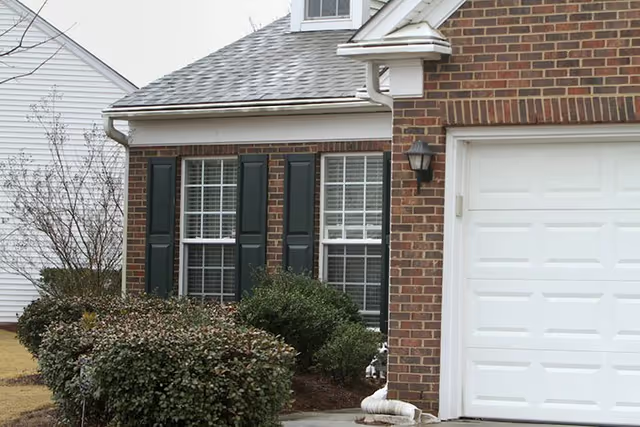
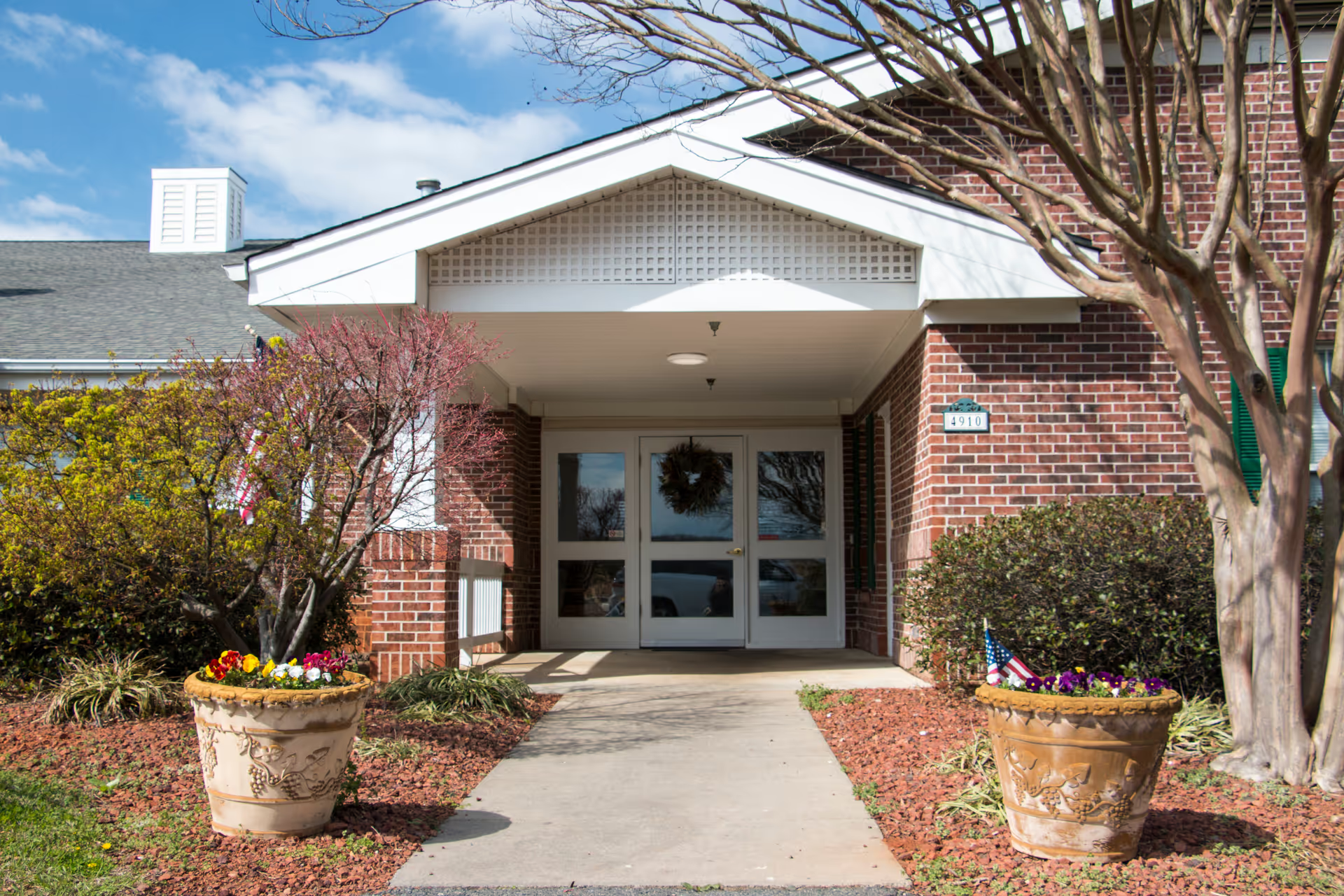
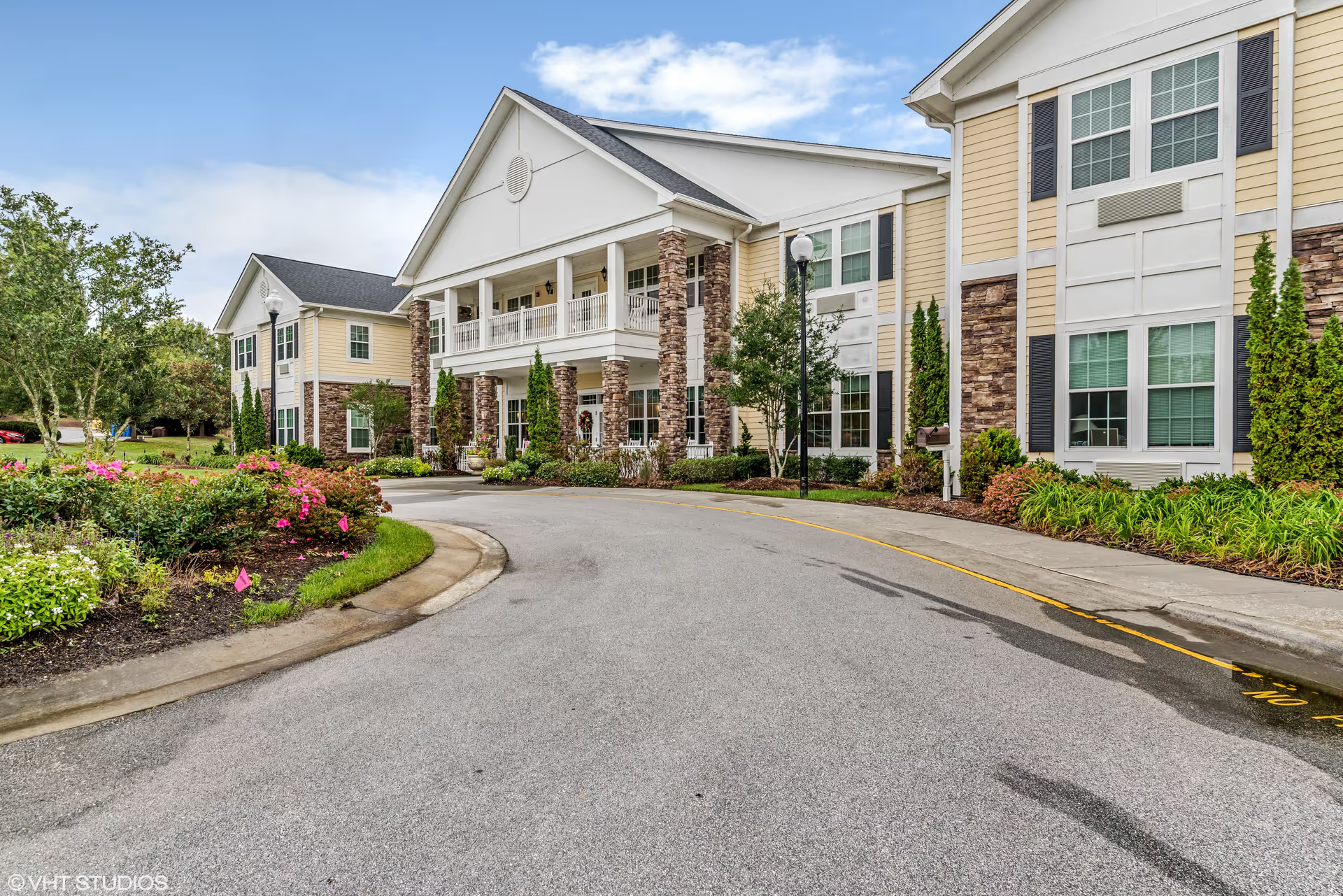
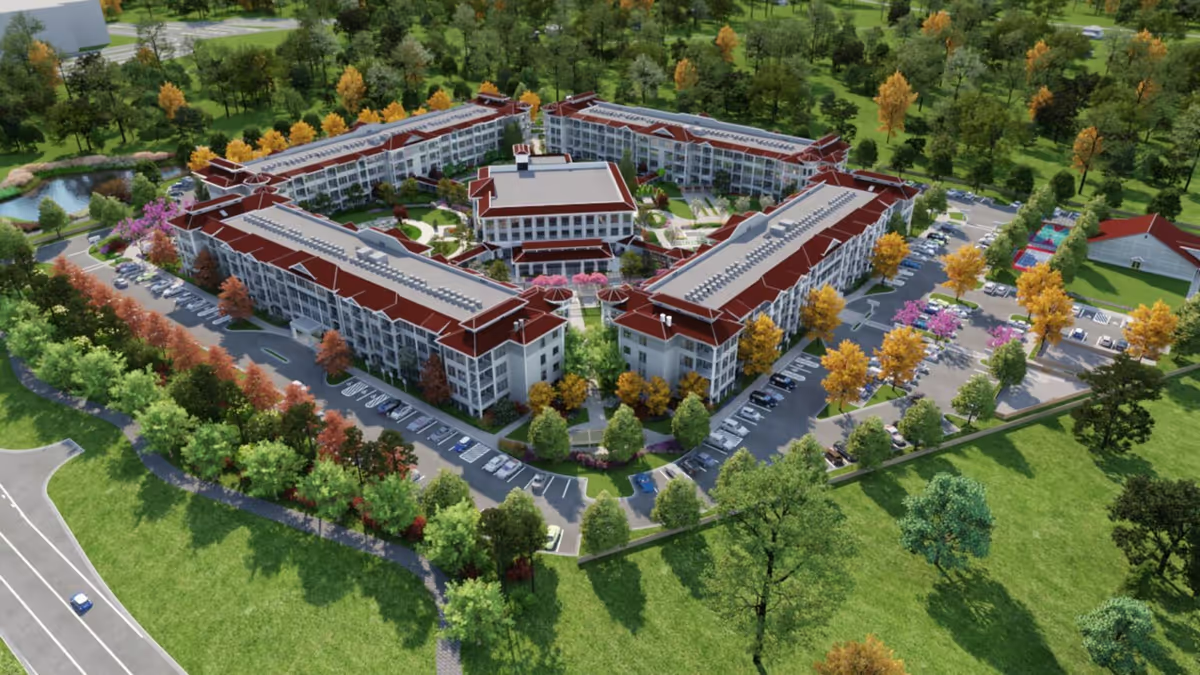
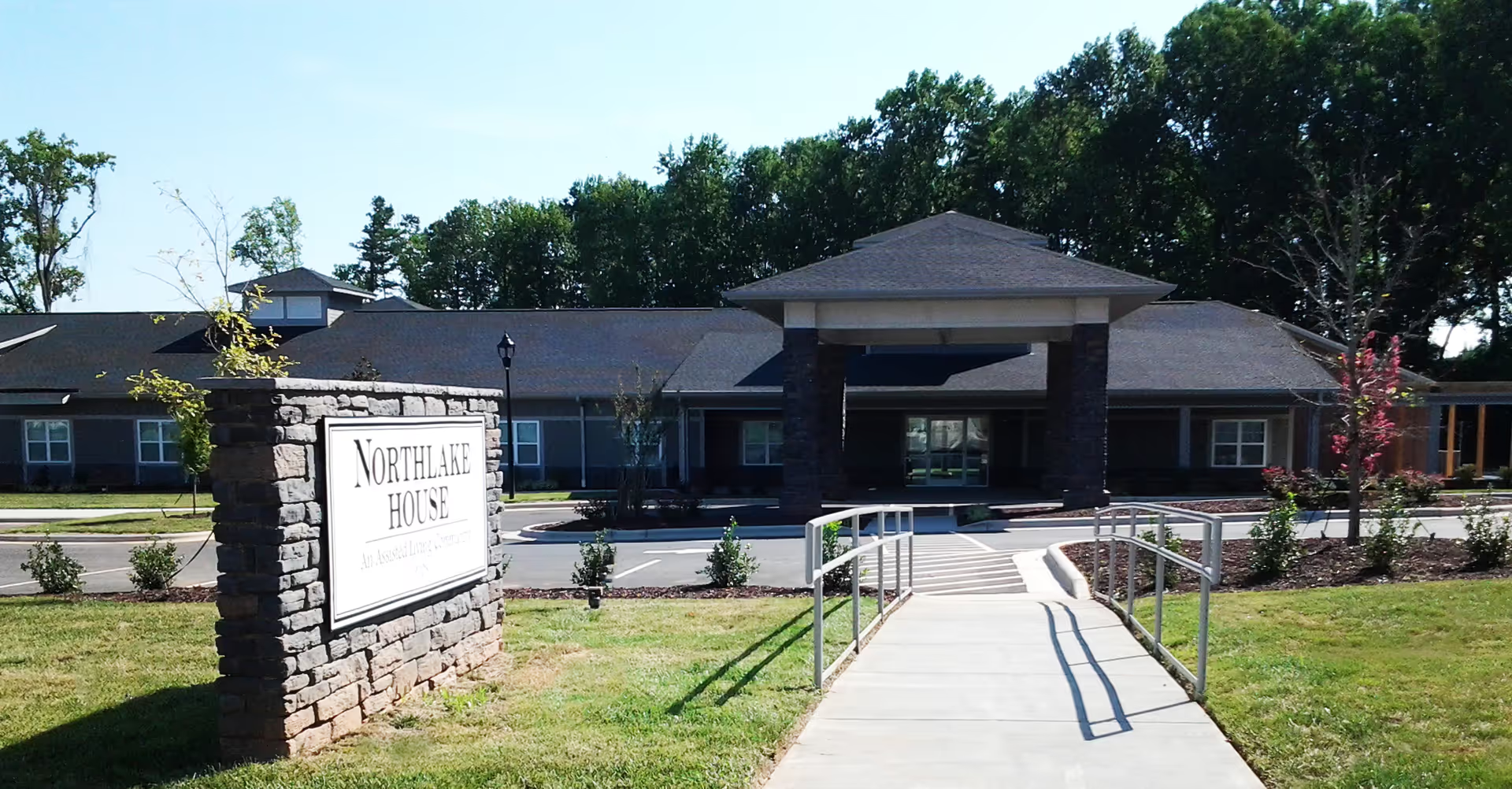
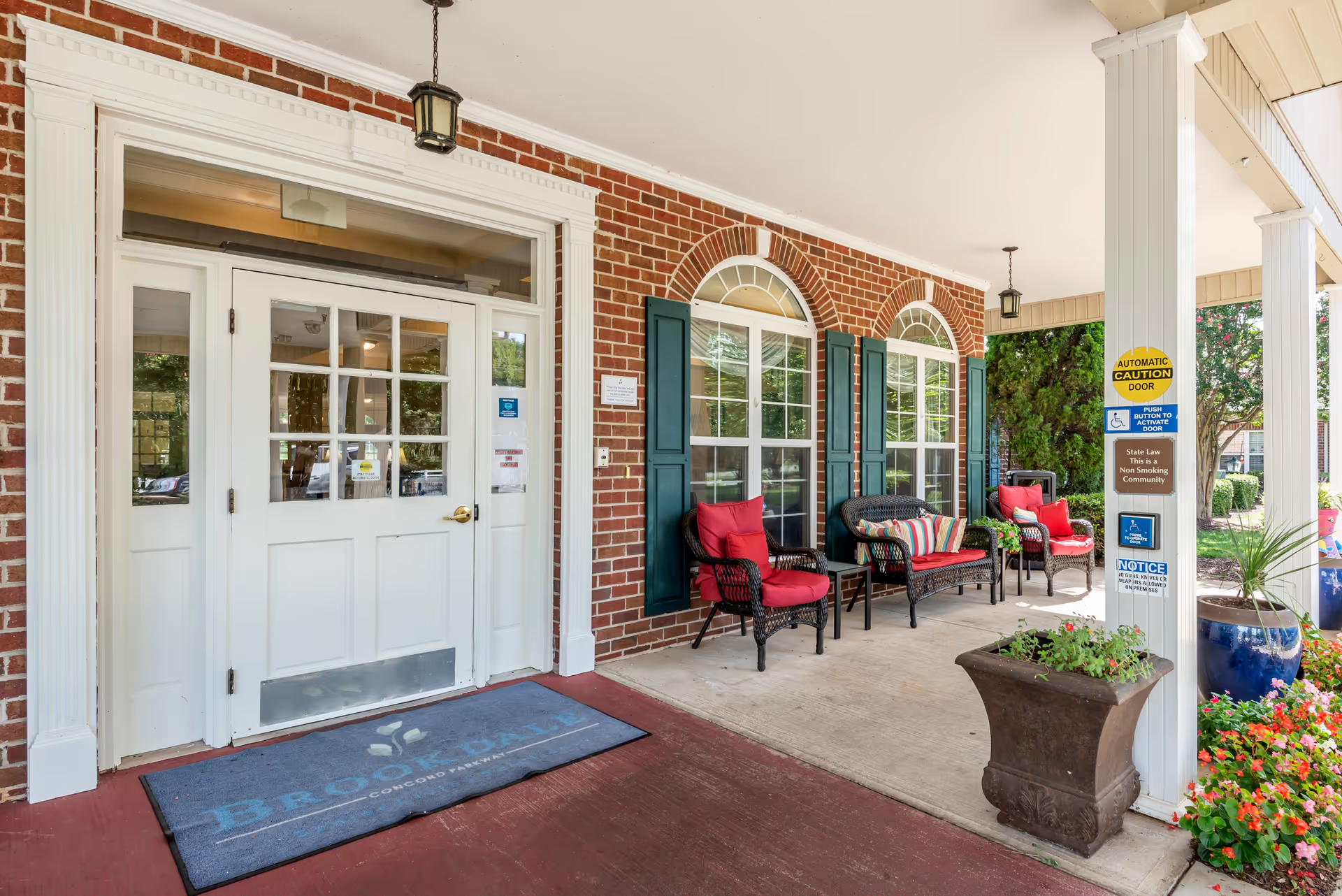
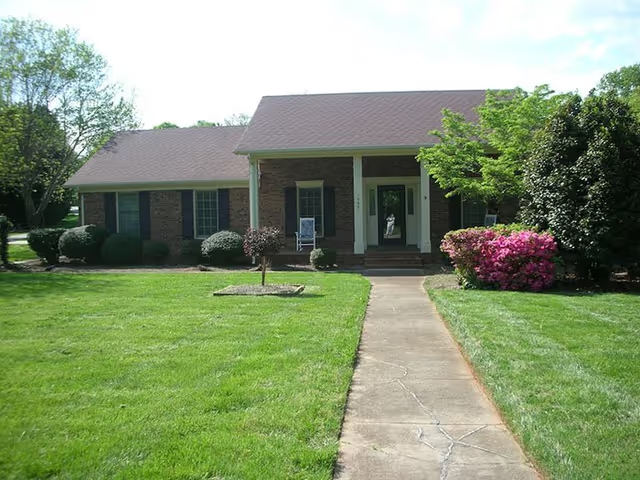
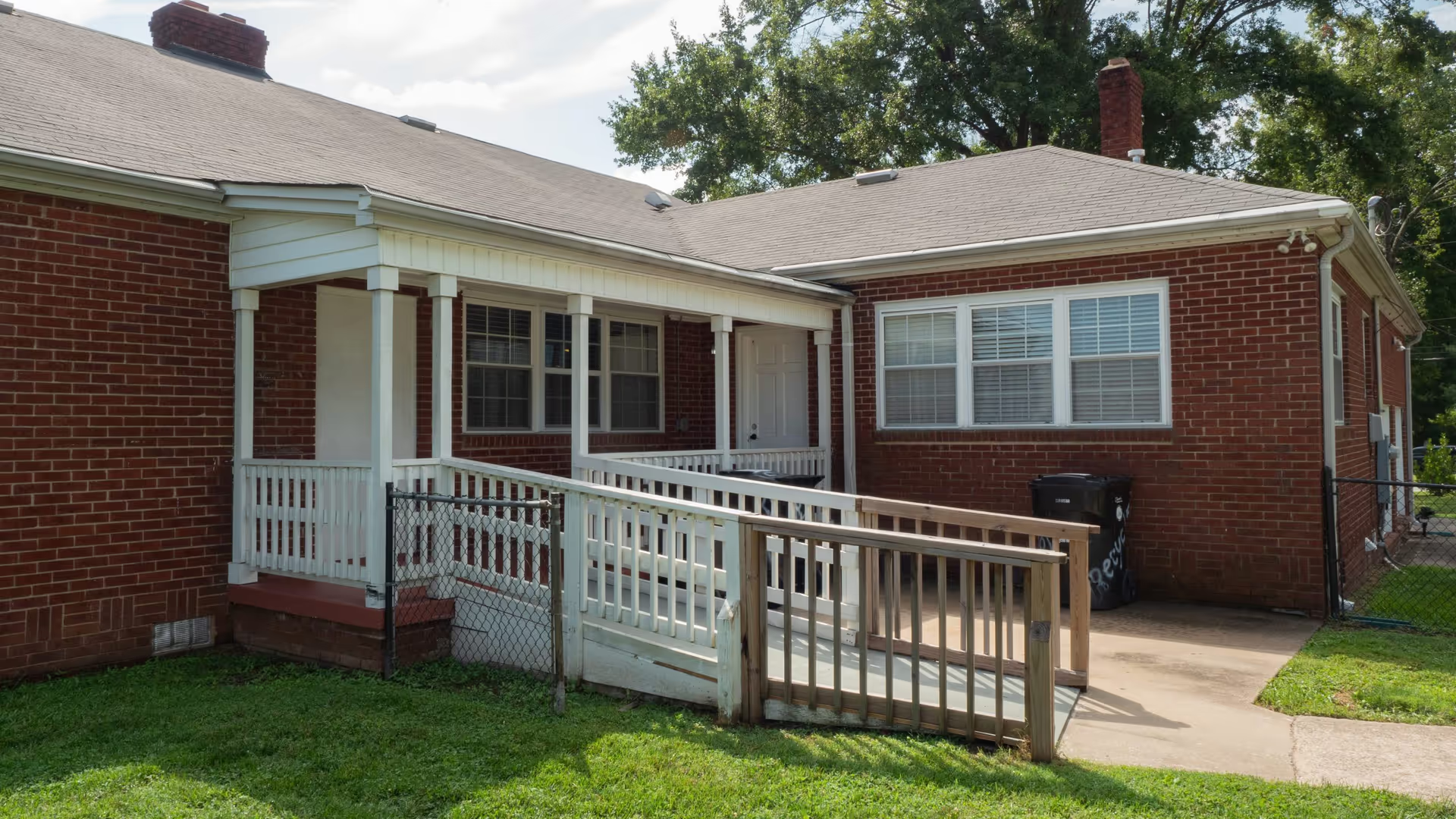
The Haven in Highland Creek presents a mixed picture. Many reviewers describe an attractive, well-appointed campus with three separate neighborhood-style areas, dedicated dining and activity spaces, and pleasant grounds and family visiting areas. Several families praised compassionate caregivers, person-centered memory-care programming, an active activities calendar (including field trips), and responsive communication during the pandemic. Those positive accounts emphasize a community feel, engaged activities staff, and continuity of programming that supports social engagement for residents.
Alongside the positive feedback there are recurring operational concerns. Staffing levels and coverage are described as inconsistent, and reviewers frequently referenced gaps in onsite clinical leadership such as limited RN presence. These staffing patterns are linked to variable responsiveness to acute resident needs and uneven personal-care and dressing practices. Several reviews also describe high staff turnover and the loss of experienced employees, which families connected to changes in day-to-day care consistency.
Facility maintenance and environmental issues are another notable pattern. Although the building and grounds are often described as initially well maintained, reviewers raised air-quality concerns tied to HVAC and maintenance lapses, as well as inconsistent cleanliness and sanitation in some resident and common areas. Some reviewers also felt that certain décor and color choices were not well matched to dementia-friendly design principles, which can affect wayfinding and comfort for memory-care residents.
Dining is organized within neighborhood dining areas, but few reviews focused on food quality specifically; the facility does provide neighborhood dining and activity spaces that support social meals. Programming and activities are a relative strength — reviewers cited individualized activities, an enthusiastic activities director, and outings that help keep residents engaged. Pricing surfaced repeatedly: the community is positioned at a higher price point, with some reviewers noting affordability concerns while others pointed out available financial-assistance resources and transparent pricing information.
Management and ownership transitions appear to be a dividing line in reviewer sentiment. Positive comments highlighted strong leadership and family-focused communication at times, while negative comments described management absence, inconsistent communication, and the perception that operational priorities shifted after a change in ownership. Several reviews referenced regulatory action (a state investigation, fines, and a temporary admissions suspension) connected to safety and supervision concerns. Given the mixed feedback, prospective families should verify current staffing ratios, RN and clinical coverage, recent regulatory or inspection history, maintenance and HVAC remediation, and observe the community at varying times of day to assess responsiveness and cleanliness. A touring family may want to ask for written staffing schedules, sample activity calendars, dementia-design accommodations, and references from recent family members to form a balanced assessment.