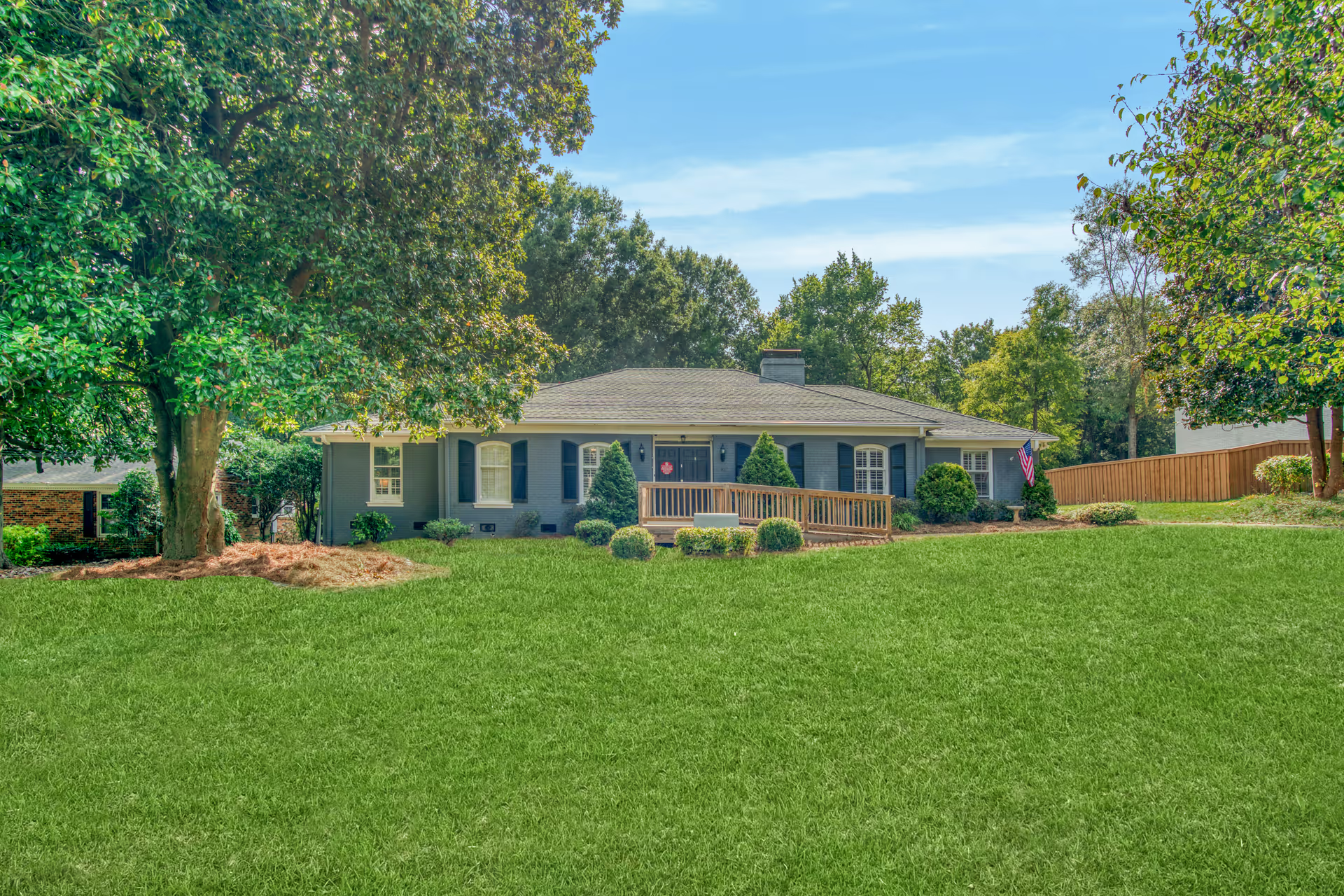
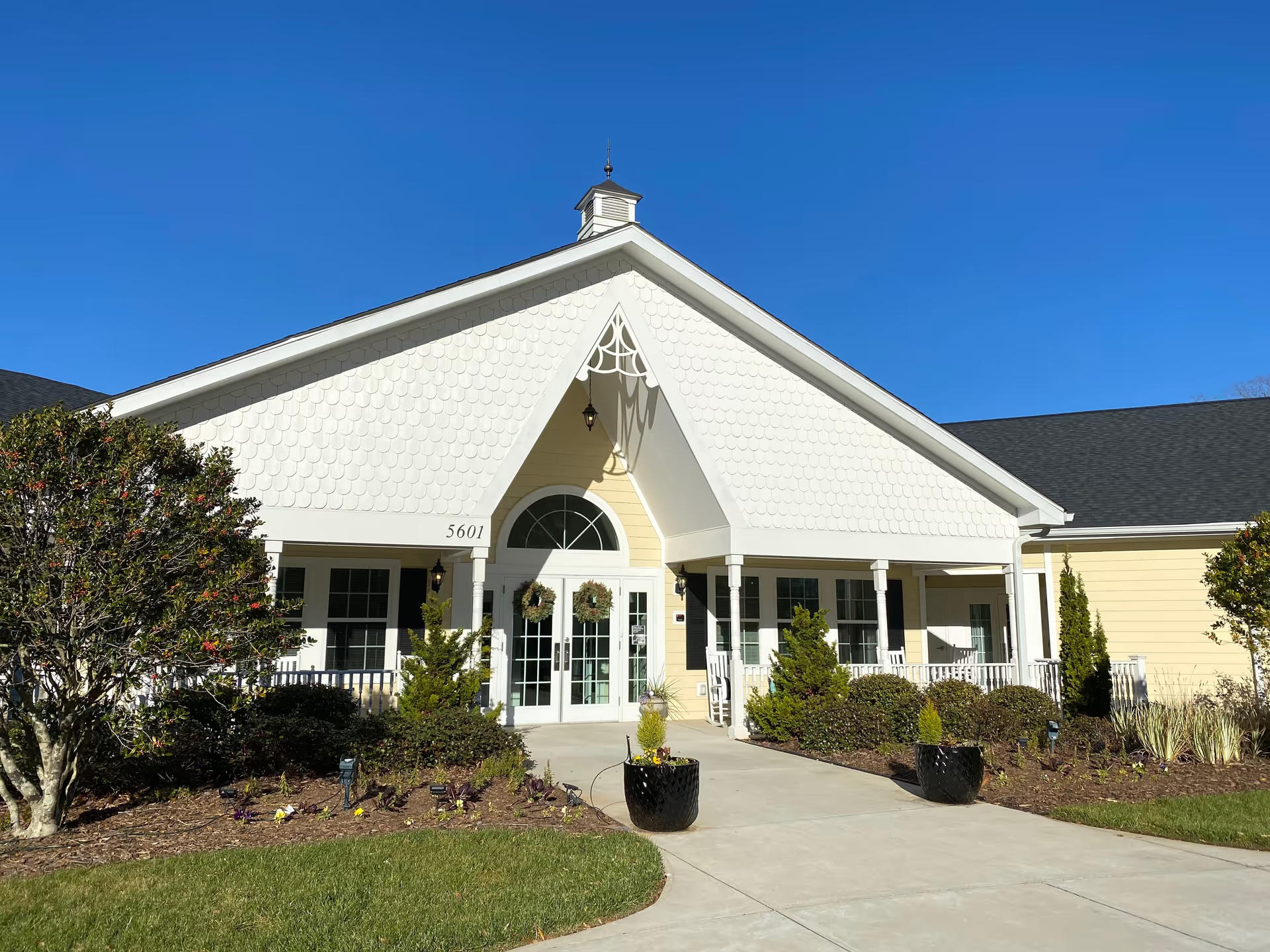
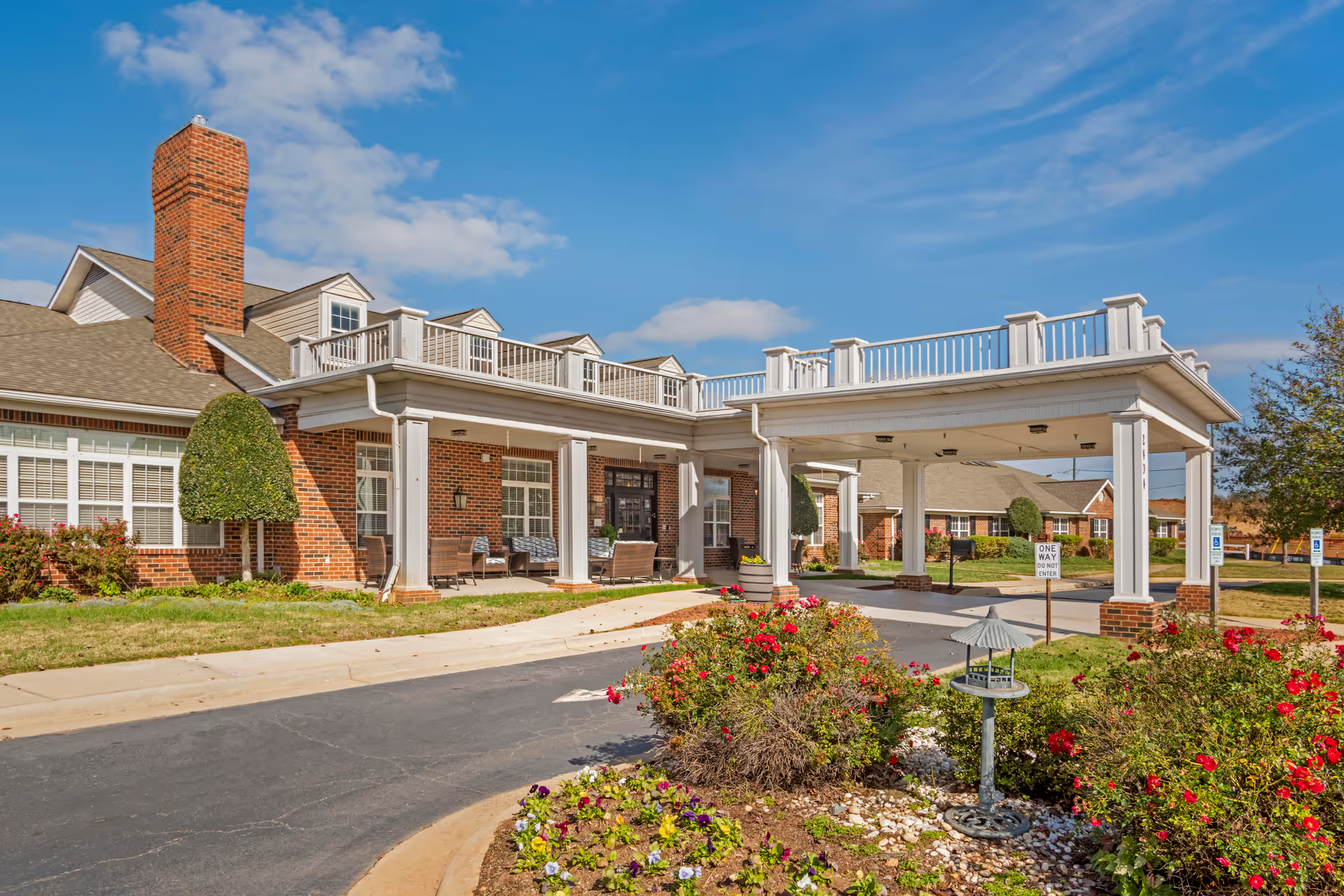
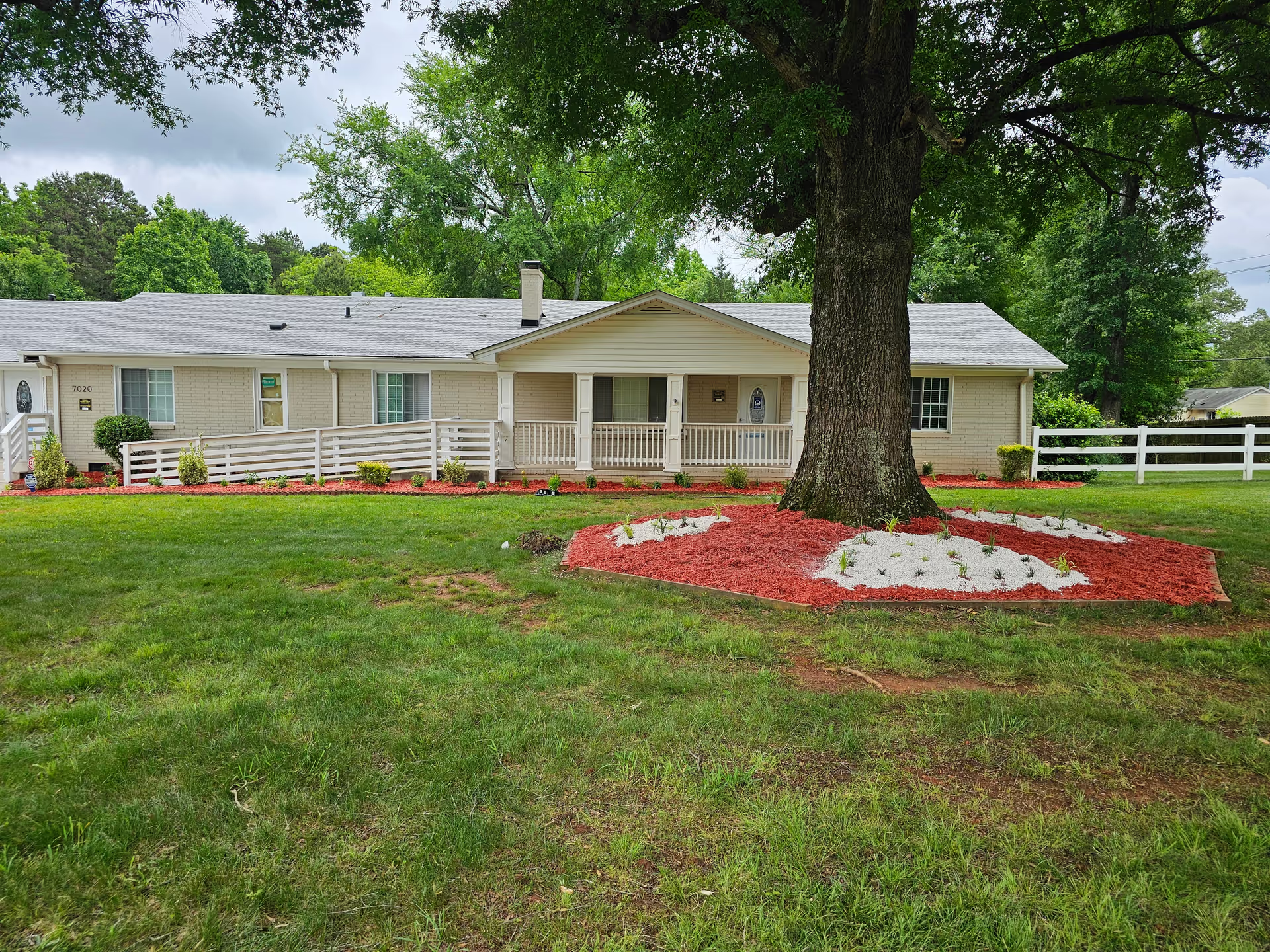
Across the review summaries, The Sanctuary at Stonehaven is portrayed as a small, boutique memory-care option that emphasizes individualized, home‑style dementia care. Families consistently describe a shift in resident wellbeing after admission: improved mood, increased independence, reduced anxiety, and more social engagement. The household model—homes limited to roughly six residents—supports frequent staff interaction, tailored routines, and a family-like atmosphere that many reviewers contrasted favorably with larger, institutional settings.
Care quality and staffing are central strengths in the reviews. Caregivers are described as compassionate, patient, and proactive; staff frequently anticipate needs, provide hands-on assistance with bathing and feeding when necessary, and communicate clinical updates to families. Reviewers highlight a low resident-to-staff ratio, active management involvement, and examples of staff staying beyond shifts when needed. Medication administration and clinical attention are characterized as reliable, and hospice and end‑of‑life support are mentioned as coordinated and communicative when applicable.
Dining and activities are also singled out positively. Meals are described as home‑cooked, resident‑preferred, and nutritionally attentive, with staff customizing favorites and accommodating textures or preferences. Programming includes music, gardening, themed holidays, physical and cognitive activities, and opportunities for family involvement and virtual visits. These offerings appear designed to maintain functioning and provide meaningful daily structure.
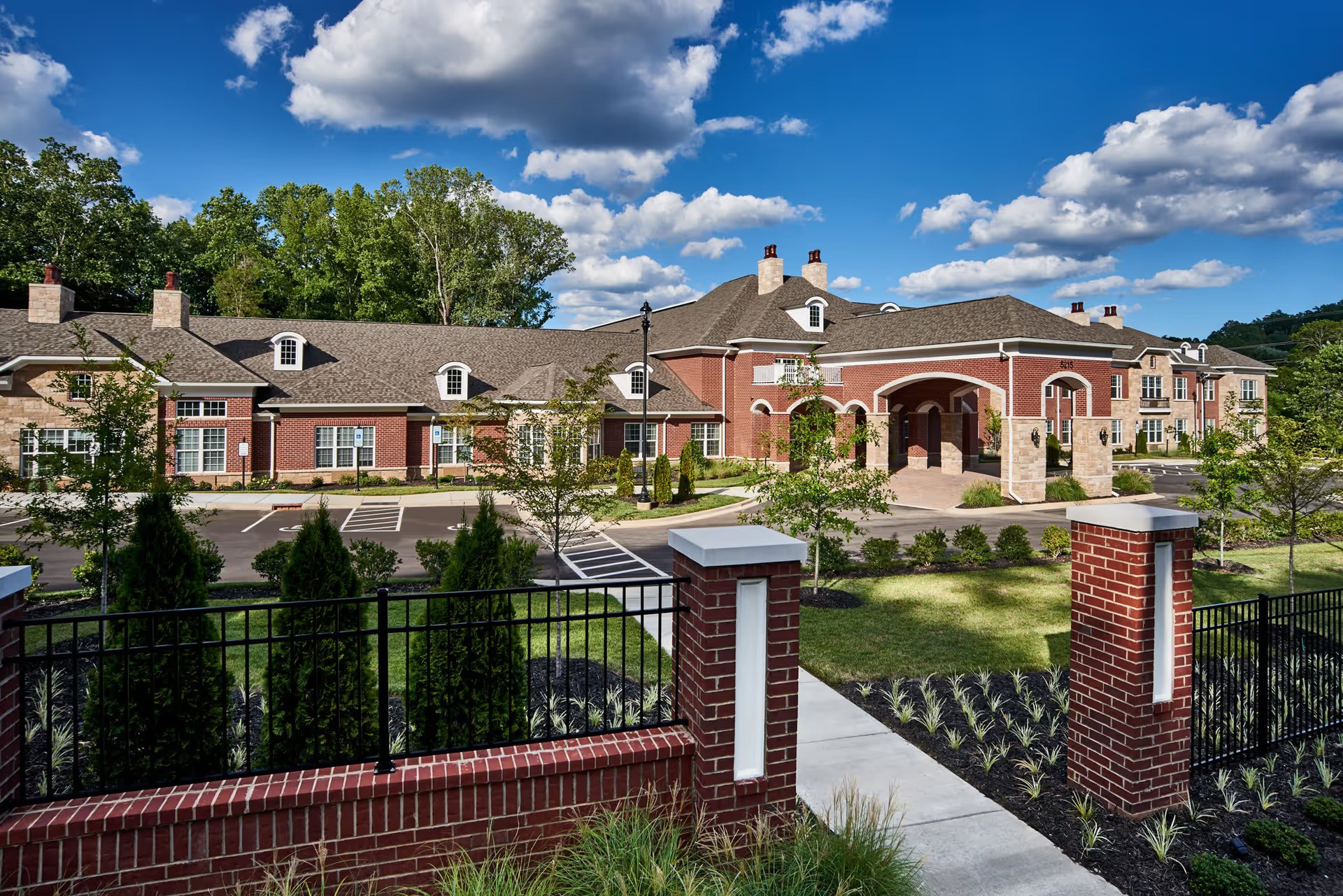
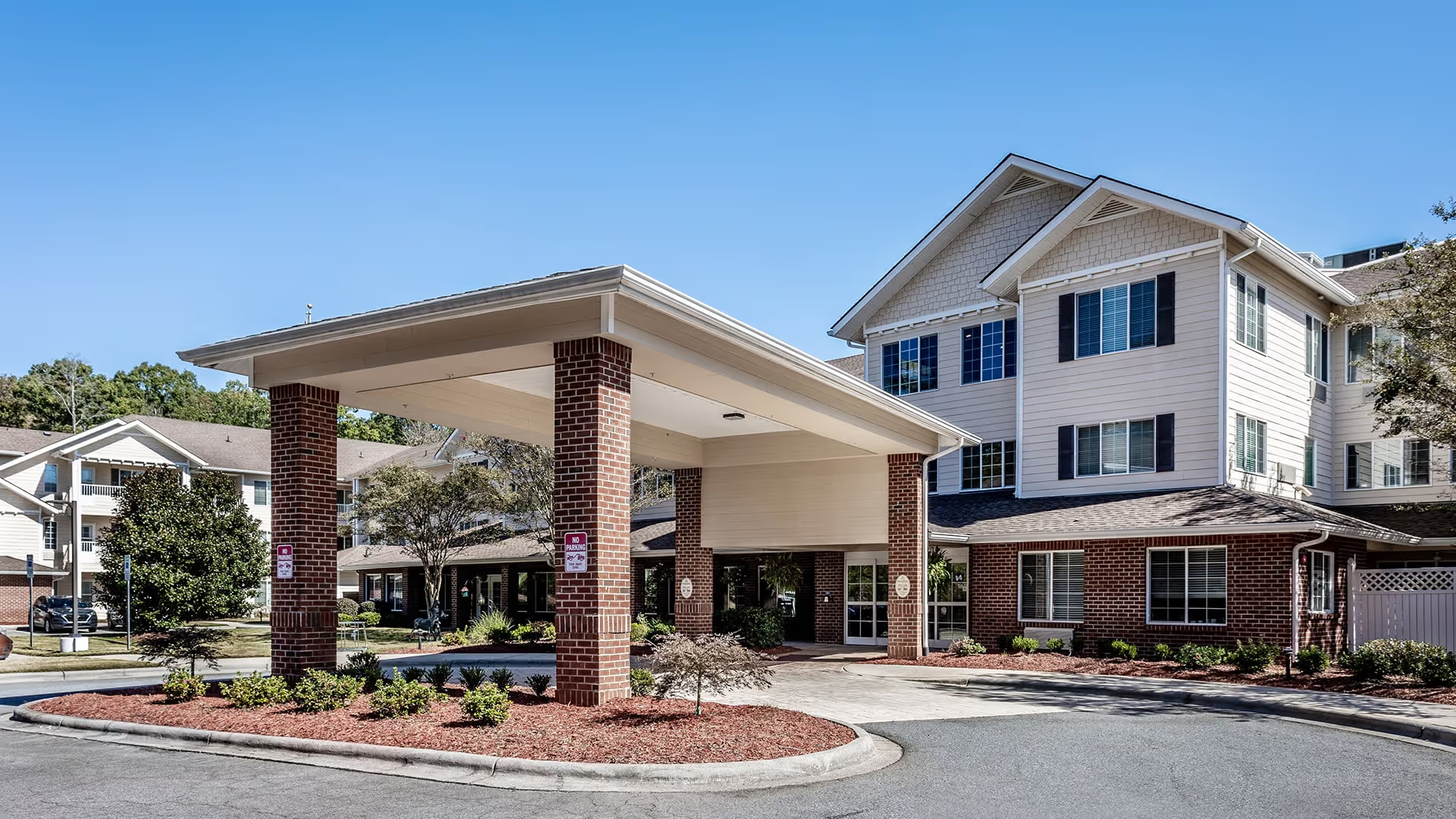
The physical environment is presented as bright, well‑kept, and thoughtfully retrofitted for memory care. Private rooms with ensuite bathrooms, spacious common areas, decks and yards, and careful attention to cleanliness are repeatedly noted. Reviewers appreciate the residential scale, decor, and accessibility for visitors, which supports frequent family contact and a welcoming feel.
Management and operations are generally described as responsive and hands‑on. Owners and leadership are praised for accessibility, quick issue resolution, and clear communication during transitions such as pandemic restrictions. At the same time, a minority of summaries identify operational gaps: intermittent variability in overnight staffing coverage, at least one instance of limited night‑time monitoring, and isolated administrative or billing responsiveness issues. These items are not presented as pervasive but are meaningful operational considerations for prospective families.
A clear trade‑off emerges from the pattern of feedback: the small‑house, high‑touch model yields individualized care, cleanliness, and close family communication, but it also entails limited capacity and a premium price point. Prospective families should weigh the benefits of intensive, boutique memory care against potential constraints on availability and cost. When touring, visitors may want to ask specifically about overnight staffing schedules, night‑time monitoring protocols, and administrative/billing procedures in addition to observing daily activities, meal service, and staff–resident interactions.