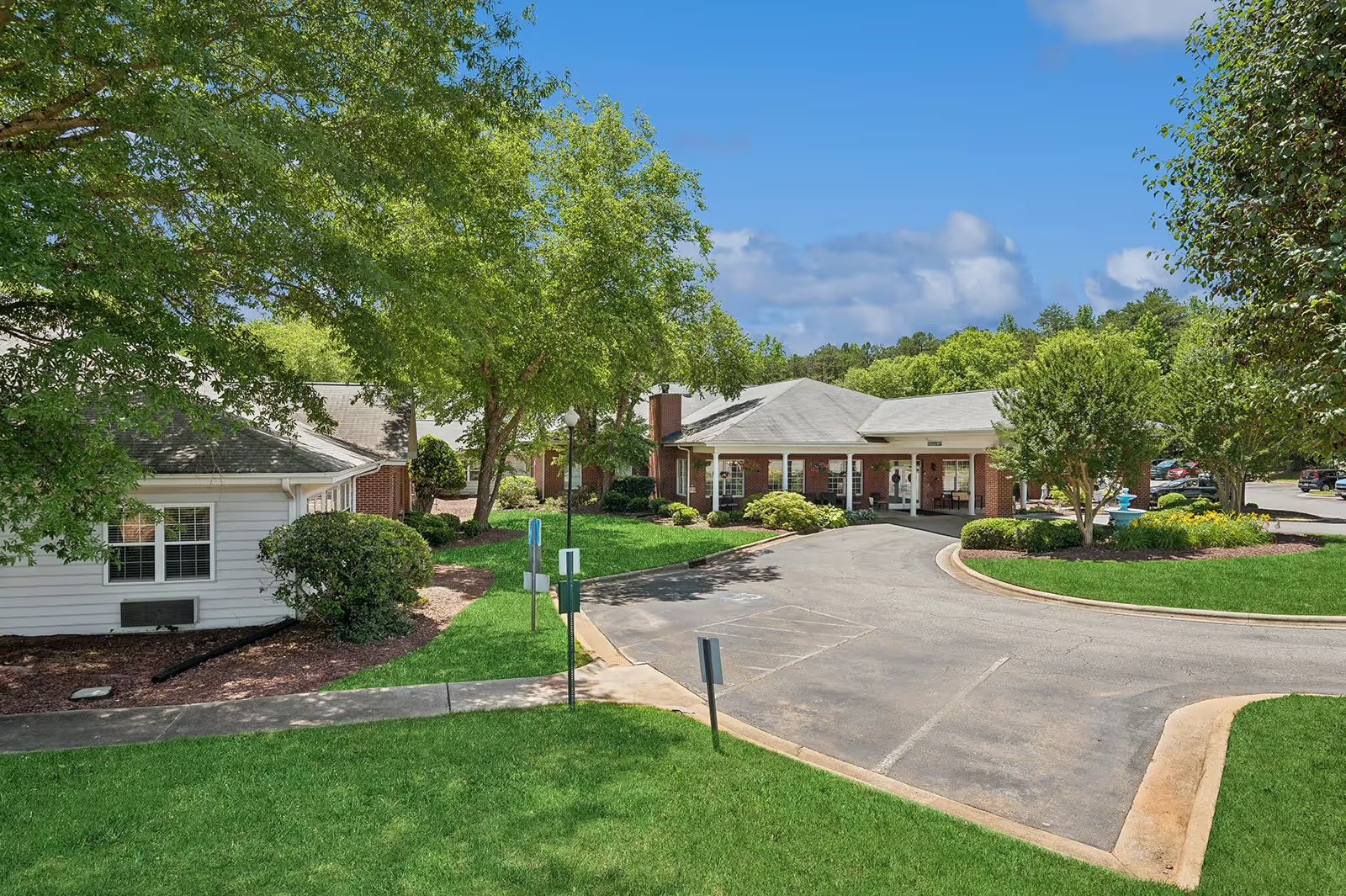
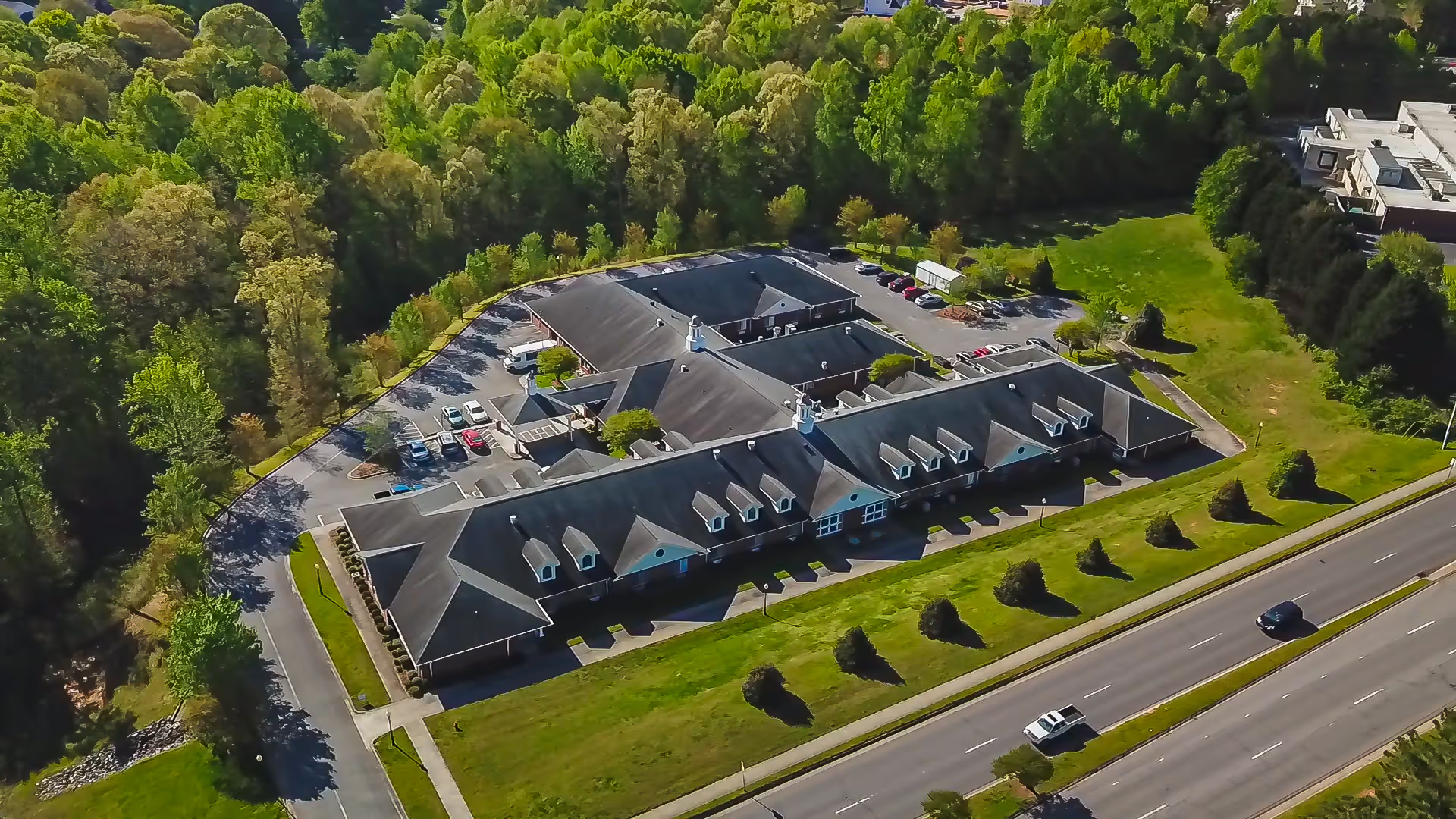
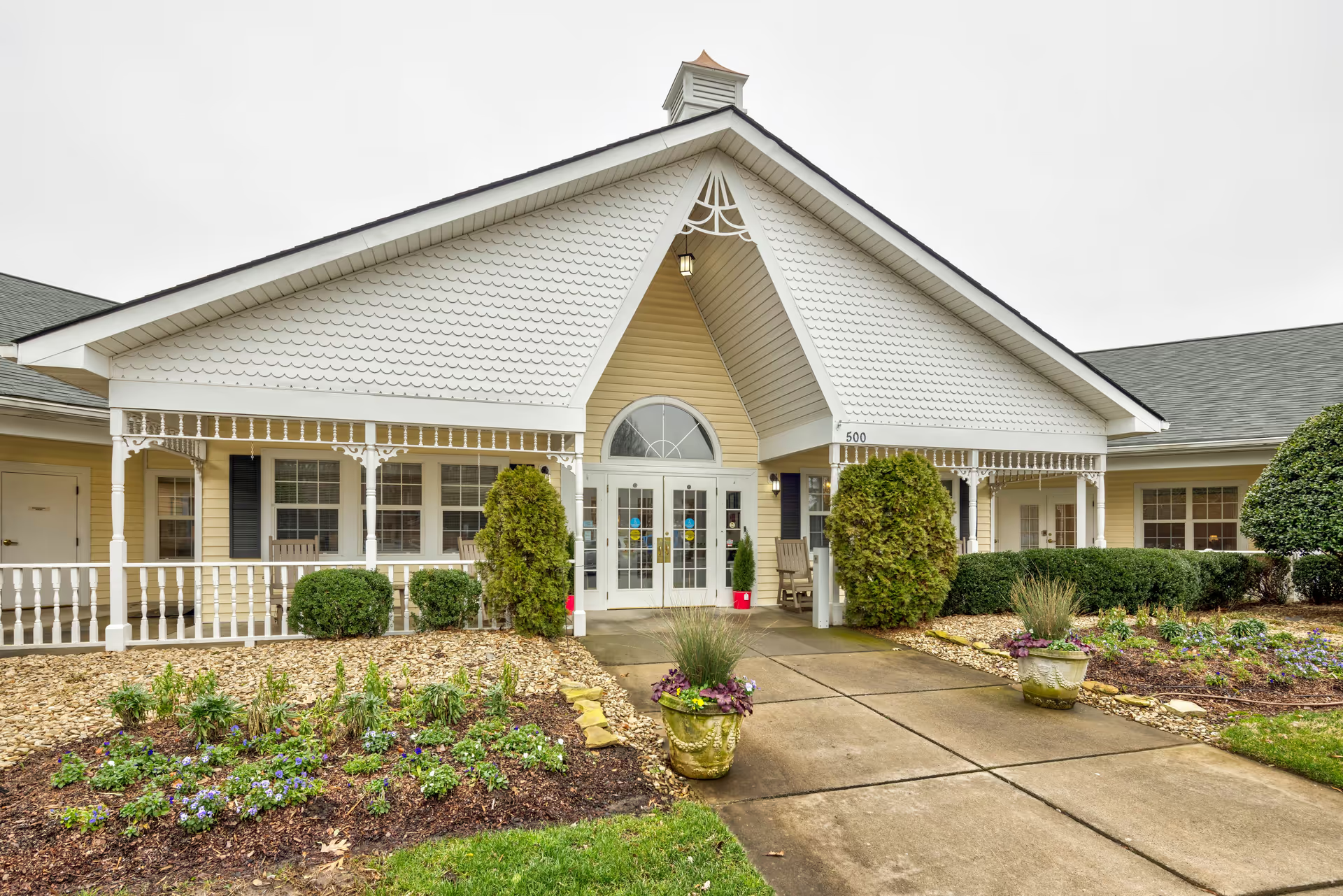
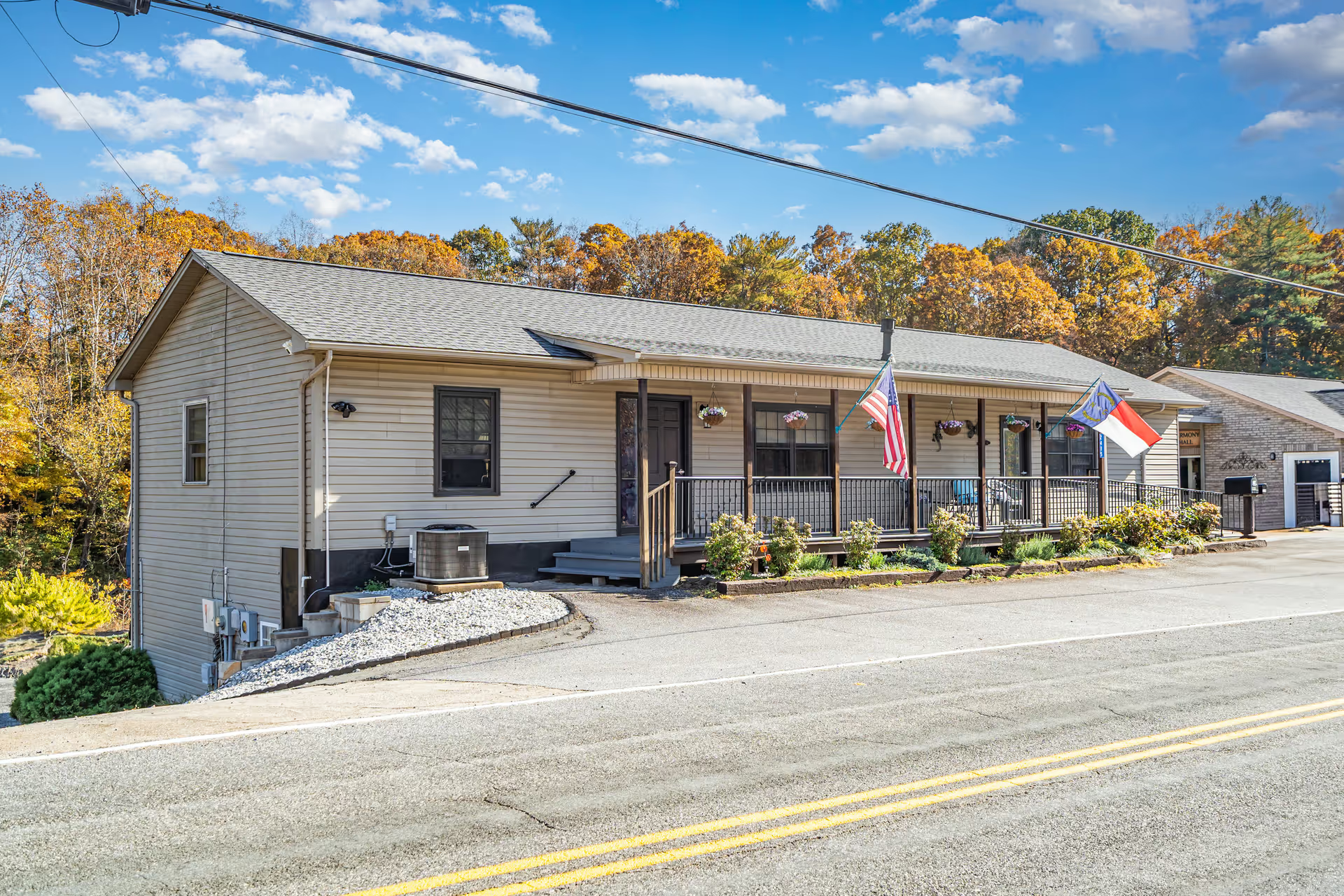
Peak Resources Cherryville elicits a mix of strong positives and operational inconsistencies. Many reviewers praised the facility’s physical plant and therapeutic services: the building is described as new, clean, and well‑decorated with spacious private rooms, large bathrooms, and a well‑appointed therapy gym. On-site skilled nursing and a therapy program focused on functional outcomes are frequently cited as reasons families experienced relatively fast rehabilitation and shorter inpatient stays. The community atmosphere, active calendar of events, and a varied dining menu with family dining options also contribute to a generally positive resident experience.
Care quality and direct caregiving receive substantial praise. Numerous comments highlight compassionate, attentive aides and nurses, respectful interactions with families, and strong clinical staff such as wound-care and therapy personnel. Social-work support and individual staff members were singled out for supportive communication and empathy. At the same time, there is a recurring pattern of inconsistency: staffing levels—especially on weekends—are described as lower or less reliable, and several operational shortcomings were cited that affect continuity of care (for example, medication-timing issues and occasional missed bathing or linen changes). These items point to variability in day‑to‑day care delivery rather than a uniform strength or weakness.
Memory-care experiences are mixed. Some families report excellent dementia care with attentive staff and good safety practices; others describe the memory unit as institutional and cite gaps in staff expertise. This combination suggests variability in training, staffing mix, or unit culture that prospective families should evaluate closely during a tour and care-planning discussion.
Dining and activities are generally strengths, with multiple dining rooms, a wide menu selection, and an active schedule of on-site and external programming. Several families noted initial satisfaction with meals but also described declines in meal quality over time or differences between weekday and weekend service, indicating inconsistent meal-service continuity. The activities program and an energetic administrator are consistently mentioned as positive contributors to community life.
Management and operations show a clear pattern of concern for some families. Comments point to leadership changes, turnover among employees, and gaps in family communication and incident notification processes. Other operational issues include personal-item tracking problems and limited availability for certain room types, leading to waitlists. Together, these items suggest that administrative stability and operational controls are areas for improvement.
For prospective residents and families: the facility offers many substantive strengths—modern, clean facilities; strong rehabilitation services; an active social program; and generally compassionate direct-care staff. At the same time, ask targeted questions about weekend staffing and coverage, medication administration protocols, memory‑care staffing and training, linen-change and bathing schedules, personal‑property procedures, and policies for notifying families about incidents. A focused tour and discussion with current families and leadership can help clarify whether the facility’s operational practices align with your specific needs and expectations.