Overall impression: Reviews describe a polarized set of experiences at Cedar Hills Center for Nursing and Rehabilitation. Several reviewers praised clinical strengths — particularly therapy services, wound care, and palliative coordination — and described caring individual staff who foster a family-like atmosphere. At the same time, a consistent set of operational weaknesses emerges that affects the reliability of day-to-day care for some residents.
Care quality: Clinical services receive mixed but distinct evaluations. The facility's therapy teams (physical, occupational, and speech) and wound-care clinicians are frequently singled out as high quality and effective for short-term rehabilitation. There are also positive accounts of integrated palliative and hospice coordination. Conversely, recurring concerns relate to medication administration (timing delays and missed doses), failure to carry out orders consistently, long response times for assistance, and inconsistent support for residents with mobility or incontinence needs. These operational gaps have, in some cases, led to hospital transfers or changes in care status.
Staff and conduct: Many reviews highlight compassionate, attentive nurses, CNAs, and activity staff who go beyond basic duties to comfort residents and families. However, there is notable variability in staff conduct and responsiveness. Complaints describe inattentive or distracted behavior at times, inconsistent assistance from direct-care staff, and concerns about communication tone. Staffing levels and shift coverage are repeatedly cited as contributors to inconsistent caregiving and prolonged waits for basic assistance.
Dining and nutrition: Feedback on meals is mixed. Some families described tasty and varied lunches and enjoyable communal experiences, while others reported bland, cold, or inconsistently served meals and instances where food was removed without immediate replacement. Diabetic-friendly and specialized diet handling are points families should clarify during admission conversations.
Activities and social environment: The activities department is a repeatedly noted strength. Multiple reviewers described an active, engaging program with frequent events, birthday celebrations, and staff who prioritize resident engagement and morale. This area is a consistent positive relative to other operational domains.
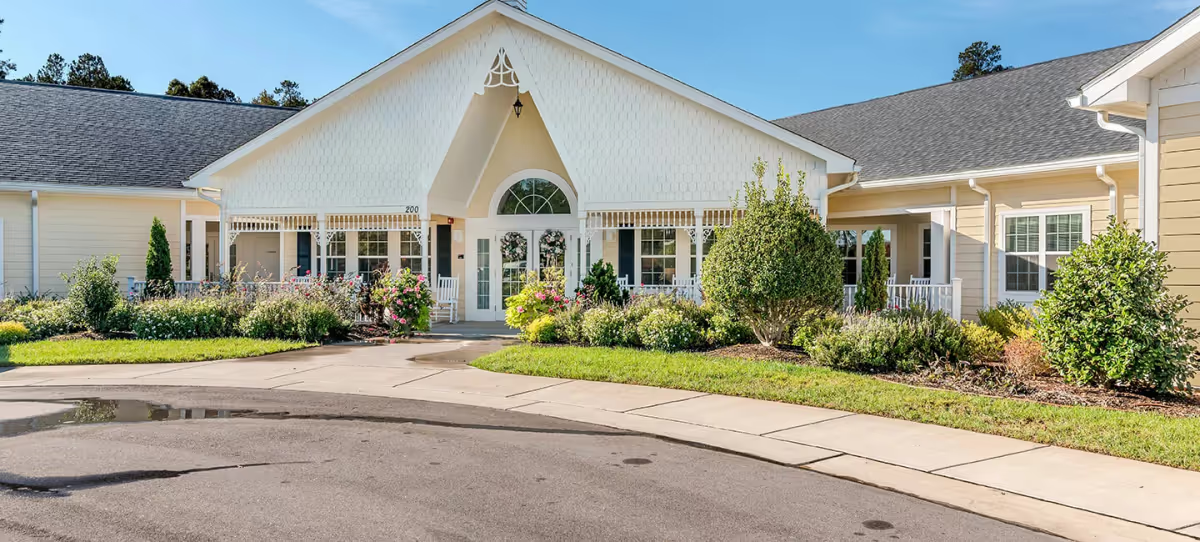
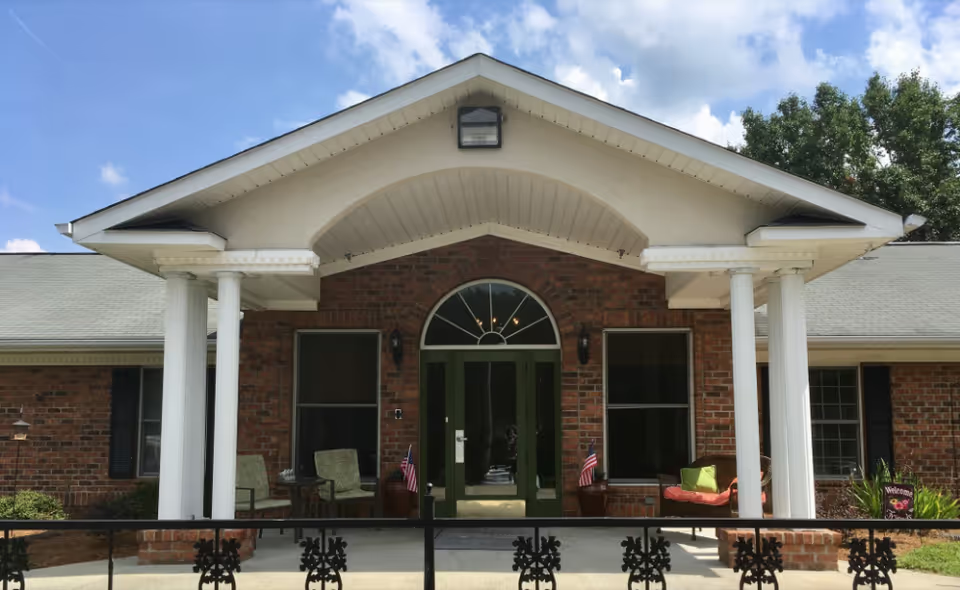
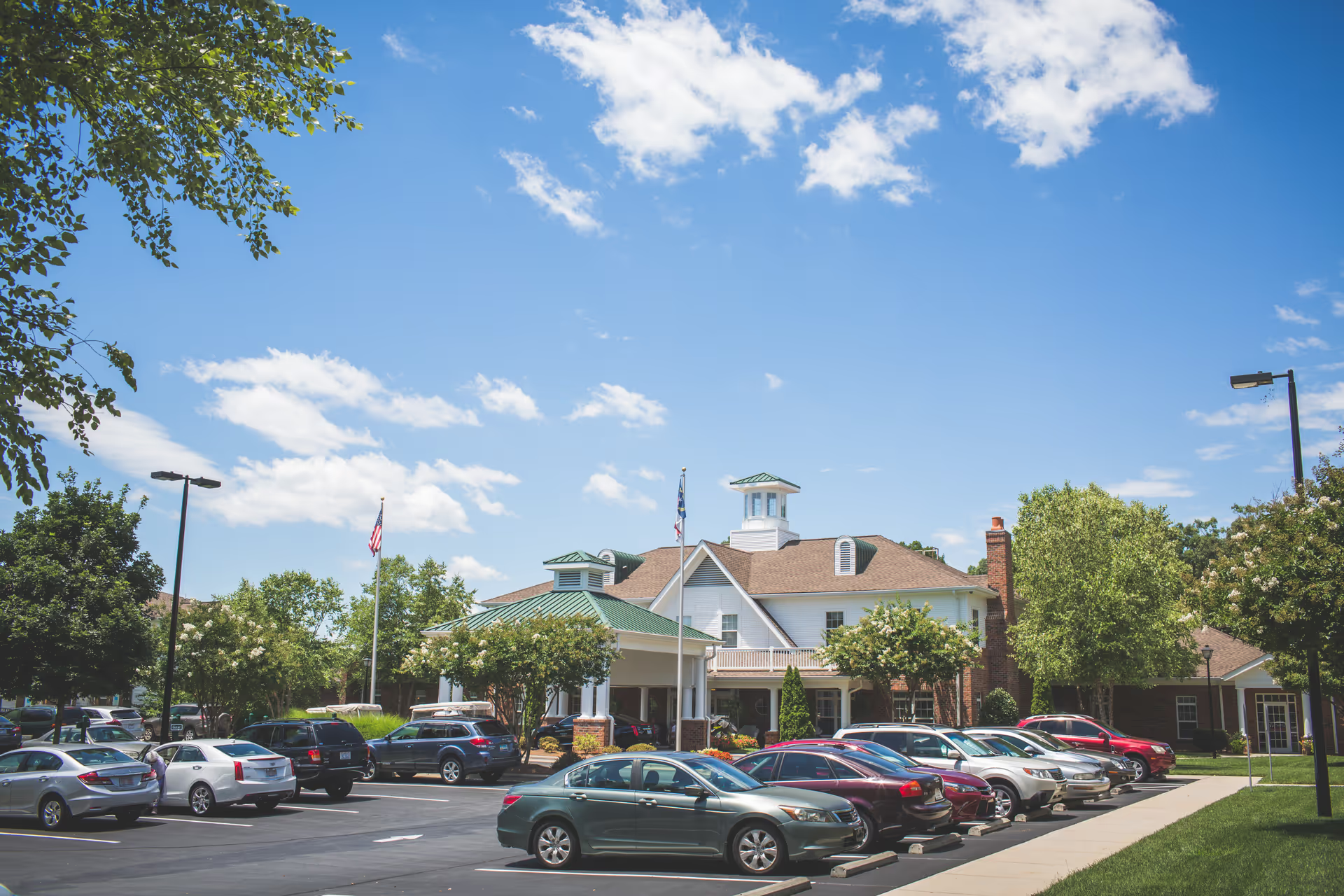
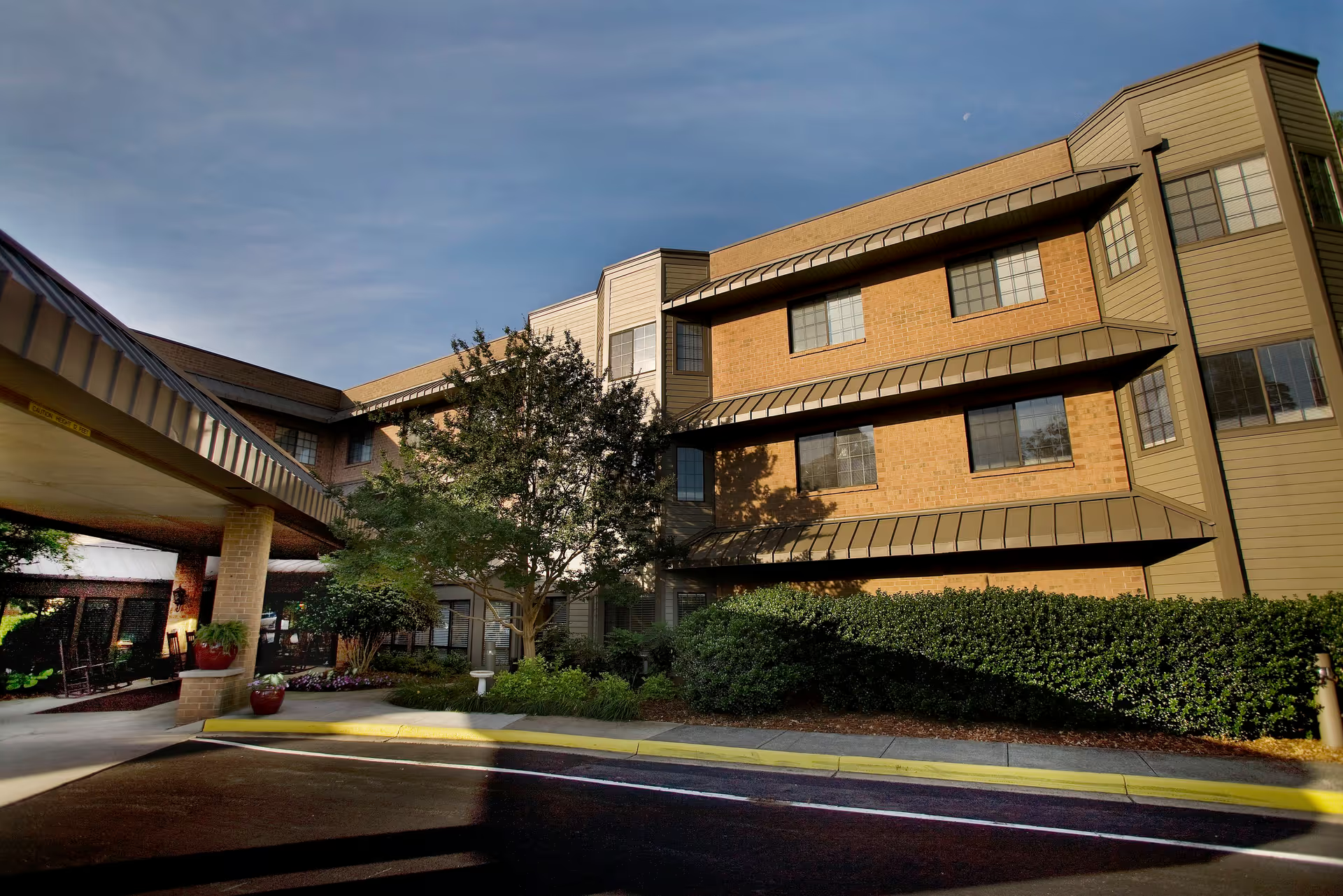
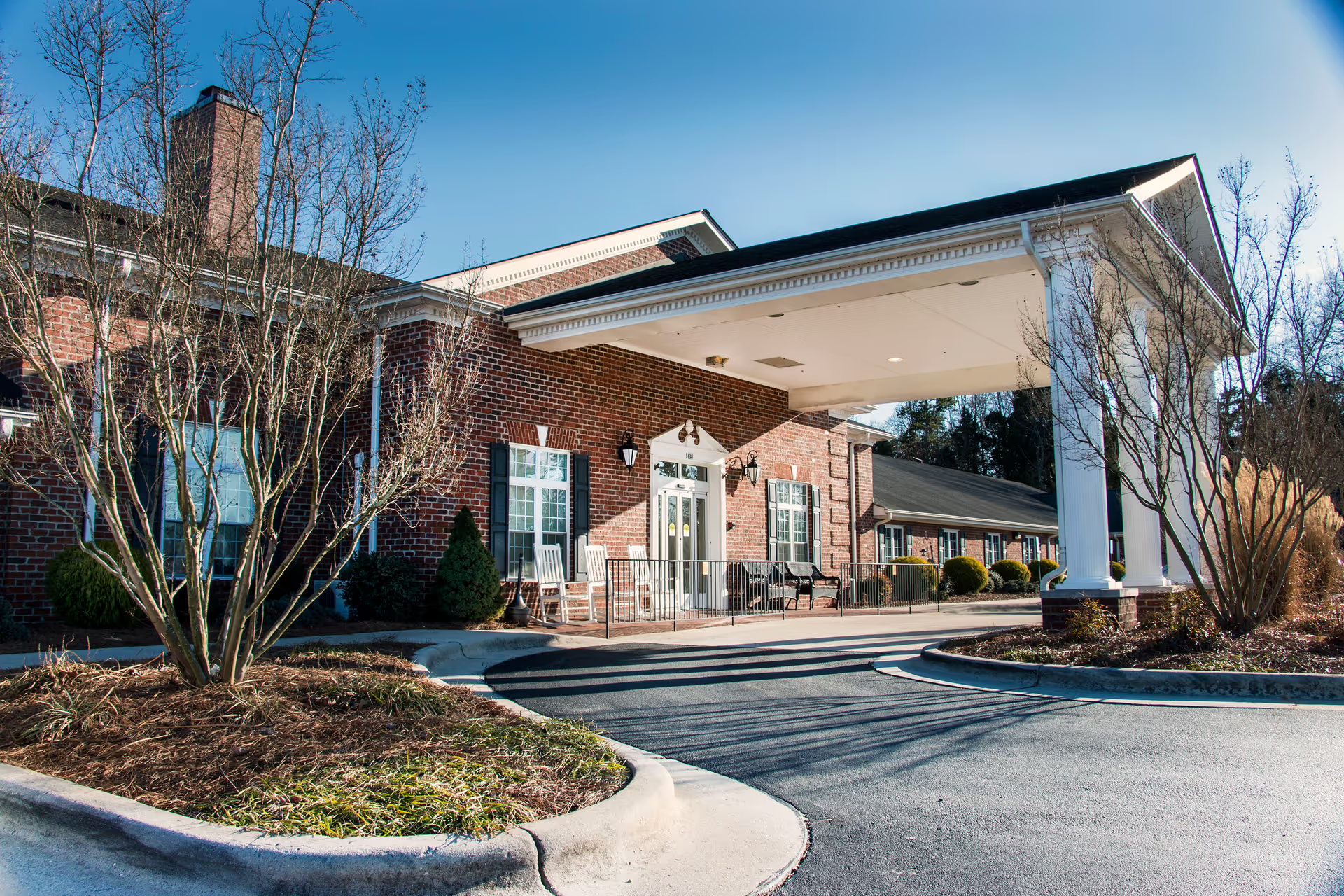
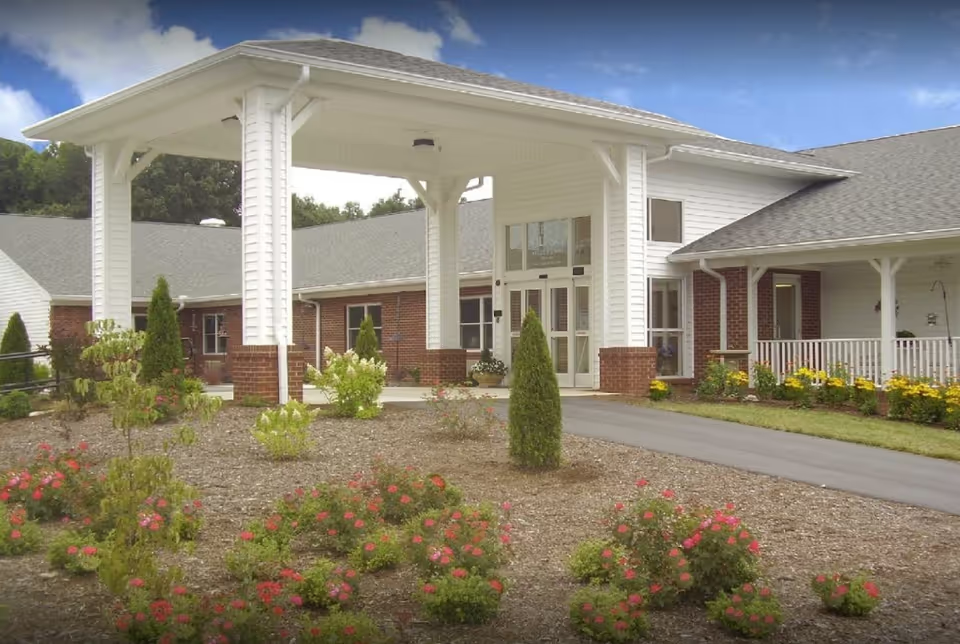
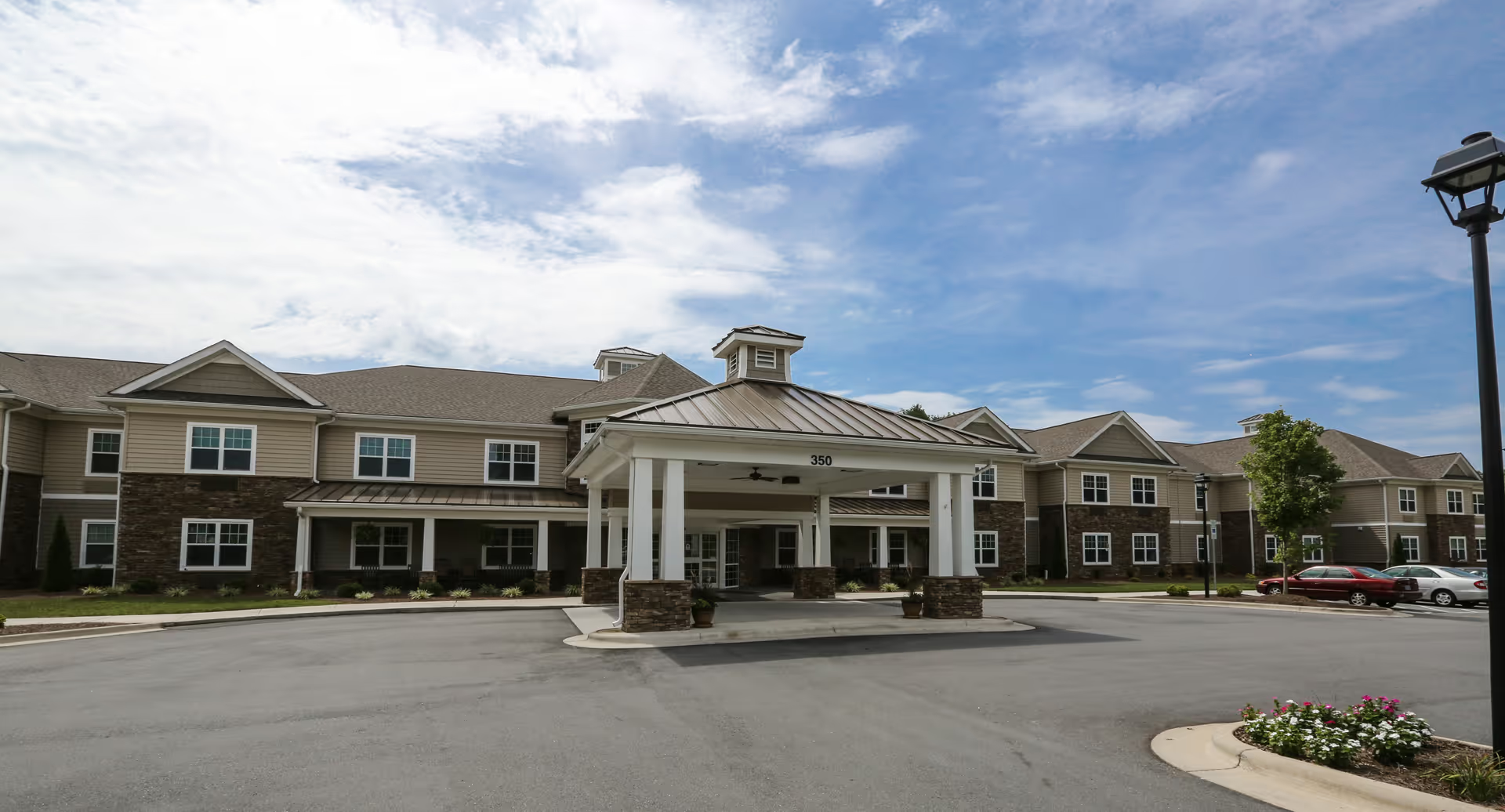
Facilities and environment: The facility presents a mixed physical picture. Portions of the building have been remodeled and include large private rooms and updated flooring, which families appreciate. At the same time, there are recurring sanitation and odor concerns in certain areas, pest-control concerns in some rooms, and maintenance issues such as broken equipment, accessibility problems with call systems, and other safety-related repairs. These environmental issues contribute to uneven impressions of cleanliness and safety.
Management and administration: Management reviews are inconsistent. Several families praised recent improvements under new ownership, proactive admissions staff, and clear communication from specific administrators. Others experienced difficulty reaching leadership by phone, voicemail overflow, delayed or problematic discharge/bed-hold processes, and concerns about responsiveness to complaints. There are also references to past regulatory citations and inspections that warrant review.
Notable patterns and recommendations: The dominant pattern is one of clinical strengths (notably rehabilitation and wound care) coexisting with operational weaknesses (staffing, hygiene/maintenance, medication timing, and administrative accessibility). Prospective residents and families should perform an on-site tour, ask for recent state inspection and corrective-action records, request current staffing ratios for unit and shifts, clarify medication and incontinence-care protocols, verify emergency and maintenance response procedures, and confirm communication expectations with leadership. Observing mealtime, an activities session, and staff–resident interactions during a visit can help gauge day-to-day consistency.
Bottom line: Cedar Hills demonstrates clear areas of clinical competence and a number of staff who provide compassionate, resident-centered care. However, persistent operational shortcomings reported across reviews — especially related to staffing consistency, personal-care assistance, medication timing, sanitation, and maintenance — could materially affect the experience for some residents. Families should weigh the facility's therapy and palliative strengths against these operational risks and use targeted questions and state inspection records to make an informed placement decision.