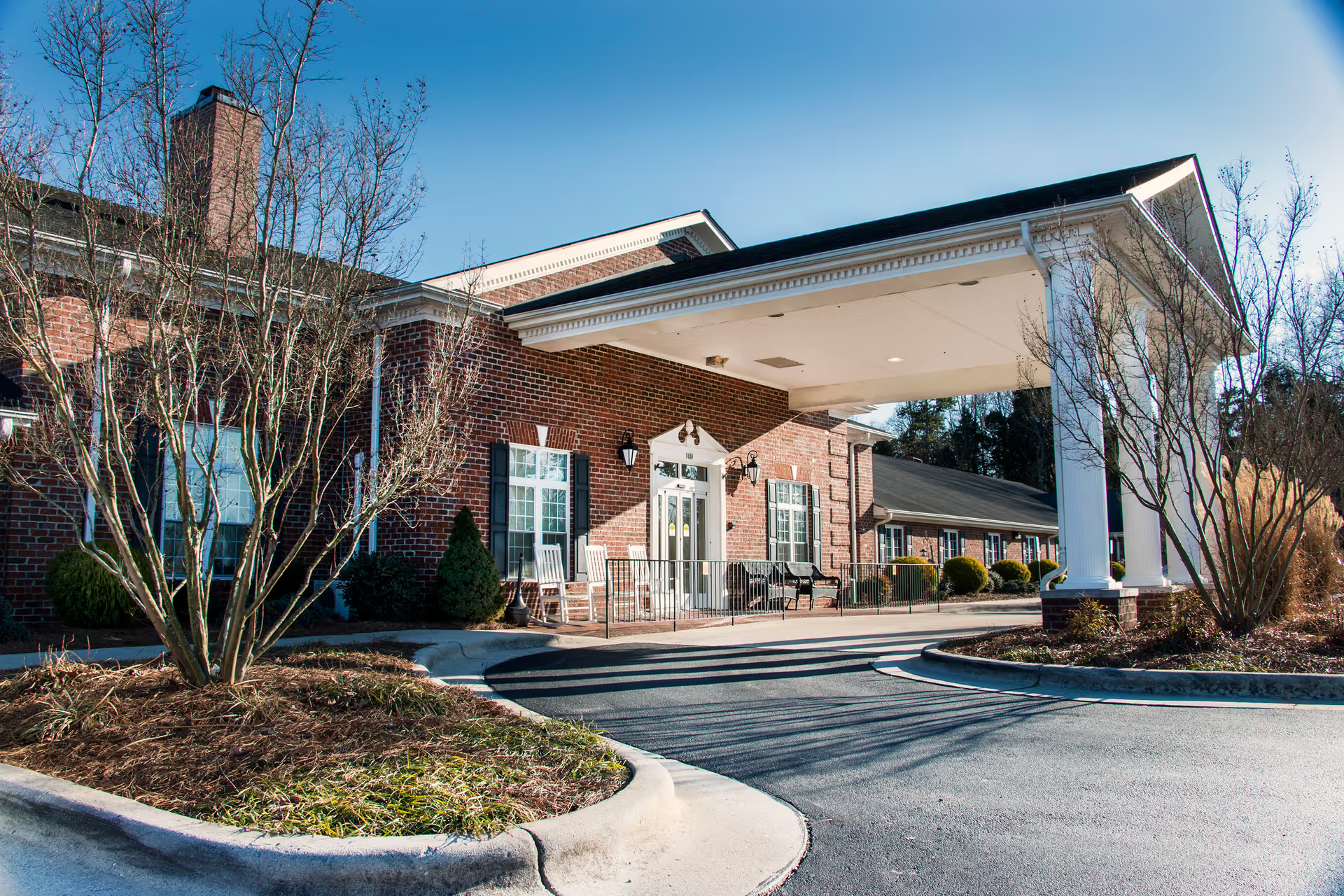
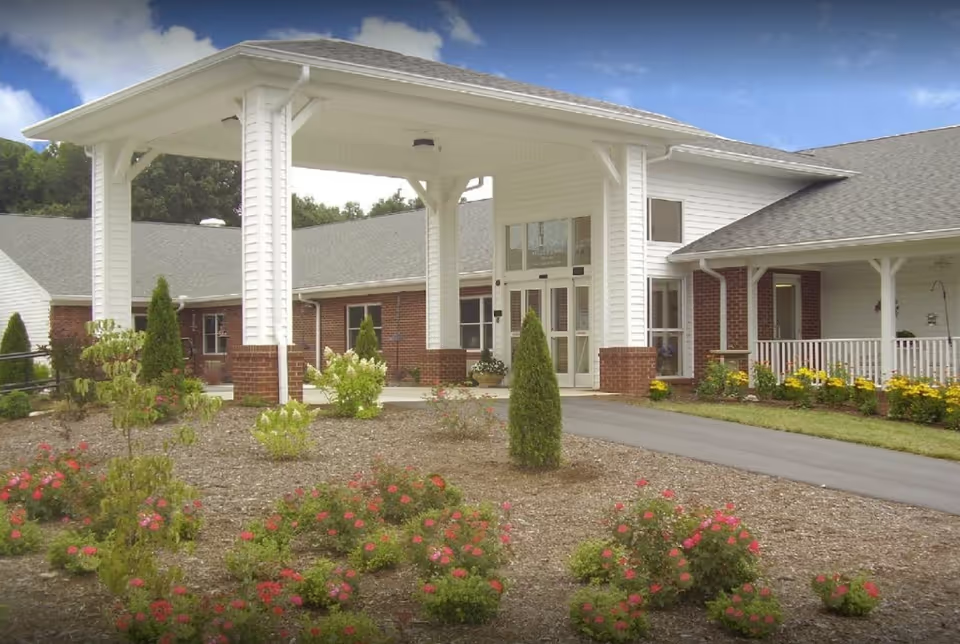
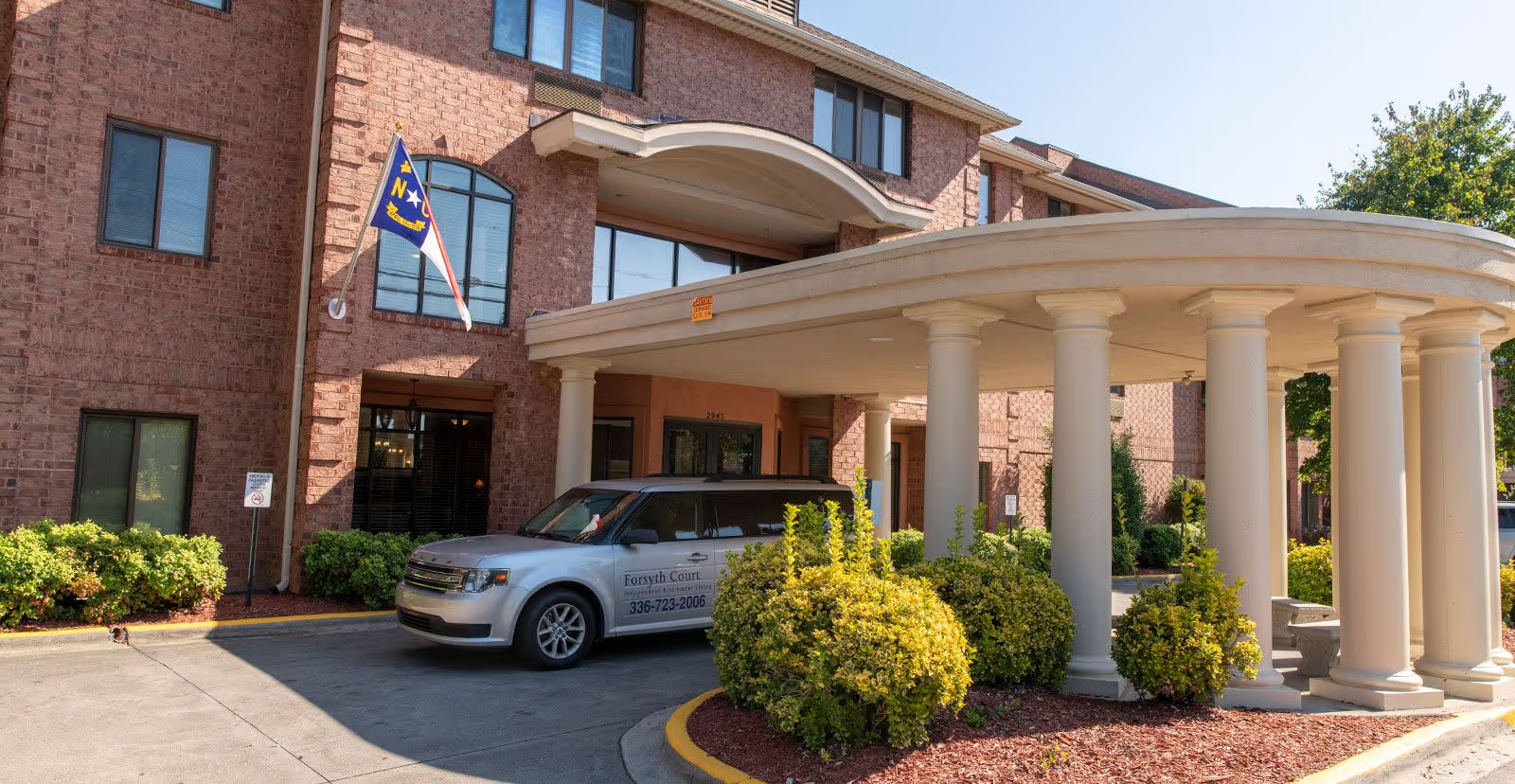
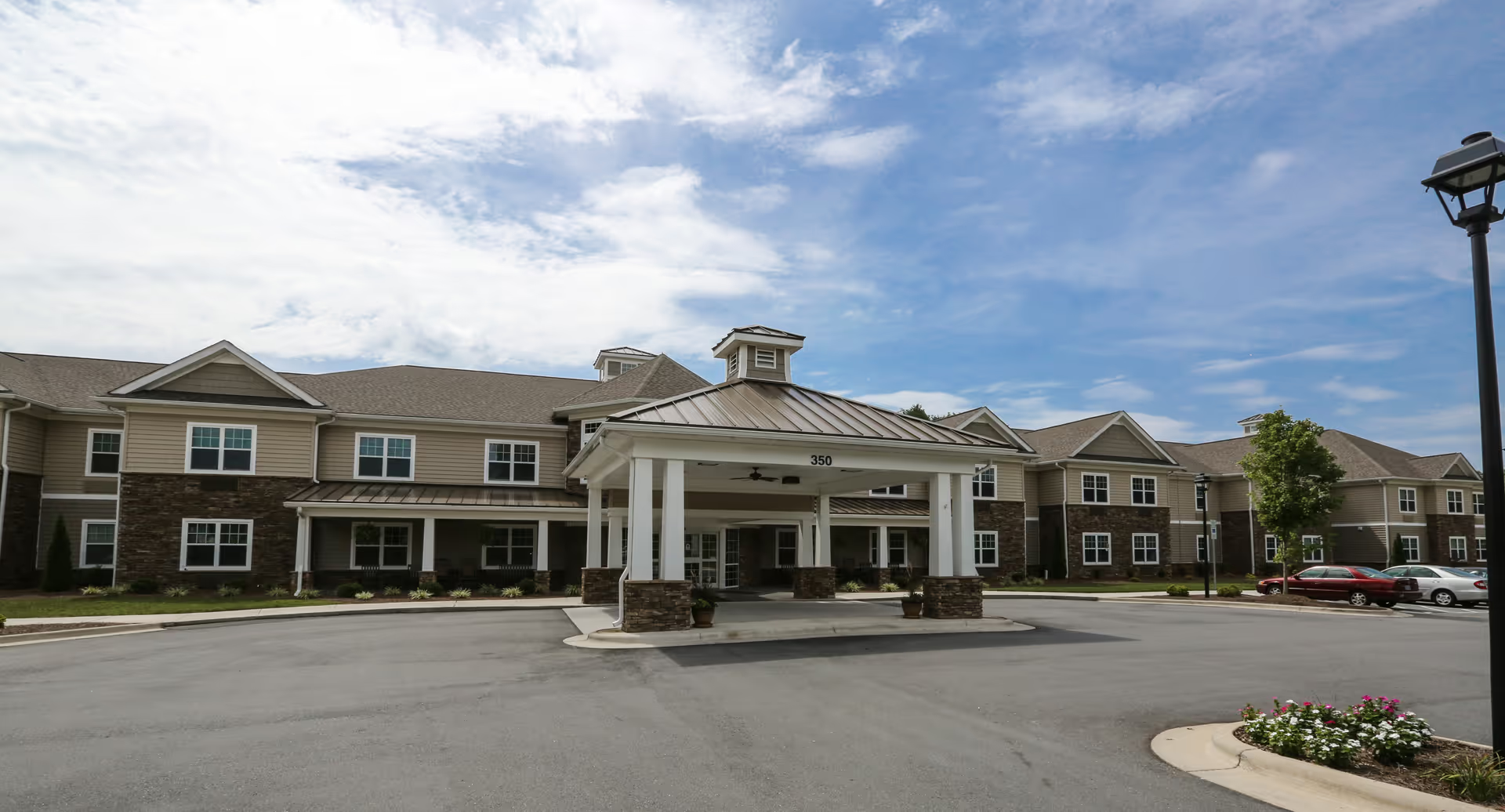
Reviews of The Ivy at Clemmons present a polarized picture: many current residents and several families describe a supportive, social, well-staffed environment with good clinical resources, while other accounts highlight operational weaknesses that prospective families should probe. Positive feedback centers on hands-on caregiving (including round-the-clock CNA coverage, on-site nursing and med-tech support, and weekly physician checkups), and a widely praised physical-therapy program. Residents commonly describe a warm, family-like atmosphere, longstanding peer relationships, and a range of activities and shared spaces (lounges, dining room, salon, laundry) that contribute to social engagement.
At the same time, reviews indicate notable operational inconsistencies. Staffing and responsiveness are described as variable — with examples of attentive, caring personnel alongside accounts of busy or inattentive shifts. Cleanliness and sanitation appear to have improved in areas following recent upgrades, but some reviewers continue to note odor concerns and other housekeeping gaps in parts of the building. Dining service elicits mixed reactions: some residents appreciate the dining room and amenities, while others raise concerns about food quality and staff professionalism during meal service.
Clinical coordination and administrative processes are recurring themes. Several reviewers describe difficulty obtaining medical documentation and a lack of accompaniment to outside medical appointments, suggesting weaknesses in care coordination and documentation workflows. There are also indications of gaps in safety oversight and incident-response procedures; references to resident-to-resident safety incidents and involvement of external authorities suggest families should ask about the facility’s incident protocols, supervision policies, and follow-up communication practices. The facility has undergone rapid leadership changes, and reviewers note both the disruptive effects of turnover and active efforts by a new team and ownership to implement corrective actions.
Overall, The Ivy at Clemmons appears to offer tangible strengths in direct care, therapy services, and resident community life, and recent management attention has produced visible improvements in facilities and processes. However, variability in staffing consistency, sanitation in some areas, dining professionalism, clinical coordination for external care, and administrative responsiveness remain areas of concern. Prospective residents and families would be well served to tour the site, observe staffing patterns during different shifts, inquire about staffing ratios and supervision, request examples of documentation workflows and incident-response protocols, and review recent state inspection findings and corrective actions before making a placement decision.