The overall impression from the collected summaries is mixed: many families and residents describe a compassionate, home-like environment with engaged administrators and strong clinical partnerships, while others describe operational and oversight weaknesses that have affected care consistency. Positive attributes commonly cited include attentive direct-care staff, an approachable administrator, good culinary offerings, a broad activities calendar, and the availability of onsite skilled nursing and rehabilitation services.
Care quality appears to vary by shift and unit. Several accounts praise competent nurses, a helpful physician assistant, and staff who coordinate well with hospice and visiting clinicians. At the same time, there are substantive concerns about clinical oversight and medication-management practices — examples include missed vital checks, medication-administration gaps, and inconsistent documentation. There are also recurring notes about inconsistent personal-care schedules (including bathing frequency) and delays in attending to toileting needs. These issues point to variability in frontline clinical execution and monitoring rather than a uniformly predictable level of care.
Staffing and leadership receive both positive and critical remarks. Many reviewers commend long-tenured, compassionate caregivers and a kind, engaged administrator. Conversely, critiques focus on uneven staffing (notably weekend coverage), perceived insufficient supervision of CNAs, and instances of poor staff collaboration or workplace cliques. Accessibility of administrative leadership is also uneven in reports: some families describe prompt, attentive responses, while others report difficulty obtaining timely explanations, refunds, or follow-up after adverse events.
Dining, activities, and amenities are generally described favorably. Reviewers highlight appealing meals, a varied activity schedule (including festivals and personal-care services like nails), and a sociable environment with plenty of programming. A small number of reports describe dietary accommodations not meeting specific needs (for example, diabetic meal adjustments), suggesting families should confirm individualized meal plans during tour and admission.
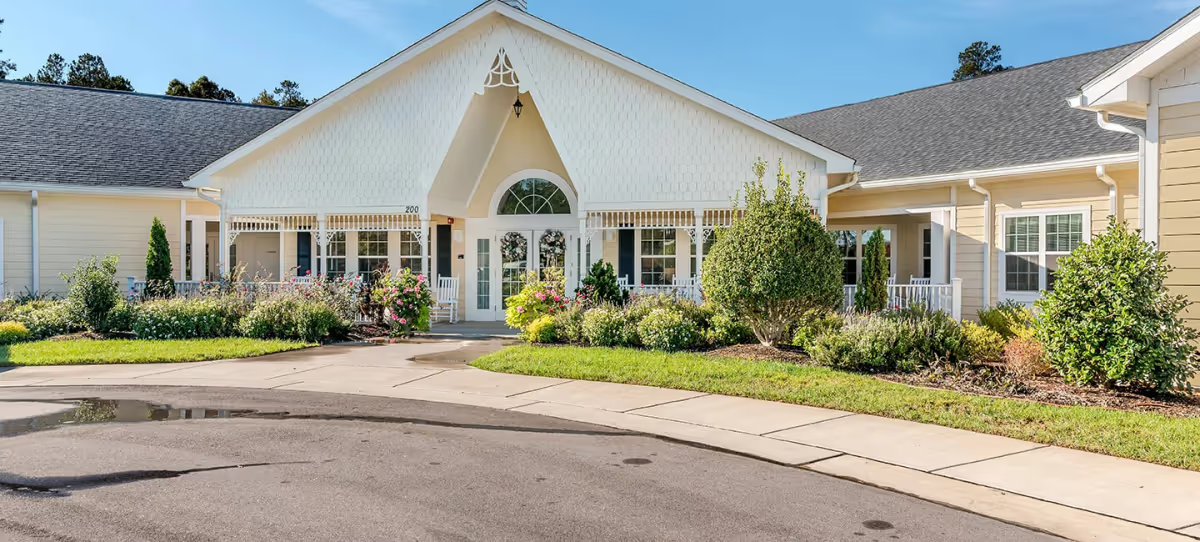
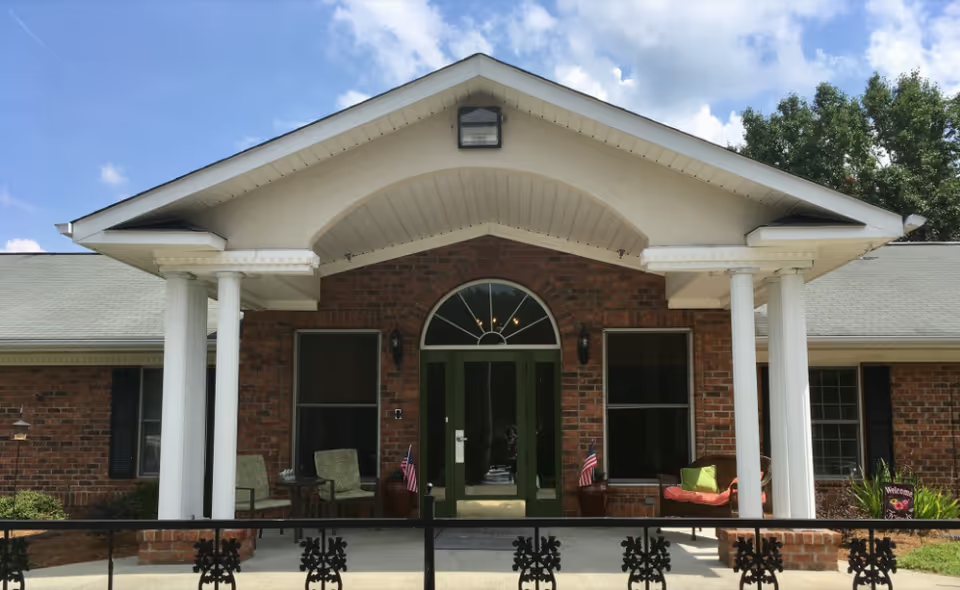
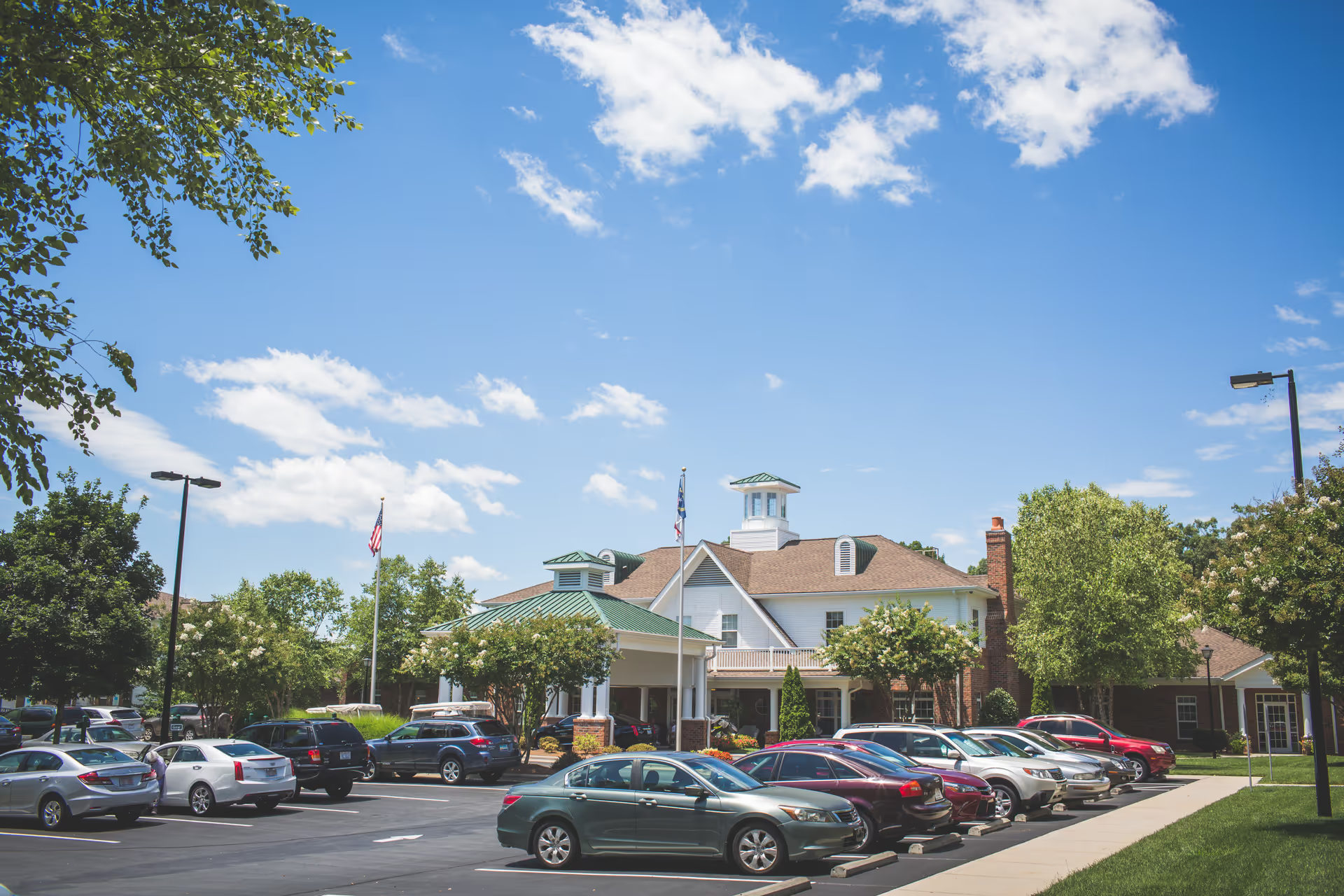
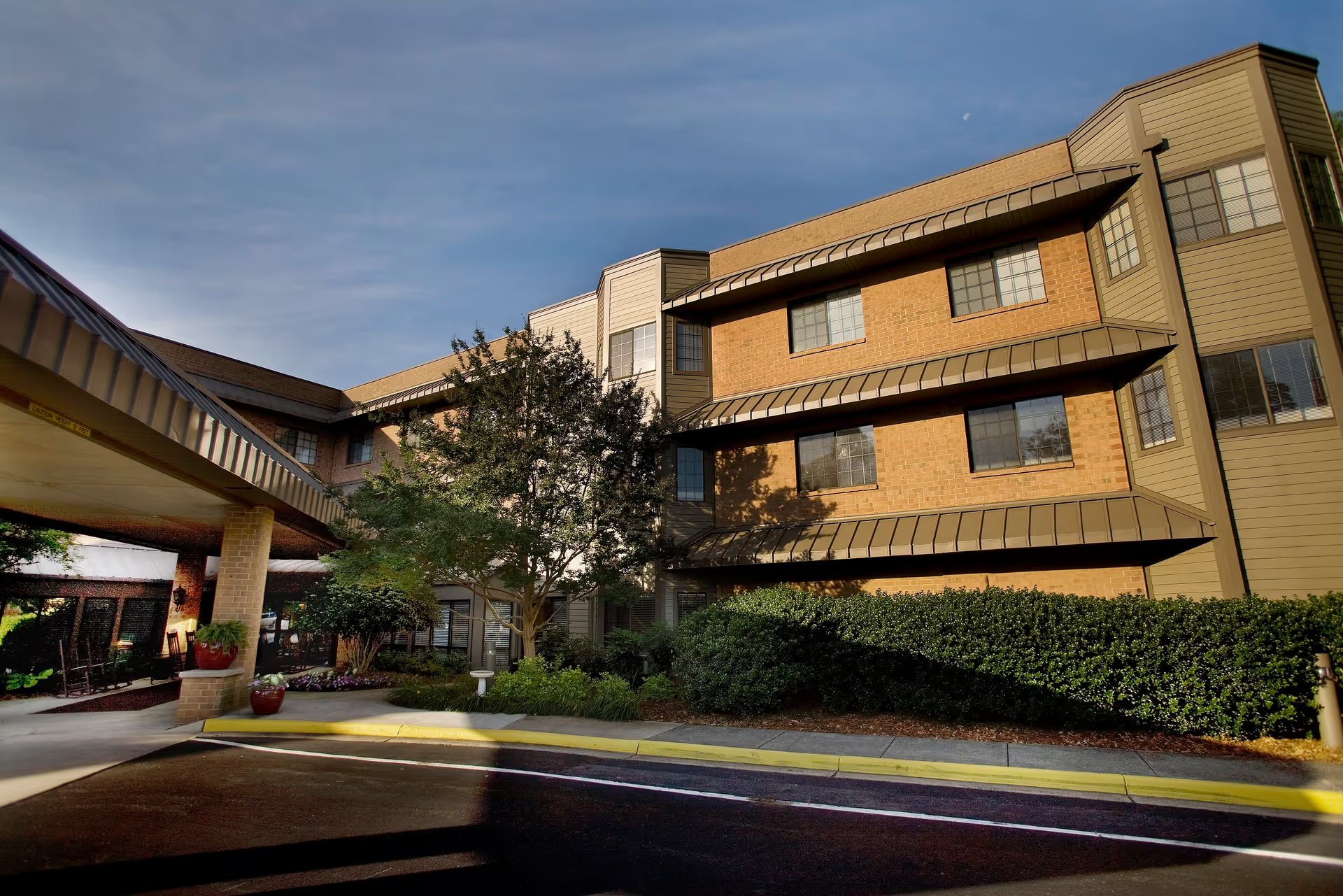
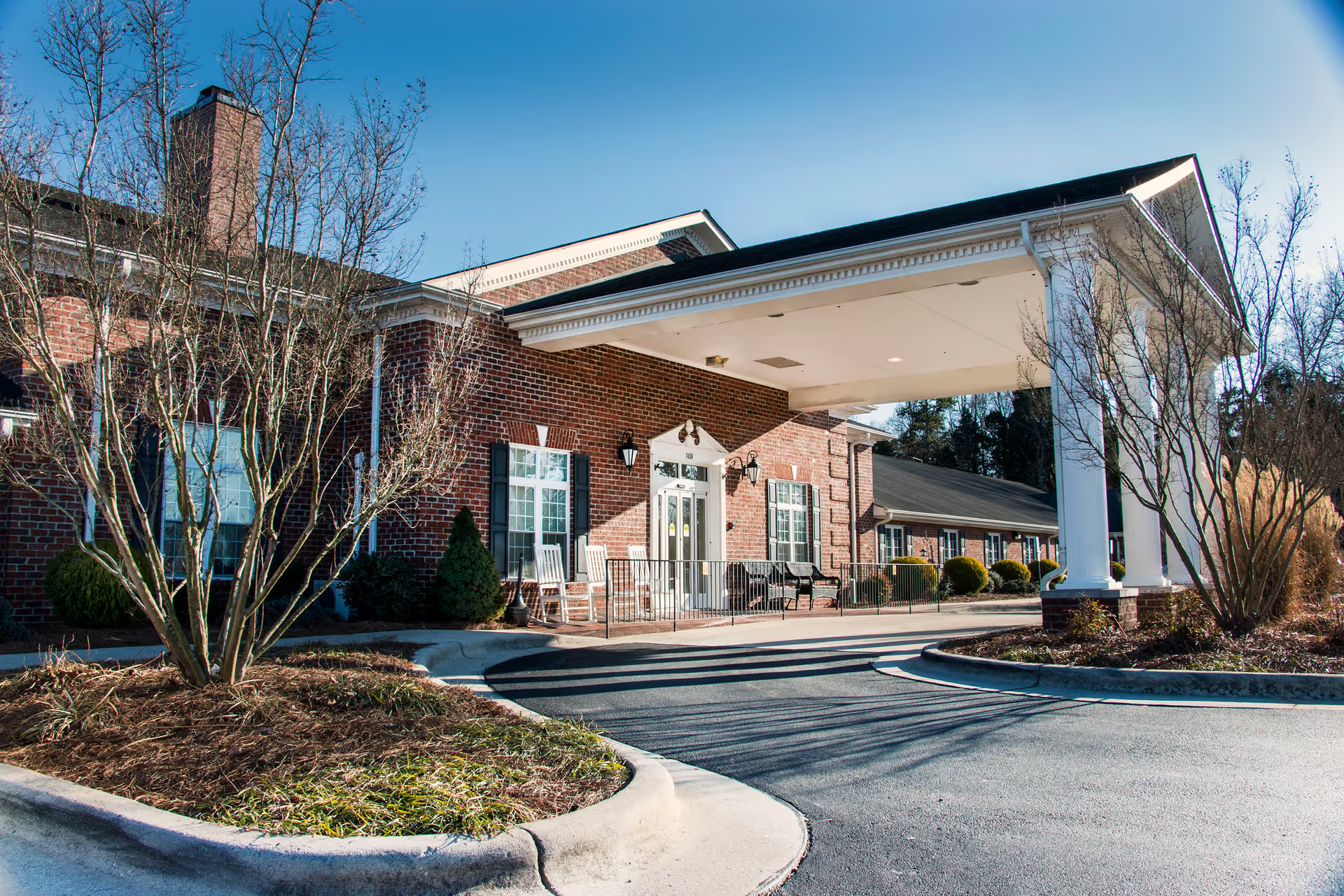
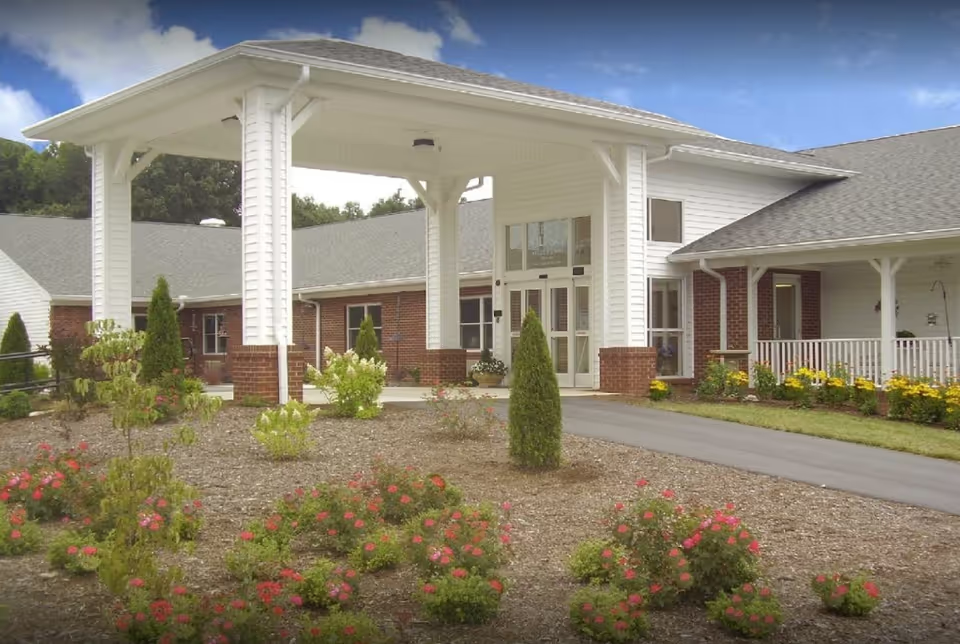
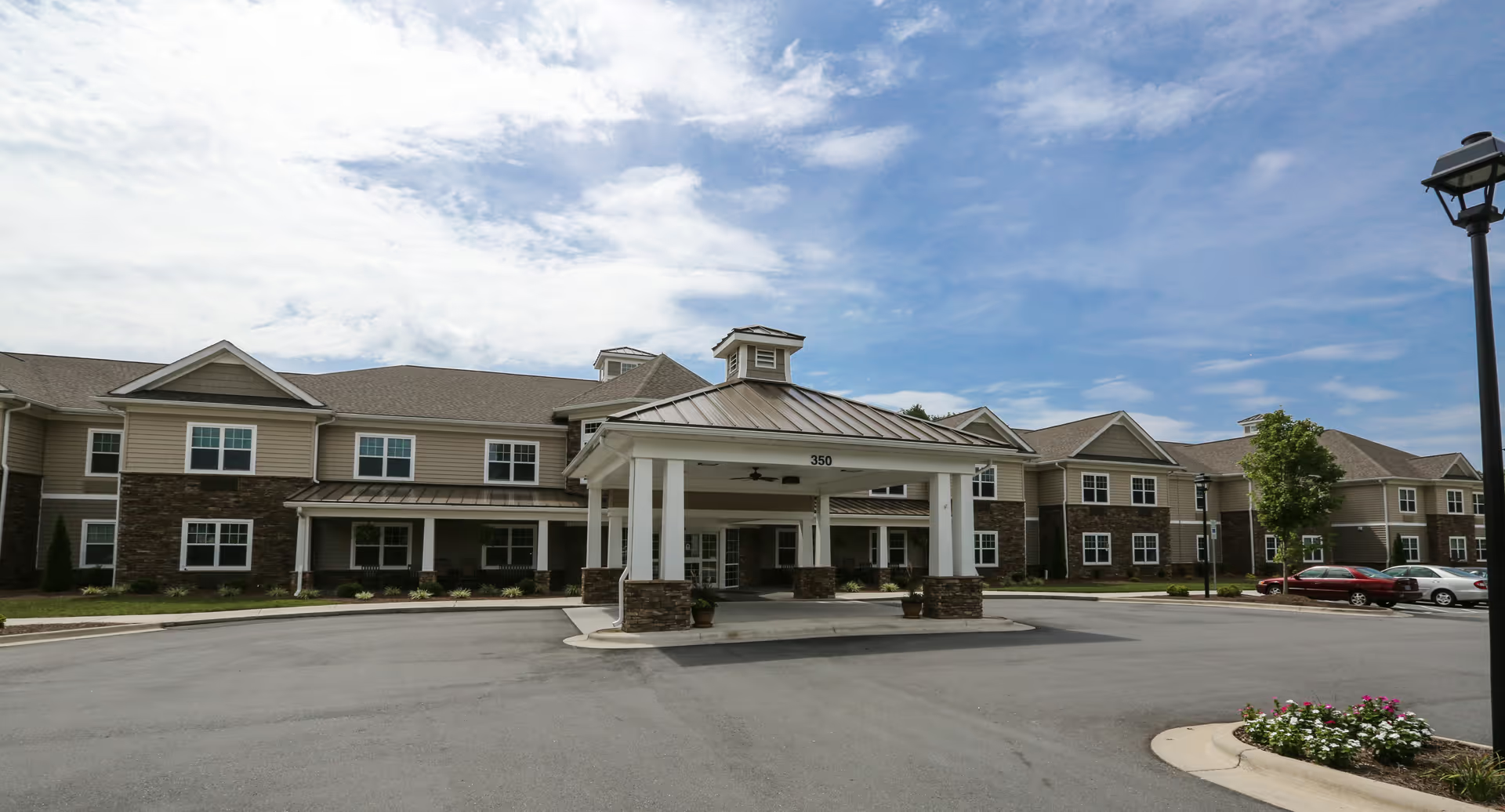
Facility condition is characterized as mostly clean and attractive, with a newer, cheerful wing noted by some. However, there are mentions of worn carpeting and dated finishes in parts of the building that suggest maintenance and cosmetic updates are needed in some areas. Financial and administrative processes are another recurring theme: high medication-related charges, the cost of injections, and slow or disputed refund resolution have been raised as concerns. Additionally, a long waitlist for admission is reported.
Notable patterns: positive experiences tend to emphasize consistent caregiving staff, strong leadership engagement, and active programming; negative experiences cluster around inconsistent clinical oversight, staffing variability, communication and billing/process issues, and occasional safety or responsiveness concerns. Prospective residents and families should arrange detailed tours, ask specific questions about staffing ratios and weekend coverage, review medication-administration and family-communication protocols, confirm dietary accommodations, and request clear explanations of billing and refund policies before committing.