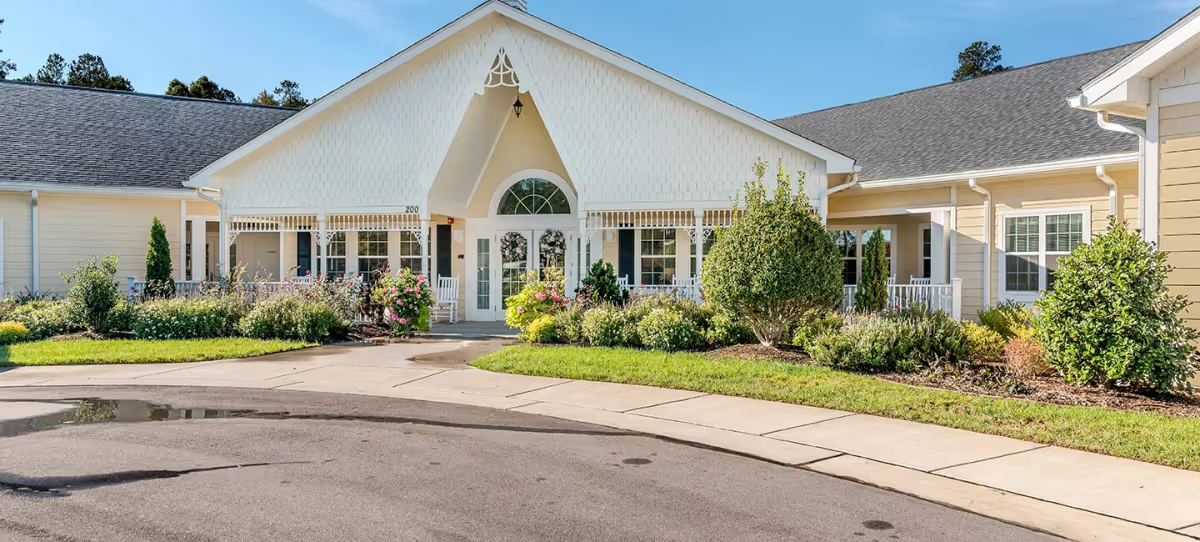
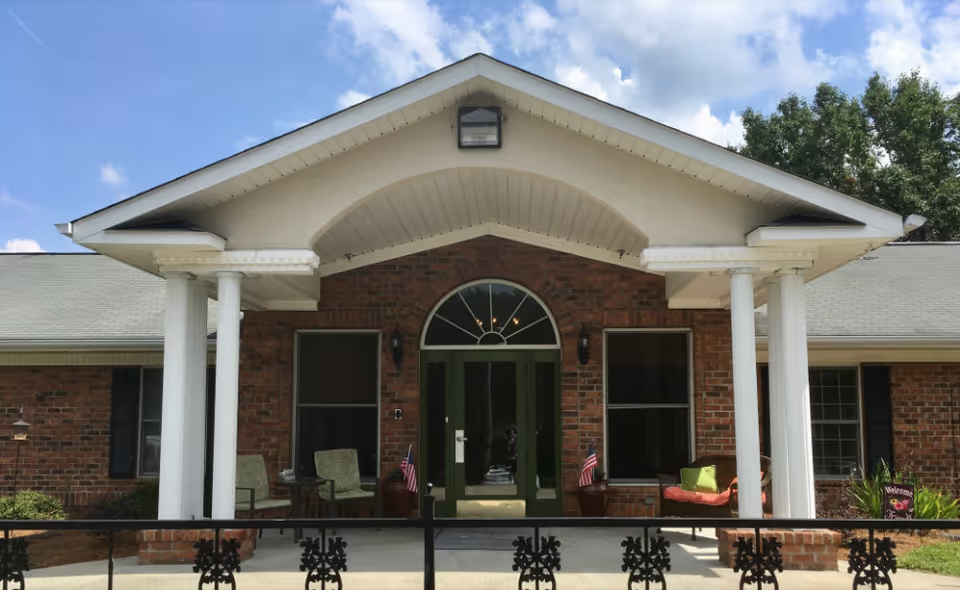
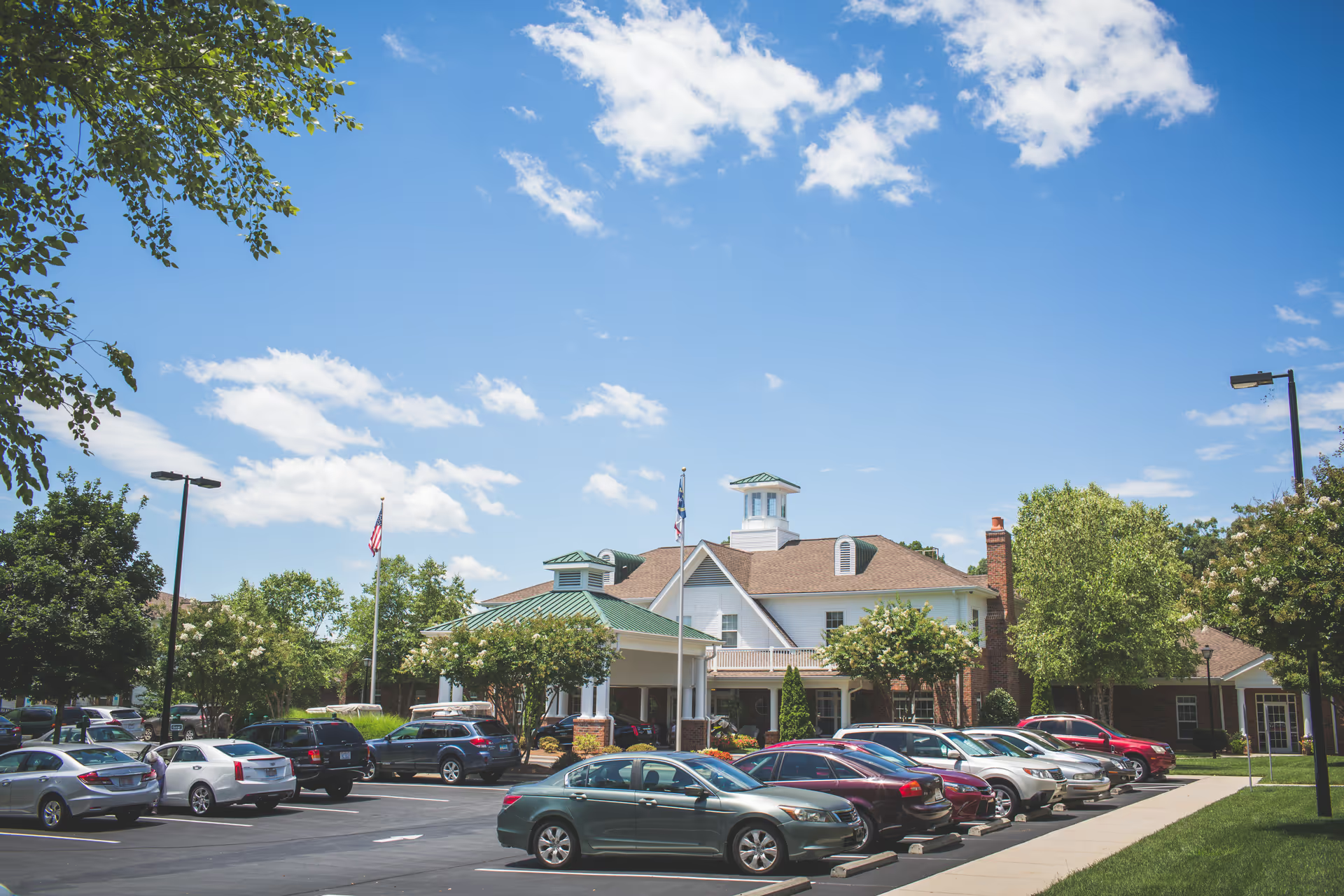
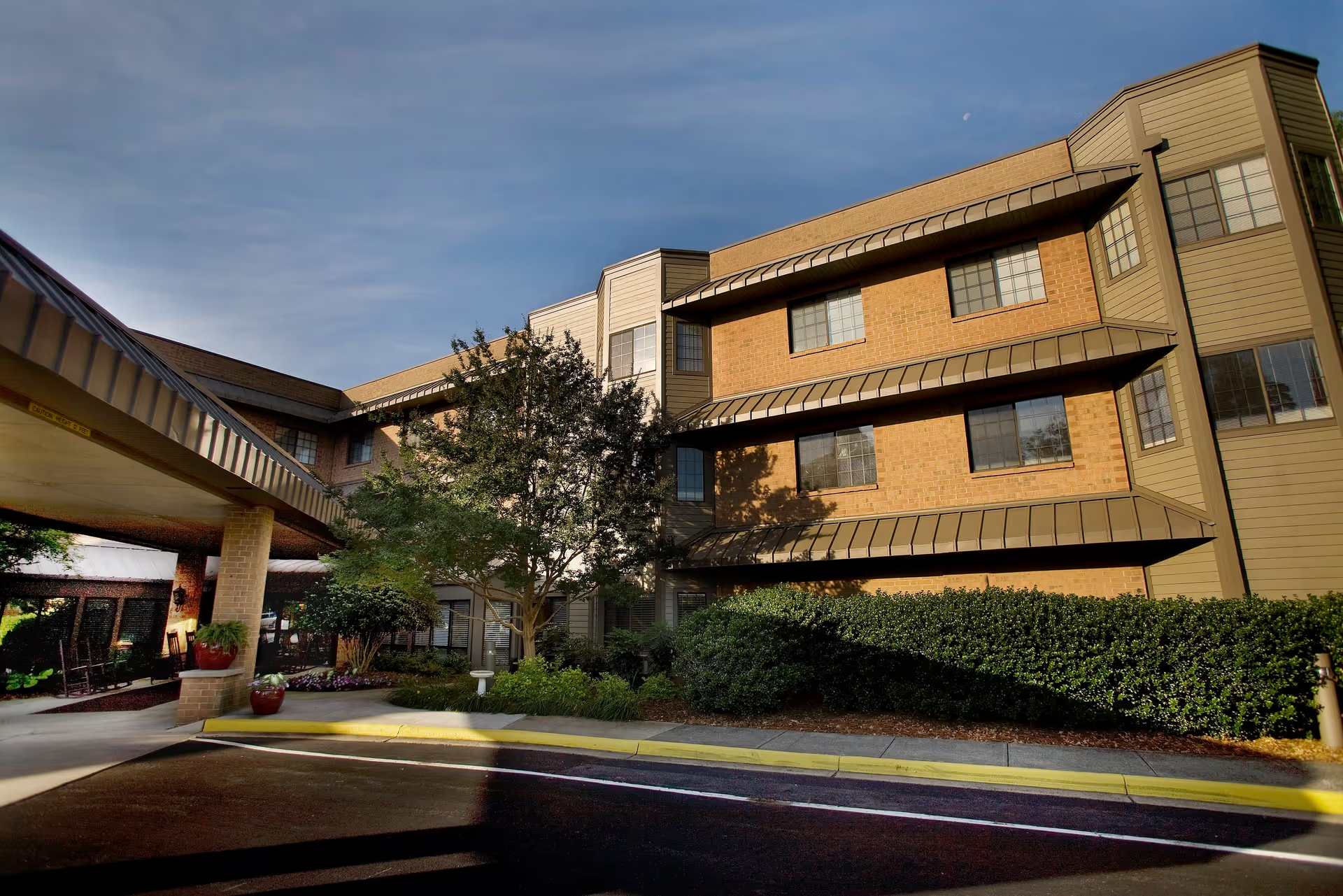
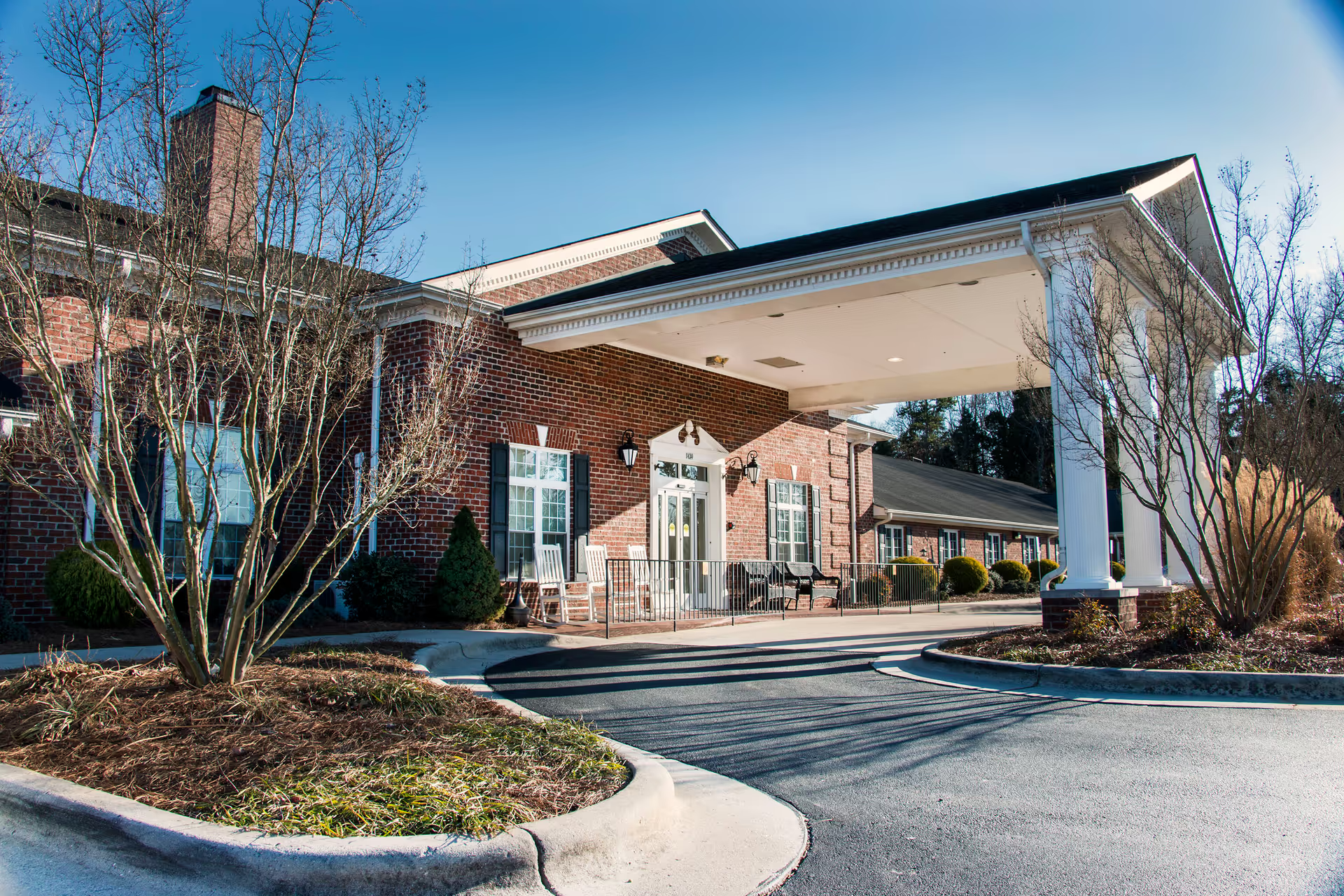
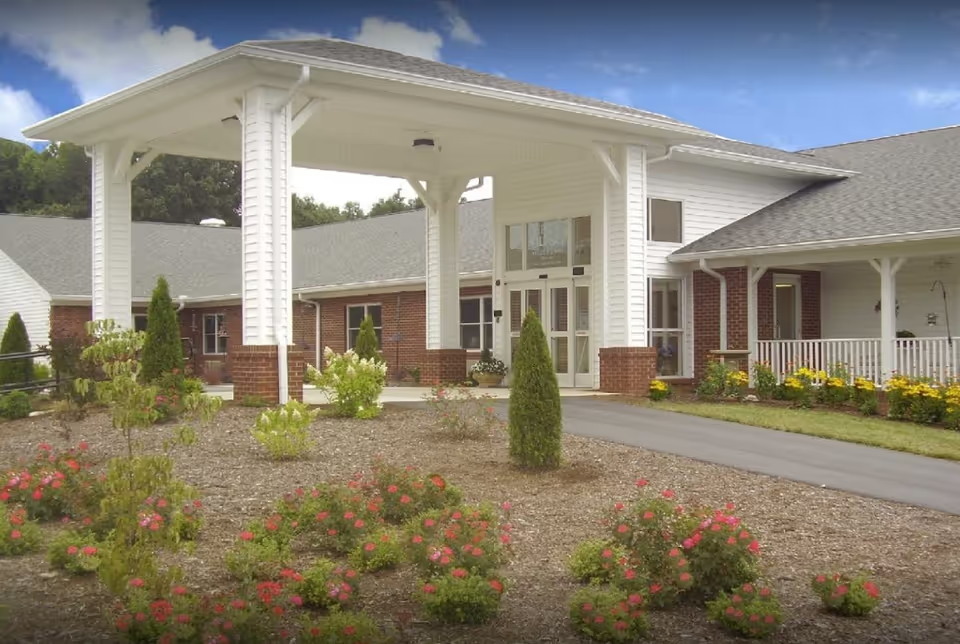
Trinity Elms presents as a facility with notable strengths in rehabilitation, therapy services, and a generally pleasant physical environment alongside persistent operational and communication challenges. Many reviews emphasize a strong therapy program, caring direct-care staff, attractive indoor and outdoor spaces, and on-site amenities such as chapels and dedicated therapy rooms. Families and residents frequently describe warm interpersonal interactions, organized events, and staff who demonstrate a clear work ethic and commitment to resident engagement.
Care quality appears mixed. On the positive side, the rehabilitation and therapy teams receive consistent praise for helping residents recover and progress, and nursing/assistant staff are often described as attentive and supportive. At the same time, reviewers describe patterns consistent with understaffing and workload pressure that affect day‑to‑day care: delays or inconsistencies in bathing and toileting assistance, variable encouragement to participate in therapy or eat, and uneven follow-through on individualized care plans. There are also references to skin‑integrity issues (pressure injuries) and family concerns about clinical incident response and timely notification — operational weaknesses that prospective families should evaluate directly with clinical leadership.
Dining and activities elicit mixed feedback. Several reviewers compliment the food and social dining experiences, while others express variable satisfaction with meal quality. The facility runs organized activities and events and offers social interaction opportunities, but activity schedules and participation can be inconsistent, with some programs not occurring as planned.
The physical plant and amenities are frequently cited as positive features: clean common areas, bright resident rooms, courtyards, and therapy spaces are strengths. However, there are also accounts of sanitation and room‑maintenance inconsistencies and episodic facility issues (for example, utility disruptions or delayed housekeeping attention) that have impacted resident comfort in isolated instances.
Management and policy areas show divergence in perceptions. Some families appreciate transparent explanations and supportive staff; others report inconsistent information from front-line staff and leadership, a perceived lack of responsiveness from nursing leadership, and challenging visitation practices during infection-control events. Financial policies may be a barrier for some prospective residents: limited payer acceptance and an upfront multi-year prepayment requirement have been noted as restrictive.
Overall, Trinity Elms demonstrates strong rehabilitation capability, a caring staff culture in many interactions, and attractive amenities. Those considering the facility should prioritize questions about current staffing ratios, skin‑care and wound‑management protocols, communication pathways for family updates, activity consistency, infection-control visitation policies, and the facility’s financial admission terms. A focused tour, review of recent inspection reports, and direct discussion with therapy and nursing leadership can help clarify whether the facility’s strengths align with an individual resident’s priorities and clinical needs.