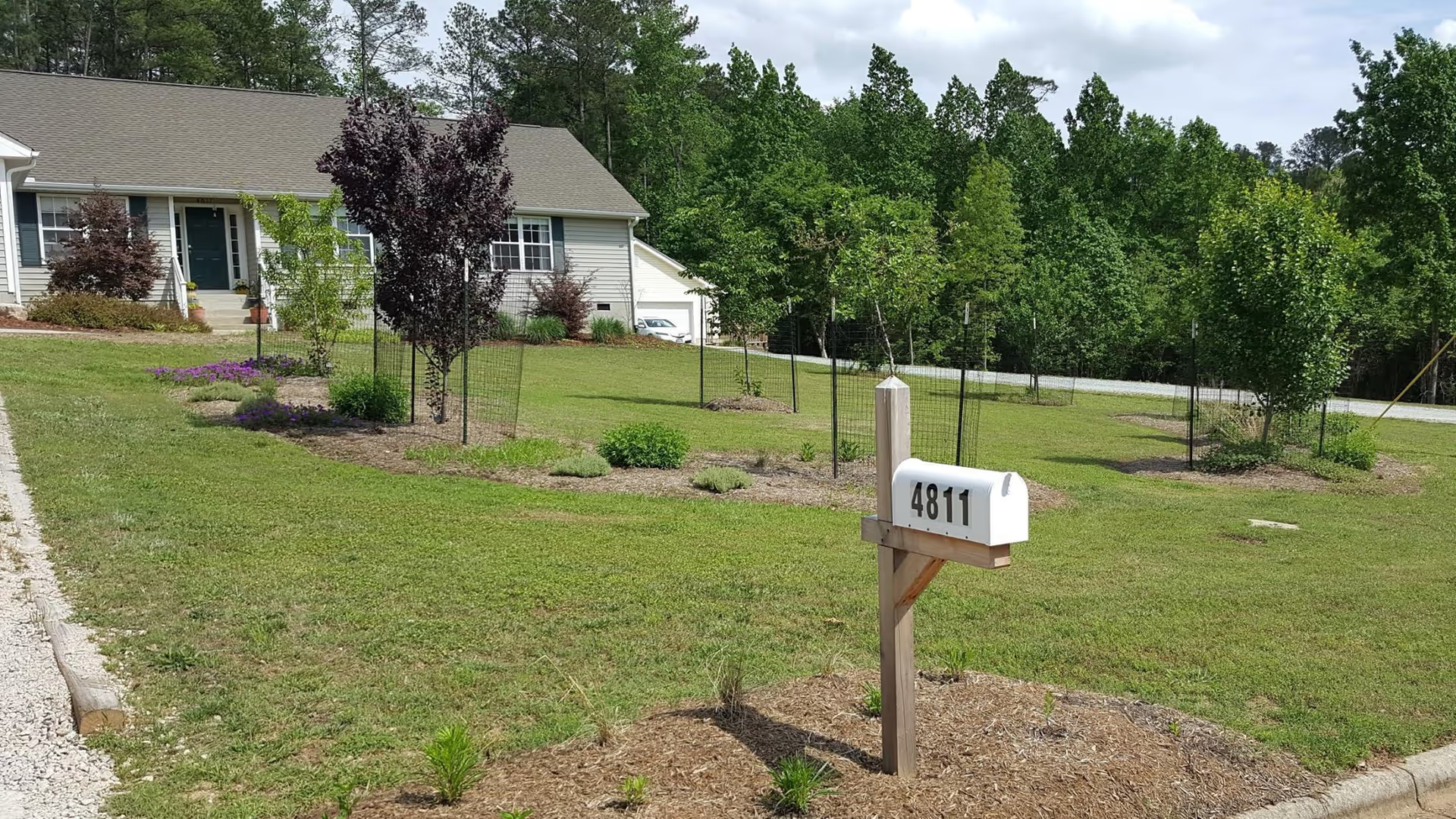
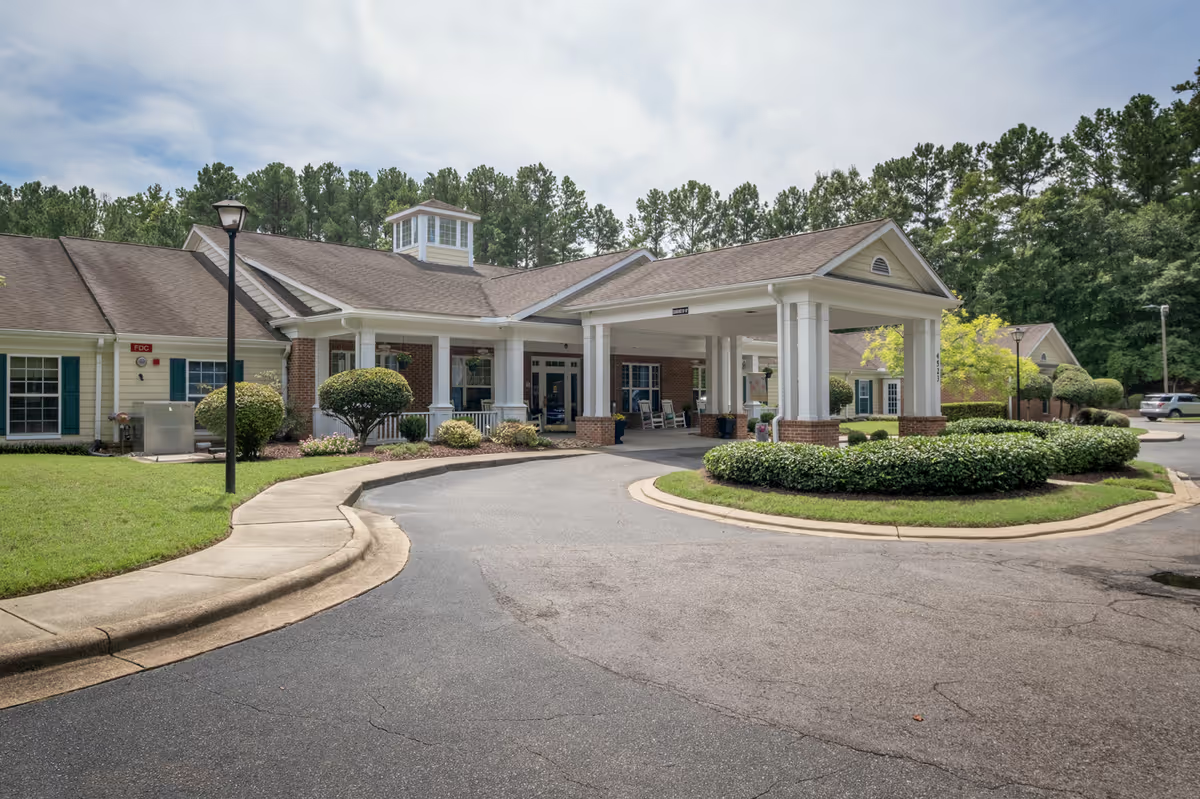
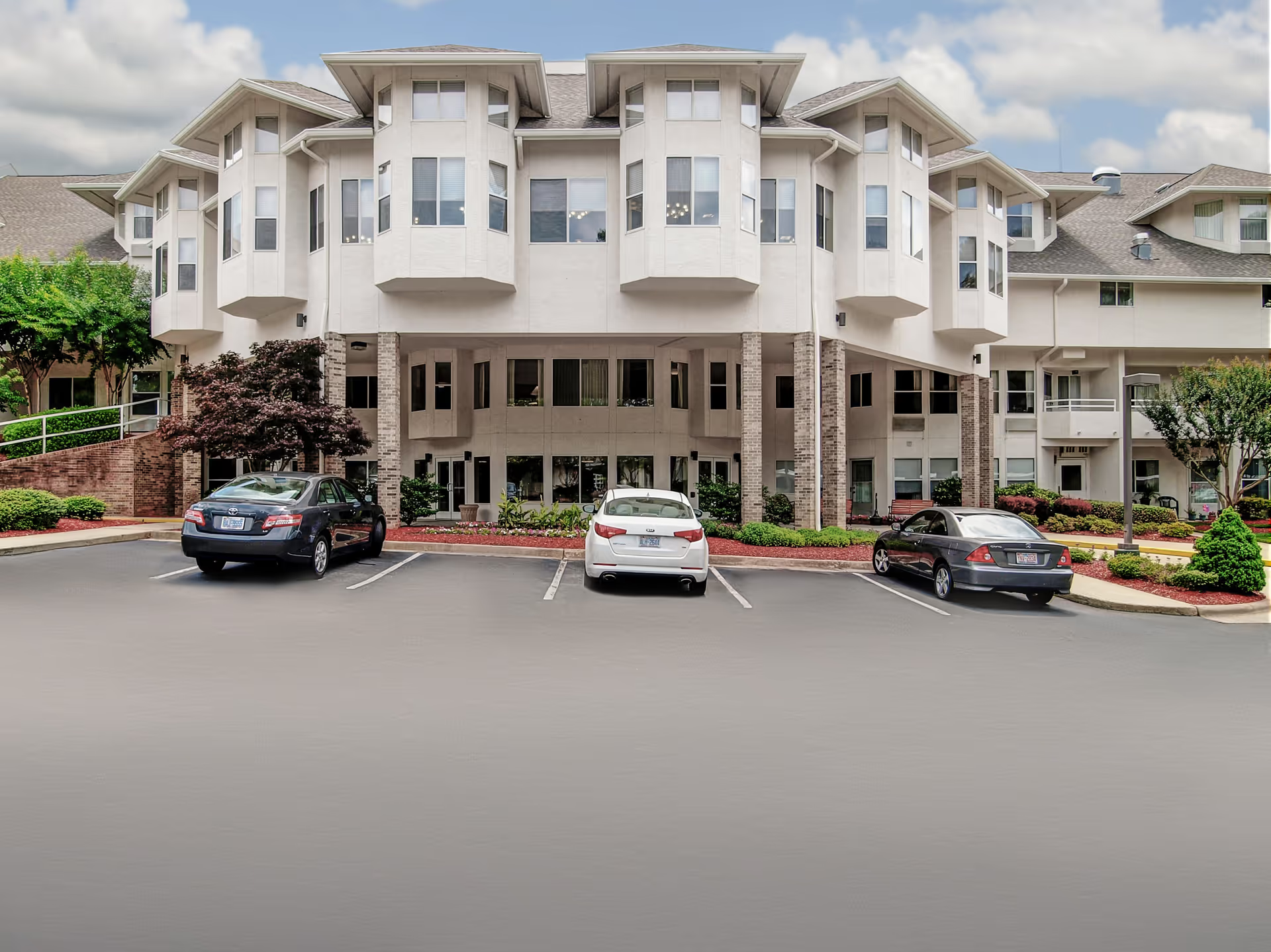
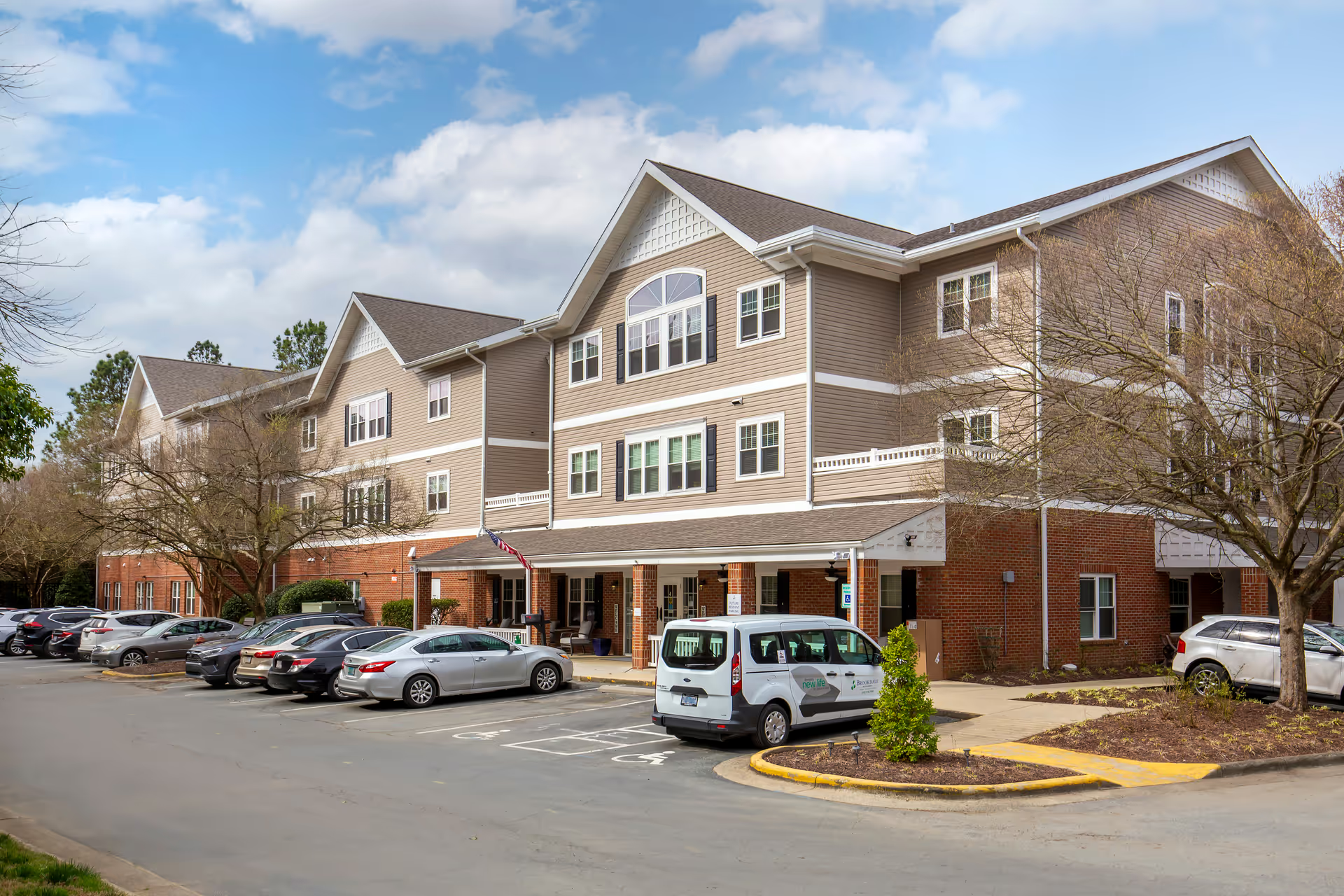
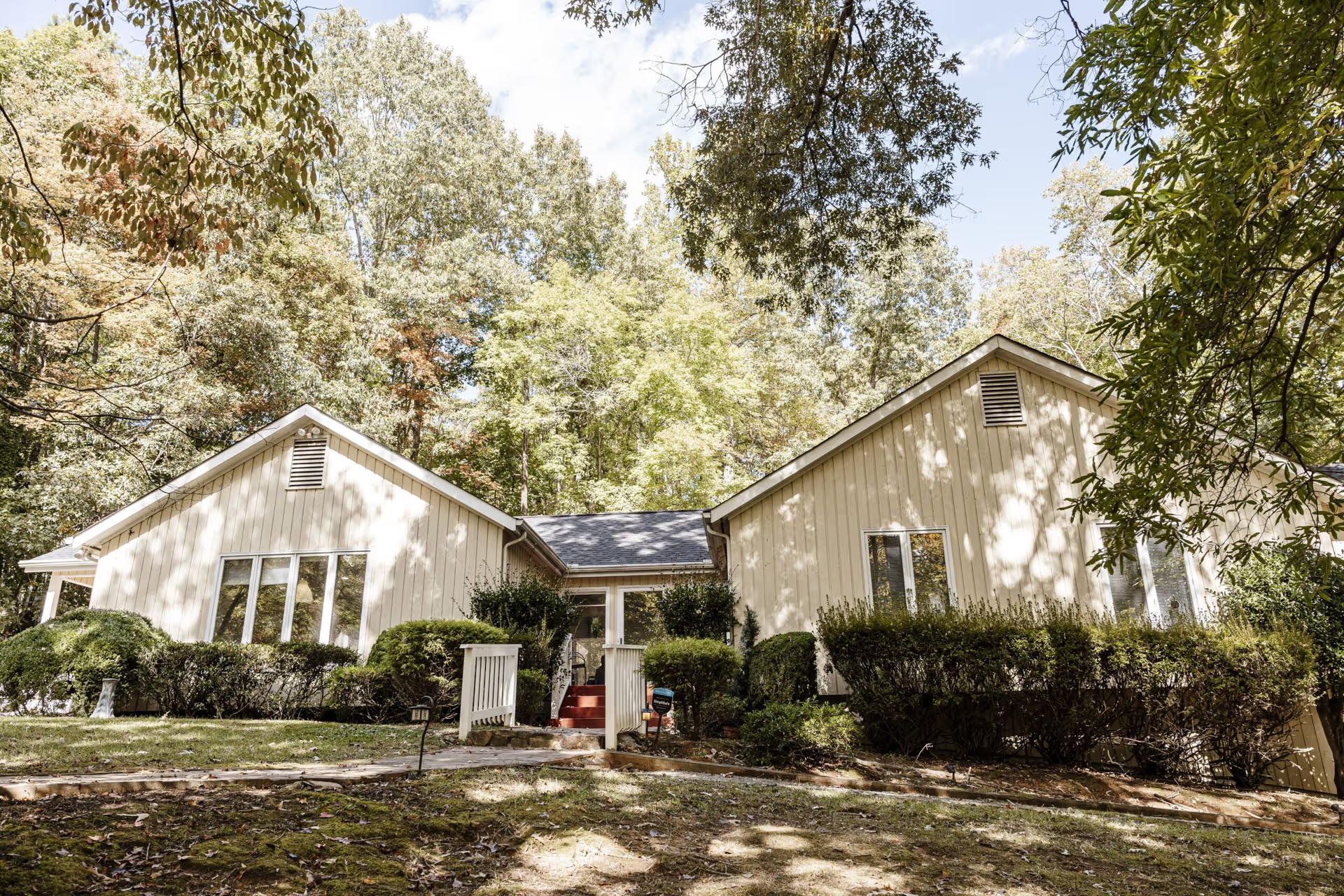
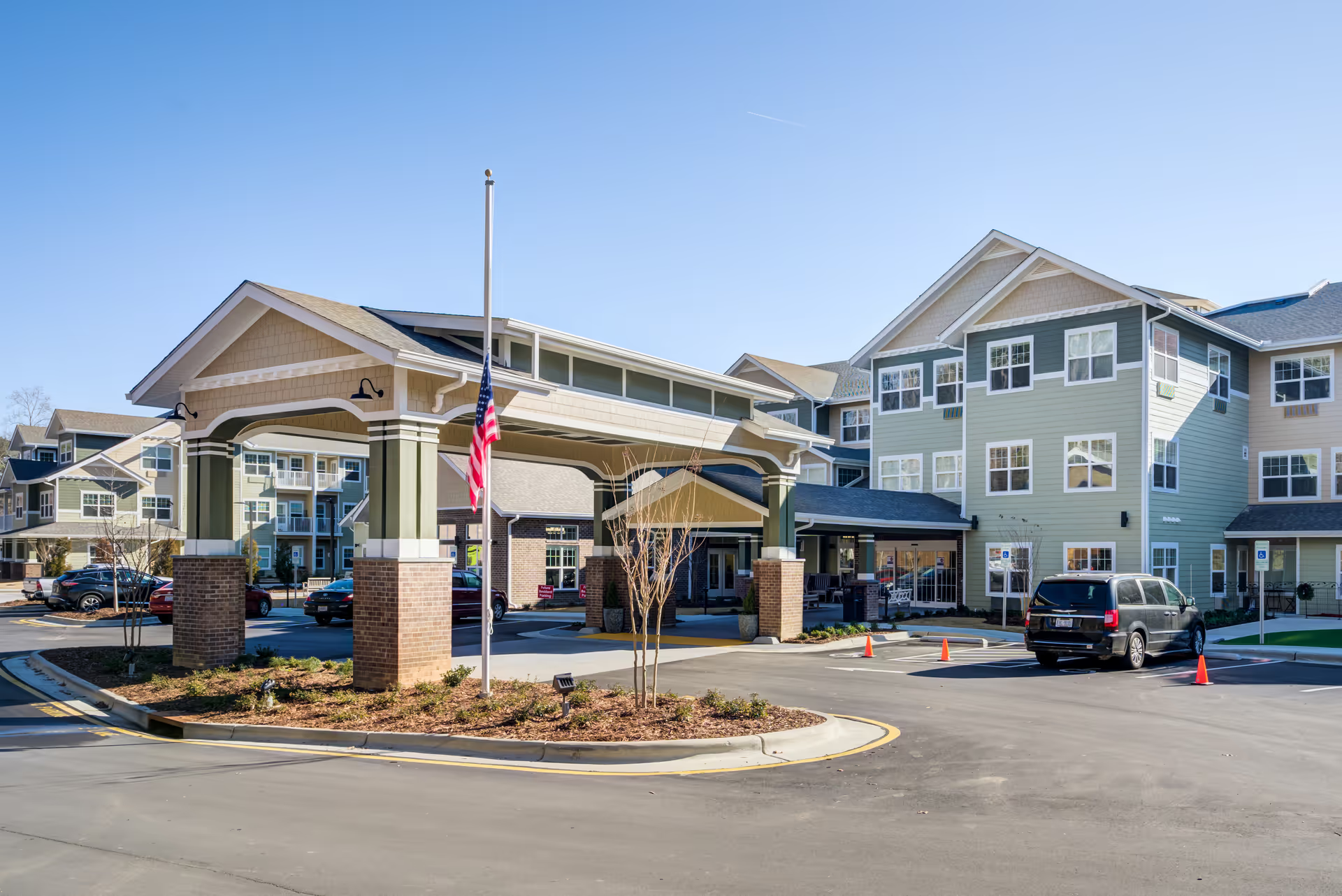
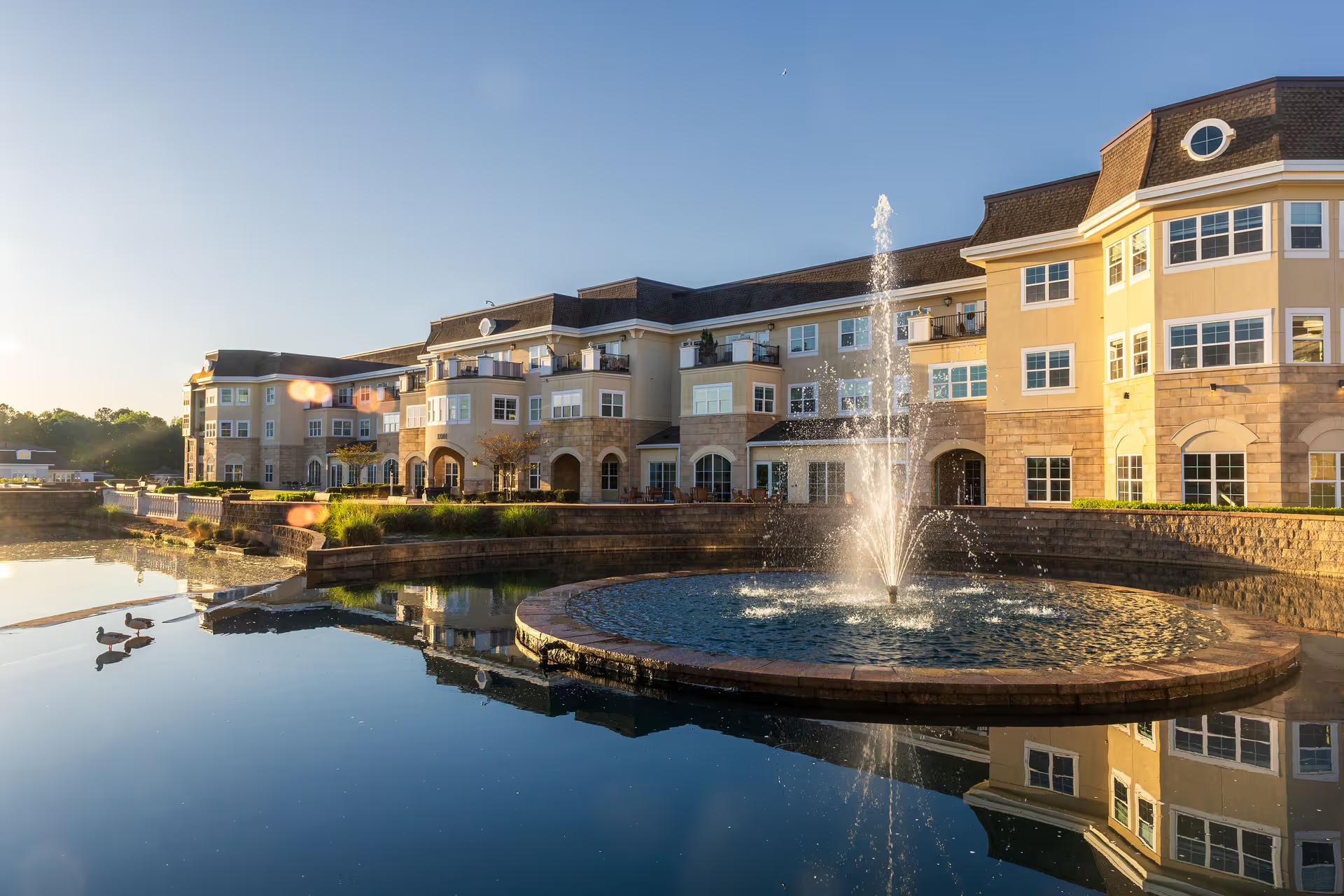
Overall impression: Atria Southpoint Walk presents as a well-appointed, activity-rich senior living community with a strong emphasis on social engagement and rehabilitation services. Common themes highlight a clean, attractive campus with spacious apartment-style units, many offering full kitchens, in-unit laundry hookups or washers/dryers, and private cottage options. The community is positioned for aging-in-place, with assisted living and memory-care options on the same campus and convenient on-site outpatient therapy through an affiliated provider.
Care and staff: Staff interactions are repeatedly described as a primary strength. Families and residents frequently describe staff as compassionate, attentive, and proactive; several named staff and directors received specific praise for communication and individualized support. Nursing and therapy services earned particular commendation for restoring function and confidence after health events. At the same time, reviewers conveyed variability in staff continuity and occasional concerns about responsiveness or tone from some administrative personnel. Operationally, that translates to generally strong day-to-day caregiving with intermittent gaps tied to turnover and uneven administrative follow-through.
Dining: Dining is a mixed but prominent theme. Many residents praise chef-prepared meals, special brunches, and attractive dining venues, while an overlapping set of comments cites bland entrees, limited salad/fruit options, and inconsistent portioning or presentation. Meal-service continuity during contingencies and packaging/presentation have been noted as occasional pain points. Prospective residents should taste the food and ask about menu rotation and special-diet accommodations before committing.
Activities and social life: The community offers a broad, active social calendar — bridge, book club, Broadway-style productions, walking and exercise groups, wine-and-cheese and happy-hour events, and frequent field trips to cultural and shopping destinations. Reviewers portray a lively, intellectually engaging atmosphere with many opportunities for social connection. A few comments suggest activity offerings could be expanded for residents with specific sensory impairments.
Facilities and amenities: The physical plant is frequently described as clean, bright, and well-maintained, with attractive courtyards, garden patios, and multiple communal spaces (library, theater, game rooms, fitness areas). Apartment sizes range from efficient studios to large two-bedroom cottages; some units lack certain features (for example, in-unit laundry), so floor-plan variability is important to confirm. A few reviewers described long hallways, limited elevator capacity, or an institutional circulation feel in parts of the building — practical considerations for mobility and convenience.
Management and operations: Many families praised proactive, empathetic leasing and move-in assistance and cited positive communication from leadership. Conversely, recurring operational weaknesses include administrative/billing communication gaps, occasional service delays during peak times, and inconsistent staffing levels. Pricing is a notable constraint: the community is commonly characterized as costly, with non-refundable upfront fees and periodic price increases; value judgment will depend on individual budget and priorities.
Notable patterns and guidance: Strengths center on staff warmth, rehabilitation services, robust activities, and attractive apartment-style living suited to independent older adults who want an active social environment with an aging-in-place option. Areas to vet during a tour include current dining quality and menu cycles, exact unit features (laundry, square footage, private outdoor access), staffing continuity in the units of interest, elevator and circulation convenience for mobility needs, and detailed billing/fee schedules including refundability and anticipated rate increases. For families with higher-dependency care needs, confirm current assisted- and memory-care capacity and policies for transitions when needs change.