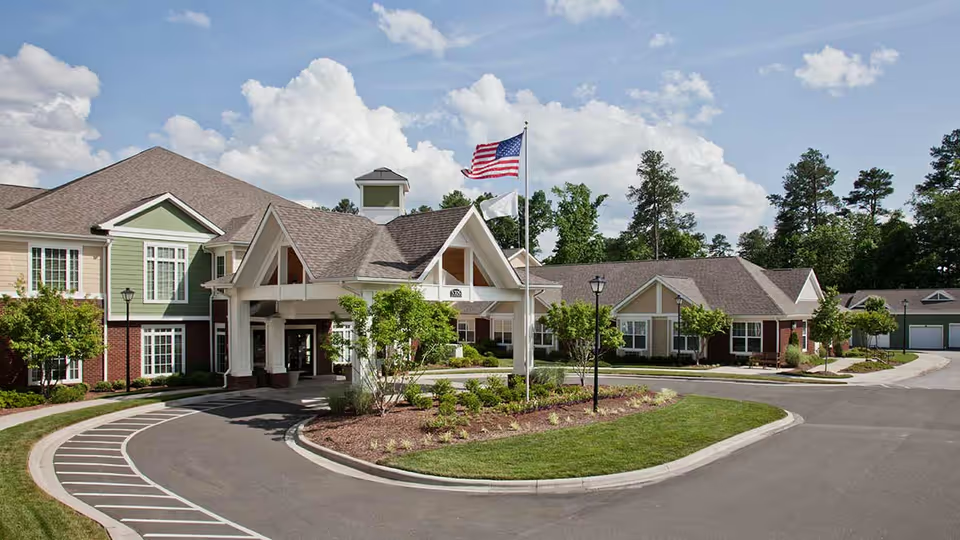
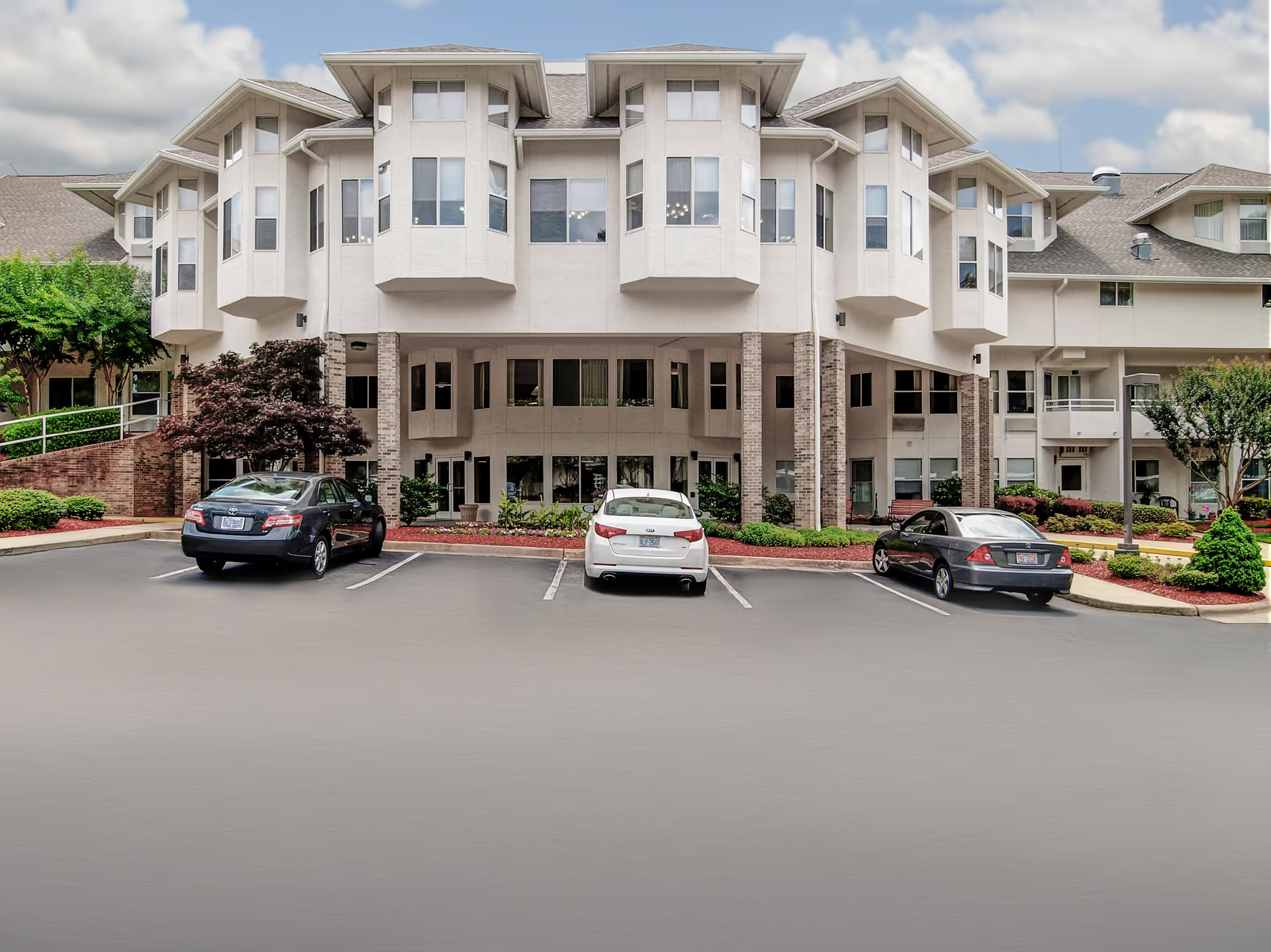
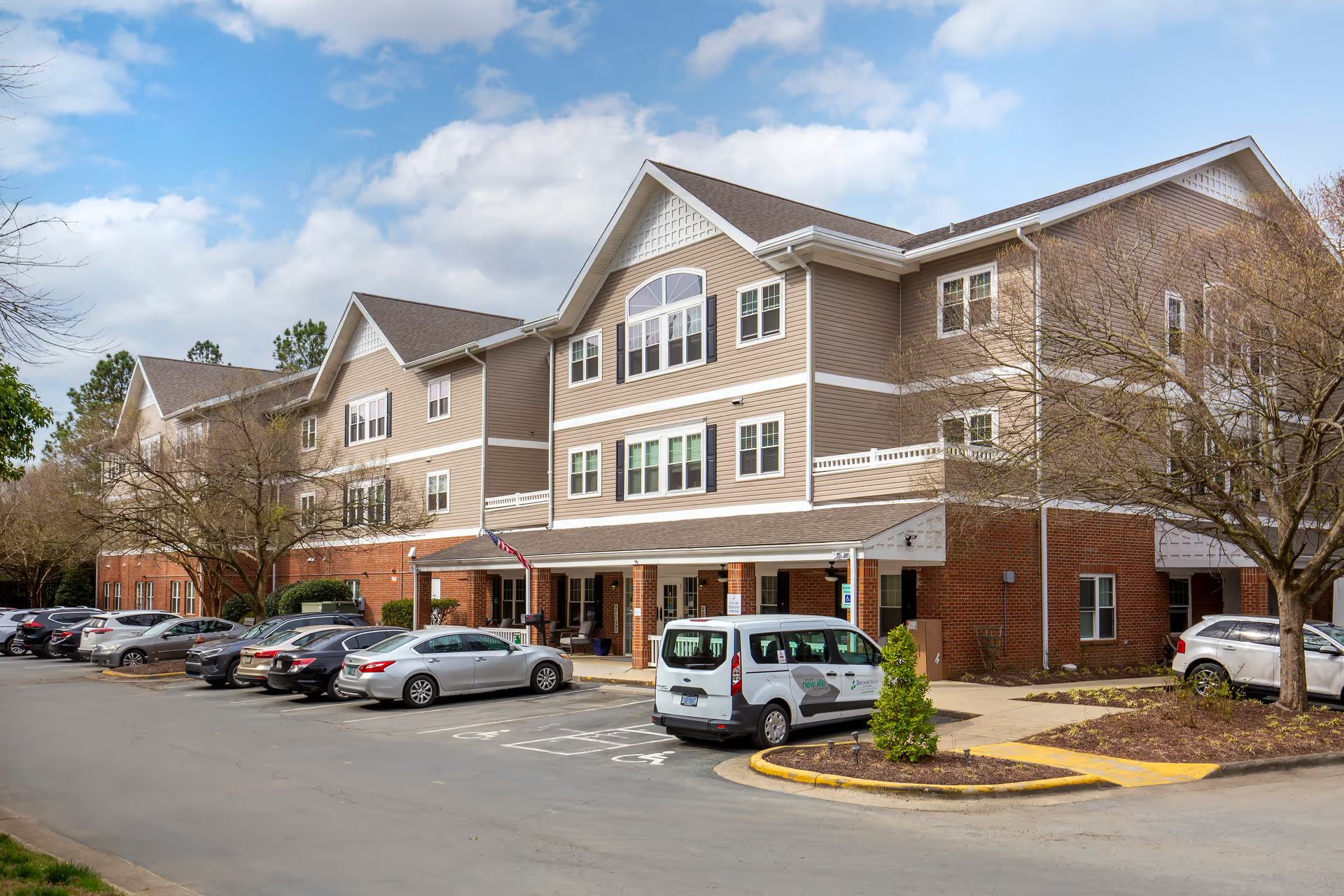
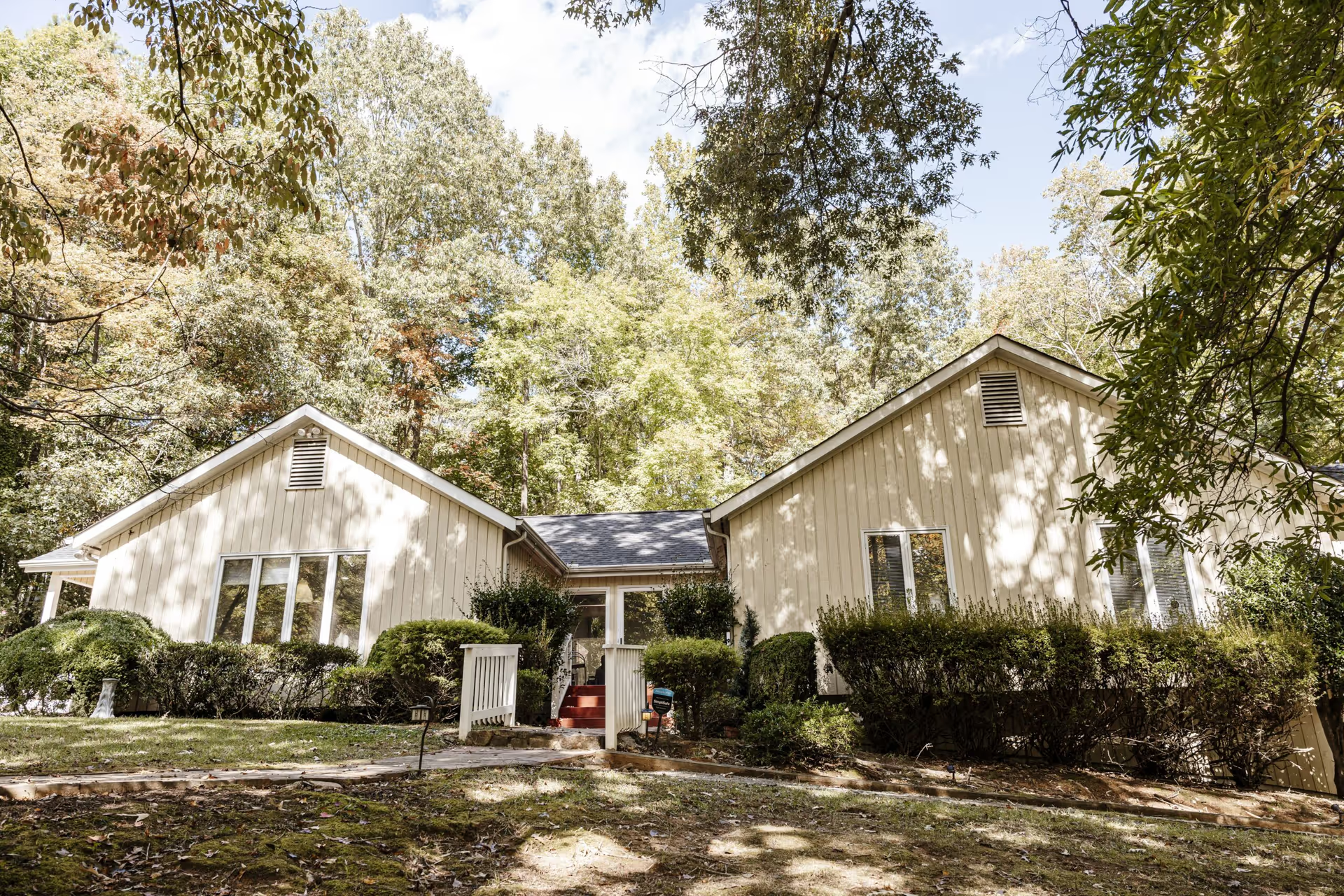
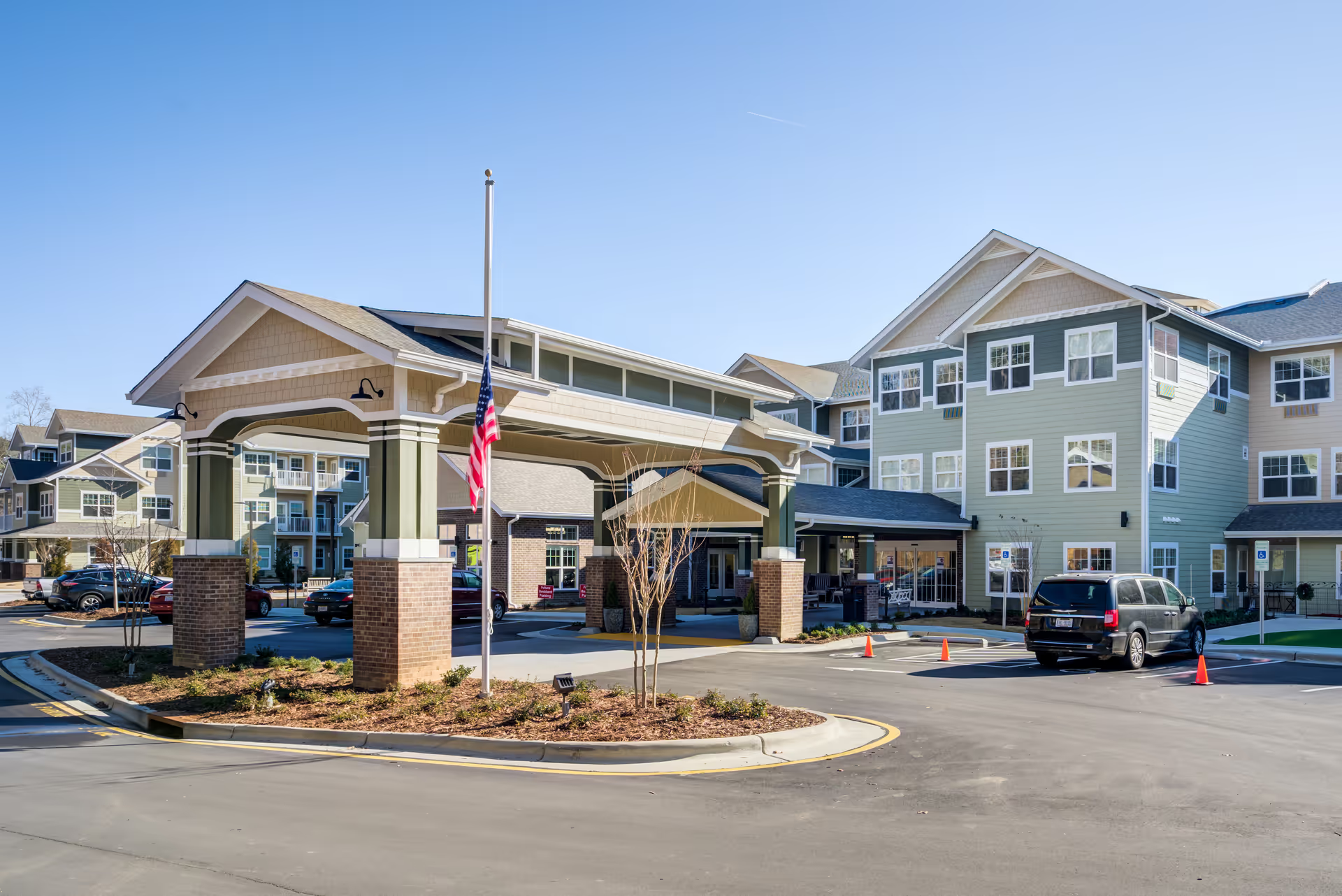
Carolina Reserve of Durham is described by many families as an intimate, well-appointed assisted living community with strengths in social programming, a home-like atmosphere, and attentive frontline staff. The facility has been recently remodeled in parts, offers large and configurable apartment layouts (including two-bedroom units), and maintains pleasant communal spaces such as a library, front porch gathering area, and multiple activity rooms. Dining is frequently praised for variety, snacks and meal frequency, and a restaurant-style dining environment; maintenance and housekeeping are often noted as responsive and consistent. Reviewers frequently highlight an engaged activities program (bingo, music, crafts, holiday events, weekly concerts) and several named staff who families found particularly helpful during move-in and crisis placements.
Care quality perceptions are mixed. Many families report compassionate, individualized attention from caregivers and med-techs, good therapy services, and prompt responses in some cases. However, others describe operational weaknesses that have directly affected clinical reliability: inconsistent medication administration and documentation, missed meals or medications in isolated instances, and variable responsiveness to call-button requests. High turnover among direct-care staff and gaps in nursing leadership visibility are recurrent themes that reviewers link to uneven continuity of care. Prospective residents who require steady, higher-level clinical oversight or frequent nursing interventions should verify current staffing ratios and clinical oversight practices.
Management and operations present a similarly mixed picture. Several reviewers praise the admissions and marketing teams for helpful tours and personalized move-in support; administrators are sometimes described as responsive. At the same time, there are recurring critiques about follow-through on family concerns, inconsistent communication around menus and medication schedules, and disruptive timing of renovations. A small number of serious allegations—including theft and permissive hiring policies—appear in the feedback and warrant direct inquiry during a tour. Infection-control events such as COVID outbreaks were mentioned as having occurred; families should ask about the facility’s current infection prevention protocols and recent outcomes.
Facilities and logistics are generally seen as strengths: the campus is convenient, wheelchair-accessible, and often kept clean and attractive, with included cable and straightforward internet/phone setup. Noted limitations include constrained transportation resources (single-driver scheduling difficulties), occasional sanitation or odor concerns in some memory-care areas, and a resident population mix that may not suit very active or mentally acute older adults seeking more socially dynamic roommates. Activity-rich programming and a small community scale make the campus appealing for families prioritizing social engagement and a family-like environment, while clinical reliability, leadership stability, and background-screening practices are areas families should evaluate closely.
Recommendations for prospective families: tour the community during both activity hours and a quiet period, review medication-administration and nursing oversight procedures, ask for current staffing ratios and turnover metrics, confirm transportation availability and scheduling, request written dietary and medication schedules, and inquire about background-check and valuables-security policies. Those who prioritize an active, intimate community with strong social programming and many compassionate caregivers may find Carolina Reserve a good fit; those needing consistently high clinical nursing oversight or stronger operational consistency should seek specific assurances before committing.