Overall impression: Reviews for Carver Rehabilitation & Living Center are highly polarized, with pockets of very positive experiences largely centered around rehabilitation services and certain individual staff members, while a substantial number of reviews describe serious care, safety, and sanitation failures. A consistent pattern is wide variability: some families report excellent therapy, compassionate nurses, clean units, and a pleasant dining experience; others report neglect, unsafe conditions, and mismanagement. The sentiment ranges from 'wonderful facility with great staff' to 'facility should be shut down'—indicating that outcomes strongly depend on timing, specific units, and individual staff on duty.
Care quality and clinical concerns: One of the clearest themes is inconsistency in nursing and direct care. Many reviewers praise particular nurses, CNAs, and specialty clinicians (e.g., wound nurse, speech therapist, physical therapy supervisor) for attentive, professional care. At the same time, numerous reports document missed medications, medication administration errors, infrequent vital checks, delayed or non‑existent assistance to use the bathroom, soaked diapers left for hours, bed sores, weight loss, urinary infections, and serious declines while under the facility’s care. Several reviewers report that required therapy either was inconsistent or not delivered as prescribed. There are multiple accounts of unresponsive call buttons and long waits for assistance, which directly contributed to harm or worsening conditions.
Safety, infection control, and critical incidents: Reviews include serious safety incidents and infection control failures. A COVID outbreak affecting more than 19 cases and instances of staff bringing illness into the building were reported; family members contracted COVID. There are accounts of MRSA, sepsis, and deaths tied by reviewers to inadequate care. Other safety concerns include an escape risk from a secured area, police involvement and detainment of residents, assaults/injuries by other patients, and at least one mention of a camera in a bedroom and lack of action. Several reviews reference media and health authority investigations, and some callers explicitly urge closure or regulatory action. These are alarmingly severe themes that multiple reviewers independently raise.
Staffing, management, and culture: Understaffing and poor staff morale are recurrent complaints. Reviewers describe scenarios of one nurse or aide covering many residents, leading to delayed or omitted care. While many individual staff members receive high praise (several by name, e.g., Bono, Chrystal Harris, Silva, Raquel, Rico, Jasmine Perkins), other staff are described as rude, dishonest, or apathetic. Management receives repeated criticism for being unapproachable, defensive, or retaliatory; reviewers mention corporate focus on image over care, harassment, and a loss of the facility’s earlier 'heart and soul.' Communication problems with families—poor responsiveness to calls, inadequate updates, and lack of transparency after critical incidents including deaths—are frequently noted.
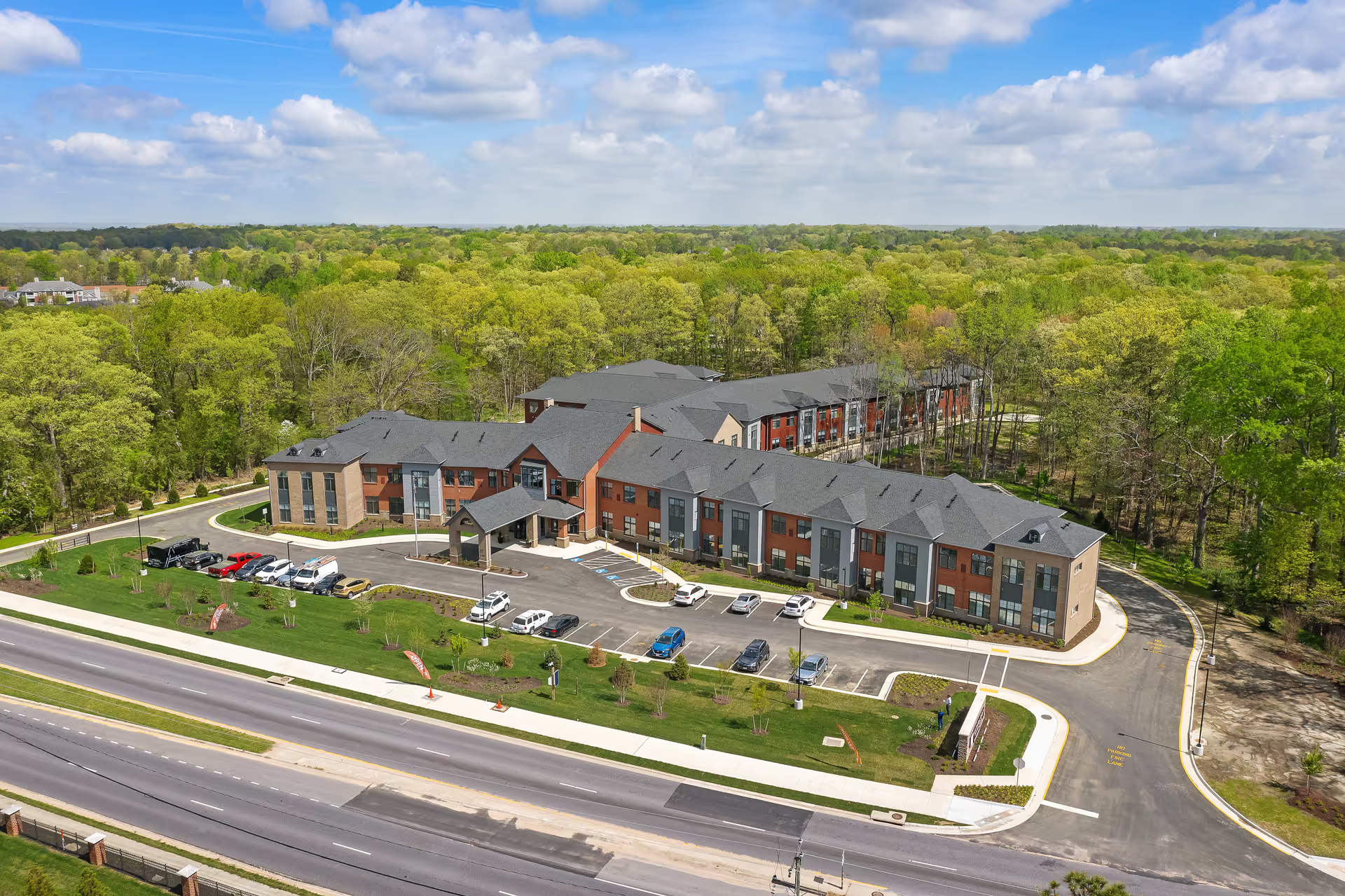
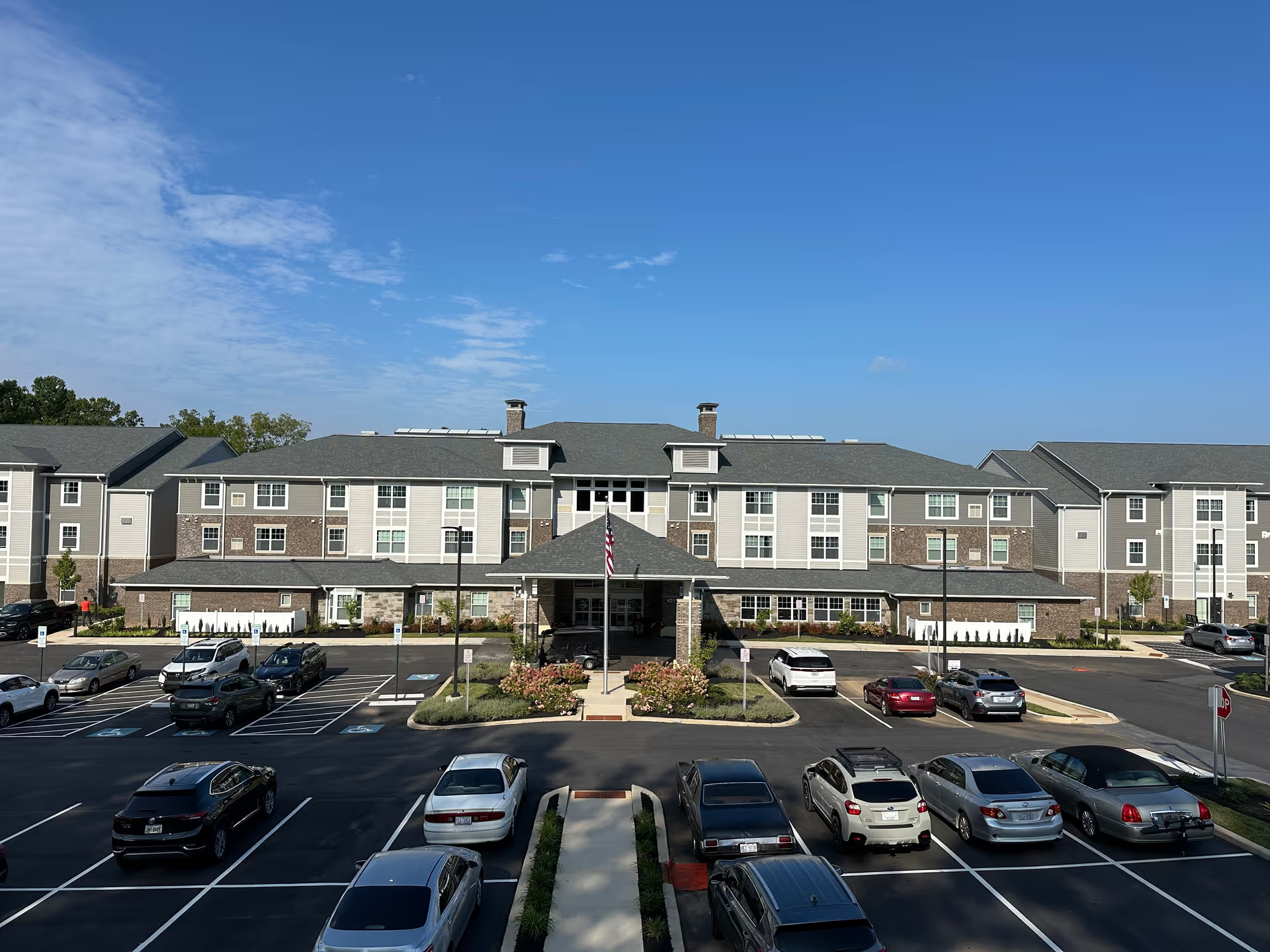
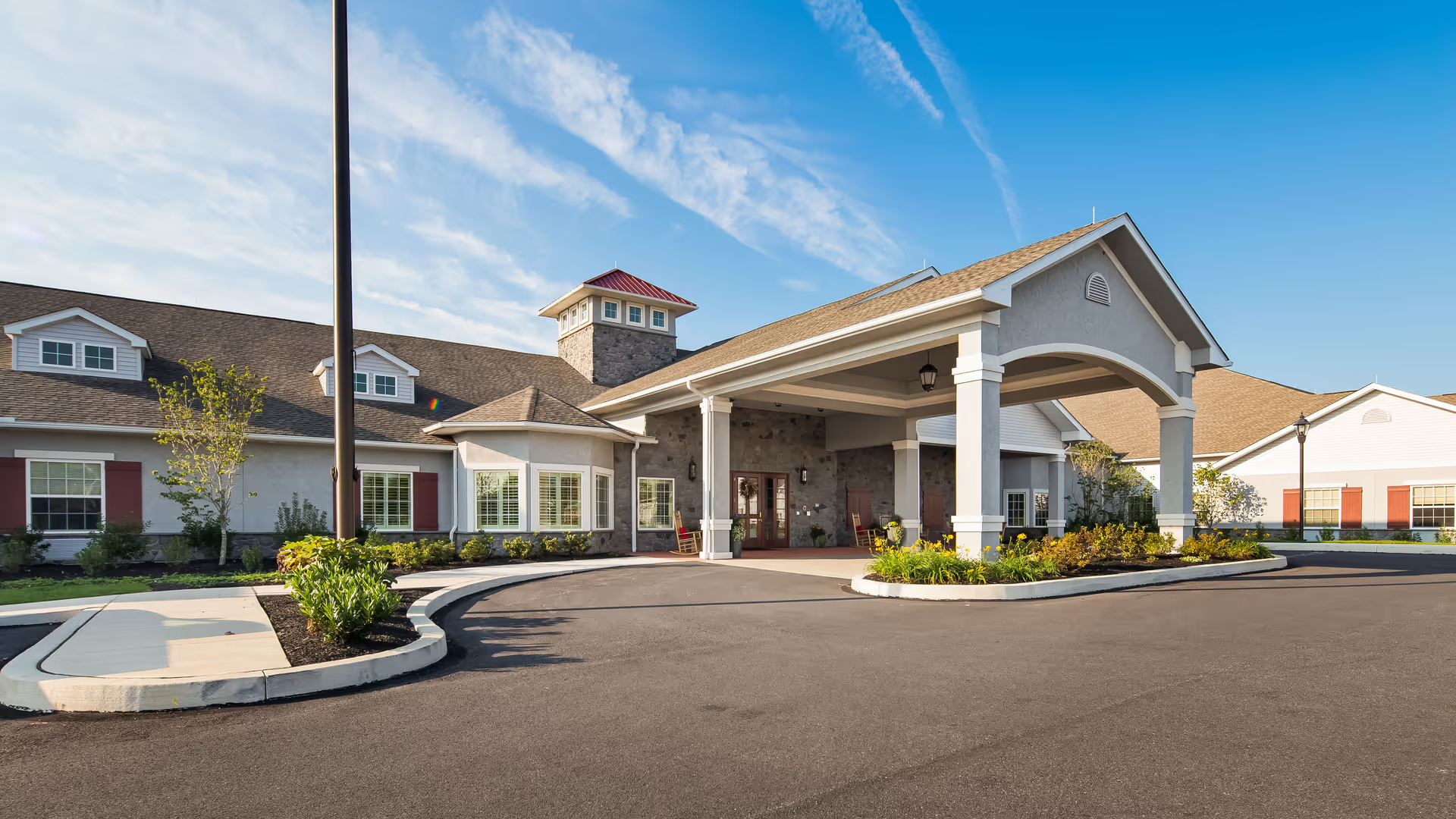
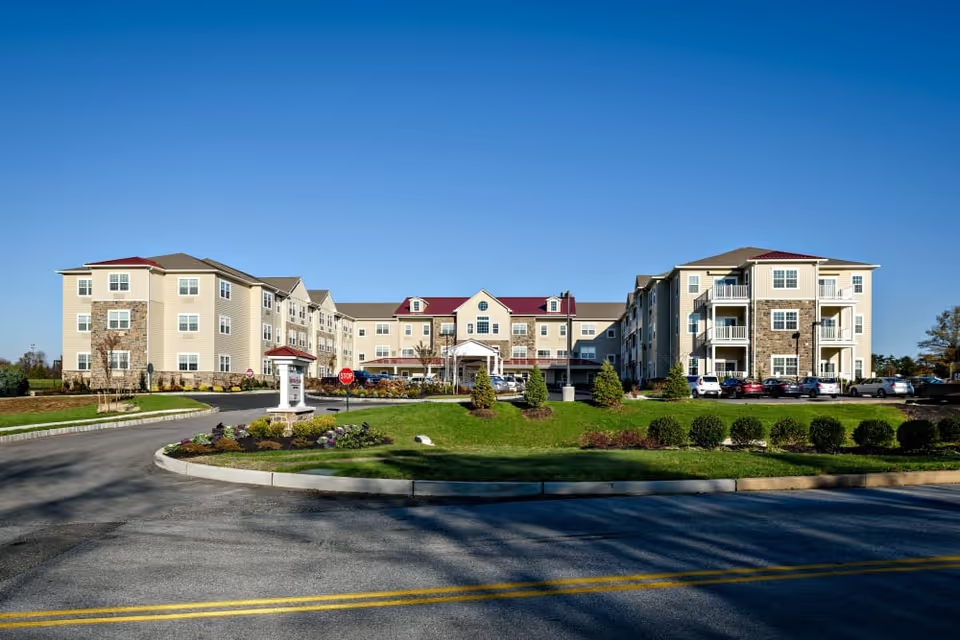
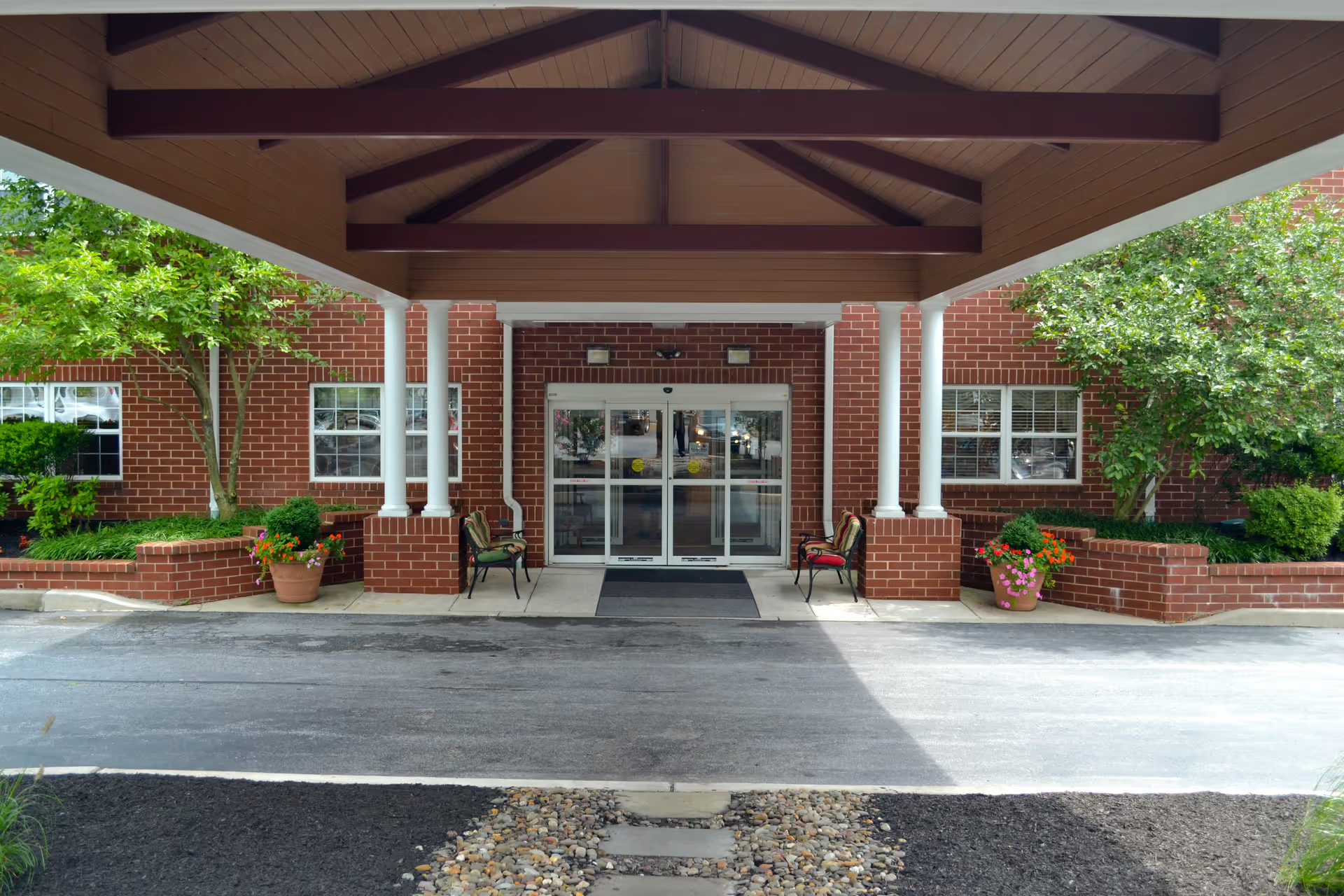
Cleanliness, maintenance, and facilities: Reviewers’ experiences vary widely. Many note attractive remodeling, especially on the rehab hall, tidy dining rooms, and helpful maintenance staff. Conversely, a strong and recurring negative thread relates to sanitation: pervasive urine and feces odors, dirty bathrooms, dingy sheets, hidden or unwashed clothing, laundry issues, and reports of stolen or missing personal items. Room sizes and layouts vary; some residents enjoy private rooms and remodeled spaces, while others are in small rooms or shared rooms that lead to privacy and roommate‑intrusion problems. Accessibility concerns include long walks for elderly residents and suggestions for improved signage or entrances. Outdoor courtyard use (including smoking) is mentioned as an amenity by some but criticized by others due to frequent smokers.
Dining and activities: Many reviewers praise the food and dining staff, noting varied, enjoyable menus and friendly service. Several accounts describe good meals (some specifically mention fish, fries, and varied menus) and positive dining experiences. Activity programming receives mixed feedback: some reviewers call the Activity Department "the best" and praise engagement and social programming; others report limited offerings, especially for dementia patients, noting bingo, movies, and occasional crafts as the main activities and stating dementia programming is rarely done.
Communication, discharge, and operational issues: Multiple families report poor communication—difficulty reaching staff by phone, long hold times, abrupt or rude receptions, and inadequate discharge planning. Some residents were allegedly discharged too early or without adequate coordination, leading to rehospitalization. Conversely, a subset of reviewers reports timely discharge support and helpful social work involvement. Therapy scheduling and consistency is another operational pain point: while therapy is frequently lauded where delivered well, some families experienced unreliable PT scheduling or missing therapy sessions.
Patterns and takeaway: The reviews reveal a facility with marked internal variability. Strong points consistently cited include the therapy department, some outstanding individual caregivers and clinicians, appealing remodeled rehab spaces, and positive dining experiences. The most serious and common negatives relate to sanitation, staffing shortages, inconsistent and sometimes neglectful clinical care, medication and safety problems, and managerial deficiencies. Because experiences appear to depend heavily on which unit, which shift, and which staff member is present, prospective families should expect variable care quality. The number and severity of negative reports—especially those alleging neglect, infection spread, safety incidents, missing belongings, and regulatory/media scrutiny—are substantial enough to warrant careful vetting before placement. Families who choose Carver should ask specific questions about current staffing ratios, infection control measures, dementia programming, recent inspection results or investigations, named clinician availability, and the process for escalation/communication to ensure the level of care required for their loved one.